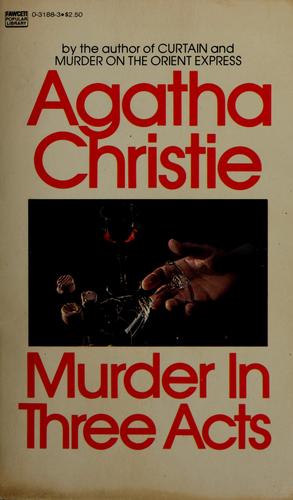

What makes Murder in Three Acts so satisfying is not the victim or the poison but the architecture. Christie structures the novel like a stage play, complete with a prologue death that looks like natural causes, a second act murder that proves something is very wrong, and a third act unmasking so elegantly reversed that you feel cheated and delighted at once. The book's setting, the cliffs of Loomouth and a Mexican holiday villa, keeps the cast sealed in the same social terrarium Christie loved: wealth, manners, idle time, and at least one person pretending to be someone they are not. What her fans chase across every medium is that specific combination of wit, social comedy, and a puzzle that respects the reader enough to hide the solution in plain sight.
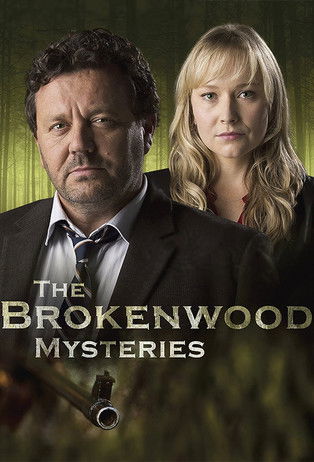
Screen: Poirot and Its Kin
Adaptations of Christie's work and films that share the closed-circle, social-comedy-of-murder sensibility.
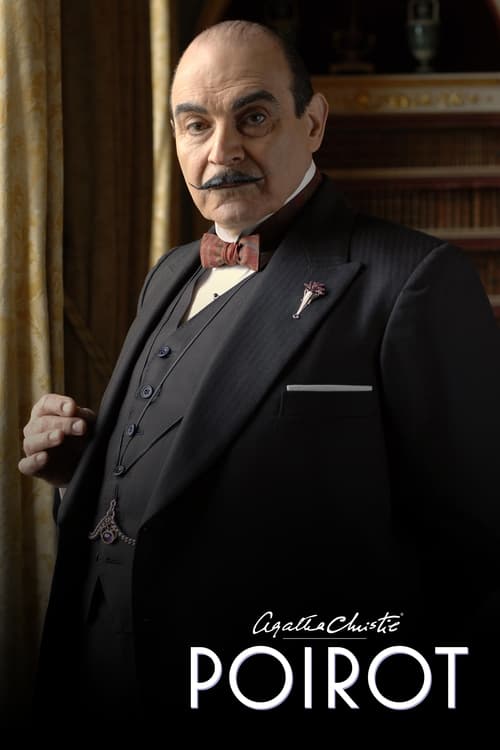

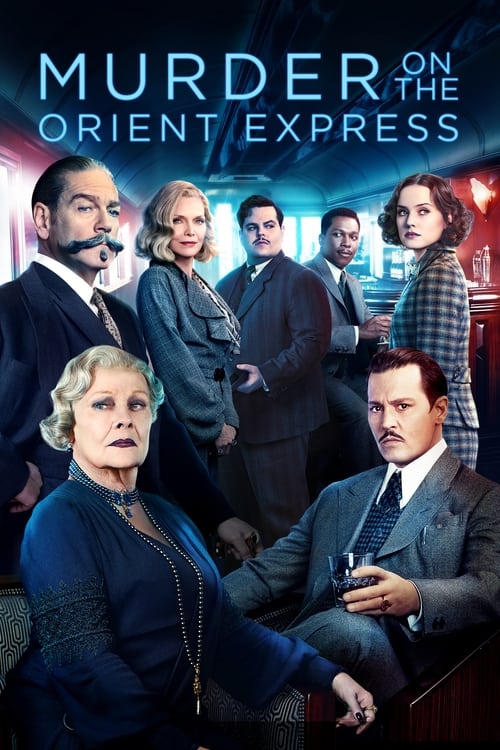
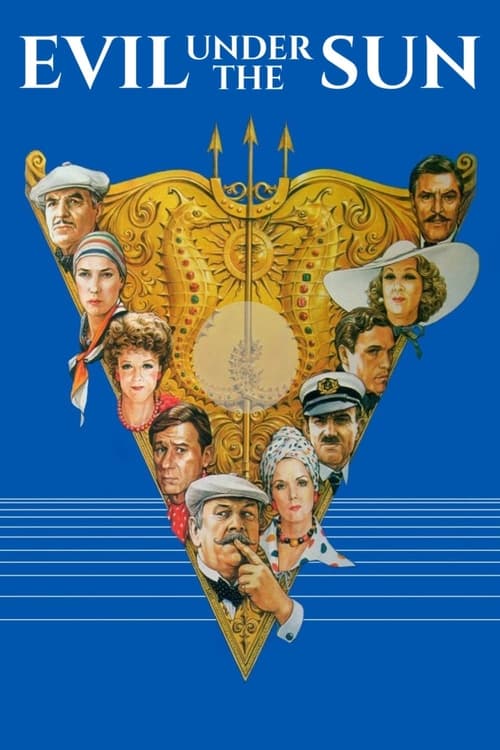
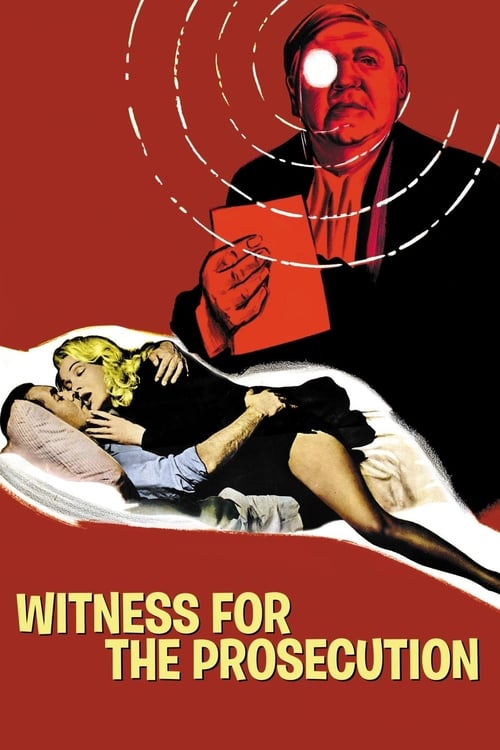



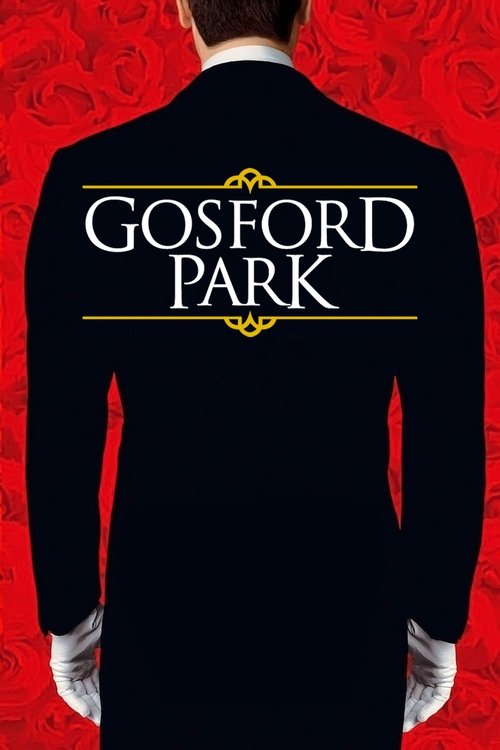
Whodunit Series Worth Your Time
Television that treats the mystery as a social study, not just a chase.


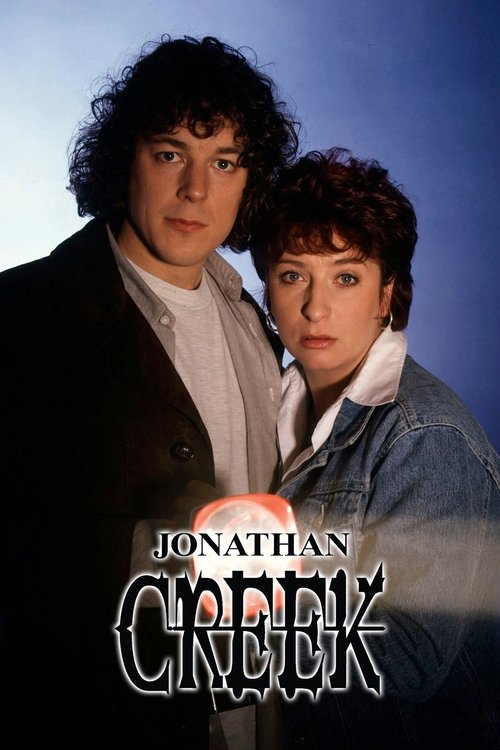
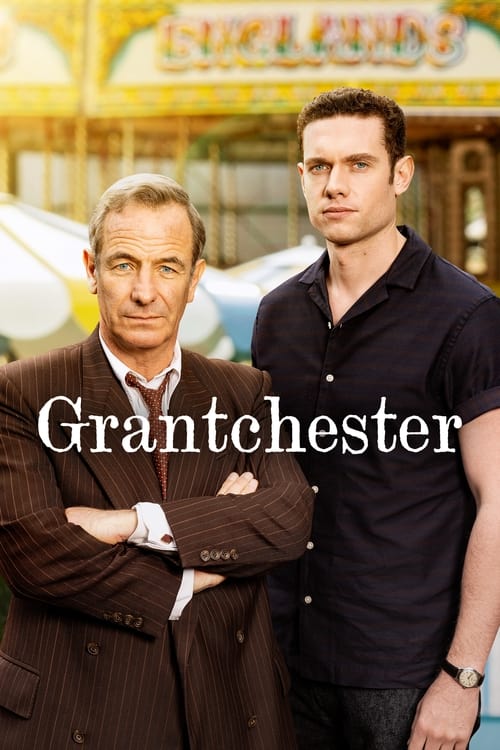


Novels in the Same Key
Classic and contemporary crime novels built on observation, deception, and social comedy rather than violence.


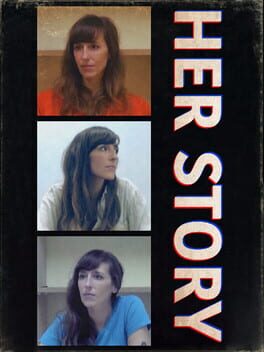
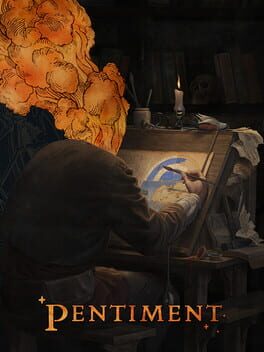
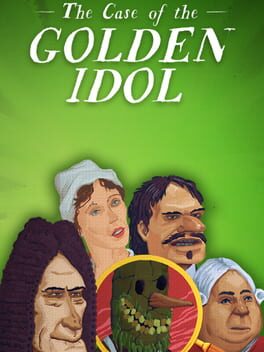
Games: Deduction, Deception, Theatre
Games that reward the same careful attention to motive, opportunity, and social performance.



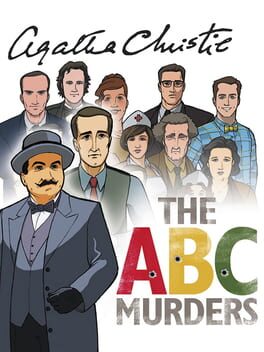
Christie's great trick is that she makes you feel clever for following along, then makes you feel foolish for not seeing the solution earlier. The pleasure is in being wrong in exactly the right way.Classic Crime Fiction
The Theatrical Structure Is the Point
Christie titled this novel in three acts deliberately. The stage-play architecture is not decoration; it is the argument. She is telling you that murder is a performance, that the killer has been playing a role, and that your job as audience member is to watch the performer slip. Knives Out (2019) is the closest modern inheritor of this idea: the killer is revealed early, which seems to give the game away, but the real deception is structural. Both Christie and Rian Johnson understand that the twist is not the ending but the reset of everything you thought you knew.
Poirot Works Because He Does Not Fit
Hercule Poirot is always the outsider: Belgian in England, formal among the casual, theatrical where others are reserved. That social marginality is what lets him see what insiders miss. Monk uses the same mechanic with Adrian Monk's obsessive-compulsive precision. Jonathan Creek puts its detective in a world of stage illusion, which is pure Christie logic: the solution is always hiding inside the performance. The best detective fiction uses its investigator's strangeness as a lens, not a joke.
Closed Circles Are a Mercy
The country house, the cruise ship, the cliff-top villa: Christie returns to sealed social spaces because they concentrate suspicion and make the puzzle tractable. Return of the Obra Dinn is a masterpiece of the same principle. The ship is isolated in time; every death is recoverable from a fixed set of people; the solution requires cross-referencing testimony, motive, and physical evidence. It is as Christiean as anything published in prose. The closed circle is not a limitation; it is what makes genuine deduction possible.
The Social Comedy Is Load-Bearing
Three Acts is funny. The Wills household is a comedy of manners before it is a murder scene, and Christie's comedy is never mere decoration: it shows you who these people think they are, which is exactly the gap the killer exploits. Gosford Park operates in the same register. Robert Altman uses the servant hierarchy and the weekend-party social performance to build a murder plot that is genuinely surprising because you were watching the comedy. The lesson: when the satire feels pointed, pay attention.
A Brief History of the Closed-Circle Mystery
- 1920Agatha Christie publishes her first Poirot novel The Mysterious Affair at Styles
- 1934Three Acts appears, setting the theatrical-structure template Murder in Three Acts
- 1939Christie's most radical puzzle: no detective, no safe viewpoint And Then There Were None
- 1949Dorothy L. Sayers closes the era with academic wit
- 1986Eco applies Christie's closed-circle logic to a medieval monastery
- 2001Altman brings the country-house murder to cinema with full social savagery Gosford Park
- 2018Lucas Pope's deduction masterpiece proves games can do Christie Return of the Obra Dinn
- 2019Johnson updates the manor-house whodunit for contemporary audiences Knives Out
- 2021Stuart Turton perfects the structural twist Christie pioneered The Seven Deaths of Evelyn Hardcastle
- 2023The Case of the Golden Idol extends deduction-game craft The Case of the Golden Idol