
Mushishi is one of those rare works that does not explain itself and does not need to. Yuki Urushibara's manga, and the anime adaptation directed by Hiroshi Nagahama, follow Ginko, a wandering mushi-shi who studies and mediates between humans and mushi: primordial life-forms invisible to most people, neither malevolent nor benign, simply present. Each episode is a self-contained encounter in a rural Japan outside ordinary time. The tone is unhurried, elegiac, and deeply curious about the border between the living world and whatever lies beneath it. Fans of Mushishi tend to describe it less as entertainment and more as an experience: something that slows your breathing and adjusts your sense of what stories can do.
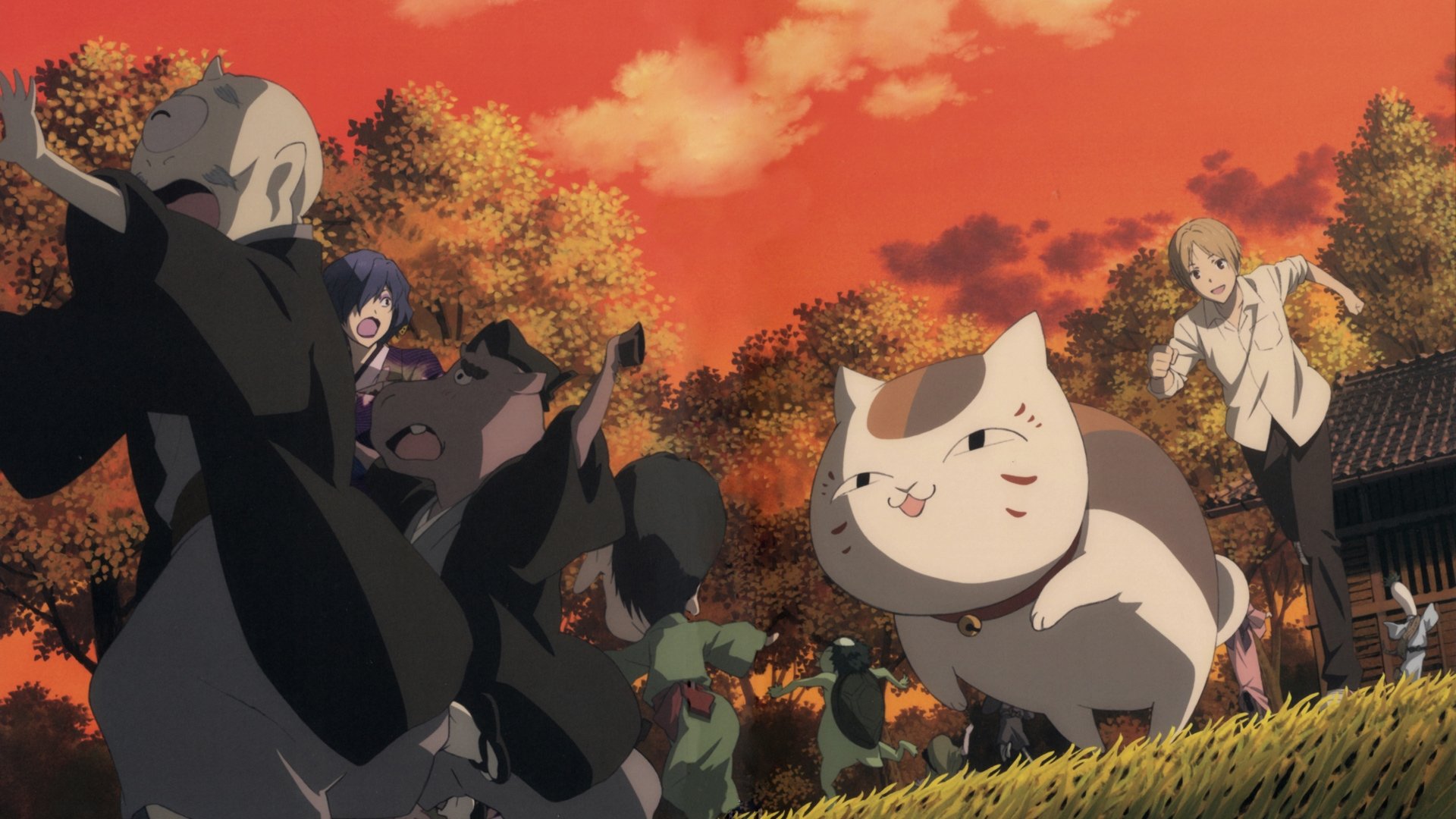
Anime that breathe the same air
Series built on atmosphere, folklore, and quiet observation

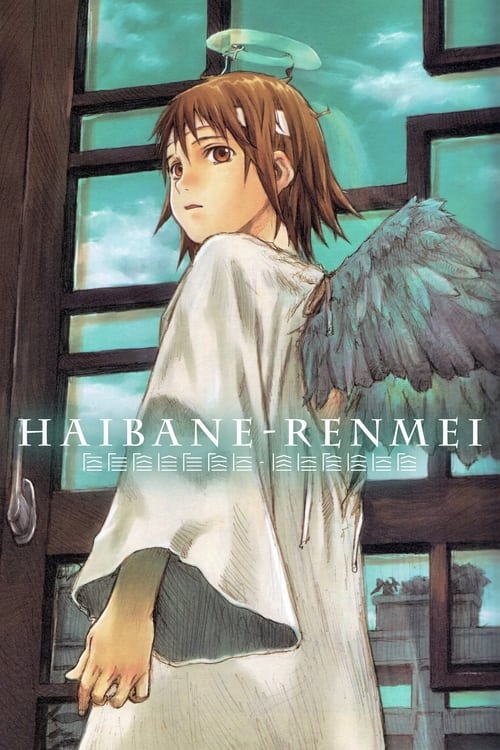



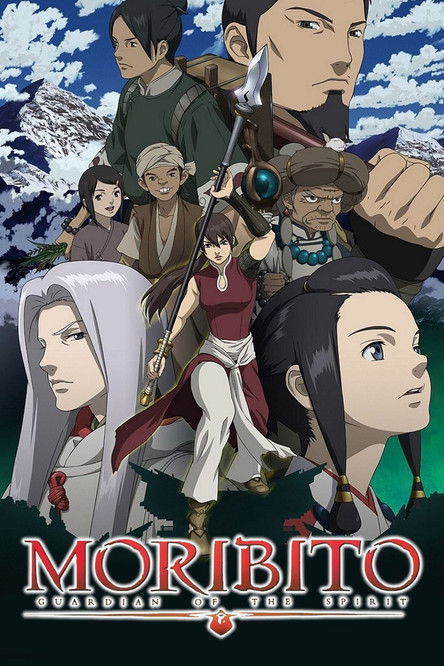

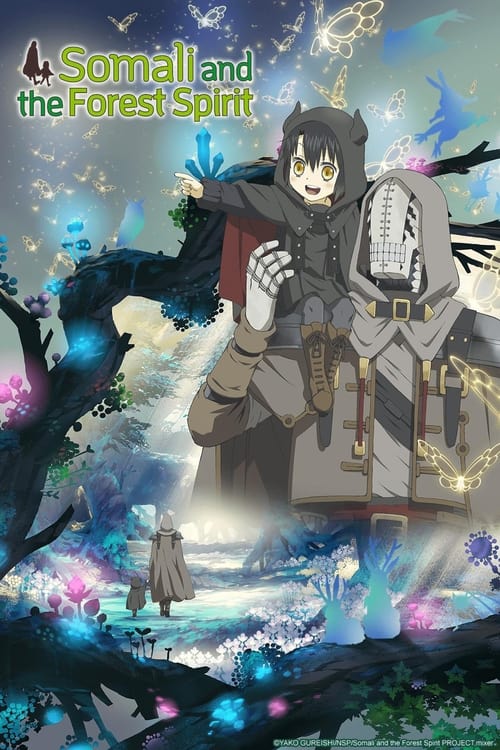
Films: the spirit world on screen
Cinema that shares Mushishi's sense of the numinous and the natural



Books: folklore, spirits, and wanderers
Novels and manga that explore the same mythic, contemplative terrain


Games: solitude, nature, and wonder
Games that reward stillness and reward careful attention to the world







The wanderer as the story
Ginko is not a hero who fixes things. He observes, advises, and moves on. His rootlessness is structural: staying in one place too long would draw mushi to the people around him. This makes him one of the most unusual protagonists in anime, a figure defined by departure rather than arrival. Mushishi understands that the wanderer archetype is not about freedom so much as obligation: Ginko carries knowledge that isolates him. Series like Kino's Journey and Spice and Wolf circle the same idea from different angles, and the comparison always illuminates something new about what it means to be a traveler rather than a settler.
Ecology as spirituality
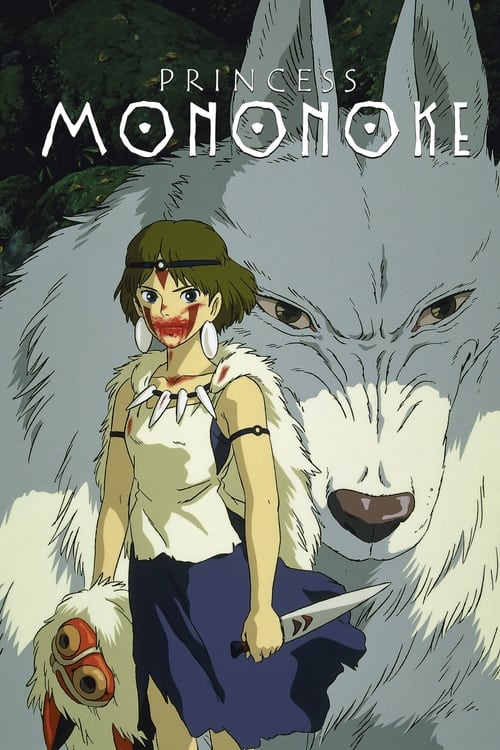
What makes Mushishi's mushi compelling is precisely that they are not monsters and not gods. They exist in a continuum with ordinary life, representing a layer of reality most people cannot perceive. This is ecology as much as folklore: Urushibara builds a world in which the human and the non-human are entangled in ways that are neither romantic nor threatening, simply true. Princess Mononoke pushes a similar idea into epic register; Nausicaa extends it into science fiction; Okami finds it in a mythologized Japan where gods and nature spirits share the same stage.
Silence as craft
Mushishi's soundtrack by Toshio Masuda is long passages of near-silence punctuated by sparse acoustic guitar and koto. The direction by Hiroshi Nagahama trusts that space between words matters as much as the words themselves. This is rare in any medium. Games like Journey and Flower have tried for the same effect and largely achieved it; the comparison is not just superficial (both involve traversal and discovery) but structural: in all three works, what you are not told is doing most of the work.
Folklore as a living archive
Urushibara drew on Japanese folklore, rural legend, and Lafcadio Hearn's nineteenth-century collections of ghost stories to build Mushishi's world. Hearn's Kwaidan remains the best companion text: the same unsettling tenderness, the same insistence that the spirit world and the human world were never fully separate. Reading Hearn alongside watching Mushishi deepens both. Ugetsu Monogatari, both the Kenji Mizoguchi film and the Ueda Akinari stories it draws from, works the same vein from classical Japanese literature.
A lineage of the quiet and the uncanny
- 1904Lafcadio Hearn publishes Kwaidan, the foundational English-language collection of Japanese ghost stories
- 1959Ugetsu wins the Silver Lion at Venice, establishing Japanese ghost cinema's international reputation
- 1965Kwaidan adapts four Hearn stories with expressionist color and silence Kwaidan
- 1984Nausicaa introduces Miyazaki's ecology-as-myth philosophy
- 1997Princess Mononoke brings the human/nature conflict to its sharpest point Princess Mononoke
- 1999Urushibara Yuki begins serializing Mushishi in Monthly Afternoon
- 2005Nagahama's anime adaptation premieres, winning the grand prize at the Japan Media Arts Festival Mushi-Shi
- 2012Journey redefines what a game without words can communicate Journey
- 2014Zoku Shou (second season) returns after nine years and deepens Ginko's world
Quiet, atmospheric, contemplative worlds
For Fans of Studio Ghibli
Explore the For Fans of Studio Ghibli guide →Mushi exist on the boundary of what is alive and what simply is. The job of the mushi-shi is not to destroy that boundary but to understand it.Yuki Urushibara, Mushishi