Released in 2001, Mutter is the record where Rammstein stopped being a provocateur act and became something genuinely monumental. The Berlin sextet brought in strings, brass, and a full orchestra conducted by Christian Kolonovits, then buried them under walls of distorted guitar and Till Lindemann's stentorian baritone. The result was industrial metal with operatic scale: every track felt like a short film scored for the end of civilization. Fans of Mutter are not chasing aggression for its own sake. They are chasing the feeling of something enormous and precisely controlled, the sense that darkness can be made beautiful through craft and discipline. This guide follows that thread across cinema, literature, games, and the music that lives nearest to it.
Essential Rammstein
The records that define the band's arc, from industrial origins to orchestral metal peak.
Same Darkness, Different Architecture
Albums that share Mutter's balance of orchestral weight and metal brutality.
Strings did not soften Rammstein. They made the violence more precise.
The conventional wisdom when Mutter arrived was that orchestration would dilute the band's aggression, turn them radio-friendly. The opposite happened. Placing a string section behind 'Sonne' or 'Ich Will' gave each riff a frame, which sharpened the impact rather than cushioning it. The orchestra says: this brutality is intentional and considered. It is the same principle that makes Verdi's requiem terrifying where a louder rock band would just be noisy.
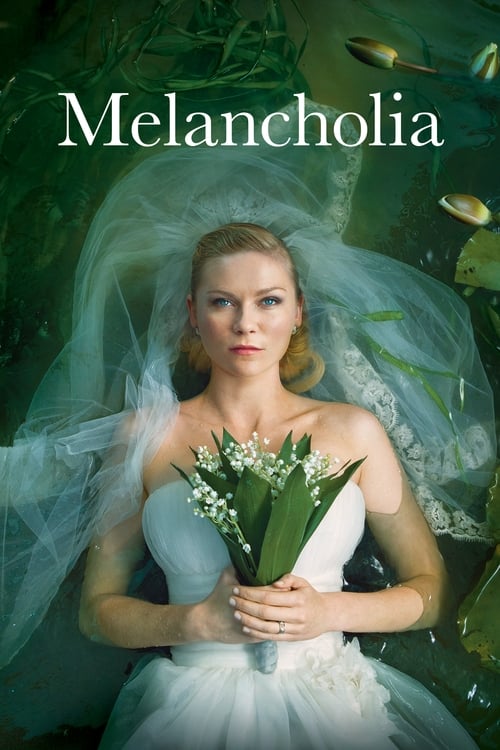
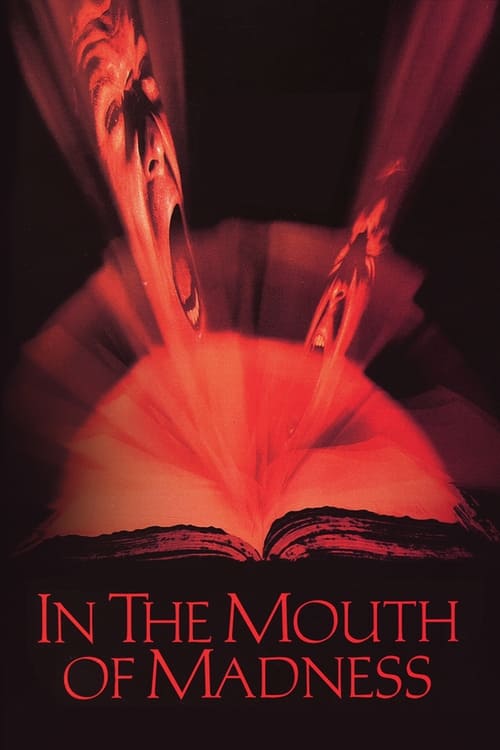
Films That Feel Like a Rammstein Video
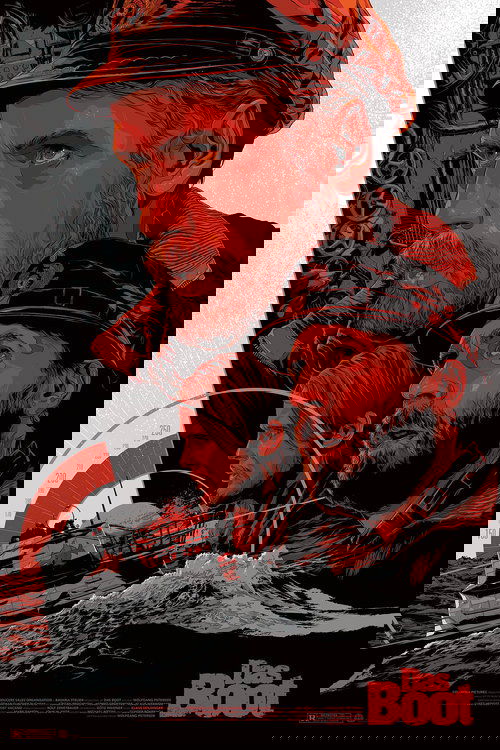
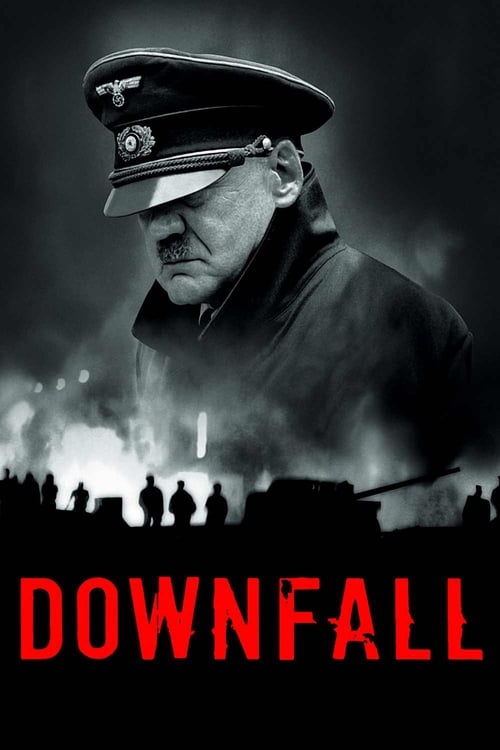
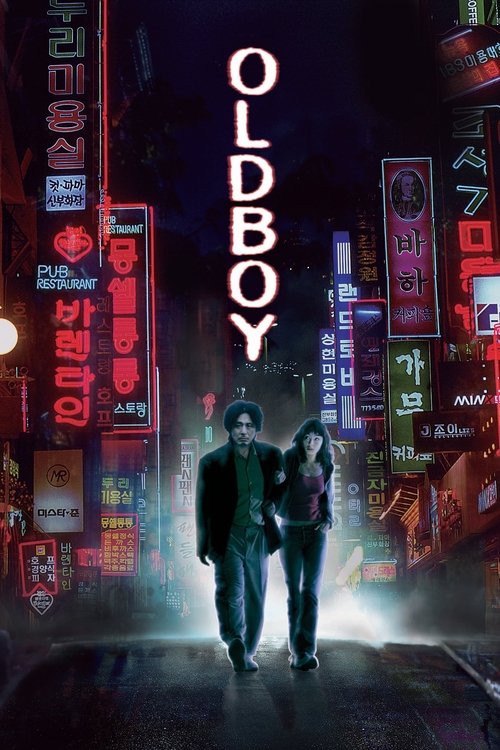
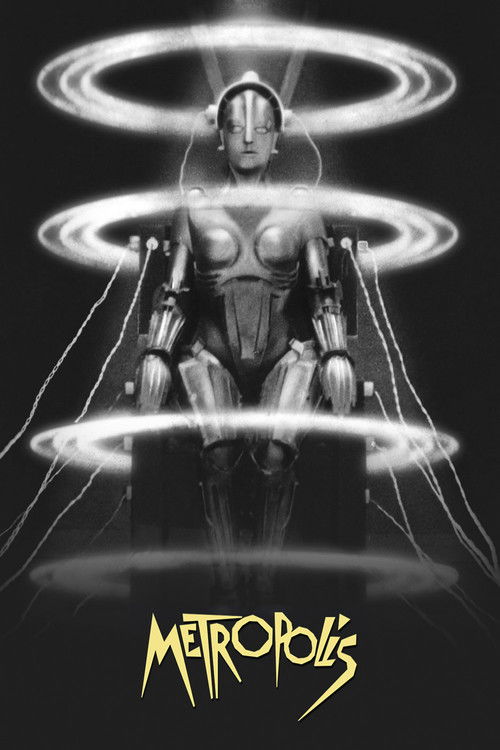
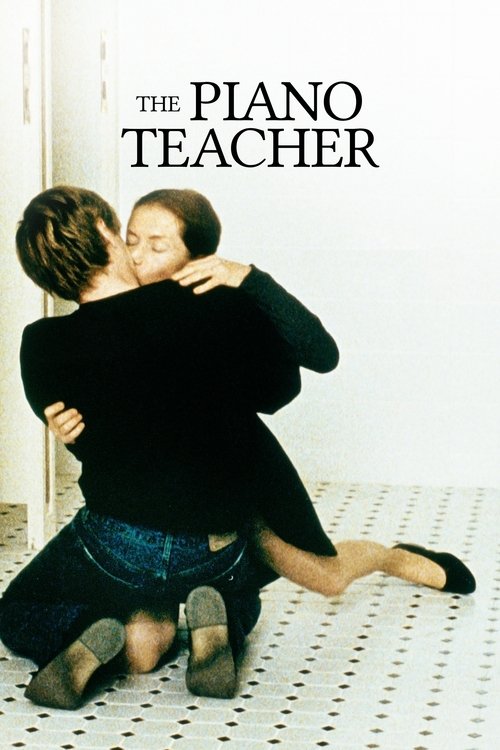
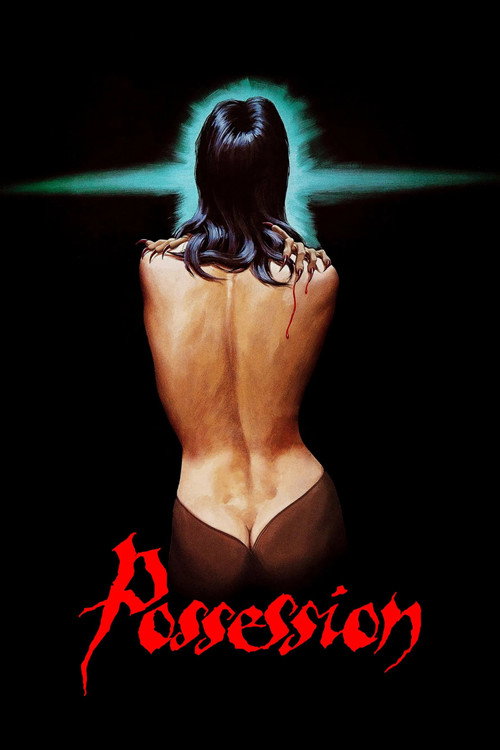
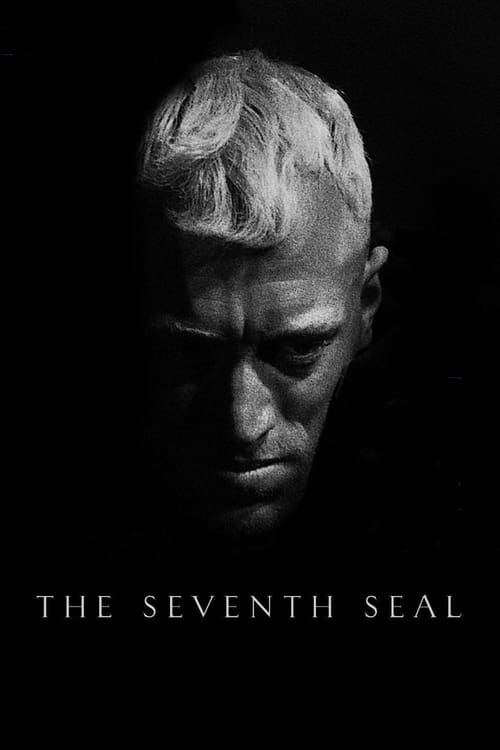
Movies with the same operatic scale, Germanic darkness, and fascination with beauty built from violence.


Series With the Same Controlled Menace
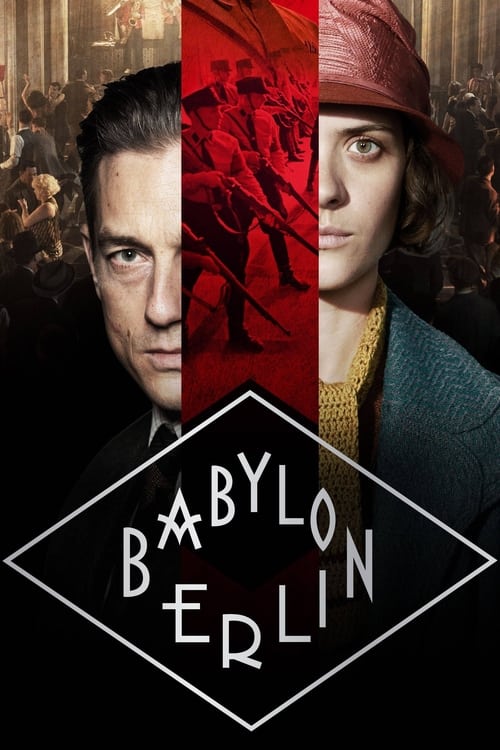
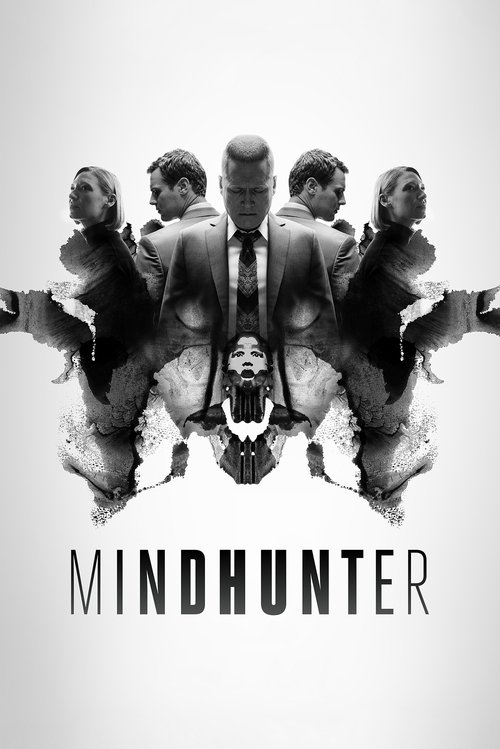
Television that builds dread through atmosphere and moral complexity rather than cheap horror.

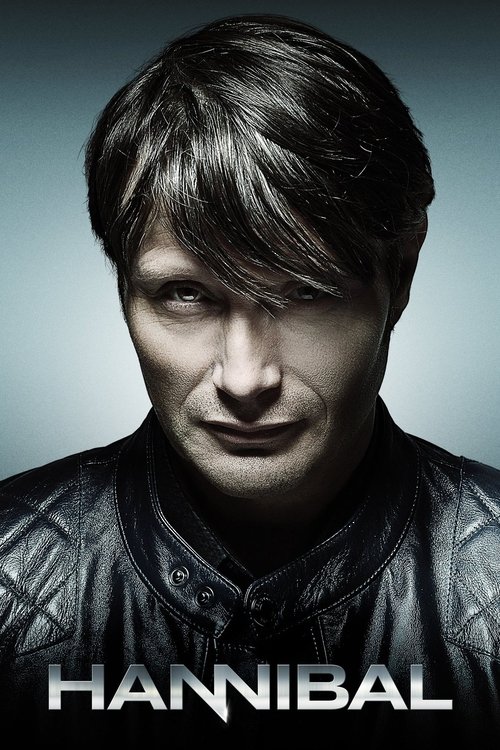


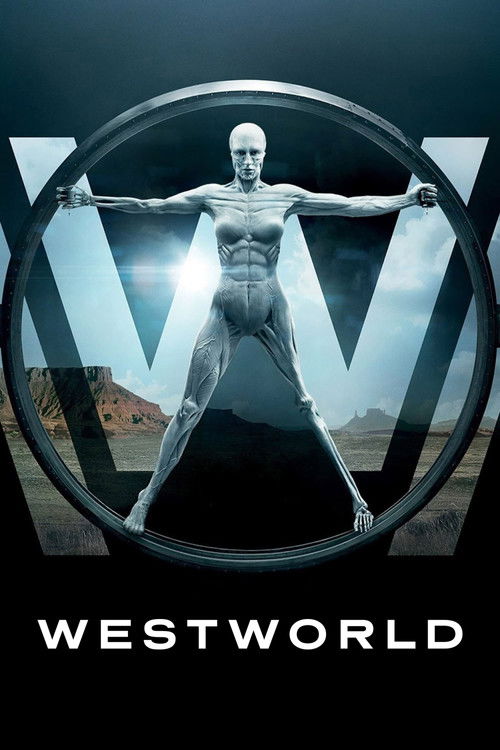
Rammstein belongs to a specifically German tradition of confronting the nation's own imagery.
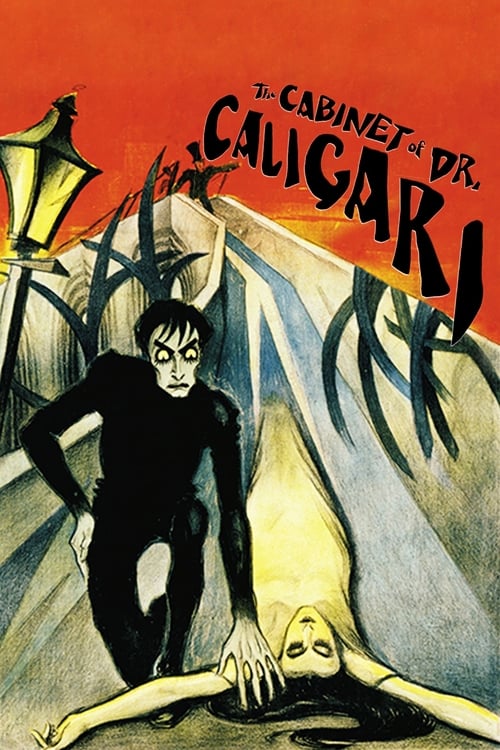
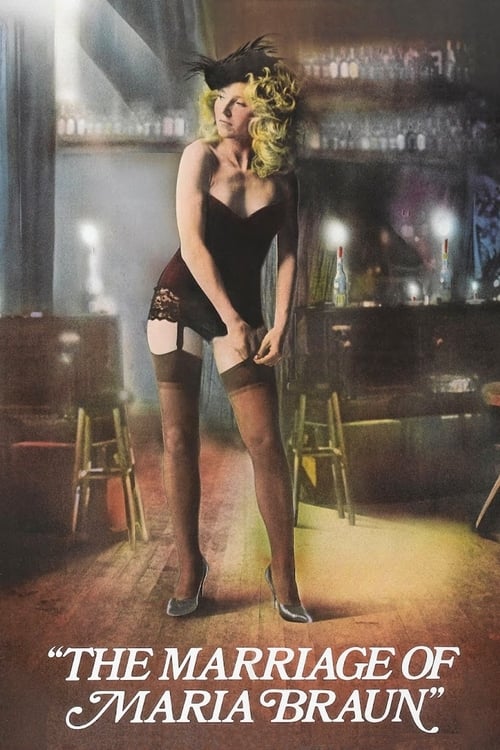
The band's use of Expressionist aesthetics, Leni Riefenstahl references, and imagery drawn from German Romanticism is not accidental provocation. It sits inside a long postwar artistic conversation about how a culture re-inhabits its own visual history. Kraftwerk started it with industrial minimalism. Fassbinder did it in cinema. Rammstein does it with pyrotechnics and irony so dry that audiences abroad often miss it entirely, while German critics immediately understood the mode. Mutter is their most controlled and least transgressive record, which is exactly what makes it the best entry point.
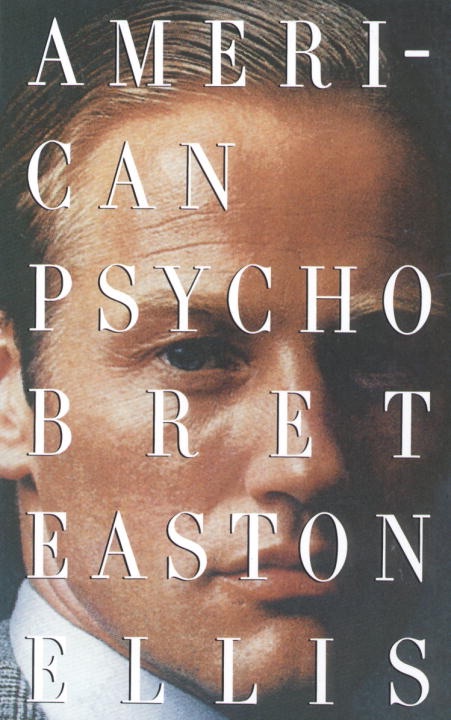
Books for the Darkness Rammstein Keeps Returning To
Novels and short fiction that share the band's preoccupation with myth, violence, and the human interior.



The orchestra is not decoration. It is the reason every riff lands like a verdict.On the production philosophy of Mutter
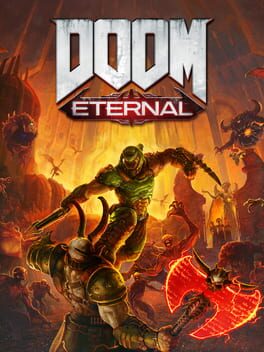
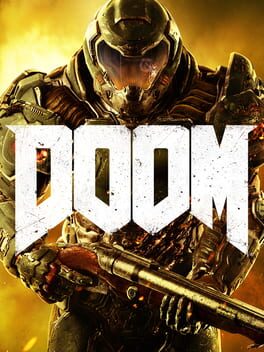
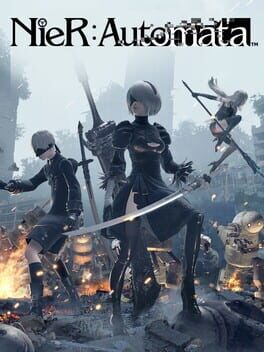
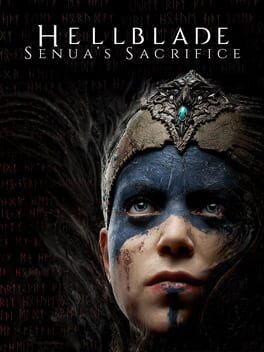
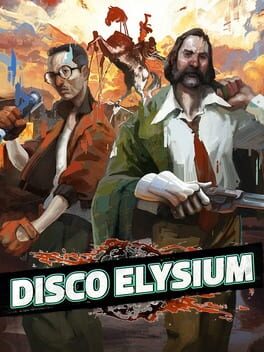
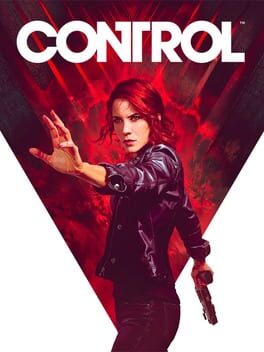
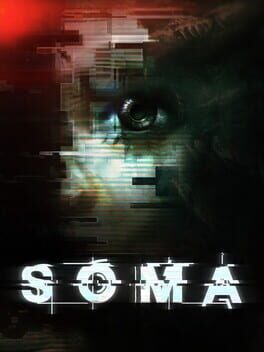
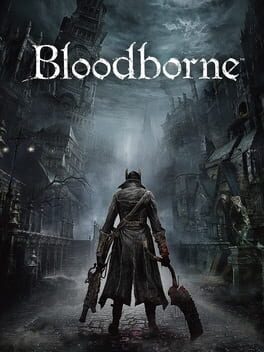
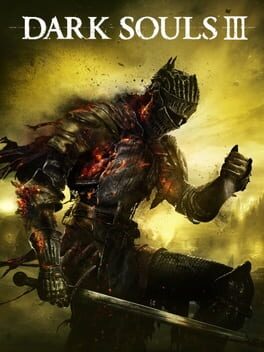
Games Built on Industrial Atmosphere and Operatic Dread
Games whose sound design, pacing, and world-building live in the same register as Mutter.
Rammstein and the World That Made Them
- 1989The Berlin Wall falls; the band members, all East Germans, begin finding each other in the reunification chaos.
- 1994Rammstein forms in Berlin, named after a 1988 air show disaster.
- 1995Debut album released, raw and industrial. Herzeleid
- 1997Second album breaks the band internationally after appearing on the Lost Highway soundtrack. Sehnsucht
- 2001Mutter released: full orchestra, six-month recording process, the definitive record. Mutter
- 2004Reise, Reise expands the sonic palette further with Russian and Eastern European influences. Reise, Reise
- 2009Liebe ist für alle da released; banned in Germany briefly for explicit artwork. Liebe ist für alle da
- 2019Self-titled comeback album, first record in ten years, debuts at number one across Europe.
- 2022Zeit continues the orchestral direction; band plays to stadium audiences across three continents. Zeit
Till Lindemann is not a vocalist. He is a character actor who happens to sing.
His baritone has almost no range by classical standards. What it has is absolute command of a single register: the declarative, the pronouncement, the thing stated rather than pleaded. Every lyric Lindemann delivers sounds like a sentence being handed down. Combined with the theatrics of the live show (fire, prosthetics, elaborate staging), he represents a tradition of performer-as-persona that owes more to opera and German Expressionist theatre than to rock. The songs on Mutter were built around that quality rather than in spite of it.