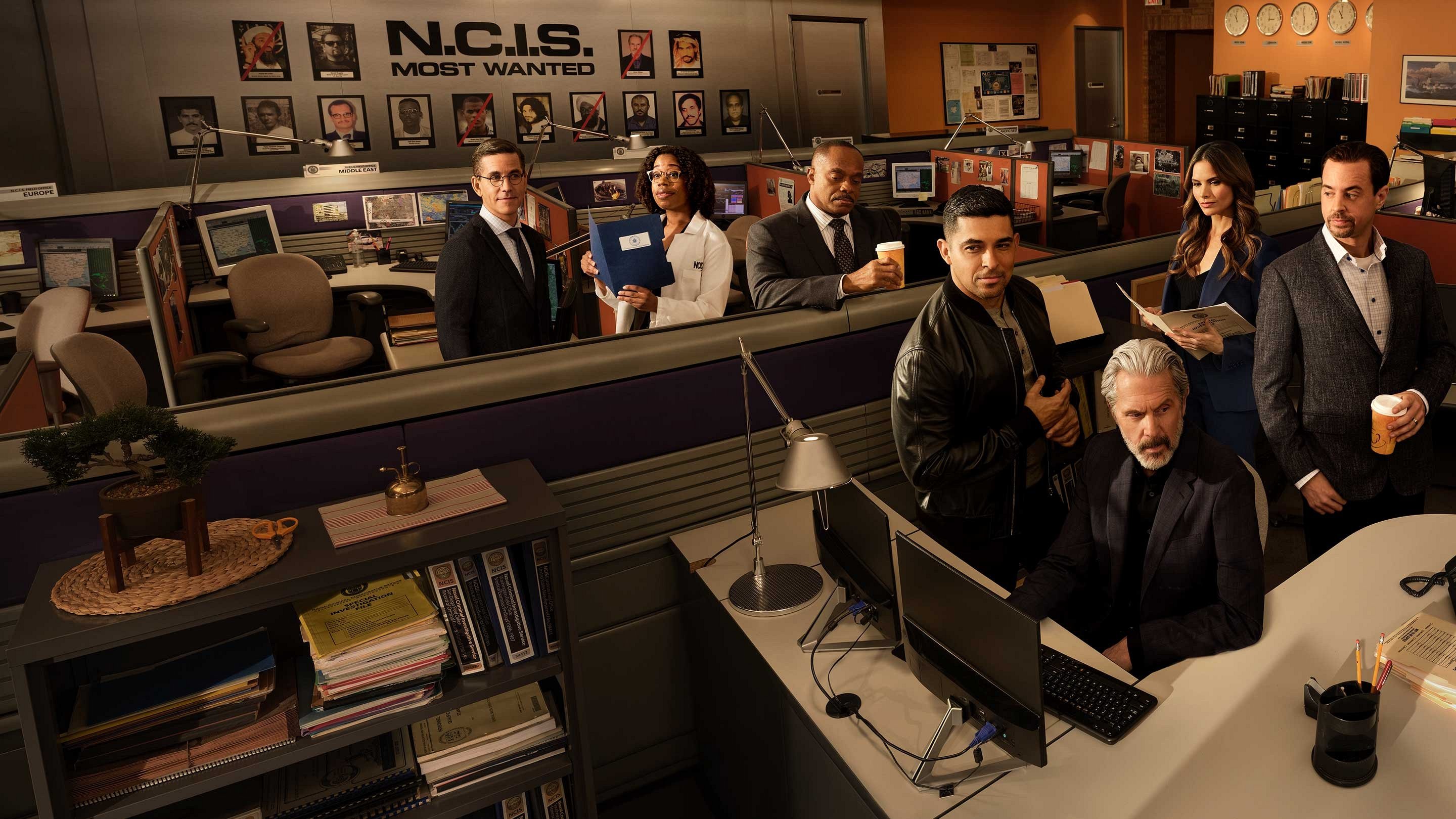

NCIS has been network television's quiet giant for over twenty years, and the reason is simpler than its procedural format suggests: the cases are the engine, but the team is the point. Gibbs's rules, Abby's lab, DiNozzo's movie references, McGee's tech anxiety, Ziva's precision. Fans keep returning not to solve the crime but to spend time with people who feel genuinely earned. The show sits at the crossroads of military culture, Washington D.C. politics, and tight-knit ensemble dynamics, seasoned with dry humor and just enough darkness to give the procedural beats real weight. If any of that pulls you, there is a wide shelf of TV, film, fiction, and interactive storytelling that scratches the same nerve.
Essential NCIS
The core franchise and the episodes, seasons, and spinoffs that define what the show does best.

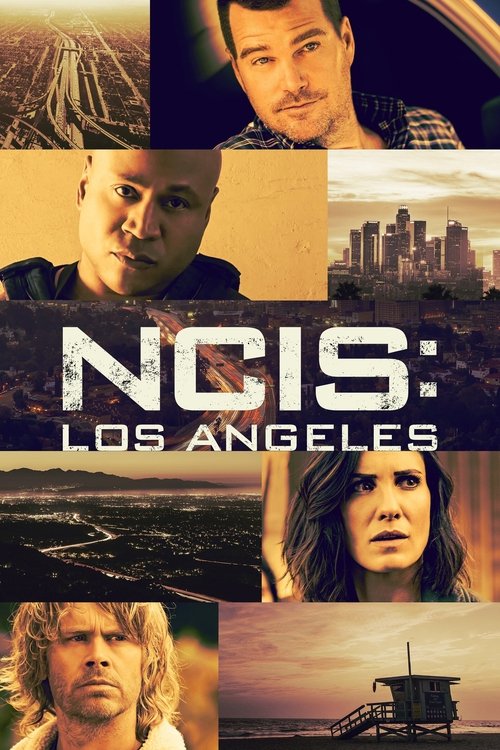
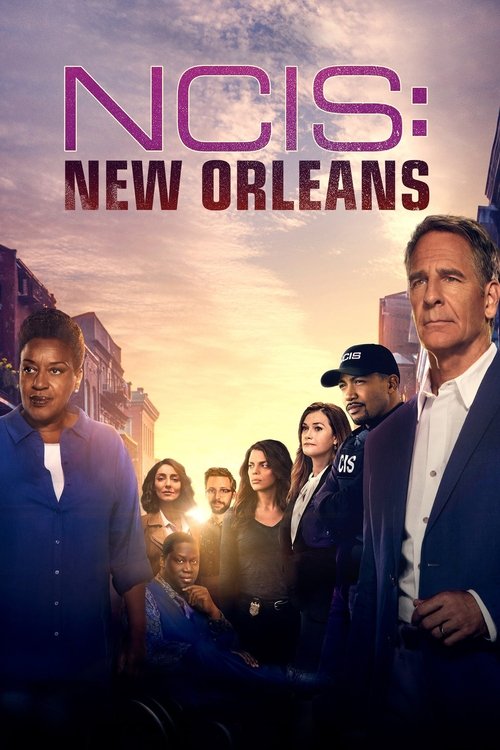
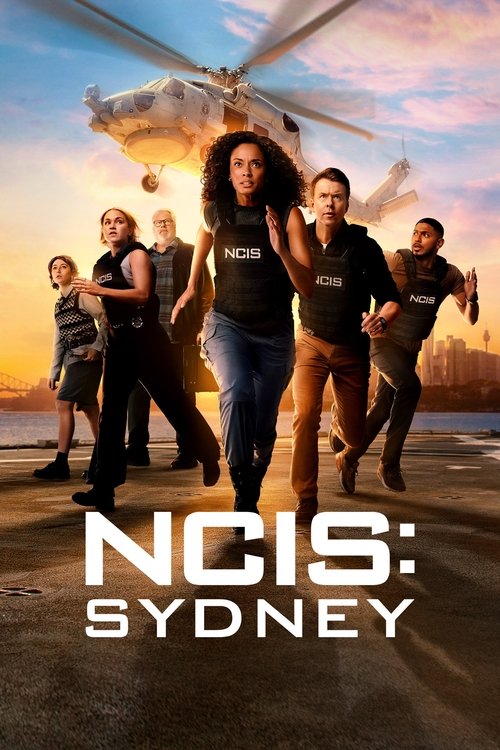
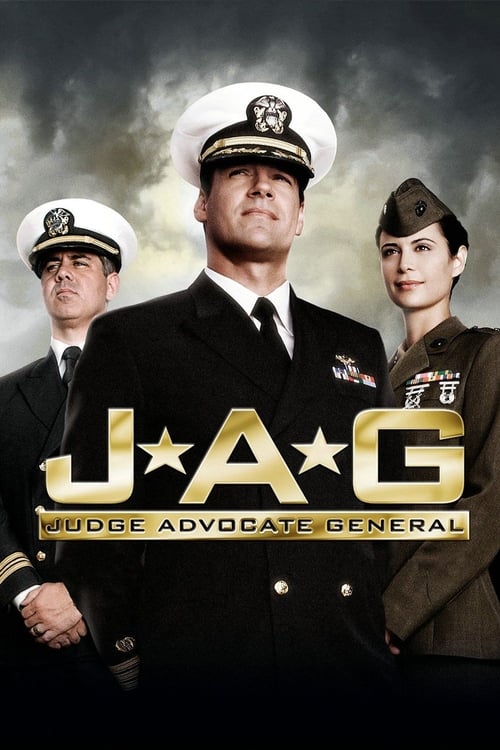
The Procedural Family
Series that share NCIS's rhythm: ensemble-driven, case-of-the-week structure, genuine team chemistry underneath the crime.




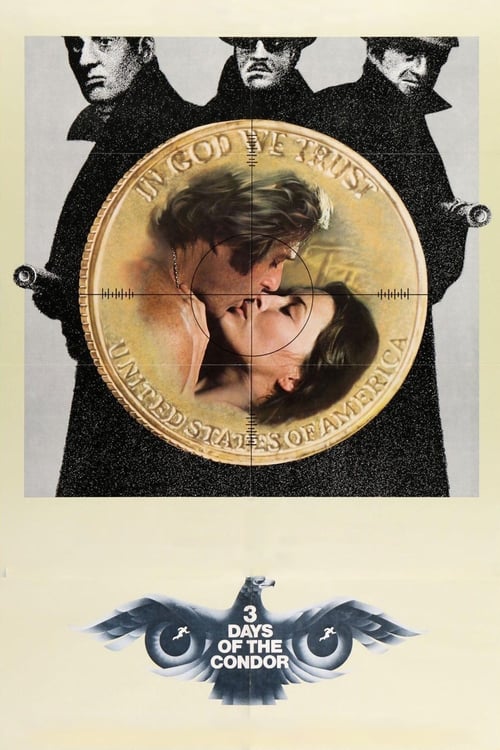
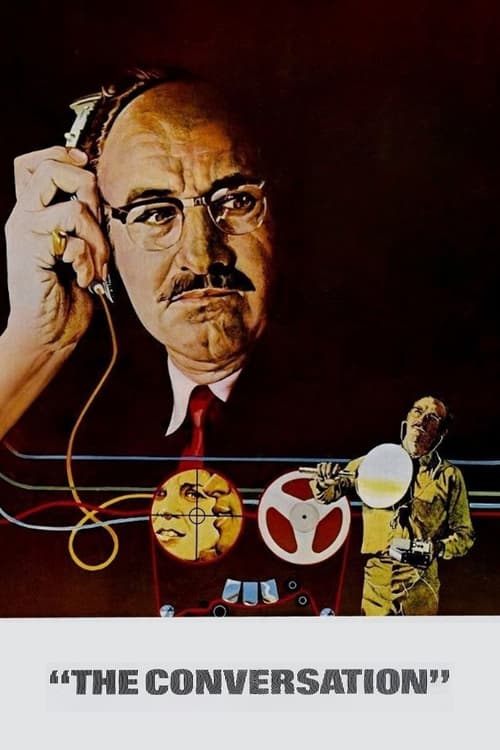
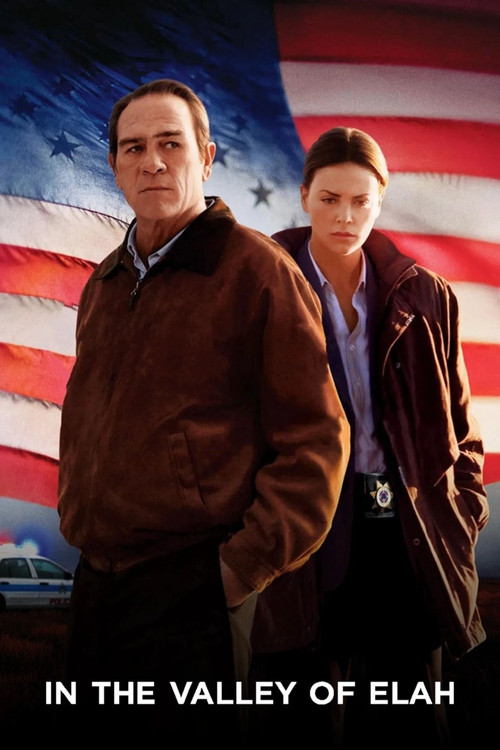
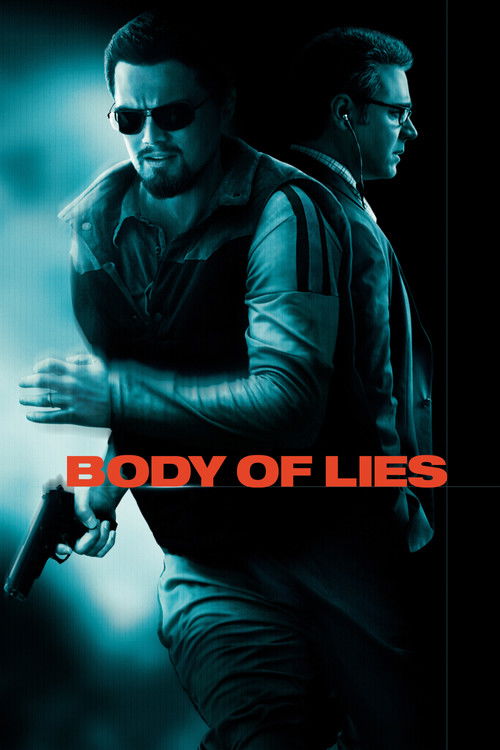
Military and Intelligence on Screen
Films and series that take the military-intelligence milieu seriously, the same world NCIS inhabits between cases.




Forensic Fiction: The Books Behind the Lab
Novels and series that put the science of crime investigation front and center, the literary tradition NCIS's lab scenes draw from.


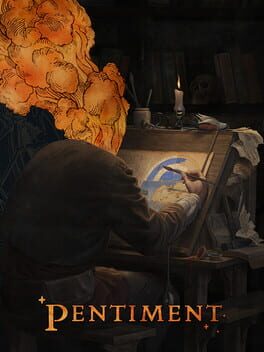
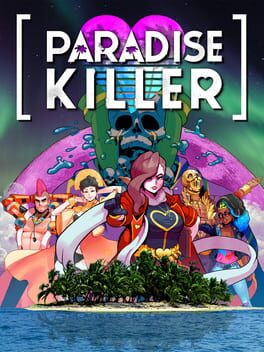
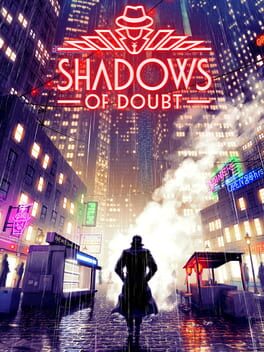
Investigate, Deduce, Solve: Games That Put You in the Field
Games that channel the investigation loop, the piecing together of evidence, the interrogation, the reveal.
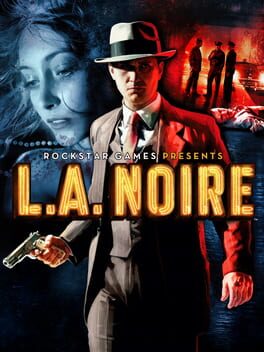
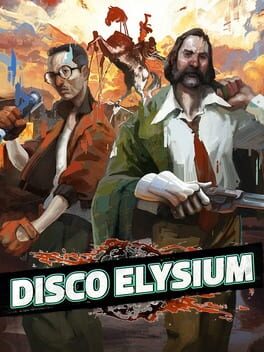

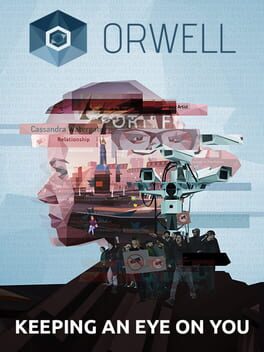
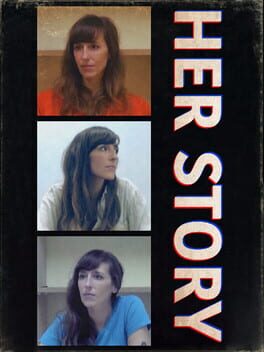

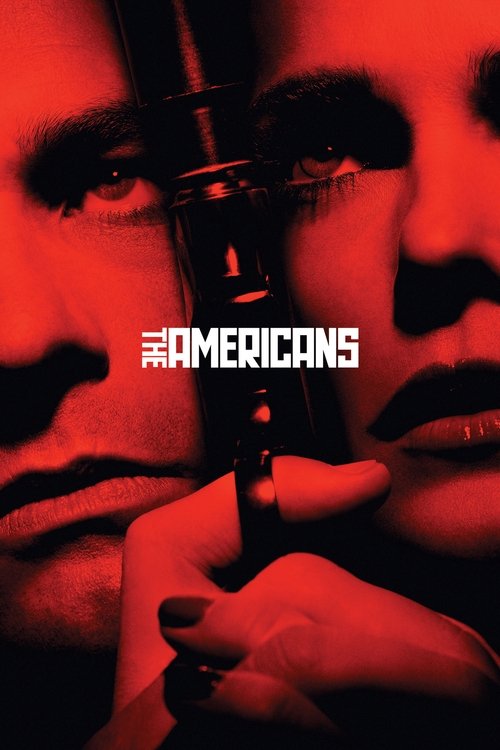
Spy Craft and Moral Complexity: Deeper Cuts on Screen
For fans ready to trade the procedural formula for something thornier, these series and films stay in the intelligence world but darken the picture.

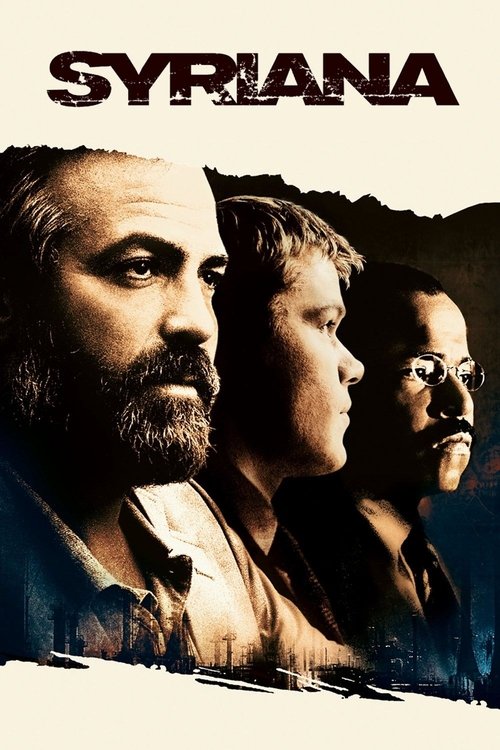
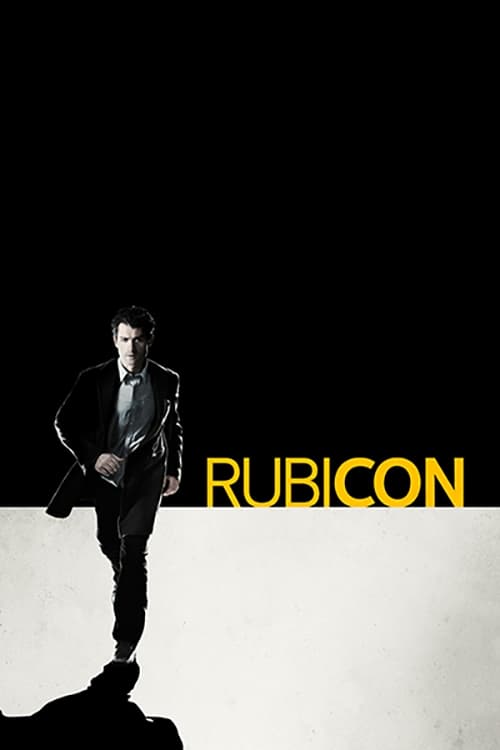
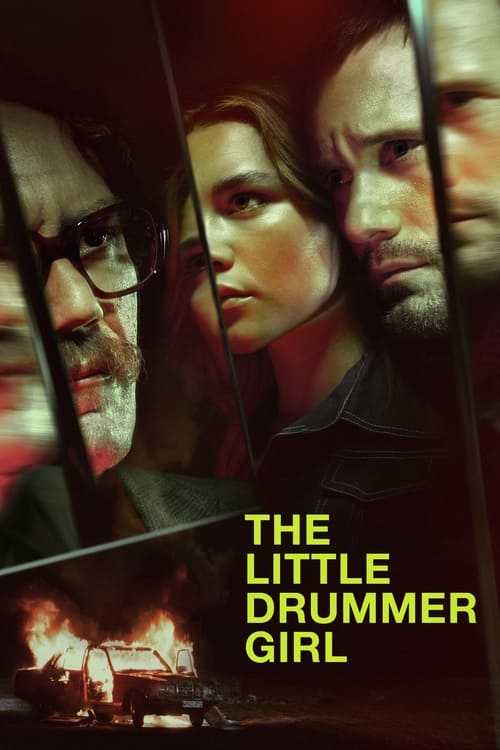
The Gibbs Rule Is a Philosophy, Not a Gimmick
What separates NCIS from interchangeable procedurals is that its lead character has an ethical code precise enough to function as a running argument about how to live. Gibbs's numbered rules are not punchlines, they are the show's moral skeleton. The best long-running crime series all share this: a central figure whose principles create friction with institutions they nominally serve. That tension is where the real story lives.
Forensic Procedurals Taught a Generation to Respect the Lab
Before CSI and NCIS, the scientist in a crime story was a supporting character. These shows repositioned forensic science as the protagonist of the investigation, a shift that had real cultural effects on how people understand evidence and expert testimony. Patricia Cornwell was doing this in fiction a decade earlier, and the overlap between readers of her Kay Scarpetta novels and viewers of NCIS is not a coincidence.
L.A. Noire Remains the Most Honest Translation of Procedural TV Into a Game
Every investigation game is implicitly in conversation with the procedural tradition, but L.A. Noire is the one that took the central mechanic seriously: reading a face, watching for the tell, deciding whether to press or accept. The frustration when you call it wrong mirrors the feeling of a good NCIS episode where the team was pointed at the wrong suspect for forty minutes. The game's willingness to make the player feel that frustration rather than route around it is what makes it worth playing.
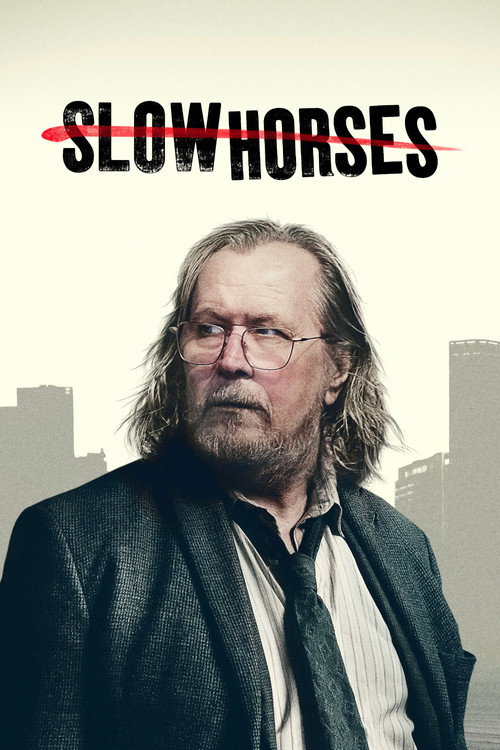
Slow Horses Is What Happens When the Ensemble Comedy Turns Corrosive
NCIS fans who want the team dynamics but are ready for something angrier and funnier should go straight to Slow Horses. The Slough House agents are the cast of a procedural that has been comprehensively humiliated by their institution, and the show is interested in what loyalty and competence look like when they go unrewarded. The banter is sharper, the politics dirtier, and the consequences more permanent.
How the TV Investigation Drama Got Here
- 1968Colombo premieres in its pilot film form, establishing the inverted-mystery format where the audience knows the killer from the start.
- 1990Patricia Cornwell publishes the first Kay Scarpetta novel, putting forensic pathology at the center of crime fiction. Postmortem
- 1995JAG launches on NBC, creating the military-legal procedural DNA that NCIS would later inherit directly. JAG
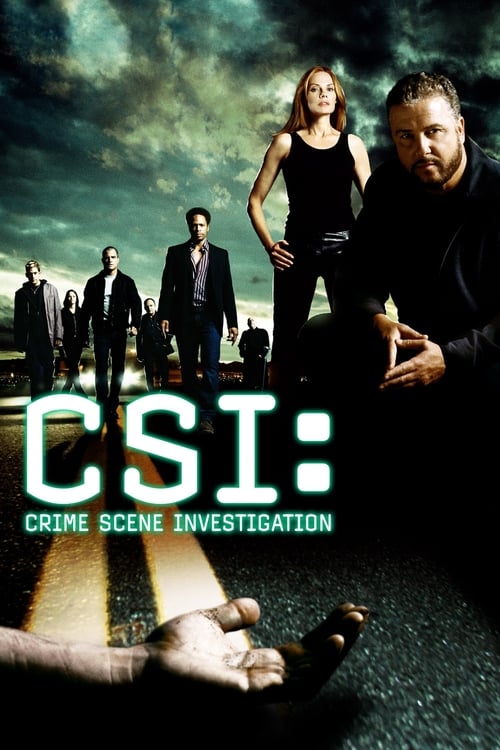
- 2000CSI: Crime Scene Investigation premieres, making forensic science the primary lens of prime-time crime drama. CSI: Crime Scene Investigation
- 2003NCIS premieres as a JAG spinoff and quietly begins its ascent toward the most-watched drama on American television. NCIS
- 2011L.A. Noire releases, bringing investigation mechanics to open-world games with motion-captured interrogation sequences. L.A. Noire
- 2015Her Story inverts the investigation format entirely: the player watches police interview footage out of sequence and reconstructs events. Her Story
- 2022Slow Horses adapts Mick Herron's Slough House novels, finding immediate critical acclaim for its corrosive take on intelligence-service loyalty. Slow Horses
The most durable procedurals are not about solving crime. They are about the people who show up to do it, together, reliably, across years.CrossBinge editorial