

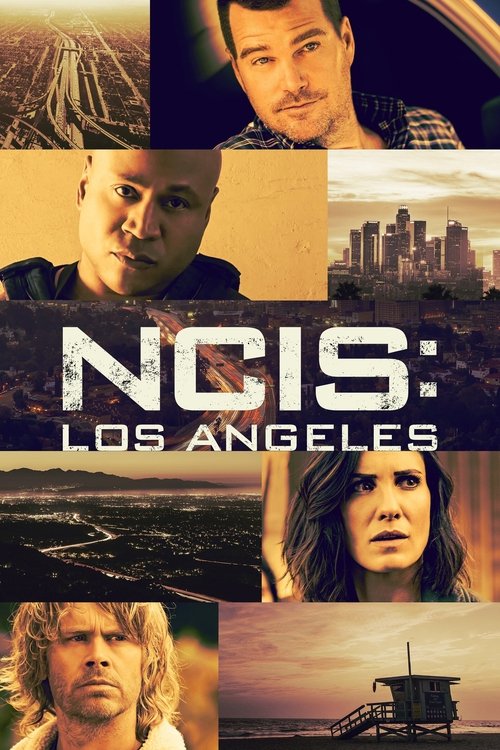
NCIS: Los Angeles ran for fourteen seasons (2009-2023) and never pretended to be anything other than what it was: a glossy, sun-drenched procedural about federal agents who operate in the shadows, rely on each other completely, and occasionally banter their way through a firefight in Malibu. The show's gravitational core was always the partnership between Callen and Sam, two people whose cover identities were sometimes more detailed than their real ones. Around them grew one of broadcast TV's most genuinely affectionate ensemble casts. What fans tend to love is not the case-of-the-week but the texture underneath it: the covert tradecraft, the moral complexity of operating outside public oversight, the Southern California geography used as a character in itself, and the warmth of a team that functions as a surrogate family under pressure. That combination, procedural rigour plus emotional investment plus a touch of espionage mythology, is the thread that runs through everything recommended here.
Essential NCIS: Los Angeles
The best of fourteen seasons, from the pilot's origin reveals to the series finale's long-overdue payoffs.
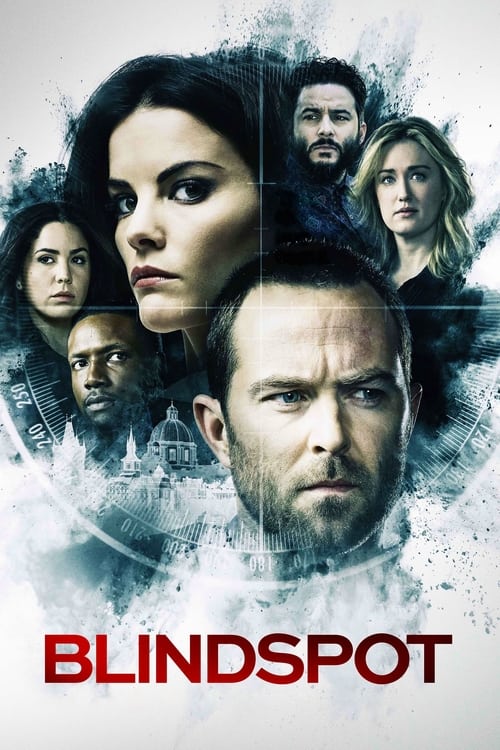
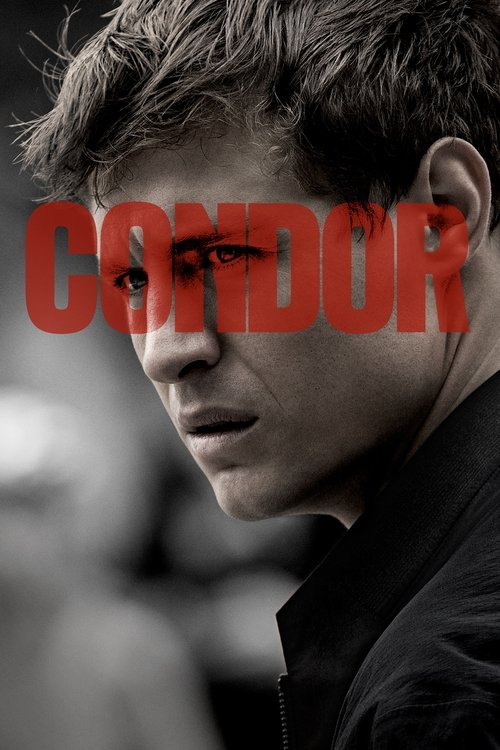
If You Love the Undercover Life
TV series built around agents who wear other faces for a living, where identity and loyalty are always in tension.

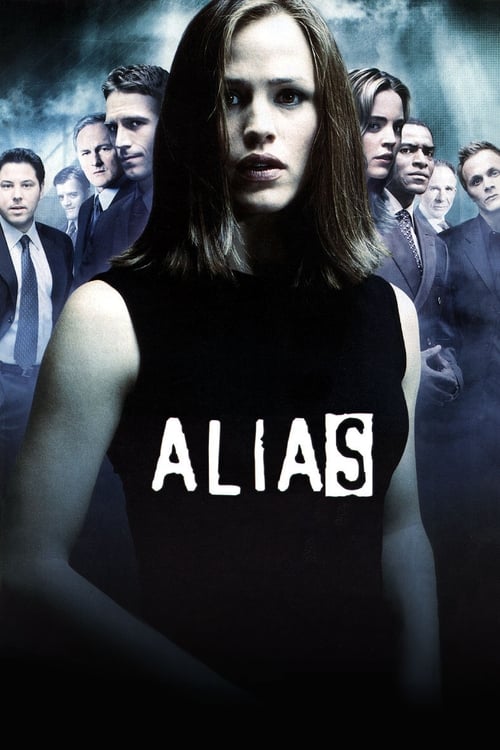
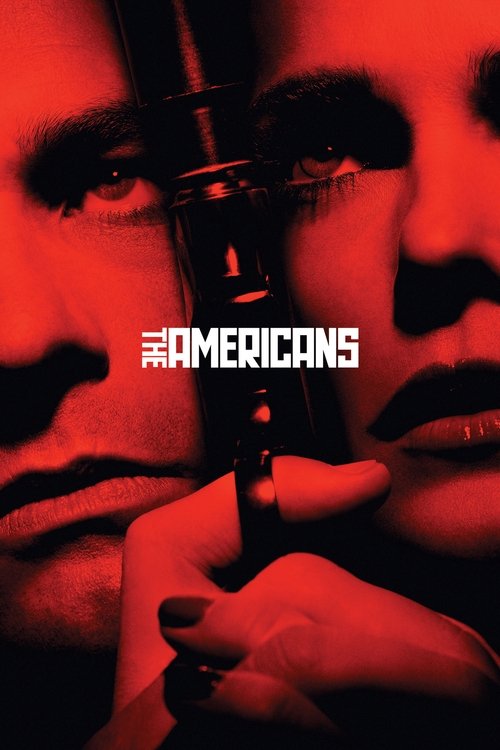

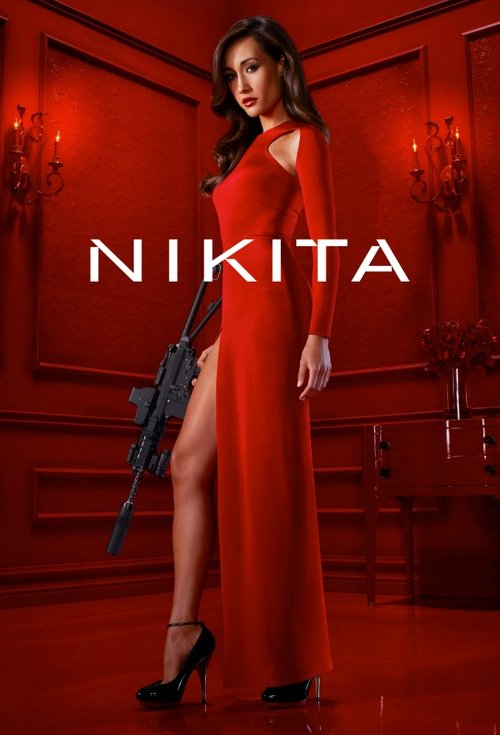
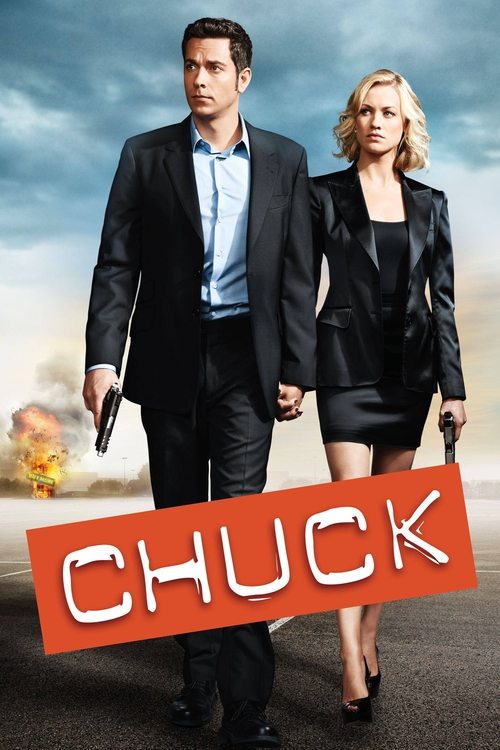


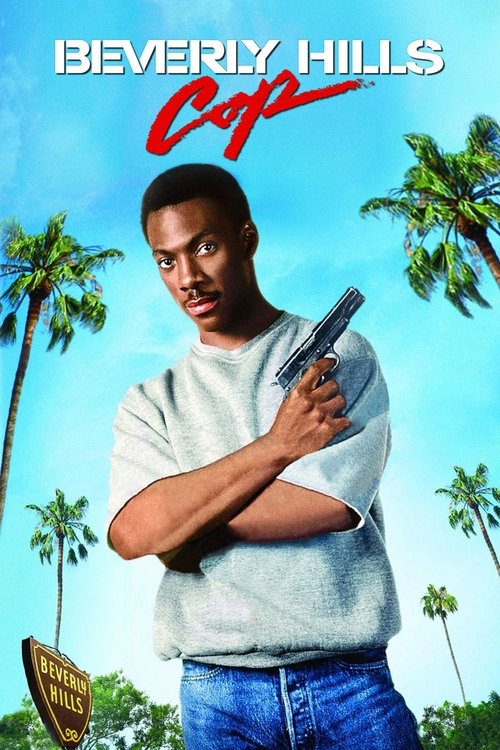
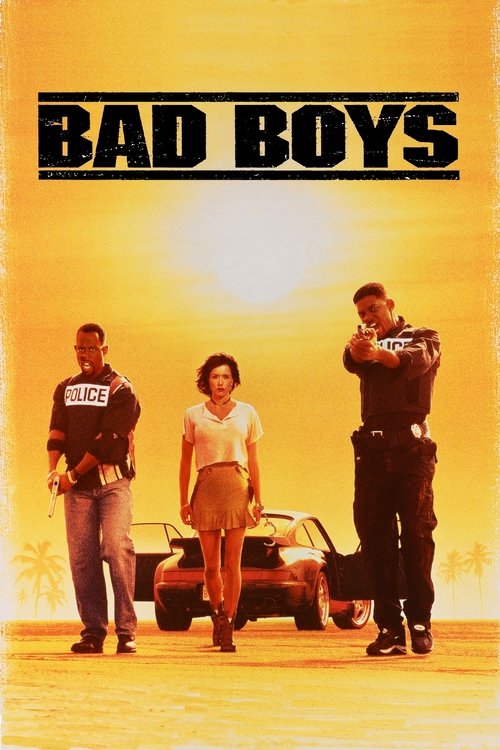
Sun, Sand, and High Stakes
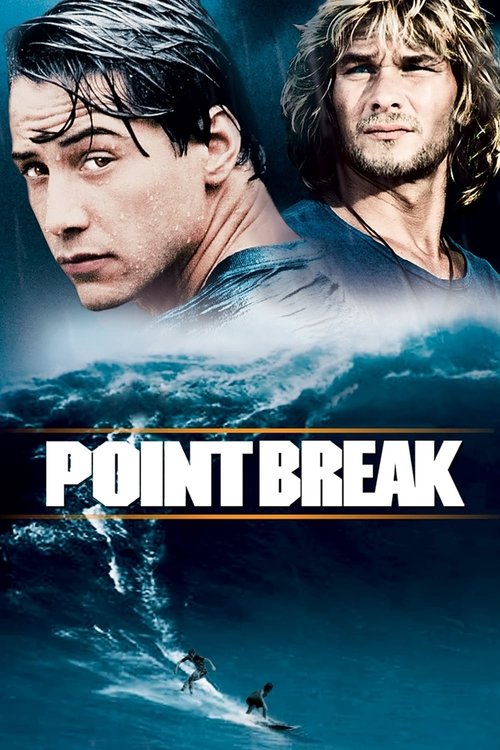
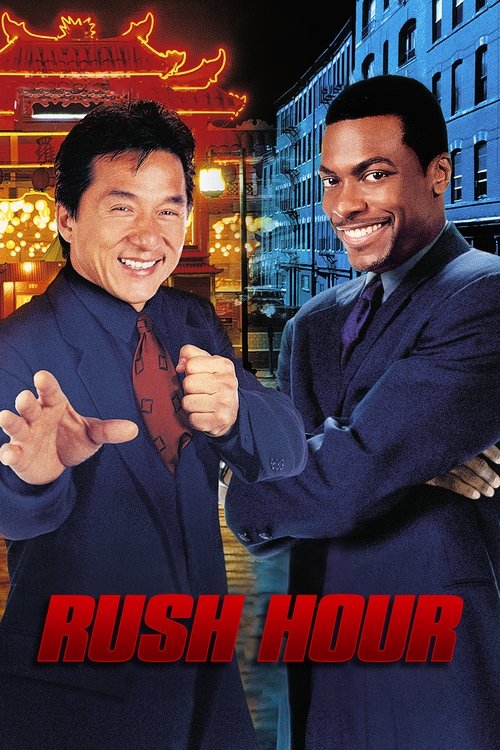
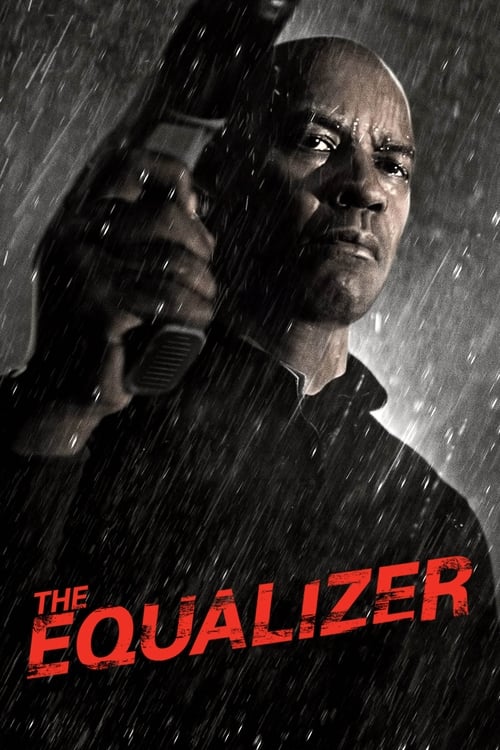
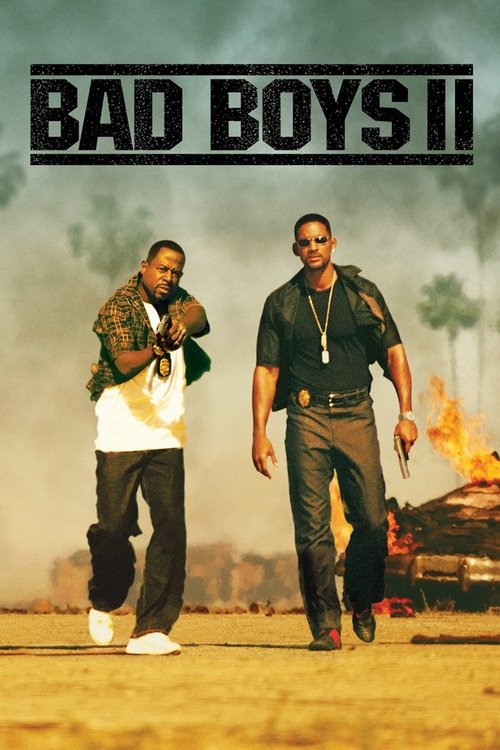
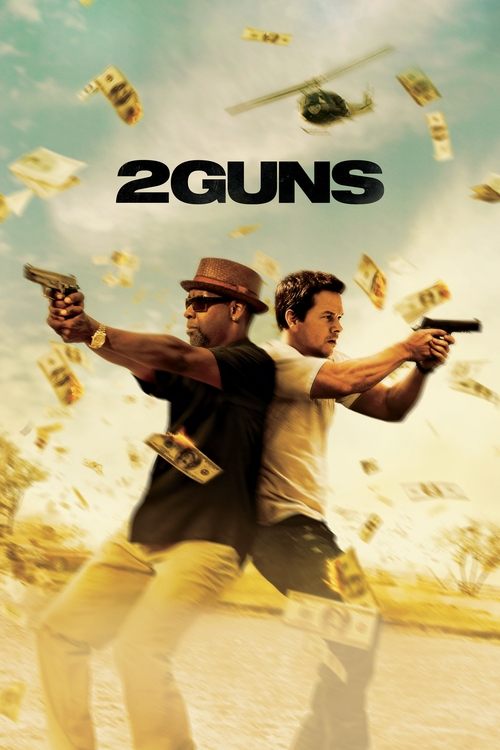
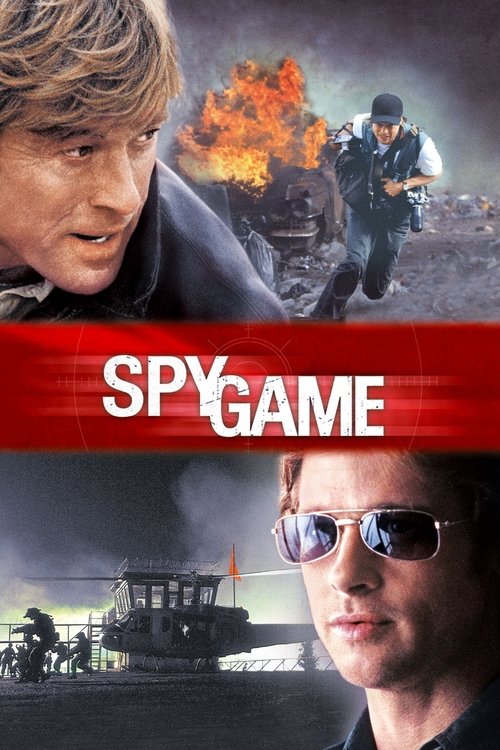
Films that share the show's coastal California energy and its blend of slick action with genuine character warmth.

The Tradecraft Bookshelf
Novels and non-fiction for fans who want the espionage and counter-terrorism detail the show gestures at, written in full.


Operatives in the Field: Games
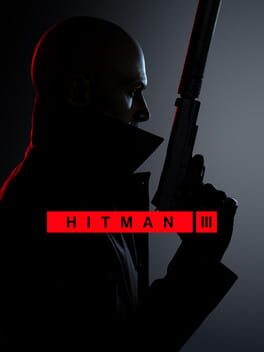
Games that put you inside the undercover agent or special-forces fantasy the show dramatises every week.
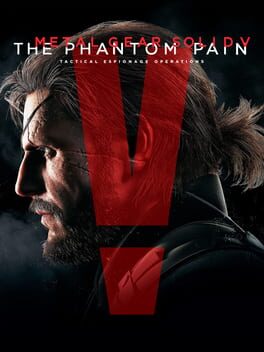
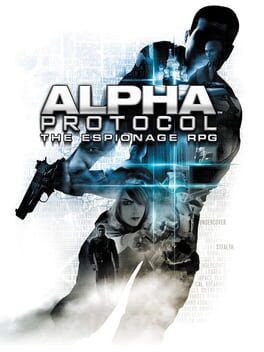
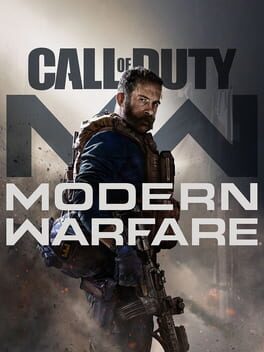
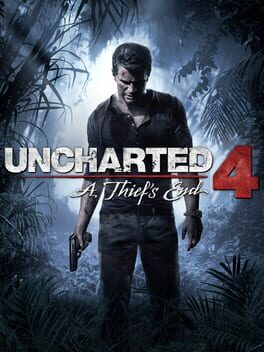
The Hetty Problem Is Actually the Show's Greatest Asset
Linda Hunt's Hetty Lange was initially written as an eccentric authority figure dispensing quirky wisdom, but over the seasons she became something stranger and more compelling: a keeper of institutional secrets with genuine blood on her hands. The show was at its best when it refused to let Hetty be purely loveable, and when it forced Callen to reckon with how much of his own life she had quietly controlled. That tension between loyalty and manipulation, between being protected and being managed, is the emotional engine that separates NCIS: LA from lighter procedurals.
Burn Notice Did the Undercover-in-the-Sun Formula Better Than Anyone Gives It Credit For
The two shows aired simultaneously and were regularly compared, often unfairly. Burn Notice leaned harder into its procedural conceit (Michael Westen literally explains tradecraft to the audience in voiceover) and its Miami geography. What it shared with NCIS: LA was an ensemble built on complementary competencies and a refusal to let the protagonist be the only capable person in the room. Both shows understood that the pleasure of this genre lives in watching professionals at work, not in manufactured incompetence.
The Americans Is the Darker Mirror This Show Never Acknowledged
Where NCIS: LA celebrates the undercover life as exciting and ultimately redemptive, The Americans systematically dismantles the same premise. Both shows centre on people who wear fake identities so long they can barely find themselves underneath. The Americans insists on showing the psychological cost at full resolution: the damage to children, to marriages, to any stable sense of self. Watching them back-to-back is one of the most clarifying double-features prestige TV offers about what it means to lie for a living.
Tom Clancy Built the Genre's Foundation and the Debt Has Never Been Properly Acknowledged
The entire American action-procedural canon, on screen and in print, runs through Jack Ryan. The interagency politics, the procedural rigour around counter-terrorism, the faith in competent institutions staffed by imperfect people: all of it was systematised by Clancy in the 1980s and has been recycled ever since. NCIS: LA is many generations removed from that source, but the DNA is legible. Fans who have not read Clear and Present Danger or The Hunt for Red October are missing the structural blueprint.
The Modern American Spy-Procedural: Key Moments
- 1984Tom Clancy publishes The Hunt for Red October, defining the modern techno-thriller template
- 1986Top Gun fuses military competence fantasy with blockbuster spectacle, setting the tone for decades of similar product Top Gun
- 1994Clear and Present Danger adapts Clancy at peak Hollywood ambition, establishing the interagency-thriller as a prestige format Clear and Present Danger
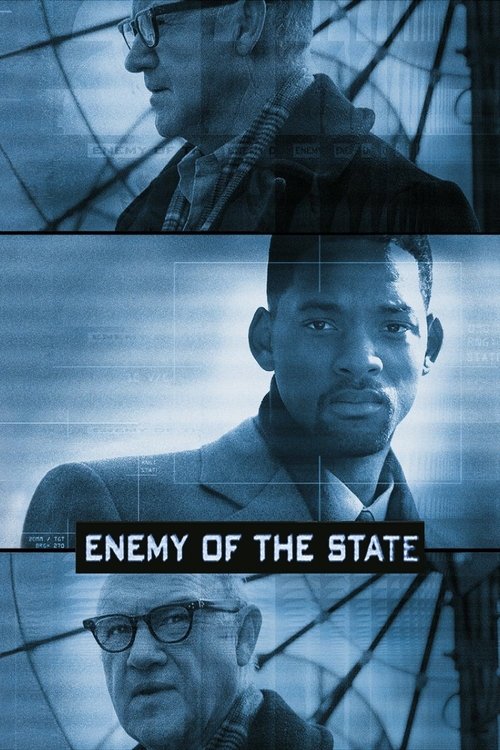
- 1999Enemy of the State brings domestic surveillance anxiety into the mainstream action frame Enemy of the State
- 2001Alias debuts on ABC, proving that a female-led undercover spy show could anchor a network schedule Alias
- 2003NCIS spins off from JAG and quietly begins building what will become broadcast TV's most durable procedural franchise NCIS
- 2007Splinter Cell: Conviction reframes solo operative stealth as an emotional revenge story, influencing how games handle espionage
- 2009NCIS: Los Angeles premieres, anchoring the franchise's West Coast expansion with a character-driven approach NCIS: Los Angeles
- 2010Burn Notice reaches peak audience, demonstrating the appetite for lighter-toned covert operations procedurals Burn Notice
- 2013The Americans enters its stride, redefining what the undercover-identity format could achieve dramatically The Americans
- 2023NCIS: Los Angeles concludes its fourteen-season run, one of the longest-running scripted dramas of its era NCIS: Los Angeles
The show understood something its critics missed: the warmth between the team was not softening the stakes. It was the stakes. Watching people who genuinely trust each other operate in situations where trust gets you killed is its own form of tension.CrossBinge