
Neo-soul arrived in the mid-1990s as a reclamation. While mainstream R&B chased glossy production and hip-hop crossover formats, a small community of artists in Philadelphia, Los Angeles, and London reached back toward classic soul, jazz, and funk, then pushed those roots through live instrumentation, literary lyrics, and raw emotional honesty. The result was music that felt both timeless and startlingly present. D'Angelo, Erykah Badu, Lauryn Hill, Maxwell, and Jill Scott built a movement grounded in vulnerability, groove, and a refusal to sand down the rough edges. What unites neo-soul fans is a hunger for music that earns its feeling rather than simulating it. That same hunger runs through a wider world: films about identity and longing, novels of interiority, games built on rhythm and soul. This guide follows that through-line.
Essential Neo-Soul
The albums and artists that defined and expanded the genre
Music That Breathes the Same Air
Albums from jazz, soul, and R&B that share neo-soul's intimacy and intention
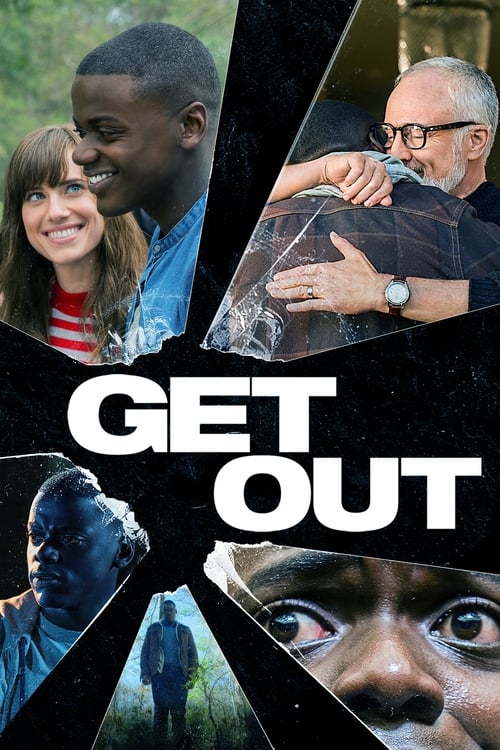
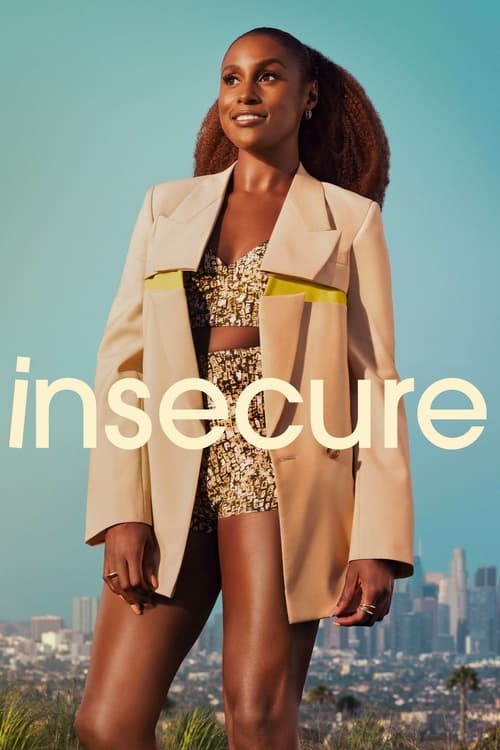
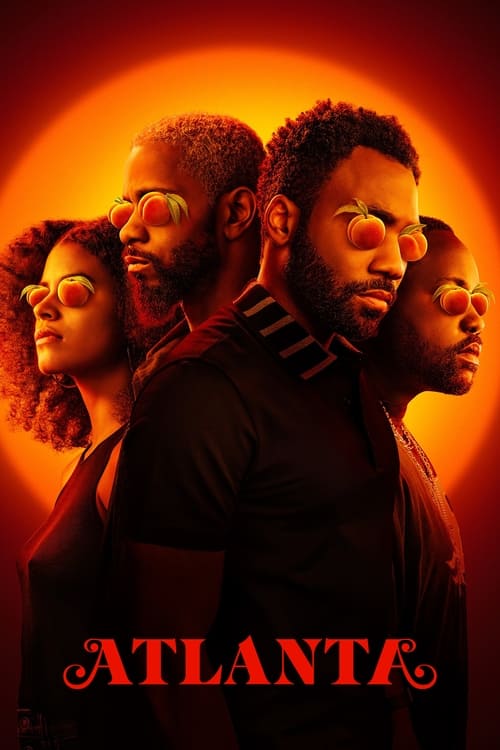
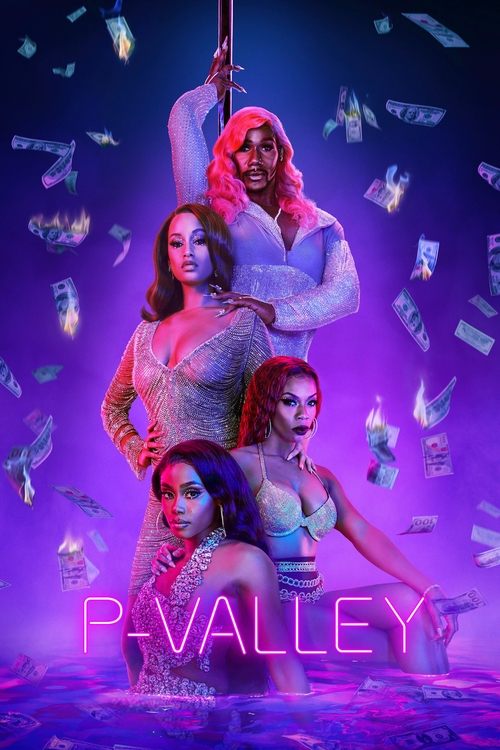
Films and Series with Neo-Soul Energy
Stories that share the genre's warmth, Black interiority, and emotional honesty
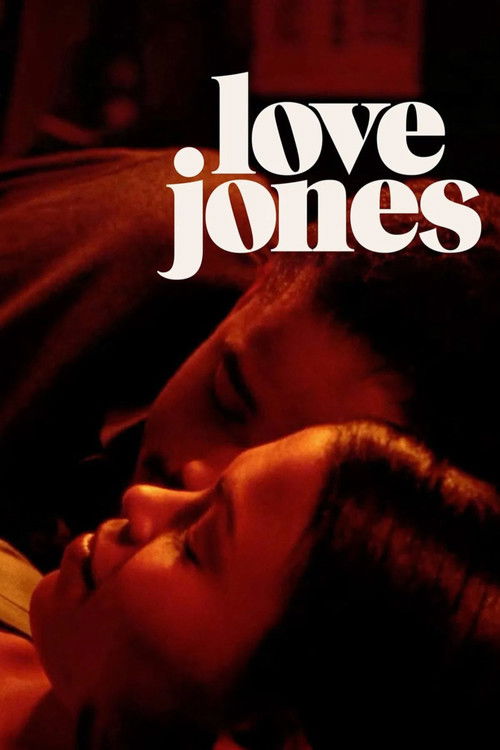

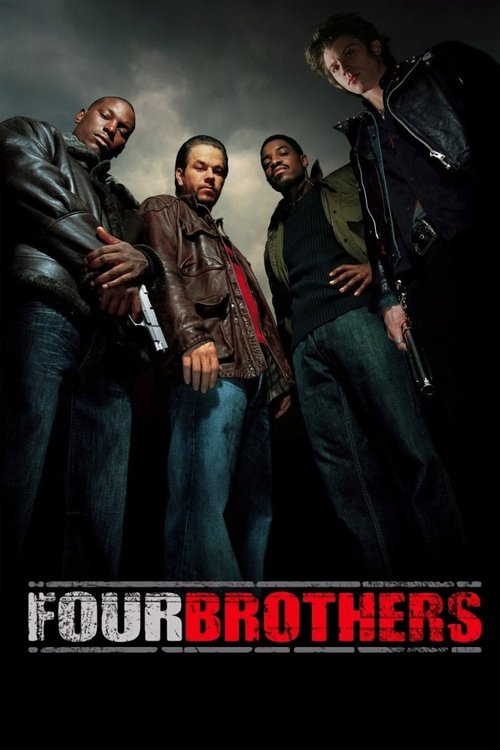
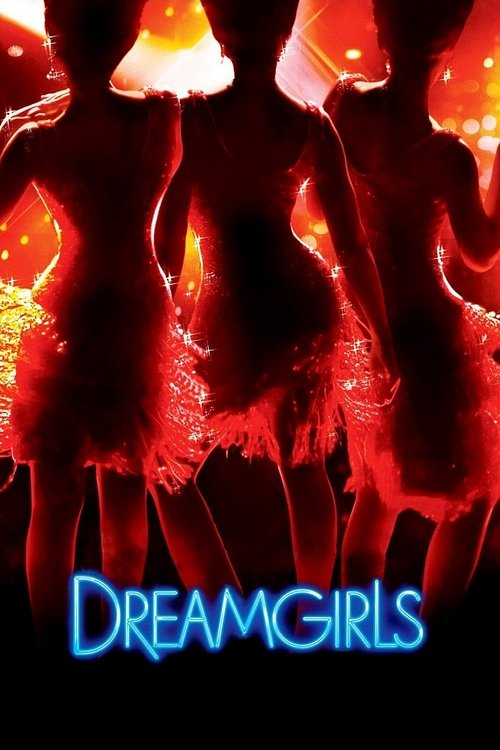
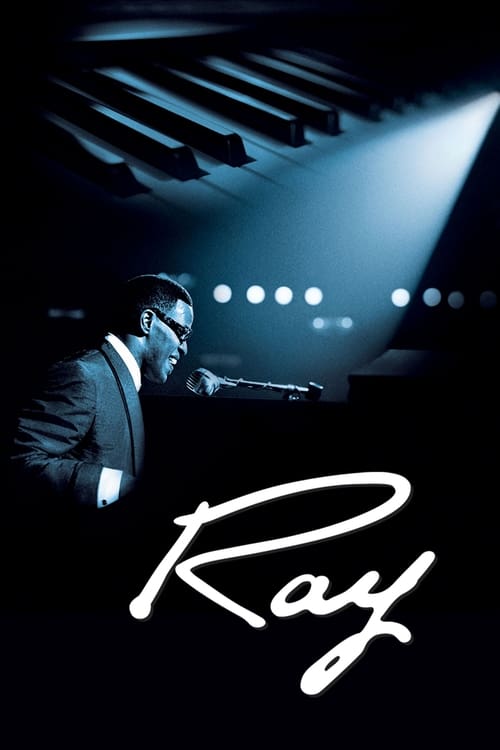

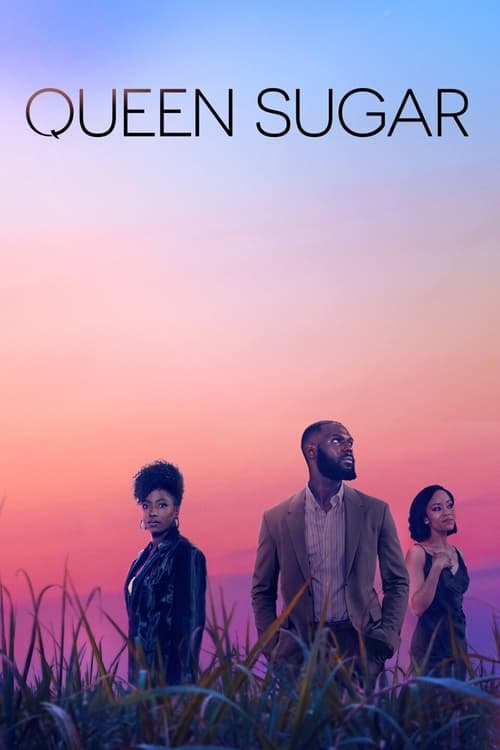

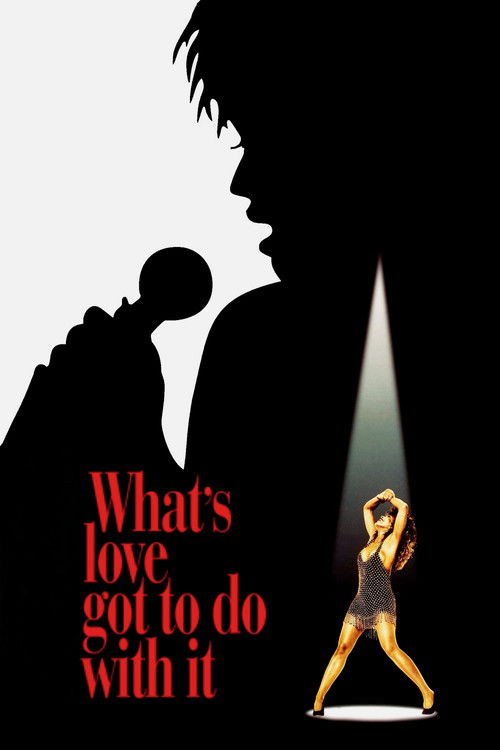
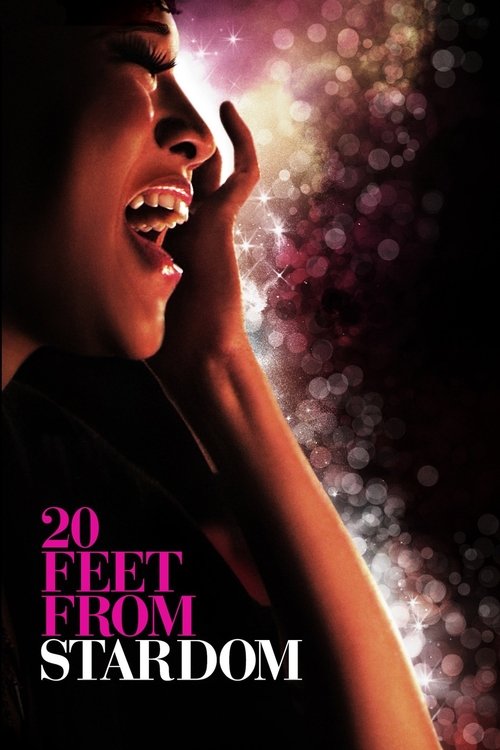
Music Documentaries and Concert Films
Films that put you inside the creative process and the live moment
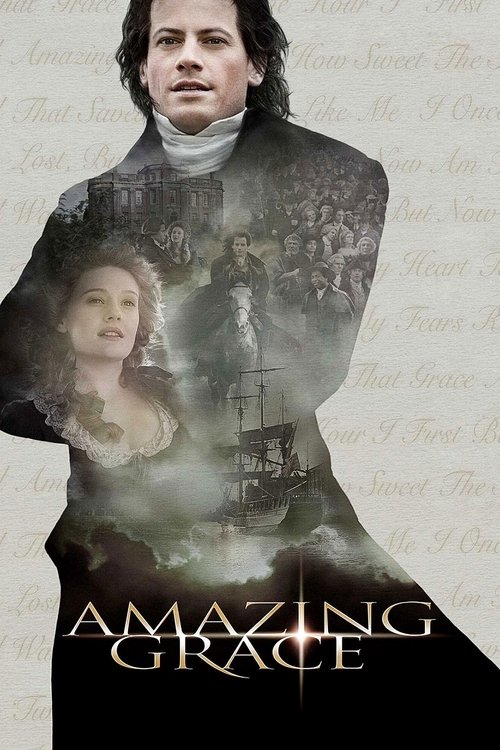
Books for Neo-Soul Listeners
Novels and memoirs that match the genre's depth, lyricism, and self-knowledge


Rhythm and Soul in Games
Games that share neo-soul's groove, expressiveness, or Black creative voice

D'Angelo Rewired What R&B Could Mean
When Voodoo arrived in 2000, it landed like a slow exhale. Where most R&B pushed toward polished efficiency, D'Angelo and producer Questlove stripped everything back to the pocket: loose, slightly behind-the-beat drums, bass guitar breathing underneath, vocals buried in reverb until they felt like thought rather than performance. It was both a throwback and a provocation. The album asked whether Black music needed to sound expensive to be valued. The answer it gave was no.
Erykah Badu Made Vulnerability a Stance
Baduizm was a debut that sounded like a fully formed worldview. Erykah Badu drew from classic soul, Five Percent Nation philosophy, and the kind of kitchen-table honesty that mainstream pop rarely permitted. She sang about heartbreak as if it were geological, something that changed the shape of a person permanently. Her music created a template for the vulnerable-but-unbowed Black woman artist that SZA, Jazmine Sullivan, and H.E.R. have each reworked in their own registers.
The Philadelphia Sound Gave Neo-Soul Its Backbone
The Roots, Jill Scott, Eve, Musiq Soulchild, Kindred the Family Soul: Philadelphia in the late 1990s and early 2000s produced a cluster of artists who shared a house-party sensibility and a jazz-inflected rhythmic looseness. It was not a label or a marketing campaign. It was a scene, centered partly around the Five Corners area and partly around the Roots' residency at venues where live music was the point. Common's Like Water for Chocolate, recorded partly with Roots collaborators, brought that energy to Chicago and confirmed that neo-soul was less a genre than a disposition.
Lauryn Hill Set a Bar Almost No One Has Matched
The Miseducation of Lauryn Hill won five Grammy Awards in 1999 and has been placed on nearly every credible best-albums list since. But its real achievement is harder to quantify: it fused hip-hop flow, gospel urgency, and classic soul melody without any of those elements feeling like a feature. The record is about love, religion, motherhood, and the music industry, and it holds all of those subjects simultaneously without collapsing into thesis. That she never made a follow-up studio album of comparable scope has turned Miseducation into a kind of orphan masterpiece.
Neo-Soul: A Decade of Arrival
- 1994D'Angelo releases his debut single 'Brown Sugar', introducing the sound to a mainstream audience Brown Sugar
- 1995Maxwell's 'Embrya' demos circulate; his debut Urban Hang Suite follows in 1996, establishing the softer, orchestral wing of the genre
- 1997Erykah Badu's Baduizm arrives and sells a million copies in its first six weeks Baduizm
- 1998The Roots' Things Fall Apart extends neo-soul into hip-hop territory; Lauryn Hill begins recording Miseducation Things Fall Apart
- 1998The Miseducation of Lauryn Hill is released and becomes the year's defining album The Miseducation of Lauryn Hill
- 2000D'Angelo's Voodoo drops on New Year's Day and resets expectations for what R&B can sound like Voodoo
- 2000Jill Scott's Who Is Jill Scott? and Common's Like Water for Chocolate confirm the Philadelphia scene as a hub
- 2001Musiq Soulchild, India.Arie, and Alicia Keys release debut albums in the same year, broadening the genre's reach
- 2014D'Angelo returns after 14 years with Black Messiah, released with almost no notice, and charts number one
- 2017SZA's Ctrl reopens the conversation for a new generation of listeners Ctrl
Warmth, rhythm, and feeling
For Fans of Beyonce
Explore the For Fans of Beyonce guide →Neo-soul was not a genre in the commercial sense. It was a posture: make the music you actually mean, let the feeling arrive before the hook, and trust the listener to stay.CrossBinge