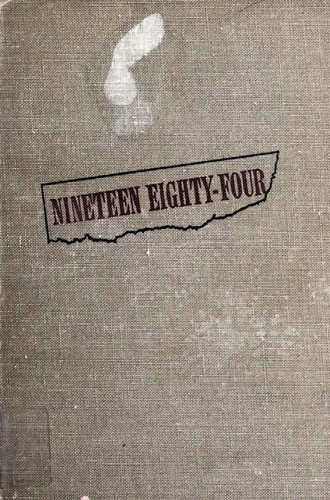

George Orwell's Nineteen Eighty-Four does something almost no other novel manages: it makes paranoia feel rational. The horror is not a monster or a disaster but a system, one that has perfected the art of making people police themselves. What fans chase across other media is that particular dread, the feeling of a world that has been engineered against you, where the facts are slippery and trust is a liability. Winston Smith is not a hero in any conventional sense. He is a man trying to hold on to the memory of a self, and failing. That is the through-line: the intimate violence of a world that wants to own your interior life.
The Totalitarian Shelf
Novels that map the same territory: the state, the self, and the space between them


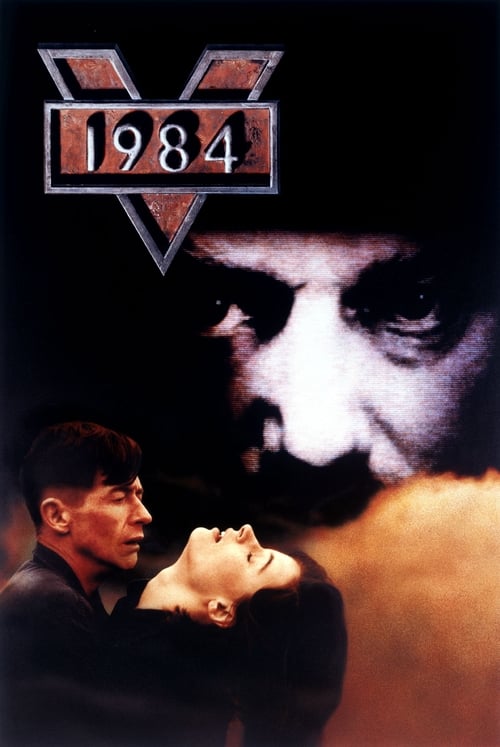
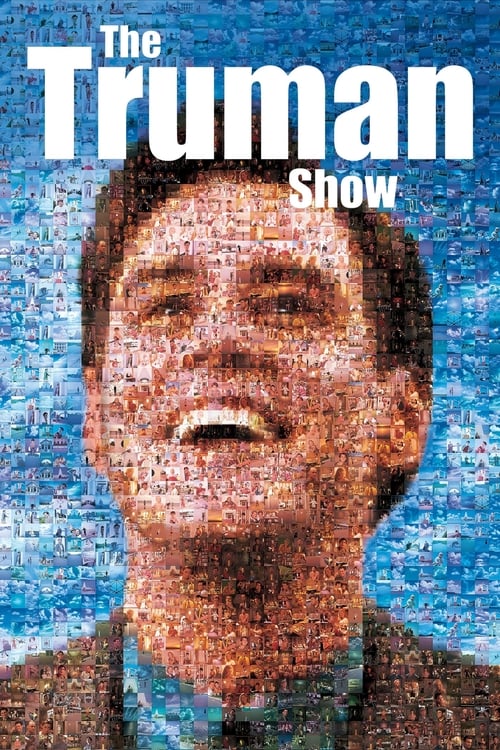
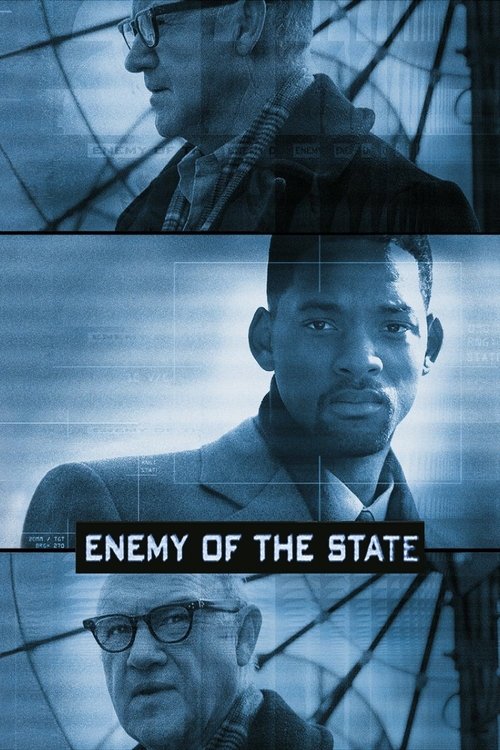
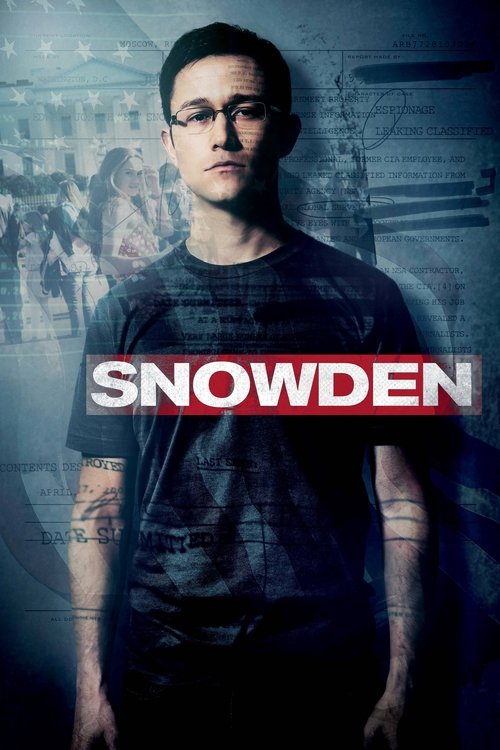
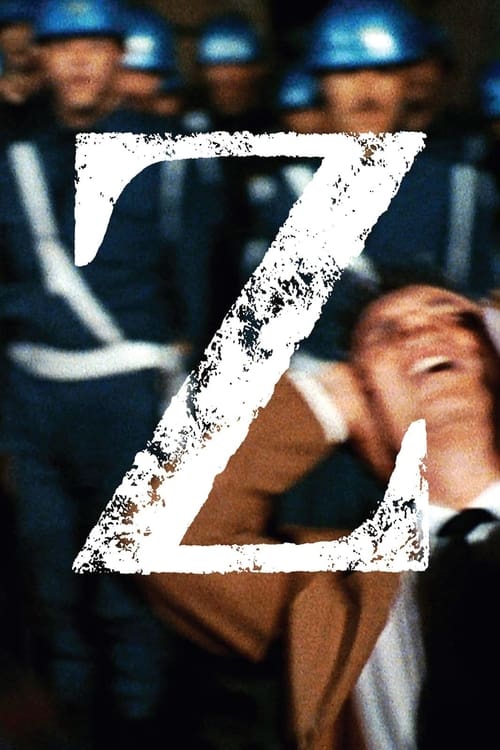
On Screen: Orwell Adapted and Echoed
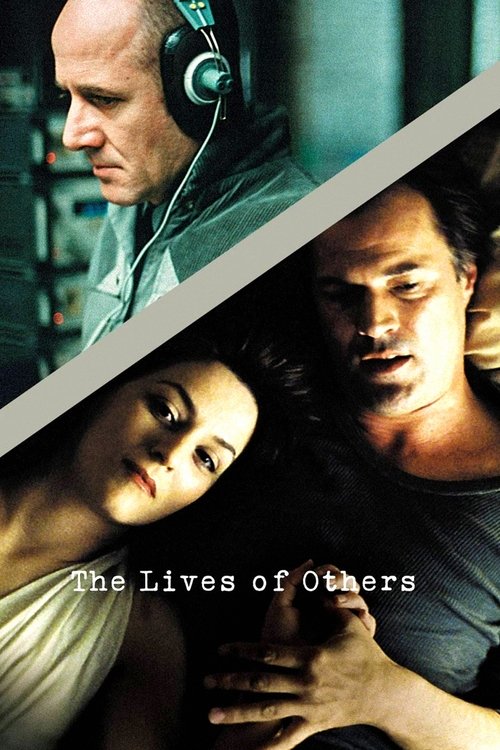
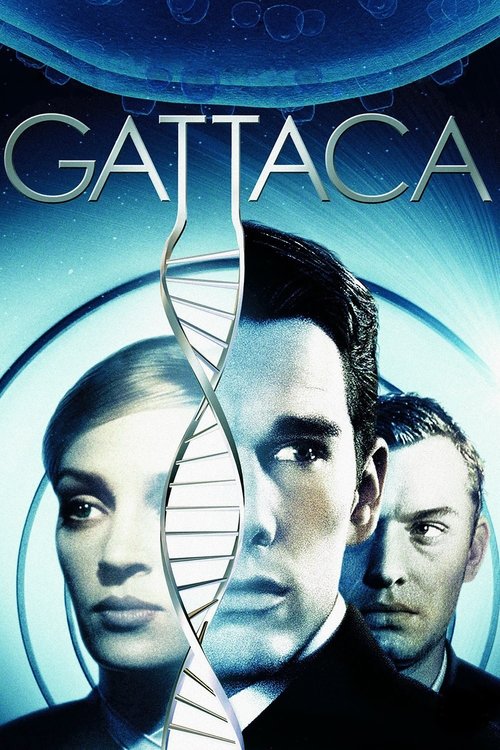
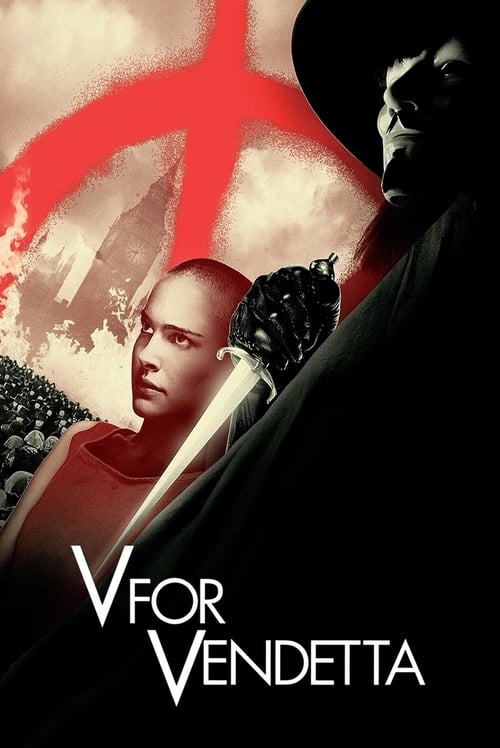
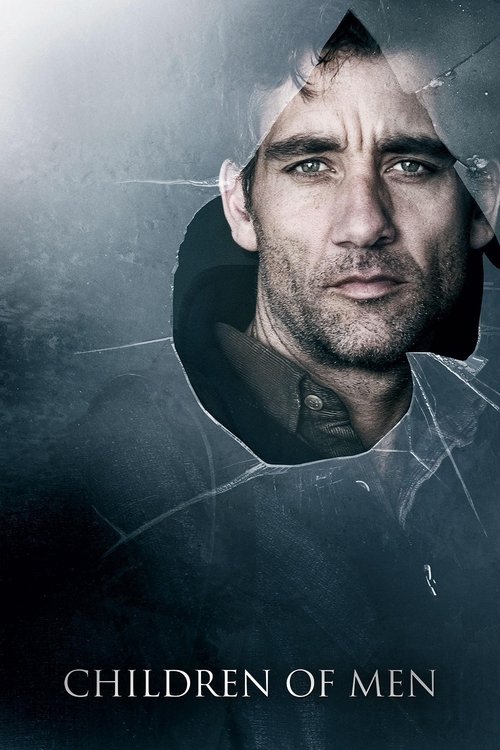
Films that bring Nineteen Eighty-Four to life, or chase its shadow into new shapes

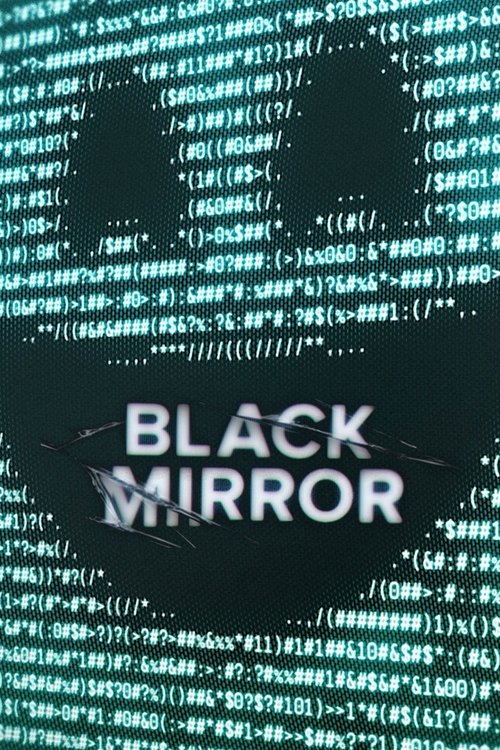
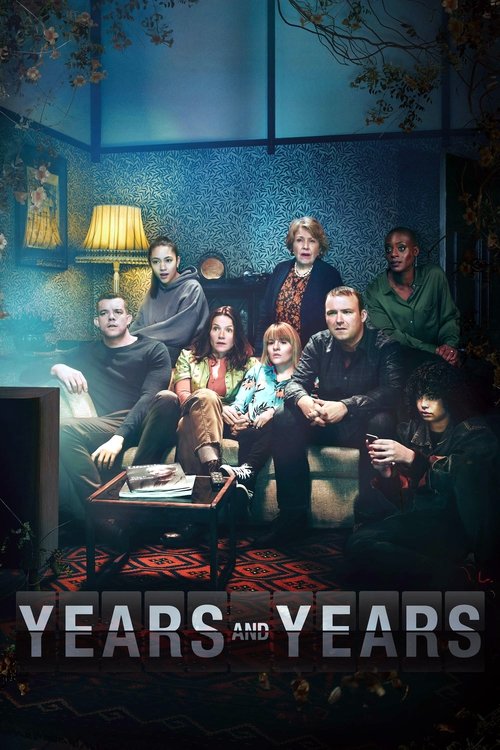
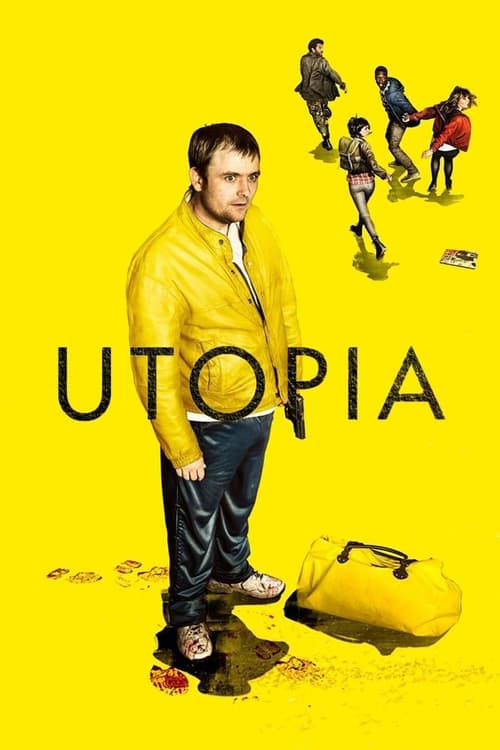
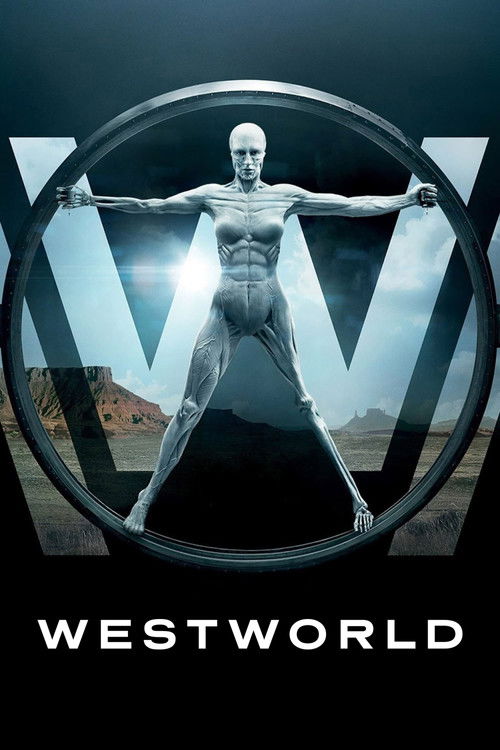
Series That Live Under the Eye
Television that understands surveillance, conformity, and the cost of dissent


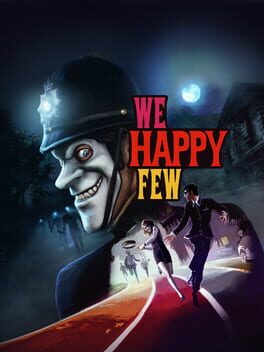
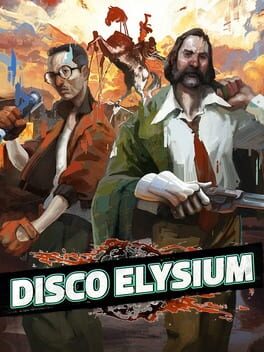
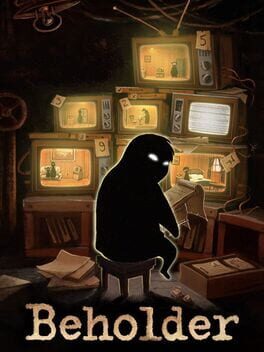
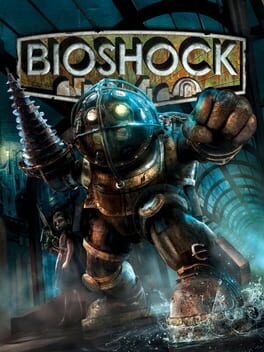
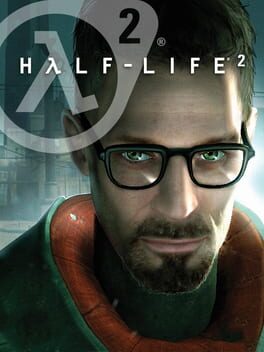
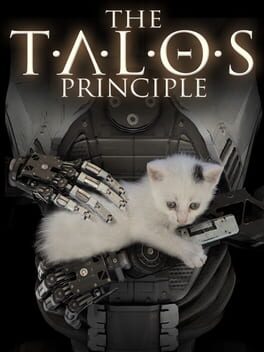
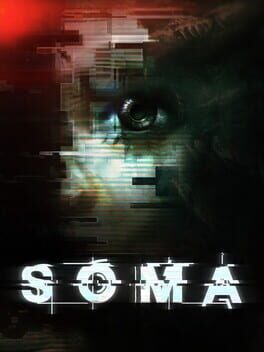
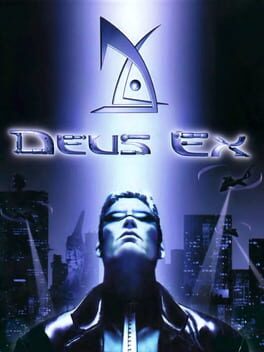
Games of Control and Resistance
Games where the system is the antagonist and information is a weapon
Music Under the Boot
Albums and scores that channel paranoia, propaganda, and inner resistance
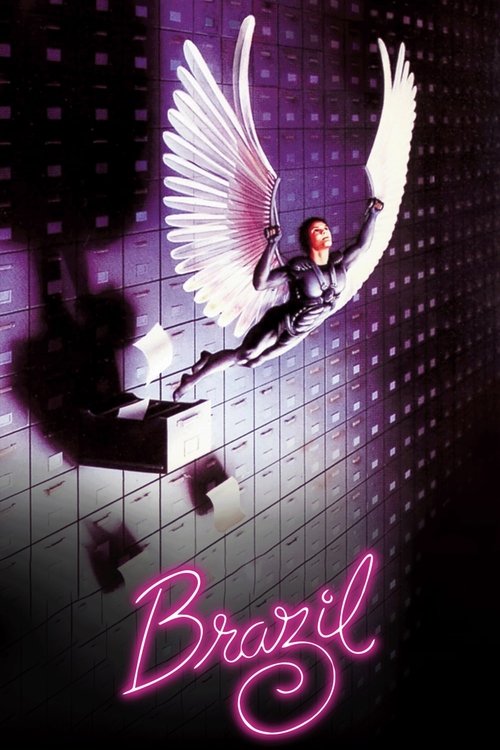
Brazil out-Orwells Orwell on the mundane
Terry Gilliam's Brazil takes the bureaucratic machinery of Nineteen Eighty-Four and makes it almost funny, which is exactly why it cuts deeper. The terror in Orwell is relentless and intentional. In Brazil, the terror is accidental, driven by paperwork errors and middle management. That version feels more recognizable, and therefore more claustrophobic. Sam Lowry's dreaming is Winston's diary: the last private act in a world that has no use for private acts.
Papers, Please earns its place in the Orwell canon
Most games about dystopia put you in the role of the rebel. Papers, Please puts you in the role of the bureaucrat, the small cog that makes the machine run. Every stamp you bring down is a moral choice, and the game makes sure you feel the cost: your family needs food, the rules keep changing, and the people on the other side of the window are just trying to live. It is the closest any game has come to the specific moral exhaustion Orwell describes.
A Genealogy of Dystopia
- 1921Zamyatin writes the founding text of literary dystopia We
- 1932Huxley answers Dostoevsky's Grand Inquisitor with pharmacology Brave New World
- 1945Orwell publishes his fable of revolution betrayed Animal Farm
- 1949Nineteen Eighty-Four is published; Orwell dies six months later Nineteen Eighty-Four
- 1953Bradbury burns the books Fahrenheit 451
- 1967The Prisoner asks who the real prisoner is The Prisoner
- 1971Kubrick turns Burgess's violent novella into a vision of state conditioning A Clockwork Orange
- 1974Bowie records Diamond Dogs, his Orwell album, after the rights to adapt the novel were denied Diamond Dogs
- 1984Michael Radford's faithful adaptation reaches cinema Nineteen Eighty-Four
- 1985Gilliam's bureaucratic nightmare opens in the US Brazil
- 2000Harvey Smith and Warren Spector put player agency inside a surveillance state Deus Ex
- 2013Snowden's revelations make Nineteen Eighty-Four a bestseller again
- 2013Lucas Pope traps the player inside the checkpoint booth Papers, Please
- 2017Atwood's dystopia becomes a landmark television series The Handmaid's Tale
Who controls the past controls the future. Who controls the present controls the past.George Orwell, Nineteen Eighty-Four (1949)