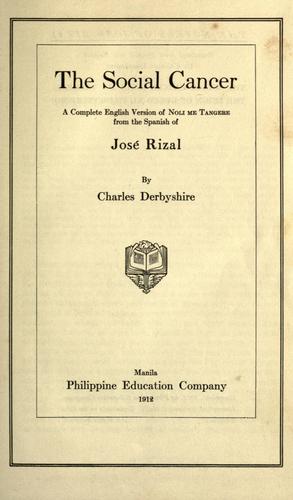

Jose Rizal wrote Noli Me Tangere in Berlin in 1887, ostensibly as a novel, actually as a surgical instrument. Its subject is the Philippines under Spanish colonial rule: the complicit friars, the cringing ilustrado class, the peasants ground down in silence, and one young man, Crisostomo Ibarra, who returns from Europe believing that enlightened goodwill can fix what colonial violence has made. He is wrong, and the novel makes you feel exactly how wrong, block by block, humiliation by humiliation. What fans love is not the melodrama (though the melodrama is exquisite) but the moral forensics: Rizal names every mechanism by which an occupying power keeps a people small, and he names it in the voice of someone who loved the Philippines with a precision that felt like grief. The through-line across every medium below is that same precision: work that refuses to let injustice go abstract, that puts a face and a parish and a specific cruelty on the machinery of oppression.
Colonial Wounds on Screen: Adaptations and Kindred Films
Films that put the novel's confrontation between colonial power and individual conscience at the center of the frame.
Television That Maps the Machinery of Power
Series exploring colonial legacies, occupied societies, and the slow deformation of people under systems that were never designed for their survival.



Novels That Share the Fury
Fiction from colonial and postcolonial traditions that uses the novel form to do what Rizal did: name the system and humanize its casualties.


Games Where Colonialism Is the Terrain
Games that make colonial history and the psychology of occupation legible through play, not just backstory.
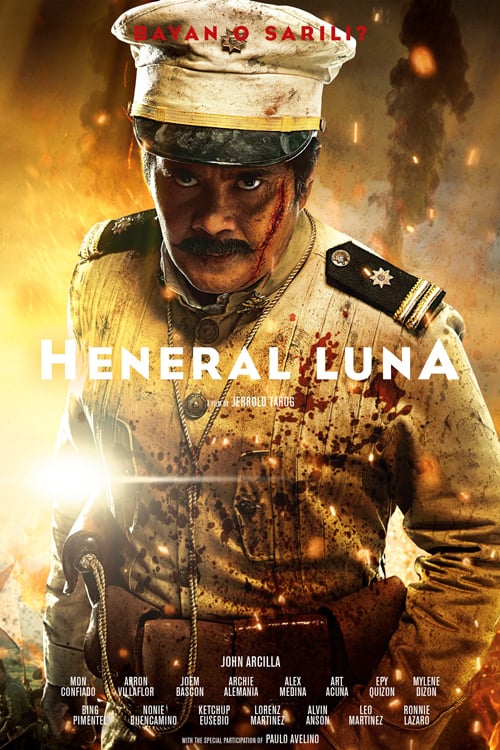
Heneral Luna Is the Film the Rizal Novels Demand
The Jerrold Tarog film about General Antonio Luna arrived in 2015 and did something rare: it treated Philippine history as tragedy rather than pageant, and found the same structural enemy Noli identifies, the ilustrado class's fatal tendency toward accommodation, as the active force destroying the revolution from inside. It is louder and more operatic than Rizal's prose but it is arguing the same case.
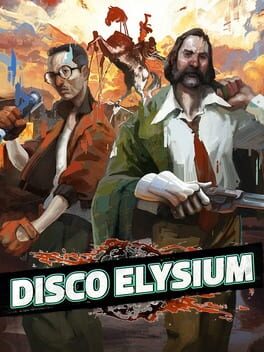
Disco Elysium Understands What Rizal Was Doing Technically
The comparison sounds eccentric until you notice that both works are organized around a protagonist who arrives in a society mid-collapse and must interview that society's damage into coherence. Rizal and the ZA/UM writers both understand that the most efficient way to expose a system's rot is to make the reader the investigator who assembles the evidence piece by piece, so that the conclusion feels earned rather than asserted.
Pachinko Answers the Question Rizal Could Not
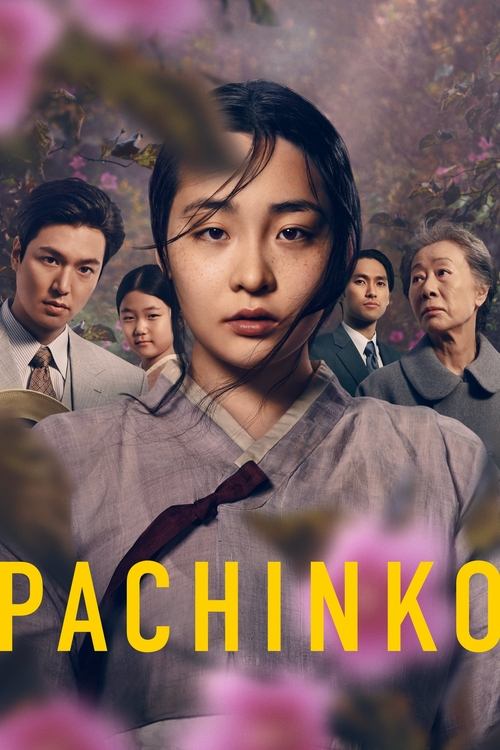
Rizal's novel ends before the Philippines gains independence, because he was executed before he could see it. Min Jin Lee's Pachinko (and the Apple TV+ adaptation) picks up a related question: what happens to a colonized people across generations after the formal colonial period ends? The answer, in both cases, is that the categories colonialism created outlast the colonizers by a very long time.
From Rizal to the Contemporary Philippine Canon
- 1887Jose Rizal publishes Noli Me Tangere in Berlin; the Spanish colonial government bans it immediately. Noli Me Tangere
- 1891El Filibusterismo appears; Rizal's more radical and more despairing sequel.
- 1896Rizal is executed in Manila. The Philippine Revolution against Spain begins.
- 1898Spain cedes the Philippines to the United States after the Spanish-American War; one colonial power replaced by another.
- 1943Francisco Baltazar's Florante at Laura, written in 1838, is formally recognized as a foundational Philippine literary text, its allegorical critique of Spanish rule newly legible.
- 1979Maynila: Sa mga Kuko ng Liwanag (Manila in the Claws of Light) positions contemporary Manila as the heir to Rizal's colonial Manila.
- 1984F. Sionil Jose's Po-on begins his Rosales Saga, the most sustained attempt in Philippine fiction to map colonial and postcolonial damage across generations.
- 1988Nick Joaquin's The Woman Who Had Two Navels is recognized as a classic of Philippine English fiction, exploring the colonial split in Filipino identity.
- 2010Miguel Syjuco's Ilustrado wins the Man Asian Literary Prize, bringing the Philippines back into global literary conversation.
- 2015Heneral Luna opens in the Philippines to extraordinary popular and critical response, beginning a serious Philippine historical cinema. Heneral Luna
The Filipino is lost in the shadows of his own land.Jose Rizal, Noli Me Tangere (1887)