

Nymphomaniac: Vol. II is Lars von Trier at his most severe. Where the first volume retained some warmth in Joe's recollections, the second strips that away entirely, moving from erotic confession into something colder: a study of compulsion as spiritual hunger, of a woman who cannot stop pushing until she has destroyed every bond she was ever given. Charlotte Gainsbourg carries an extraordinary weight here, inhabiting a character who is simultaneously the protagonist of her own story and utterly unable to save herself from it. What fans return to is the totality of it, the refusal to soften the contradiction between intelligence and self-harm, between knowing yourself and being powerless against yourself. The works below follow that same current: art that insists on looking at the thing, not away from it.
Nymphomaniac: The Full Picture
The two-part confession, and the wider von Trier world it belongs to



Cinema of Sustained Discomfort
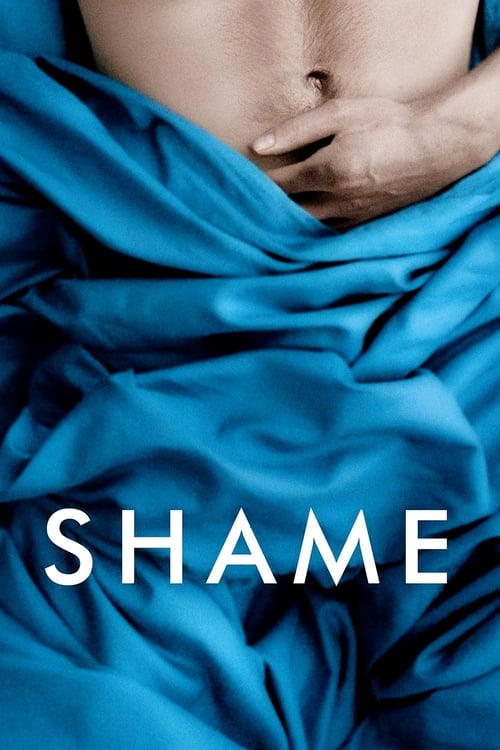
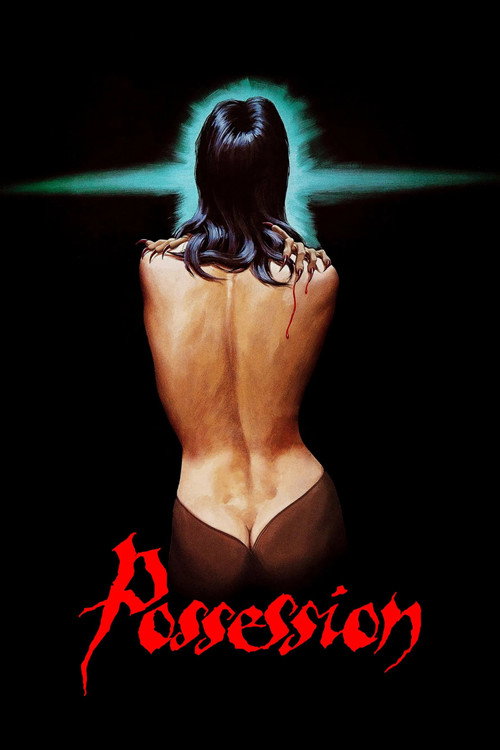
Films that refuse to grant the viewer a comfortable distance from what they are watching

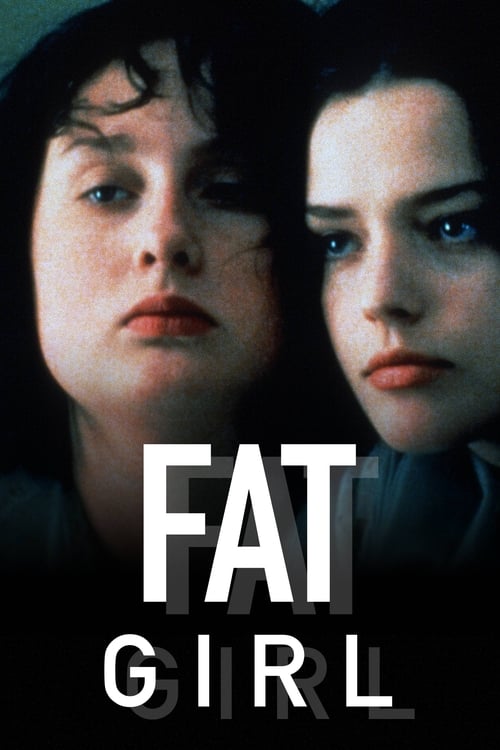
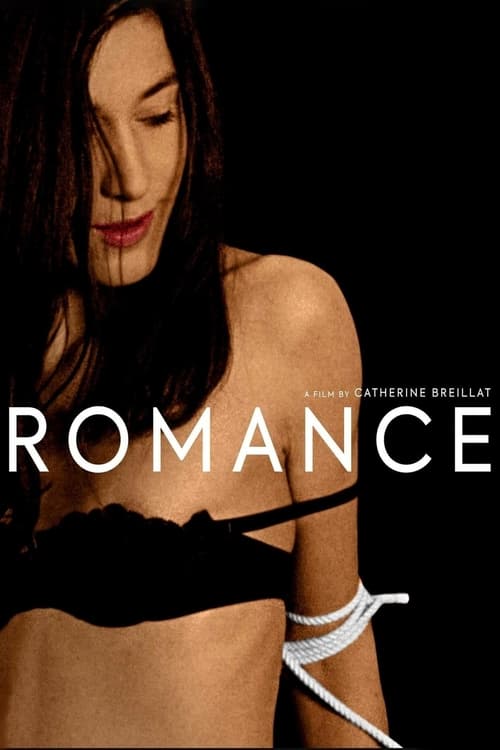
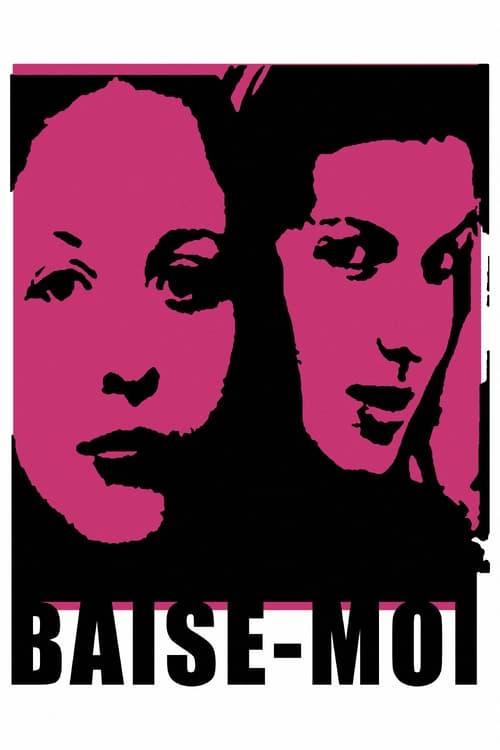

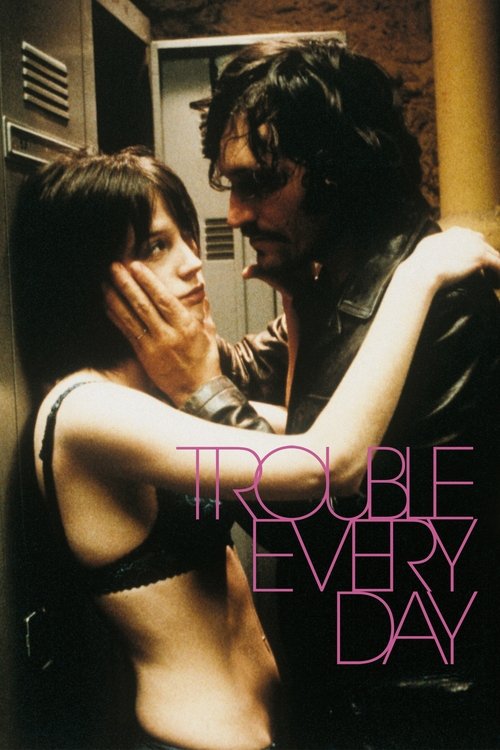

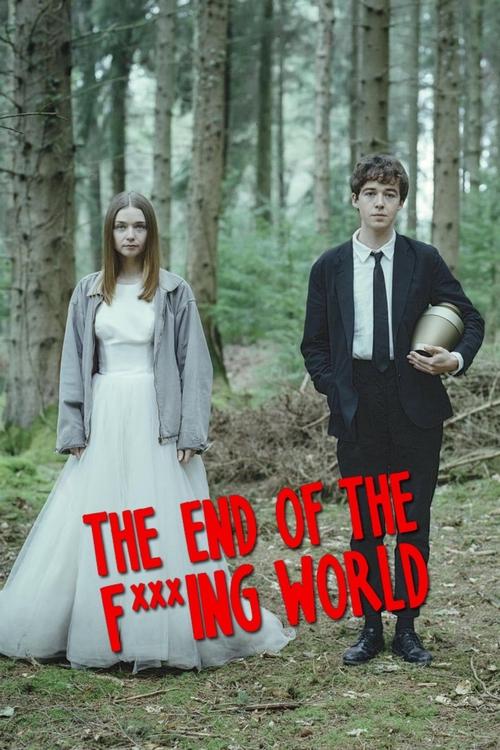
The Confessional Self on Television
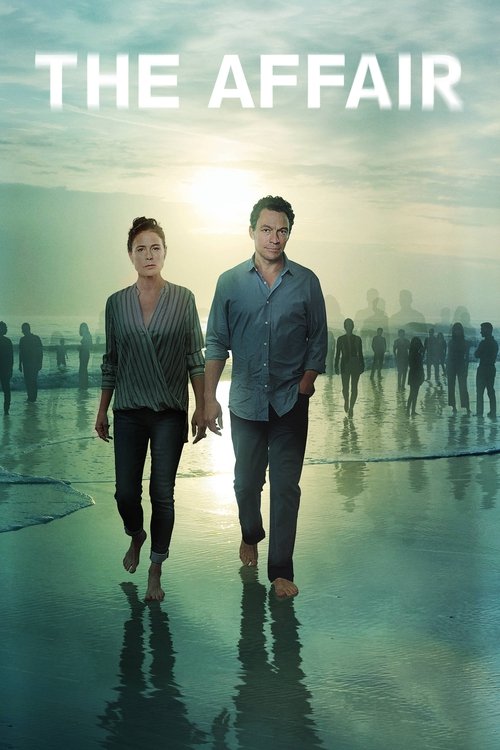
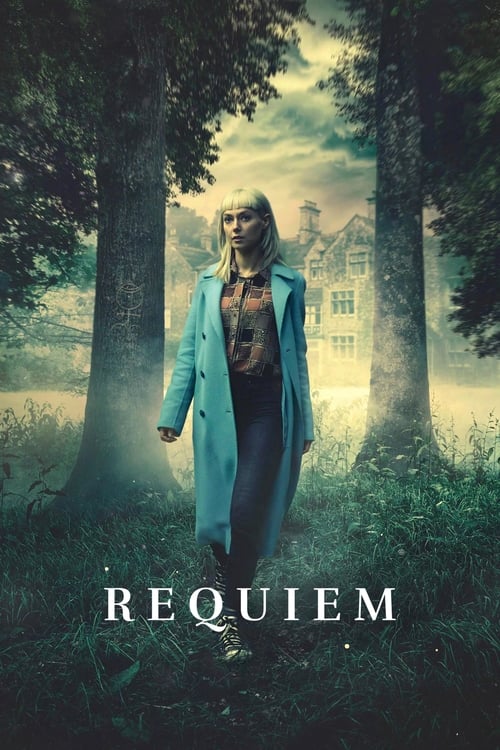
Series built on a single consciousness narrating its own unraveling





Music for the Wreckage
Albums and composers whose sound occupies the same emotional terrain: raw nerve, numbness, compulsion
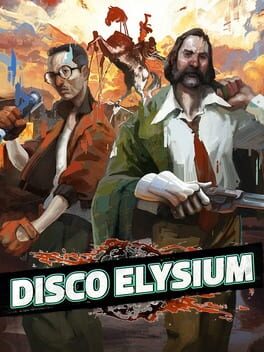
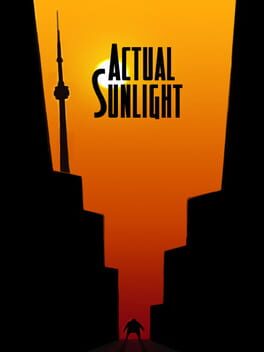
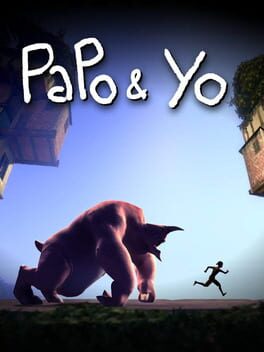
Games That Put You Inside a Mind Falling Apart
Experiences where psychology is the terrain and the player cannot simply win their way out




Charlotte Gainsbourg Is the Film
There is a tendency to discuss Nymphomaniac in terms of von Trier's provocations, the frank imagery, the intellectual scaffolding, the fishing metaphors. But the film stands or falls entirely on Gainsbourg, who is on screen for almost the entire runtime of both volumes performing a character who has thought her way all the way through her own life and arrived somewhere beyond feeling. It is one of the great performances of its decade, less acted than inhabited. Stacy Martin's young Joe is excellent, but Gainsbourg's older Joe is the gravitational center, the one who cannot be looked away from.

The Intellectual Frame Is Not Decoration
Joe's conversations with Seligman are often read as von Trier showing off or as distancing technique, and critics have divided sharply on whether the theory talk dilutes the film's emotional impact. The more productive reading is that the structure mirrors exactly what compulsion does to an intelligent person: you develop elaborate explanations for your behavior because explanation feels like control. The frameworks (fly fishing, Fibonacci, polyphony) are the same thing Joe uses to survive her own story. When the film's final act collapses that intellectual distance, the effect is devastating precisely because the scaffolding was so careful.
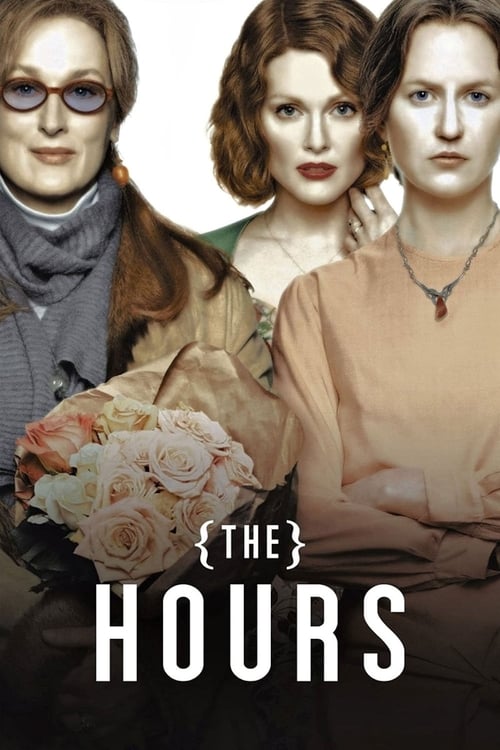
Vol. II Is Darker Than Vol. I Because It Is About the Loss of Pleasure
The first volume has something of the picaresque about it, a woman moving through a world of encounters that are at least sometimes alive with sensation. Vol. II is about what happens when even that is gone, when the behavior that organized your life stops delivering what it promised. This is not a redemption arc and it is not a cautionary tale. It is closer to a portrait of late-stage anything, addiction or grief or obsession, where you keep doing the thing not because it works but because you have nothing else to be.
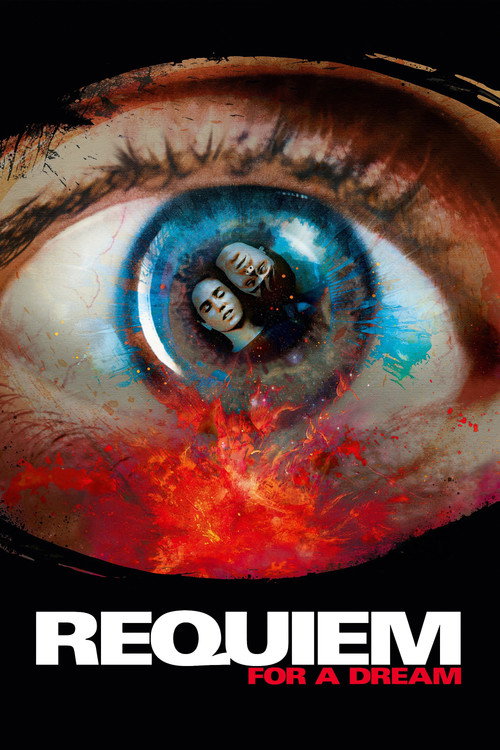
The Ending Is the Only Honest Ending
Von Trier has been accused of punishing his female protagonists, and the accusation has real weight across his career. The ending of Nymphomaniac: Vol. II is the point where that debate is most productive, because it is genuinely ambiguous whether what happens to Joe is punishment, rupture, or the only form of agency she had left. The film declines to resolve this, which is the correct decision. A neat resolution in either direction, rescue or destruction rendered as moral lesson, would have betrayed everything the previous four hours built.
Lars von Trier: The Emotional Extremist, Film by Film
- 1984The Element of Crime establishes von Trier's visual obsessions, washed-out expressionism and a world perpetually on the edge of collapse The Element of Crime
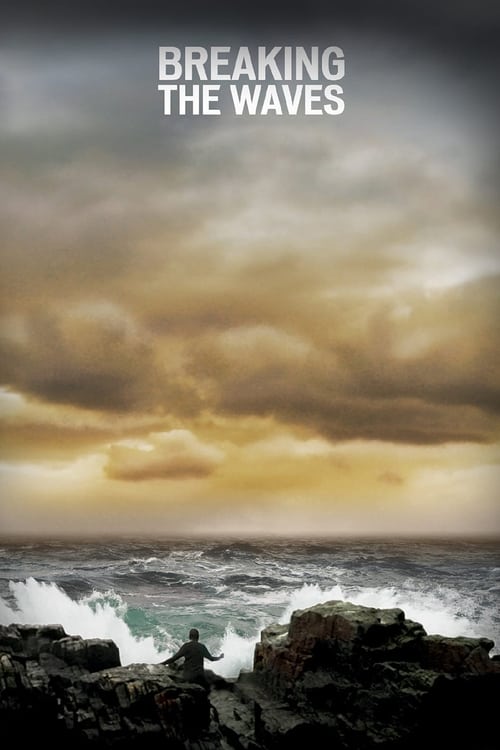
- 1996Breaking the Waves sets the template: a woman's interior life destroyed by external expectation, Bess as the first of many martyrs Breaking the Waves
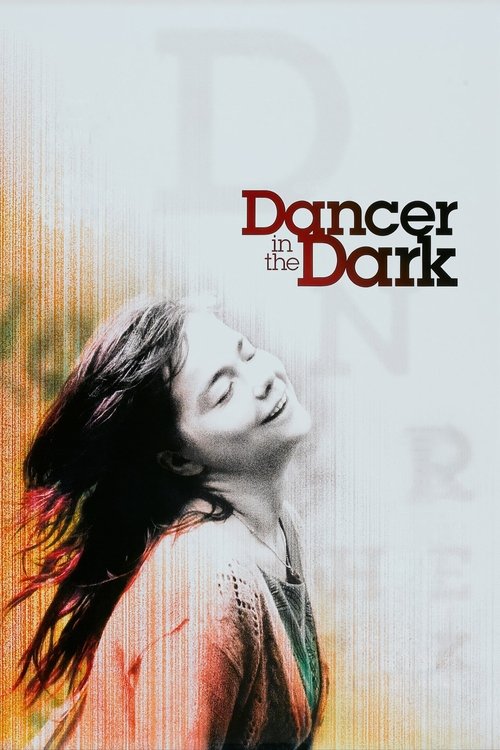
- 2000Dancer in the Dark wins the Palme d'Or and cements his reputation for formal audacity and absolute emotional cruelty toward protagonists Dancer in the Dark
- 2003Dogville strips the film frame down to chalk lines and actors, proving von Trier can make you forget the artifice through sheer dramatic pressure Dogville
- 2009Antichrist marks the beginning of the Depression Trilogy, the most extreme and divisive film of his career, co-starring Gainsbourg for the first time Antichrist
- 2011Melancholia earns near-universal critical respect, the trilogy's most formally beautiful film and the one closest to elegy Melancholia
- 2013Nymphomaniac, both volumes, completes the trilogy: Joe's life as an eight-hour case study in the persistence of self against every attempt at redemption or oblivion Nymphomaniac: Vol. II
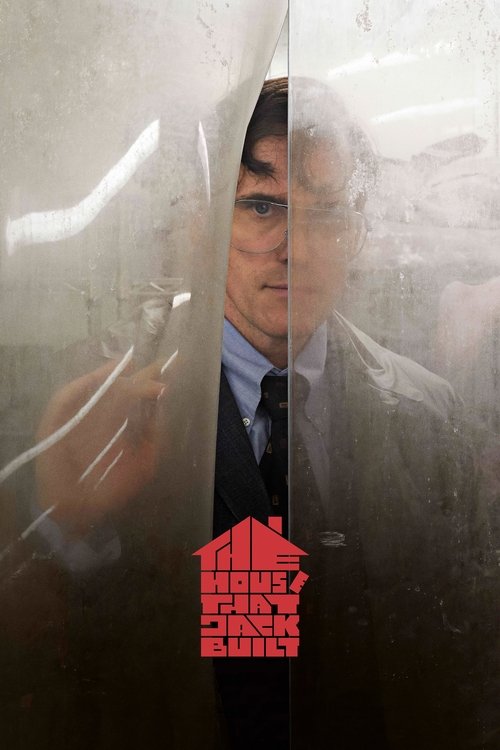
- 2018The House That Jack Built turns the confessional mode inside out, Matt Dillon as a serial killer who narrates his crimes with the same detached intelligence Joe brought to hers The House That Jack Built
The ability to feel so strongly about something is a gift, even if what you feel is pain.Joe, Nymphomaniac: Vol. II