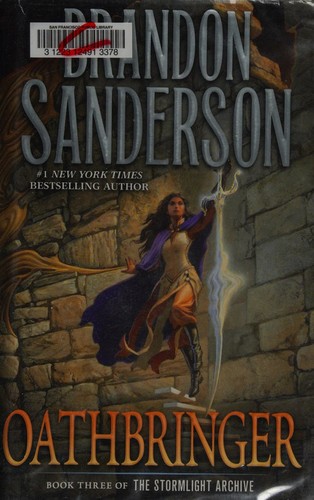

Oathbringer is the book where Brandon Sanderson stops letting Dalinar Kholin be a hero in the background and forces him into the foreground as a war criminal. The entire third Stormlight volume is built on a single unbearable question: what do you owe the people you destroyed? Dalinar was the Blackthorn, a conqueror who burned cities and killed thousands to unite Alethkar, and he spent years not remembering it. Now he does. What readers chase in Oathbringer is not the action (though the climax at Thaylen City is staggering) but that moral vertigo, the sensation of rooting for someone whose past you cannot excuse. Layer on Sanderson's signature interlocking magic system, a cast of broken people trying to speak truths they are not yet ready to say, and a cosmology where the nature of reality is actively contested, and you get a specific kind of reading experience: epic in scale, intimate in wound. The works below chase that same feeling from every direction.
The Stormlight Archive: the full sequence
Oathbringer lives inside a larger architecture. Reading the series in order is the only way to feel the full weight of Dalinar's flashbacks.


Epic fantasy that earns its moral weight
Novels where the scale is vast but the damage is personal, and the characters are not allowed easy absolution.


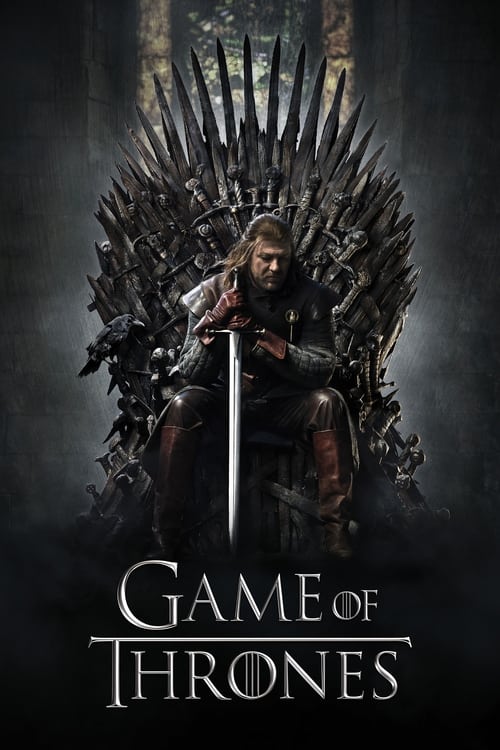
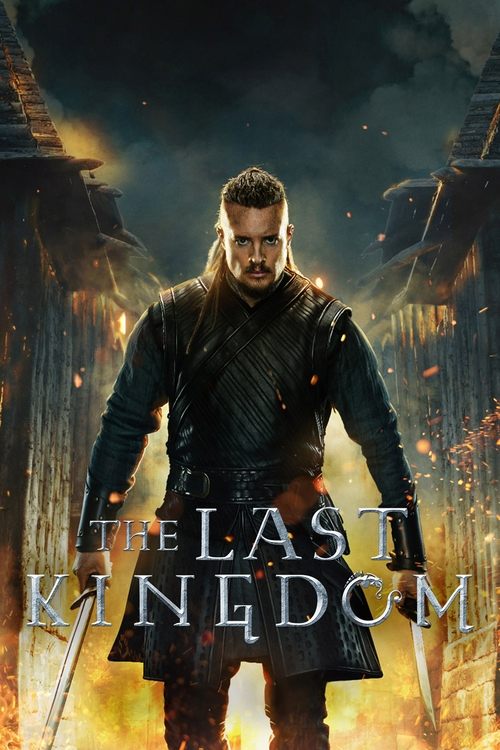
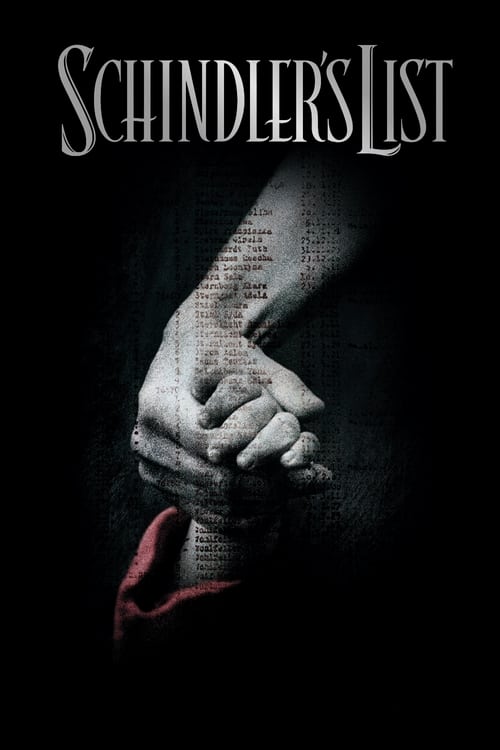
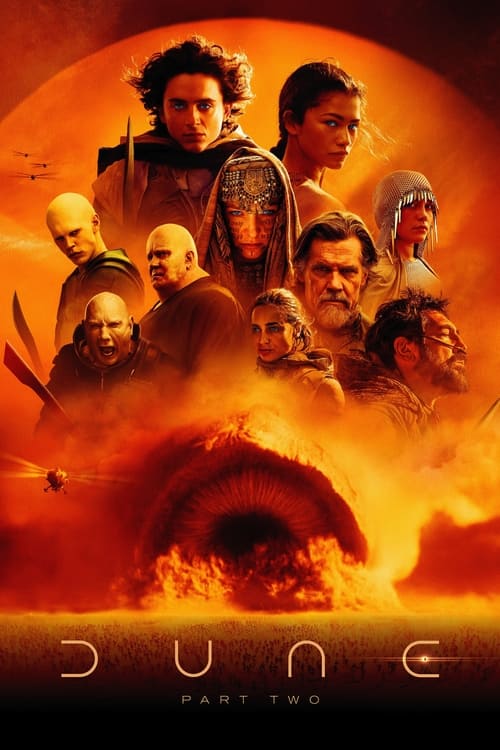
War crimes, memory, and the cost of leadership on screen
Films and series where men who have done monstrous things must face what they built, and the past refuses to stay buried.


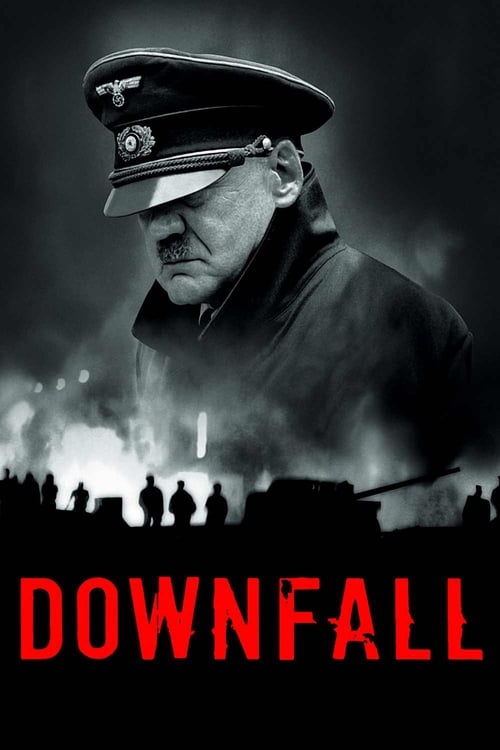
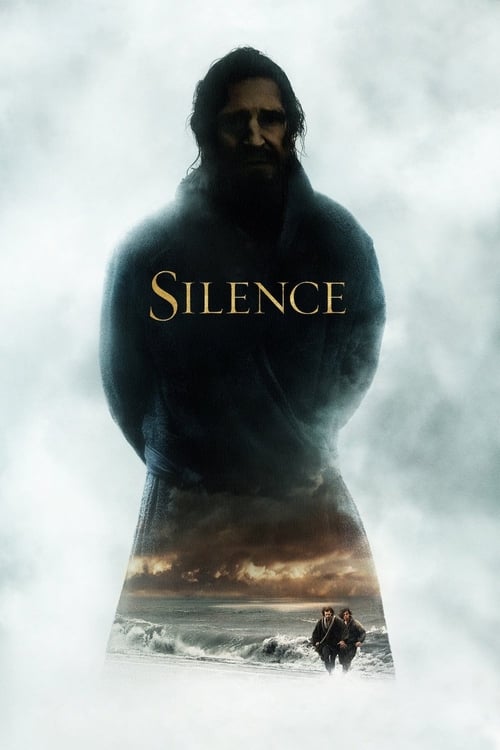
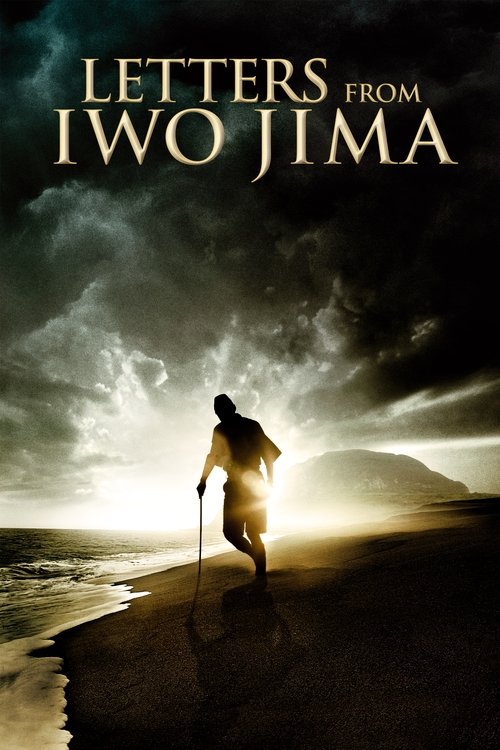
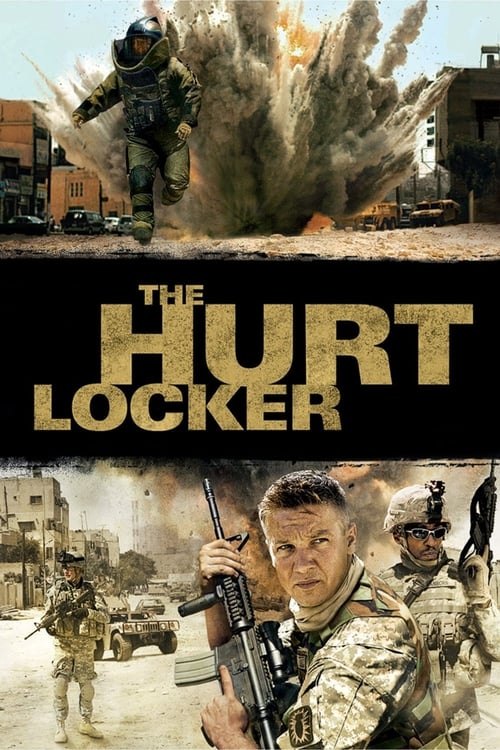

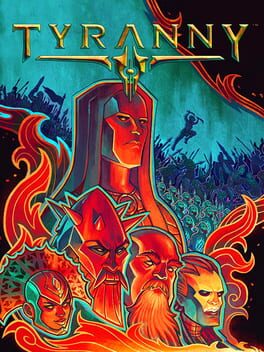
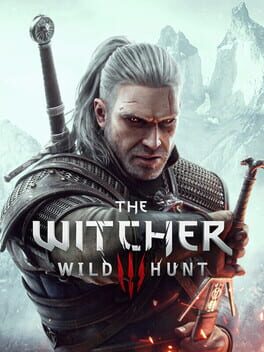
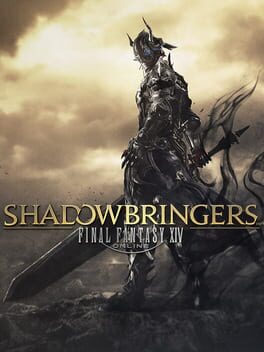
Games where redemption is the mechanic
Titles where the protagonist's past shapes the present world, and where the moral stakes of each choice accumulate across hours of play.




Dalinar is the most honest portrait of a war leader epic fantasy has produced
Most fantasy series give their generals a noble cause that softens the bloodshed retroactively. Oathbringer refuses: Dalinar unified Alethkar through genuine atrocity, and the flashback chapters make you live inside his enjoyment of it. The present-day Dalinar is trying to build a coalition to save the world, but Sanderson never lets the urgency of that mission forgive the man. The Blackthorn and the Bondsmith are the same person. That refusal to split them is what separates this from the genre's usual rehabilitation arcs.

The Cosmere's true subject is faith under conditions that make faith look stupid
Every Sanderson system, from Allomancy to Stormlight, is built on a covenant: you swear to something, you gain power, but the vow has teeth. Oathbringer is where that contract becomes theological. Kaladin cannot speak his third ideal because he cannot believe the words, and the magic will not let him fake it. Vorinism, the Heralds, the Shards, the Unmade: the whole cosmology is a record of what happens when gods make promises they cannot keep. That theme runs deeper than any one book, but Oathbringer is where Sanderson puts it plainest.
Shallan's arc is where the book takes its biggest risk
Readers who bounced off Shallan in Words of Radiance are asked to go further here, as her dissociative identity becomes structural rather than metaphorical. Veil and Radiant are not dramatic devices; they are the mechanism by which Shallan survives truths she is not yet able to hold. Some readers find this slow. The argument for patience is that her arc in Oathbringer is doing the same thing Dalinar's is: asking what it costs to remember who you were, and whether remembering is even survivable.
The best portal into Oathbringer from outside fantasy is Apocalypse Now
Both works are about men who were extraordinarily effective at violence, who built systems around that violence, and who now exist inside institutions that need them to be something else. Kurtz and Dalinar are not the same character, but they share the same problem: the world made them into what they became, and the world now wants to disown the making. Coppola's film takes 2.5 hours to circle that. Sanderson takes 1,200 pages. Neither resolution is comfortable.
The Stormlight Archive and its context: key moments
- 2010The Way of Kings published, introducing Roshar, the Knights Radiant, and Kaladin Stormblessed The Way of Kings
- 2014Words of Radiance deepens the Shallan POV and establishes the Kholin-Amaram conflict Words of Radiance
- 2016Edgedancer novella bridges the gap and expands Lift's story, setting up characters who matter in book three Edgedancer
- 2017Oathbringer published, the longest entry in the series at over 1,200 pages, centering Dalinar's flashback arc Oathbringer
- 2020Rhythm of War published, continuing Stormlight's second arc with a focus on Navani and Raboniel
- 2024Wind and Truth published, concluding the first half of the Stormlight Archive's planned ten-volume run
Sometimes the prize at the end of a journey is simply the knowledge that you are capable of making the journey.Oathbringer, Brandon Sanderson