

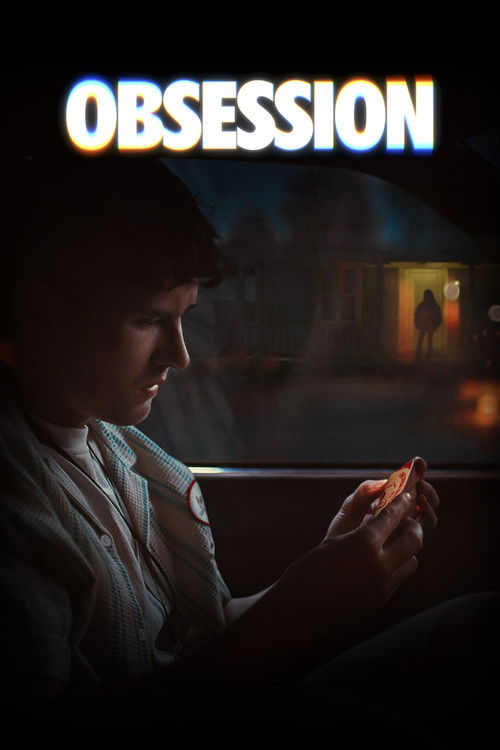
Brian De Palma's Obsession (1976) is, at its core, a film about what grief does to the mind when guilt gets inside it. Cliff Robertson plays a New Orleans businessman who lost his wife and daughter in a ransom-gone-wrong, and who, two decades later, meets a woman in Florence who appears to be his wife reborn. Written by Paul Schrader and scored by Bernard Herrmann in one of the composer's final and most ravishing works, the film operates less as a thriller than as a waking hallucination. What fans love is not the plot twist but the feeling: that floaty, hypnotic dread, the sense that a man is walking willingly into his own destruction, the way the camera circles and the strings spiral and reality softens at the edges. This guide follows that feeling across every medium that has ever reproduced it.
The De Palma Vertigo Cycle
Films where De Palma weaponizes the split-screen, the slow zoom, and the double


Herrmann's score for Obsession is the sound of a man losing himself on purpose. Every string phrase circles back, refuses to resolve, like the film itself.Pauline Kael, New Yorker, 1976
Hitchcock and His Shadows
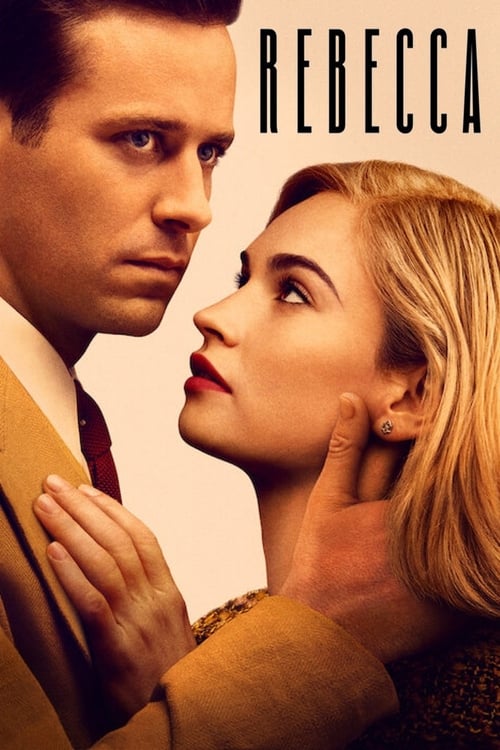
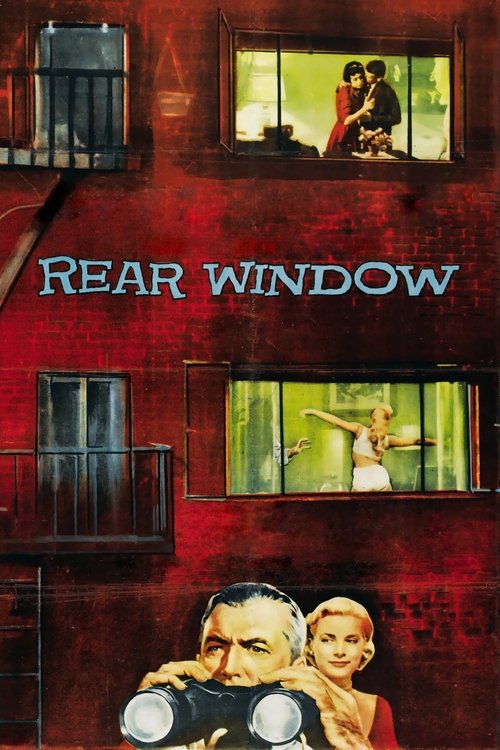
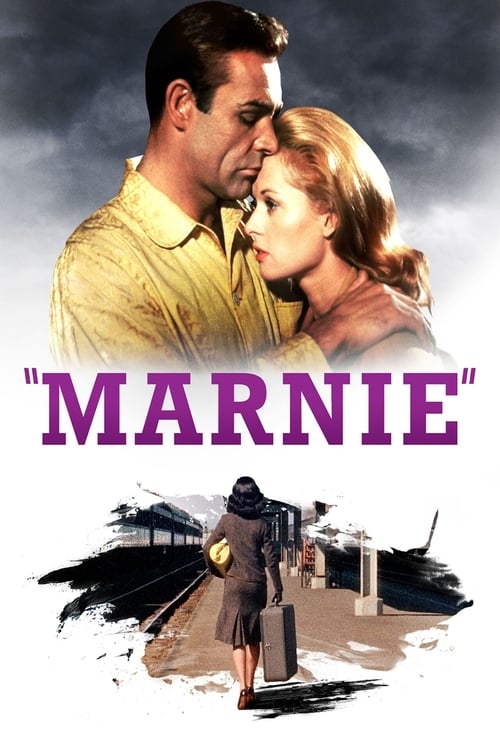
The films De Palma was in conversation with, and the directors who continued that conversation
Television That Refuses to Let Go
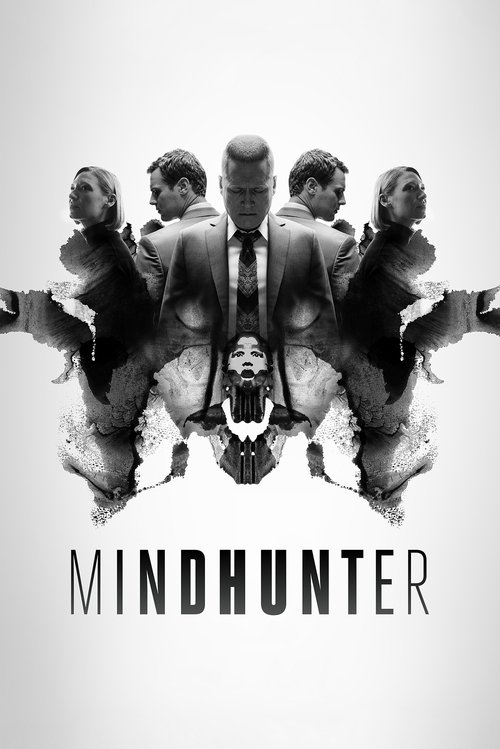
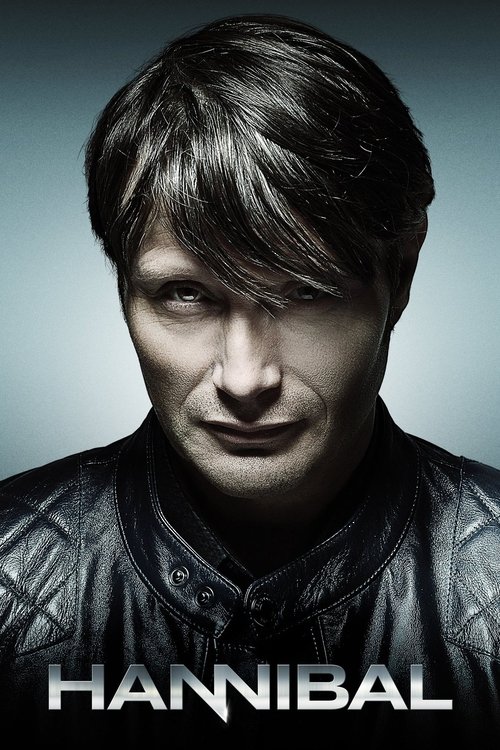
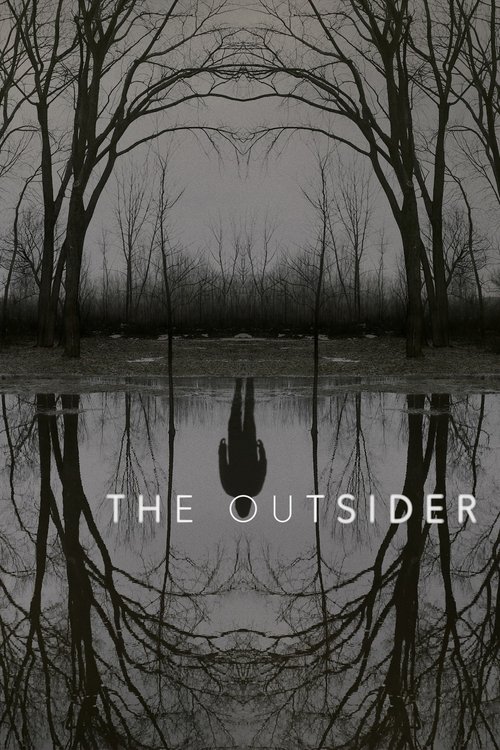
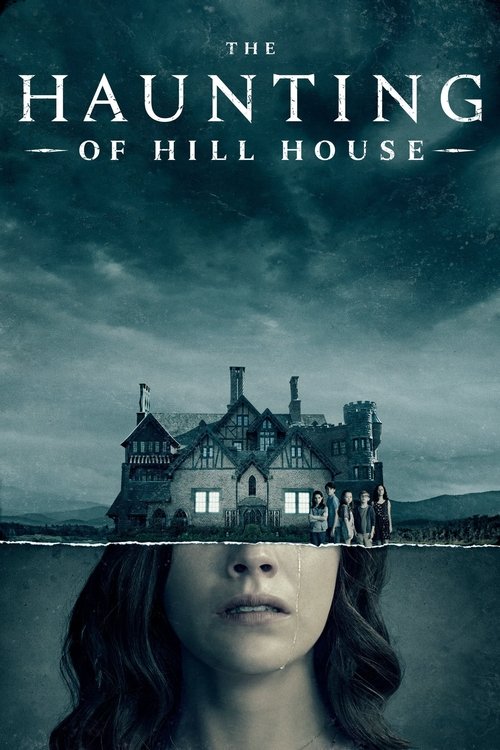
Series built on fixation, doppelgangers, and the past refusing to stay buried


Schrader's script is a confession, not a screenplay
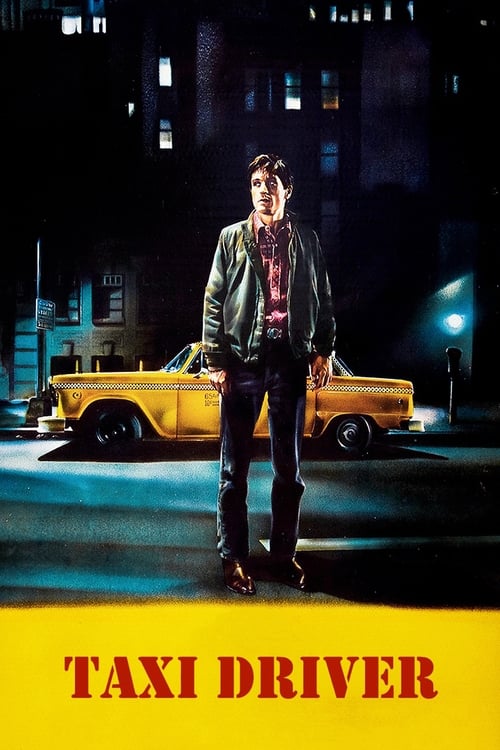
Paul Schrader wrote Obsession the same year he wrote Taxi Driver, and the two scripts rhyme. Both are about men who have turned their guilt into a project, who have decided that fixing something external will repair something internal. Cliff Robertson's Courtland is Travis Bickle without the violence, channeling the same compulsive energy into a love that is really a form of self-punishment. Schrader called the script his most personal work, which tells you everything about what he was working through at the time.
Games of Obsession and Identity
Games where the protagonist's grip on reality is the central mechanic




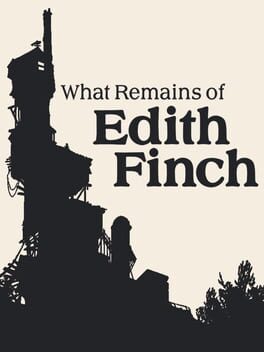



Herrmann's score is the real protagonist
Bernard Herrmann scored Obsession months before his death, and it sounds like a farewell to everything he had done with Hitchcock. The main theme, for strings and organ, circles without resolving, and De Palma loops it so relentlessly that by the end you cannot separate the music from the madness. It is arguably the most Herrmann-sounding score he ever wrote for anyone other than Hitchcock, which makes it one of cinema's great last statements.
The Lineage of the Obsessive Film
- 1940Hitchcock adapts du Maurier: the dead woman no living woman can displace Rebecca
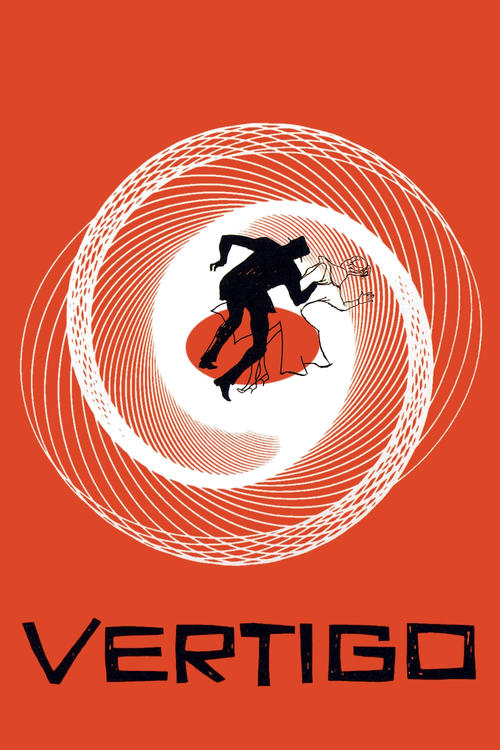
- 1958Hitchcock reaches his extreme: a detective who sculpts a woman to match his memory Vertigo
- 1963Fowles publishes the century's most disturbing novel of male fixation
- 1976De Palma and Schrader remake Vertigo as Freudian Southern Gothic, Herrmann's final score Obsession
- 1980De Palma doubles down: the voyeur who mistakes a movie for a murder Blow Out
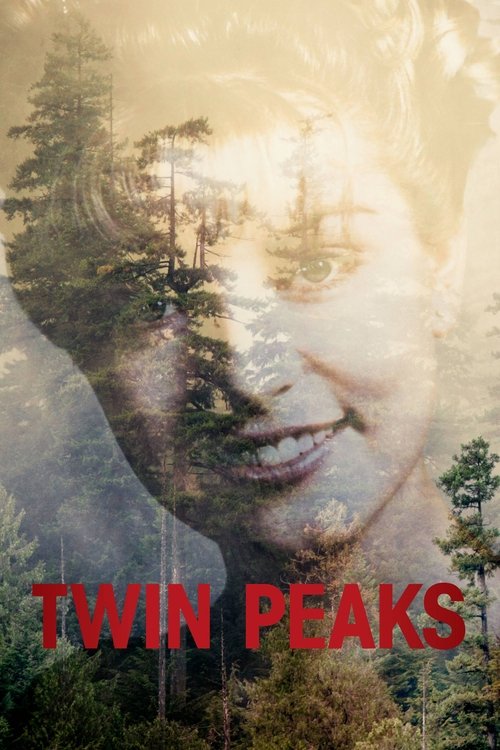
- 1990Lynch opens a portal: the dead woman whose image holds an entire town hostage Twin Peaks
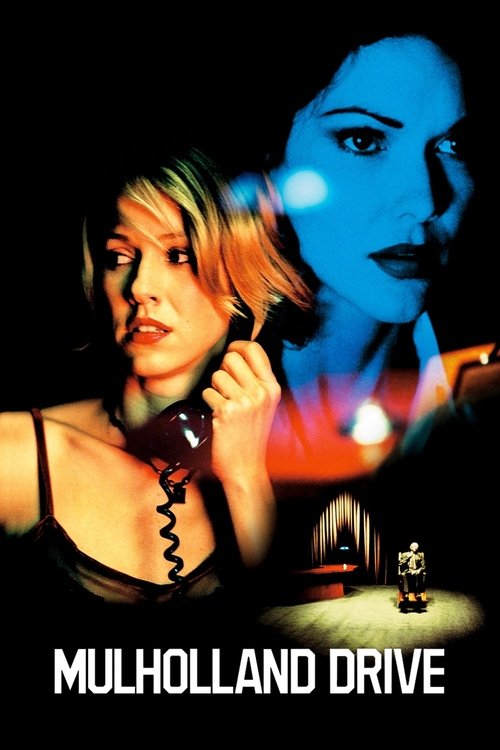
- 2001Lynch's purest dream-state: an actress, a box, and a woman who never was Mulholland Drive
- 2010Nolan scales obsession to blockbuster: the dead wife who contaminates every dream Inception
- 2017Lynch returns: Cooper trapped, the lodge, time refusing to move forward
Florence is not a location. It is a state of mind.
De Palma shoots the Villa San Miniato sequences like a man filming paradise knowing it cannot last. The soft light, the slow tracking shots, the organ swelling on the soundtrack: Florence in Obsession is not a city but a condition, the place where grief becomes something almost beautiful. This is the film's most underappreciated formal achievement: it makes you understand exactly why Courtland would do something insane, because for twenty minutes you feel what he feels.
The best Hitchcock films Hitchcock never made are all De Palma's
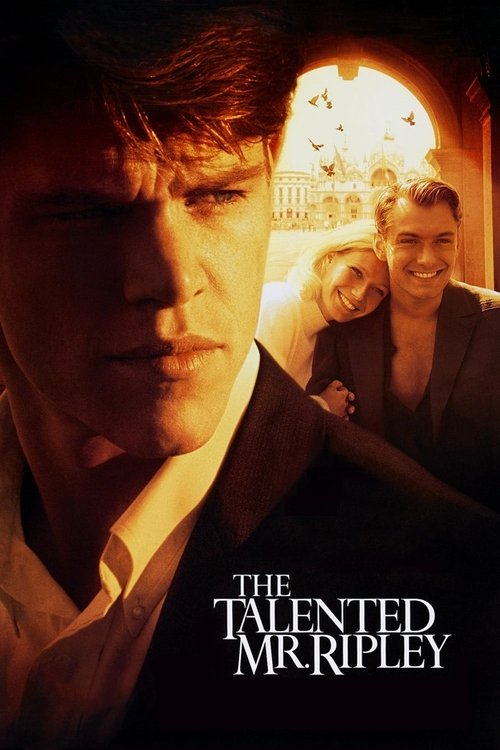
Critics spent the 1970s and 1980s dismissing De Palma as a copyist, which badly misreads what he was doing. Hitchcock was interested in suspense; De Palma is interested in compulsion. Where Hitchcock's camera is cool and ironic, De Palma's is involved, complicit, almost sick with sympathy for men who should know better. Obsession is the purest statement of this: it is a film that feels Hitchcockian on the surface and is something stranger underneath.