
Released in 2001, Origin of Symmetry is the record where Muse stopped being a Radiohead comparison and became something harder to categorize: a band willing to staple Rachmaninov chord progressions onto arena-ready riffs, to make Matt Bellamy's falsetto sound like it was physically straining against the gravity of the arrangement. The album's defining quality is controlled excess. Every element is turned up, yet nothing feels accidental. The distortion on "Plug In Baby" is surgical. The church organ on "Screenager" is genuinely unsettling. The seven-minute closer "Citizen Erased" moves through so many emotional registers it feels like a short film. Fans of this record are chasing a specific cocktail: colossal sound, melodramatic sincerity, classical structure hidden inside rock bombast, and a slight sense that the whole thing might tip into chaos at any moment. This guide follows that thread across music, film, TV, books, and games.
Essential Muse
The albums that define the arc from which Origin of Symmetry is the pivot point.
Same Maximalist Frequency
Albums and artists that share the same instinct to go bigger, stranger, and more orchestral than the genre usually allows.
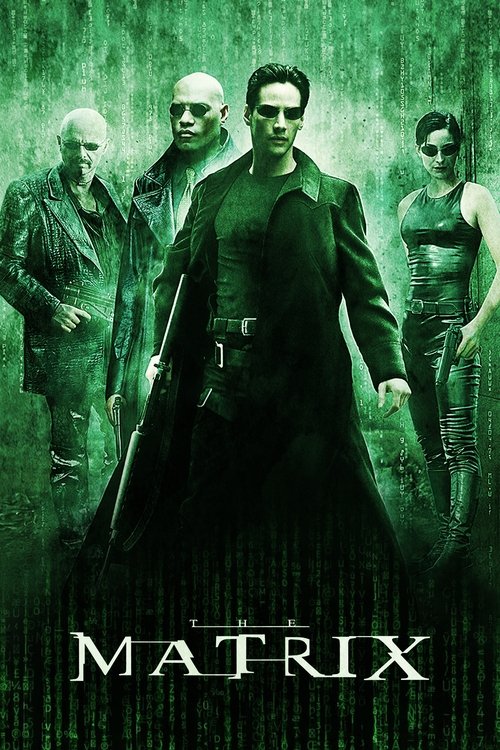
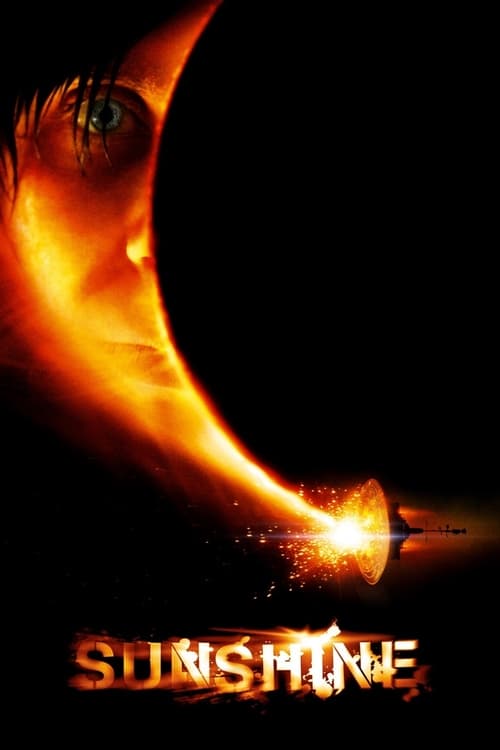
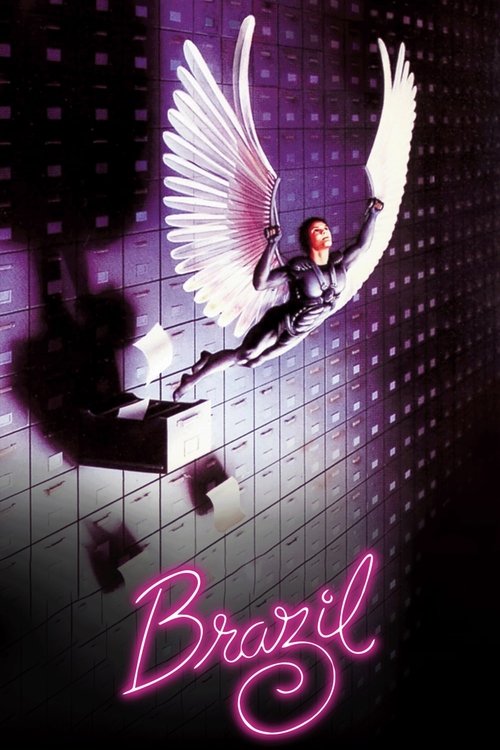
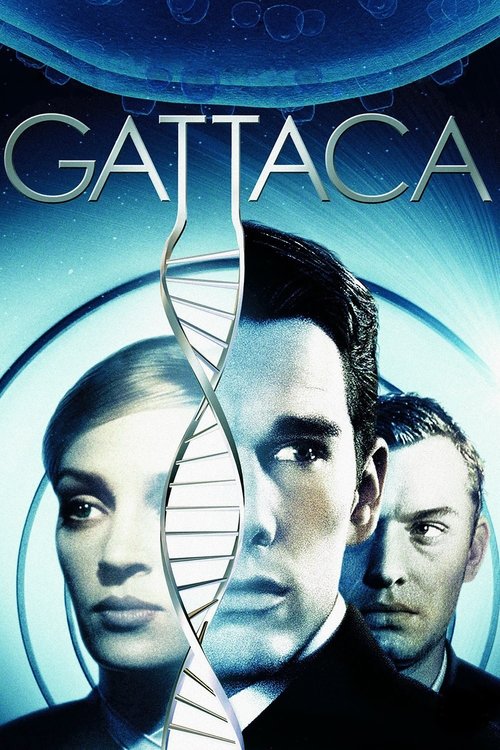
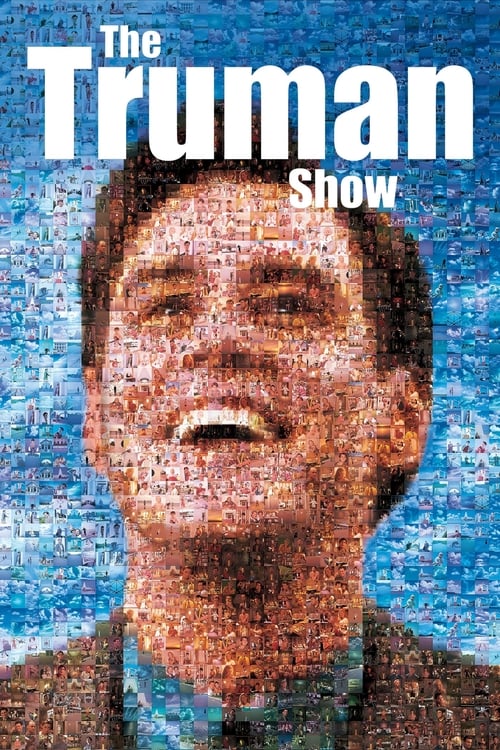
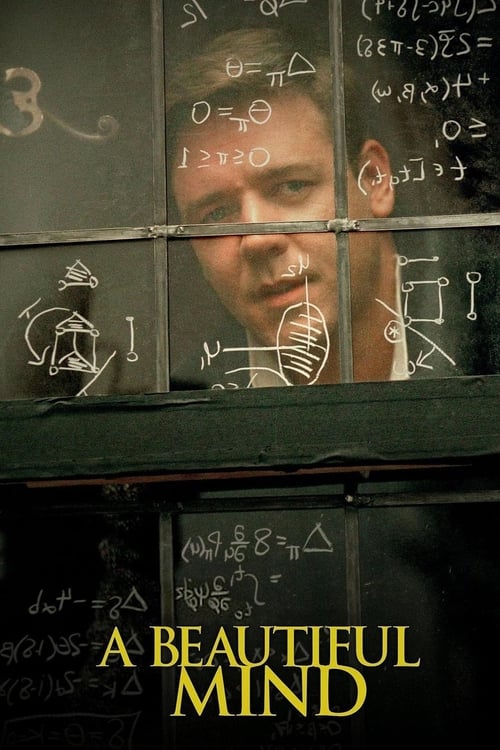
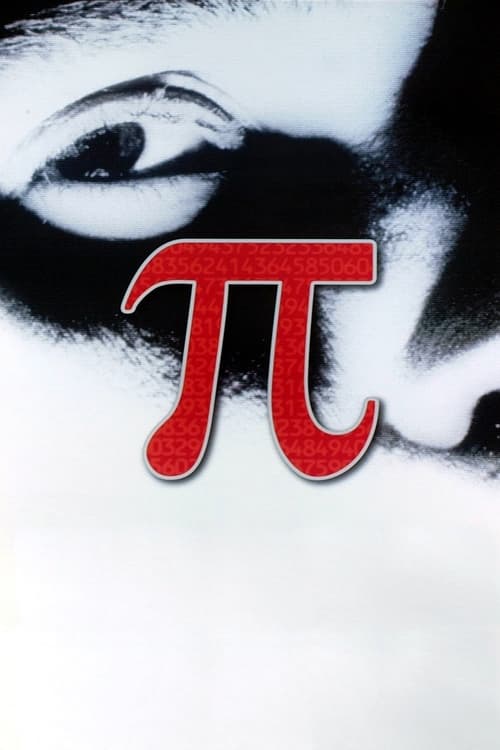
Films That Match the Energy
Paranoid protagonists, grand conspiracies, operatic emotions, and visuals that refuse to be small. These are the movies that feel like Origin of Symmetry sounds.




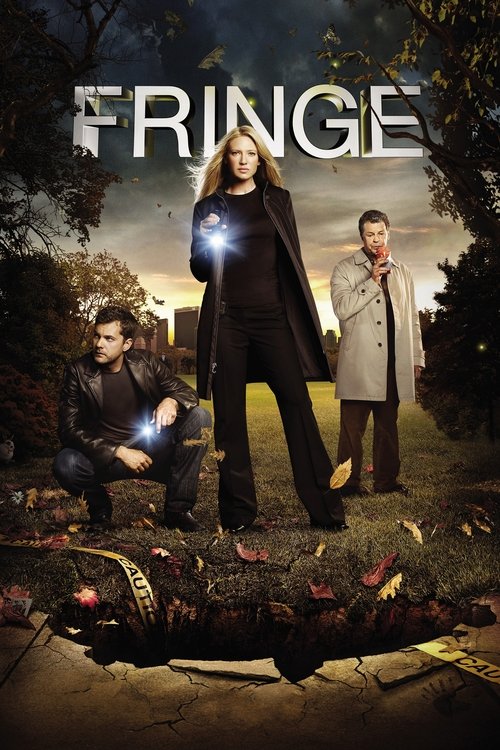
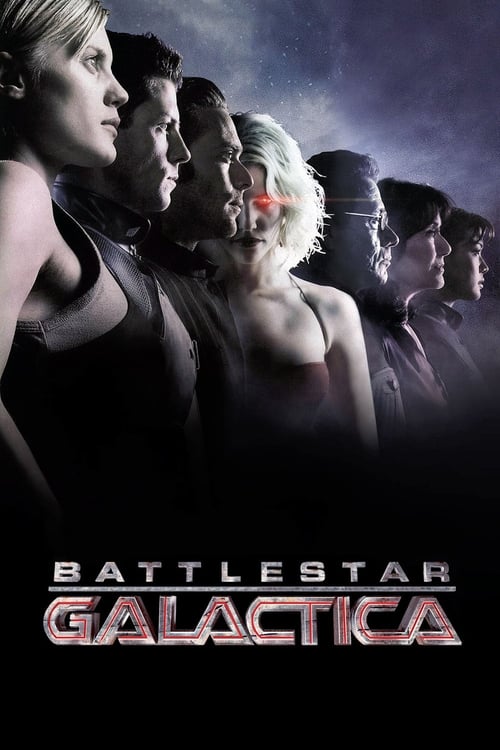
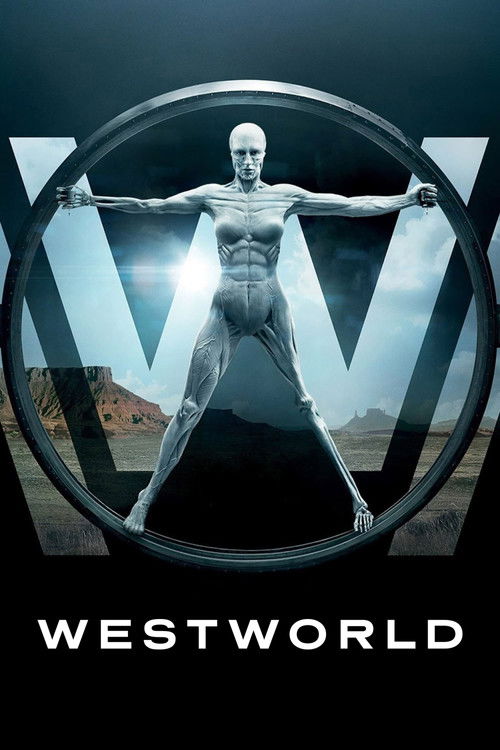
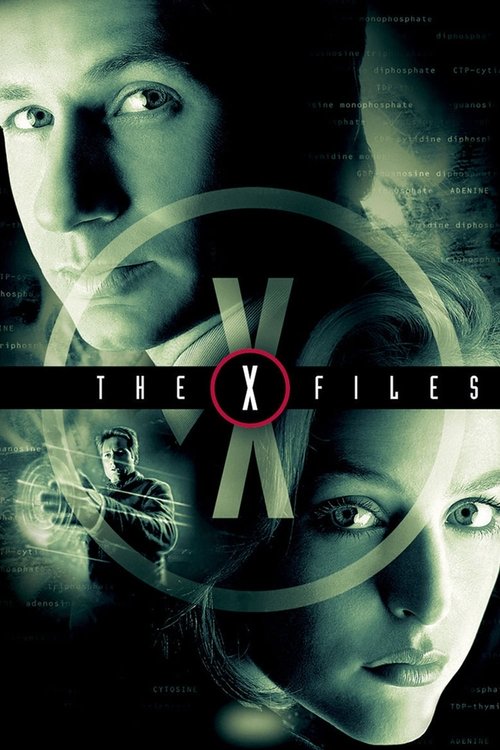
TV for the Paranoid and the Dramatic
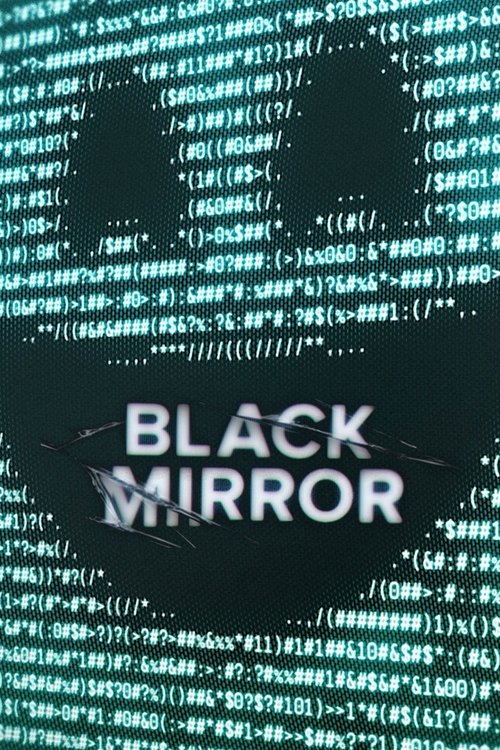
Series that operate at the same pitch: individual versus system, emotional overload played straight, conspiracies that might actually be real.


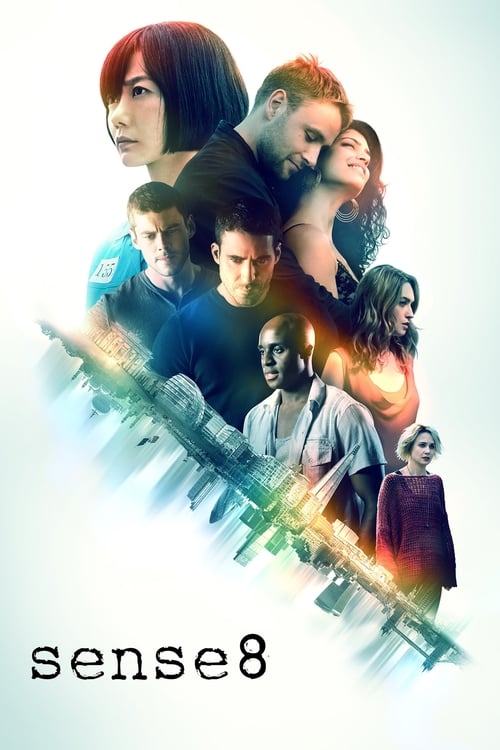
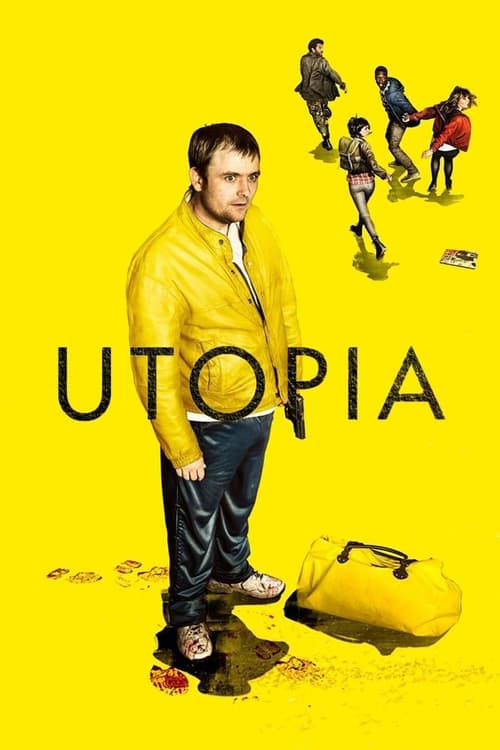
Books for the Riff-Minded Reader
Fiction that runs on the same anxiety, the individual awake inside a system that does not want to be questioned.


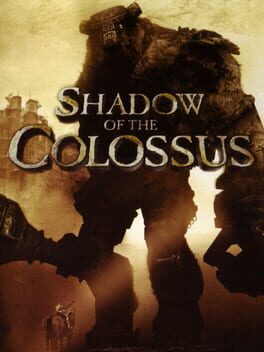
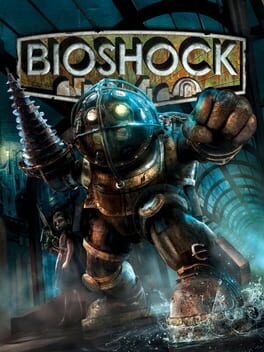
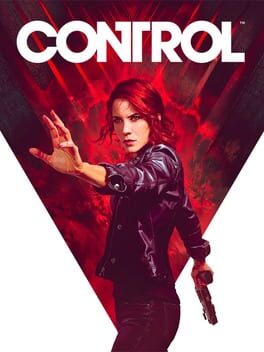
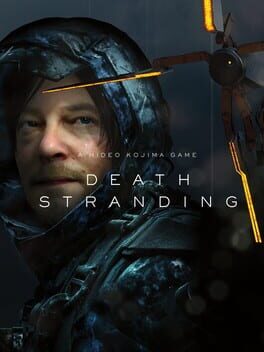
Games That Earn the Grand Gesture
Games that use scale and classical structure the way Origin of Symmetry does: not as spectacle for its own sake, but as the logical consequence of their emotional ambition.



Citizen Erased Is the Most Underrated Epic in 21st-Century Rock
Seven minutes is a long ask in 2001, when radio programmers were already measuring singles in seconds. Muse spent every one of them earning it. "Citizen Erased" opens as a slow-burn guitar piece, accelerates into Bellamy's most committed vocal performance on the record, and then strips itself back to a piano figure that sounds like the whole architecture caving in softly. It is a masterclass in dynamic contrast achieved without a single bar of filler. The closing minutes, where the band holds a single chord and lets Bellamy spiral over it, remain genuinely moving. Most bands spend an entire career trying to write one song this structurally confident.
The Classical Piano Training Is Not a Gimmick
Bellamy studied classical piano from childhood, and on this album that background stops being a background detail and becomes load-bearing. The Rachmaninov influence is not decorative: those chromatic descents, the left-hand ostinatos, the way the band treats harmonic tension as something to sustain across minutes rather than resolve at the chorus. Compare the chord movement on "Megalomania" to the verse of any straightforward alt-rock track from the same year. The gap is enormous. This is why Muse kept fans who eventually found Radiohead too cold and prog fans who found Coldplay too clean: the music is technically literate without being academic.
Dark City Deserved the Same Second-Life as The Matrix
Released a year before The Matrix and sharing most of its visual grammar (neo-noir dystopia, one man against an omnipotent architecture of control, a city that is literally reconfigured at will), Alex Proyas's Dark City is the better philosophical film and got a fraction of the cultural footprint. The Matrix had bullet-time. Dark City had Rufus Sewell and a genuinely unsettling score by Trevor Jones. Both films belong on the same shelf as Origin of Symmetry: paranoid, operatic, committed to their own internal logic at the expense of conventional pacing.
House of Leaves Is the Literary Equivalent of Hostel Architecture
Mark Z. Danielewski's novel works on the same principle as the best tracks on Origin of Symmetry: the structure is the content. A house that is larger on the inside than the outside should not be frightening, but because the book forces you to physically navigate its footnotes and appendices, you feel the wrongness rather than just reading about it. Fans of Muse's tendency to build songs that feel architecturally unsound, where the bridge arrives from a direction the chorus didn't suggest, will recognize the same instinct: make the form reflect the anxiety.
The Road to and from Origin of Symmetry
- 1999Muse debut with a record that already contains the melodrama, just not yet the orchestration. Showbiz
- 2001Origin of Symmetry released. UK labels reject it as uncommercial. It goes on to define an era. Origin of Symmetry
- 2001Donnie Darko arrives in cinemas the same year, sharing the album's atmosphere of suburban unease turned apocalyptic. Donnie Darko
- 2003Absolution proves the classical ambition was not a one-album experiment. Absolution
- 2006Black Holes and Revelations takes the politics implicit on Origin of Symmetry and makes them explicit. Black Holes and Revelations
- 2009The Resistance adds a three-part symphony. Bellamy's classical influences become the album's literal structure. The Resistance
- 2011Nier (later remastered as Nier Replicant) shows games can use the same blend of operatic score and bleak systemic critique. NieR: Automata
- 2016Westworld arrives on TV, applying the same paranoid architecture to the prestige drama format. Westworld
We wanted it to sound like it was about to collapse but never actually did. That tension was the whole point.Matt Bellamy, on the recording of Origin of Symmetry