
Over Your Dead Body (2014) works a simple, devastating trap: a theatre company rehearses the classic Japanese ghost play Yotsuya Kaidan, and the actors start living out its poisoned love triangle offstage. Takashi Miike strips out the frenzied excess he is known for and replaces it with suffocating stillness, letting the kabuki ritual absorb the modern story until you can no longer tell which is performance and which is reality. What fans of this film chase is a specific feeling: dread that arrives through ceremony rather than shock, stories where an ancient text or structure bends the present to its will, and romantic obsession that curdles so slowly you hardly notice it turning lethal. That combination of theatrical formalism, onryō folklore, and psychological claustrophobia connects a distinct body of work across every medium.
Essential Takashi Miike
The director's range is enormous; these are the films that share Over Your Dead Body's patience and dread.


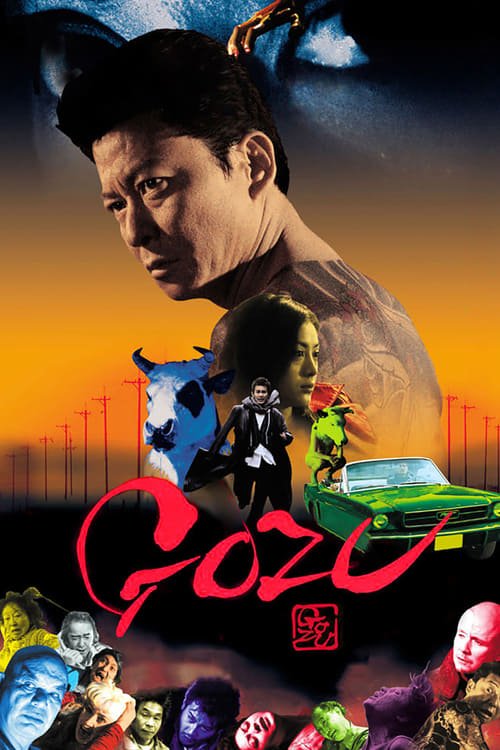
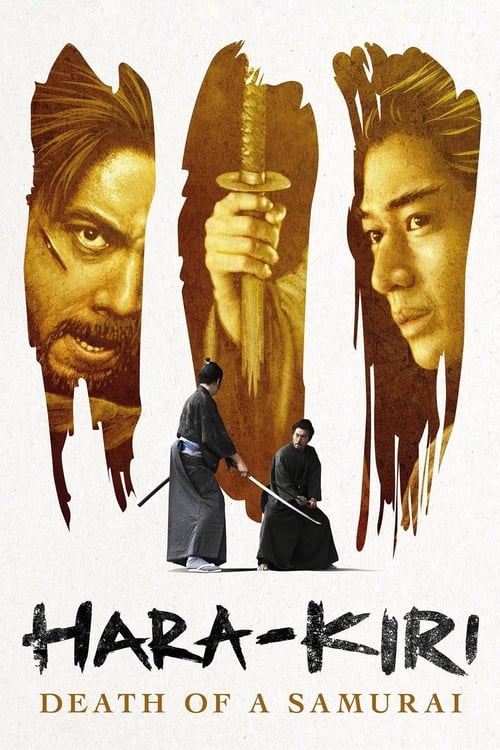
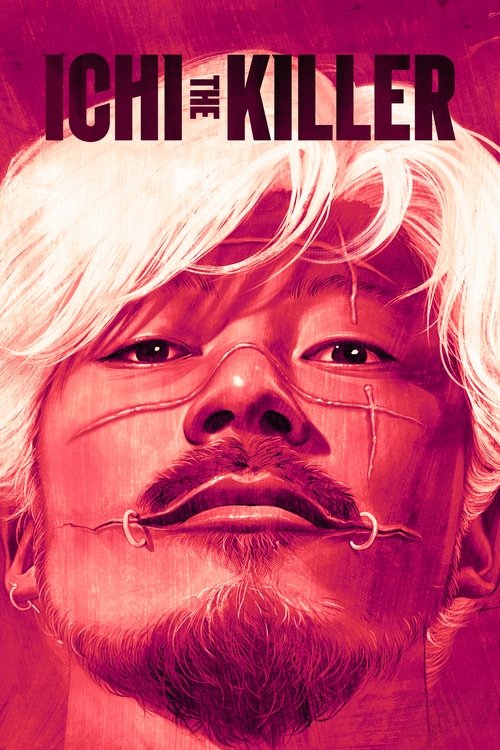
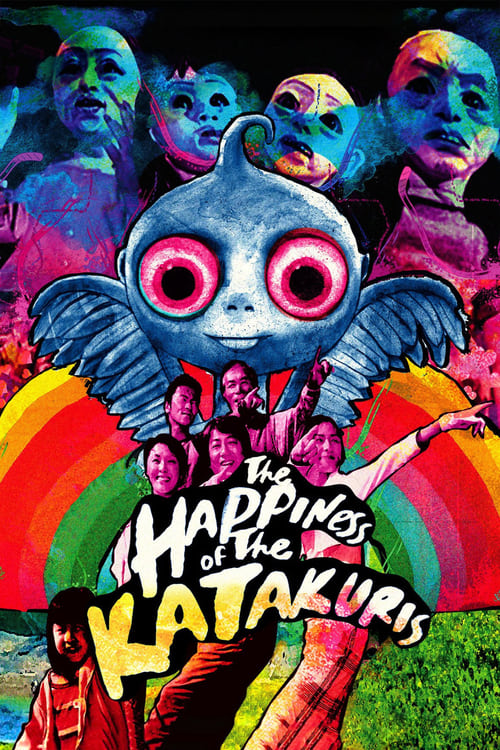
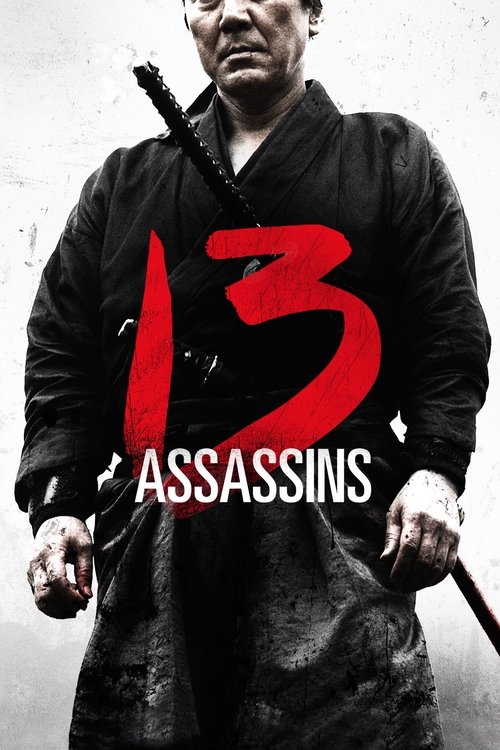
Miike's quietest film is also his most unsettling
The director built his reputation on velocity and provocation, so the almost static pace of Over Your Dead Body disarms viewers who arrive expecting something like Ichi the Killer. The film's horror lives entirely in what is withheld: a look held a beat too long, a costume change that happens at the wrong moment, a rehearsal scene that begins to mirror reality with surgical precision. The violence, when it arrives, feels less like a shock and more like a logical conclusion the film has been walking toward for ninety minutes. This patience is the rarest thing Miike has ever put on screen.
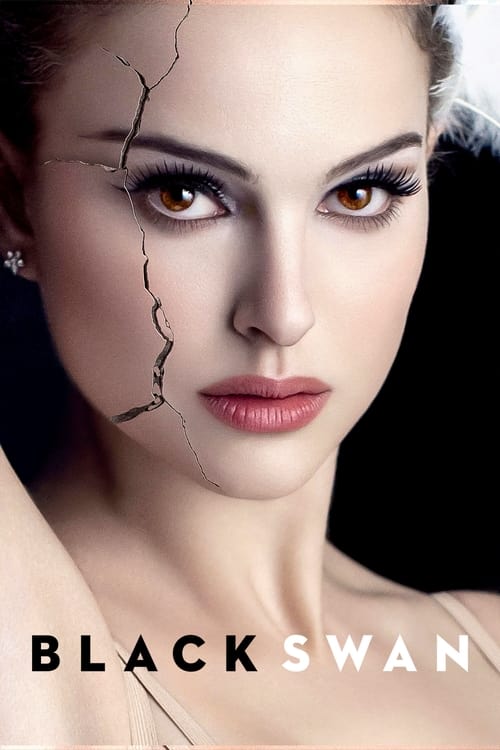
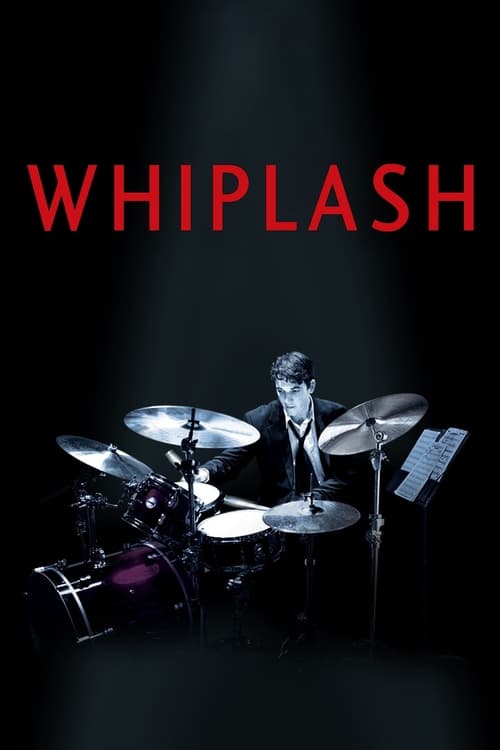
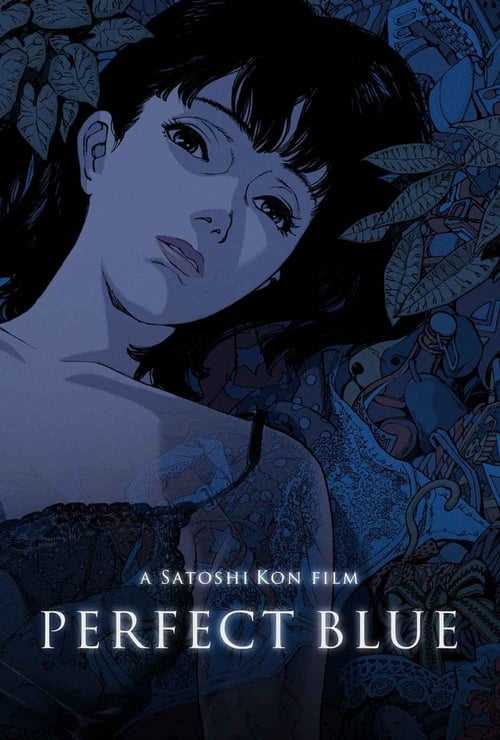
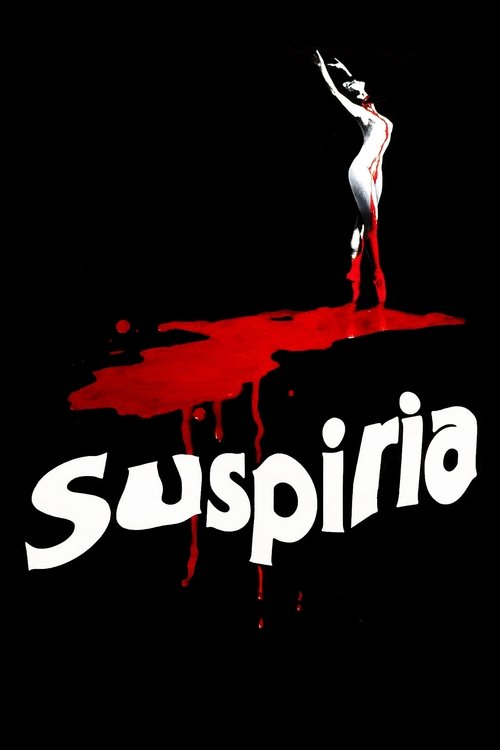
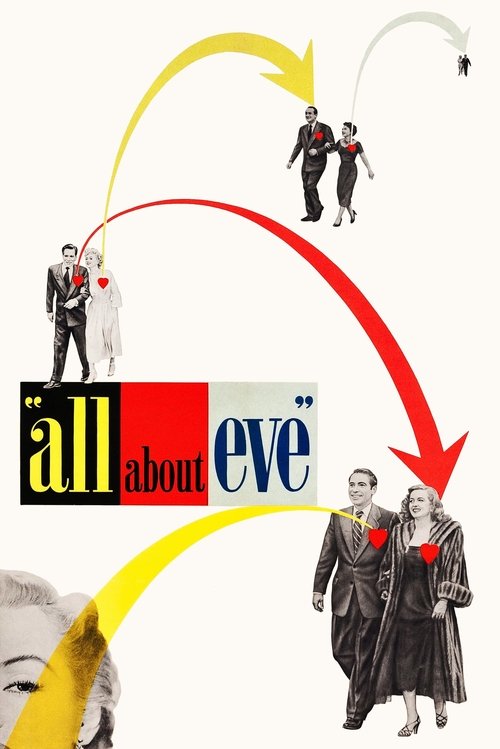
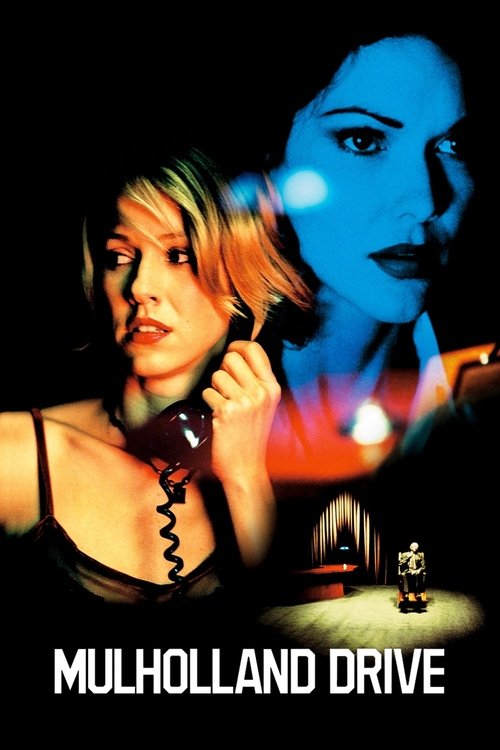
Theatre Bleeding into Reality
Films and series where performance, ritual, or fiction consumes the people inside it.


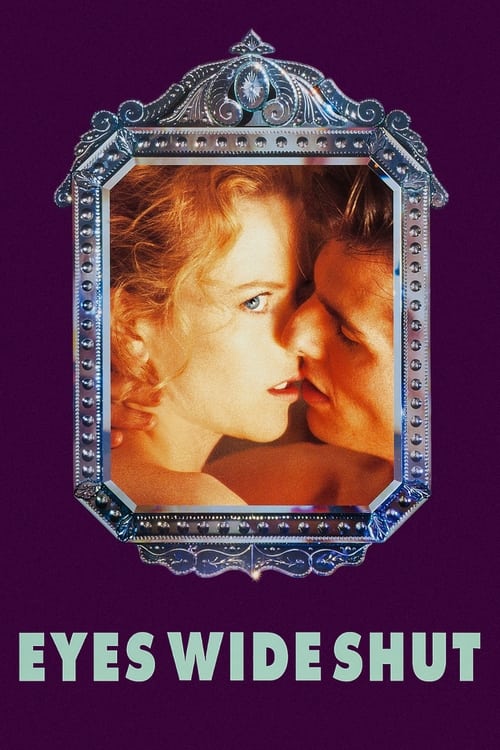
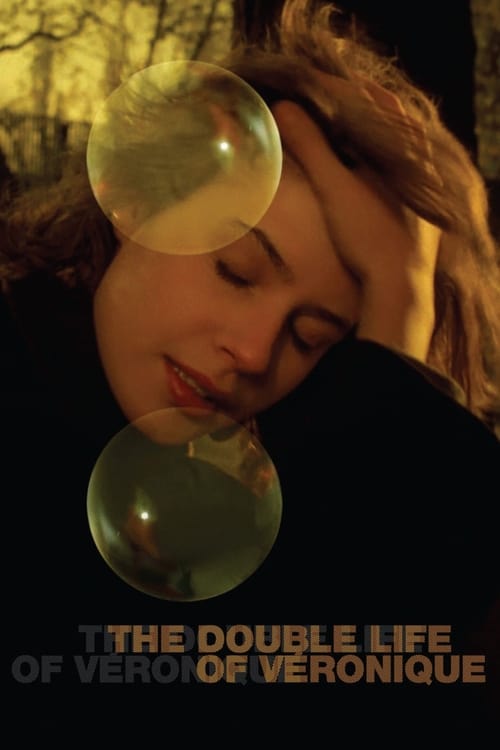
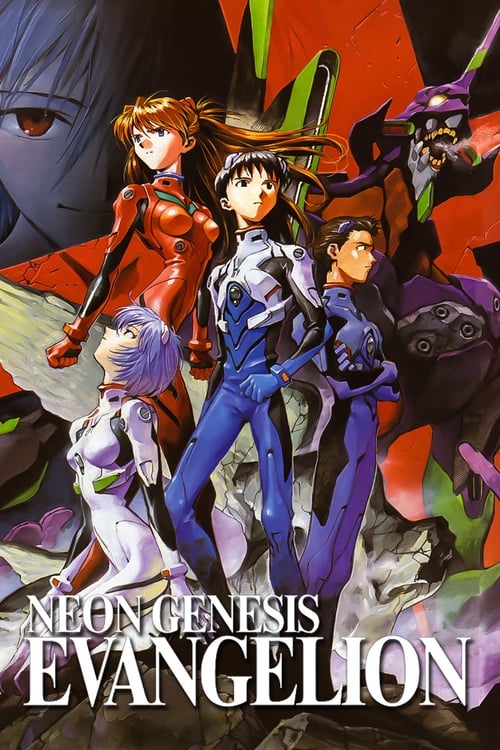
Japanese Ghost Stories and Onryo Horror
The tradition Yotsuya Kaidan belongs to, across film, television, and games.
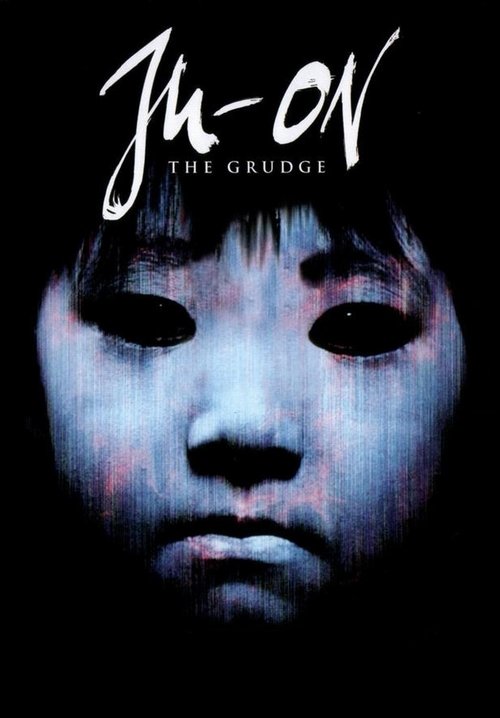
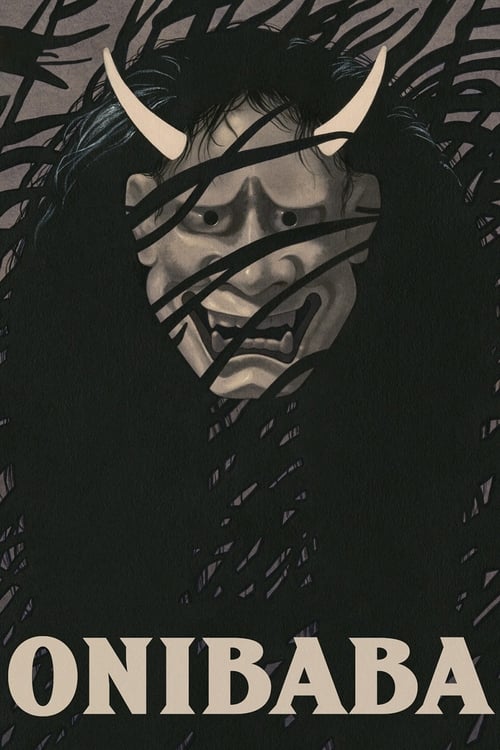
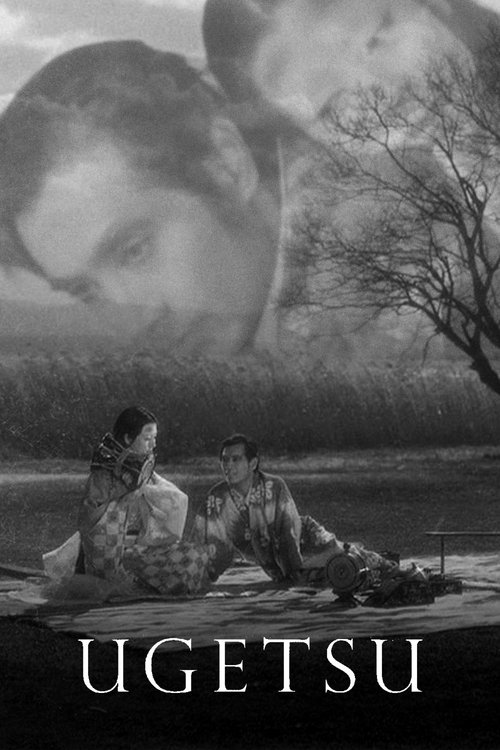
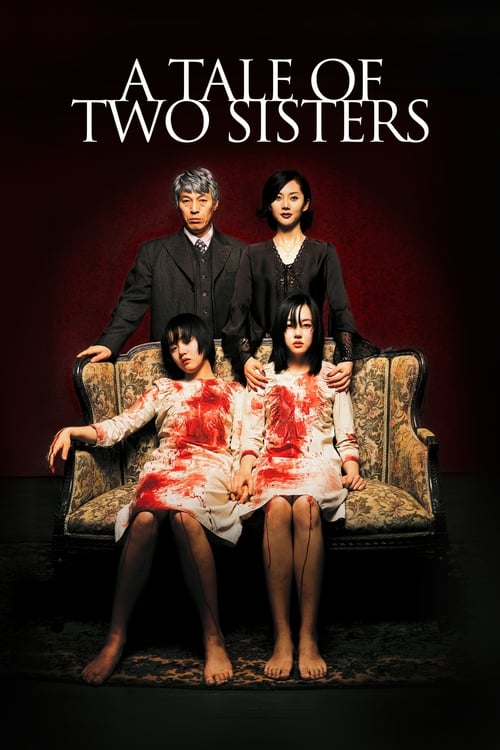

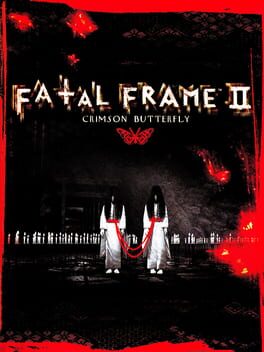
Yotsuya Kaidan has haunted Japan for two centuries because it understands that the scariest ghost is one with a reason.Over Your Dead Body fan note
The Source and the Canon: Jealousy, Betrayal, and the Supernatural in Literature
Novels and plays that share the same DNA of obsessive love warping into something monstrous.


Yotsuya Kaidan is the story Japanese horror keeps retelling
The original kabuki play, written by Tsuruya Nanboku IV in 1825, established the onryō as a distinctly female form of supernatural revenge: a woman wronged by a faithless man returns not to frighten randomly but to exact precise, patient justice. Over Your Dead Body is the latest in a long chain of adaptations because the story refuses to date. Its central terror is not the ghost but the man who made her one, and the modern cast's relationship dynamics map onto the source material with a tightness that makes the whole film feel inevitable.
Games Where Ritual and Atmosphere Do the Horror
Games that replace jump scares with dread built through setting, folklore, and slow revelation.
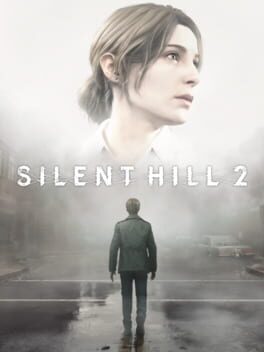
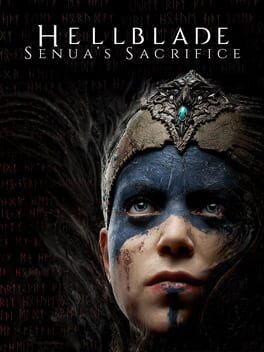
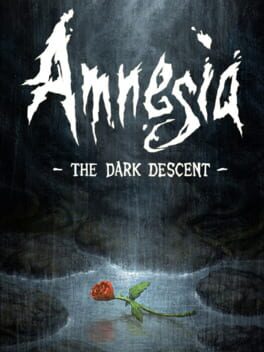
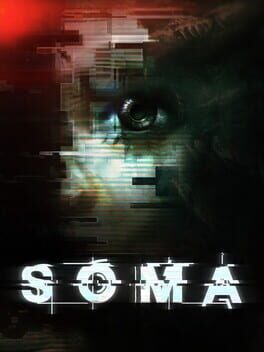
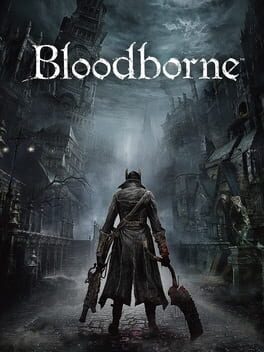

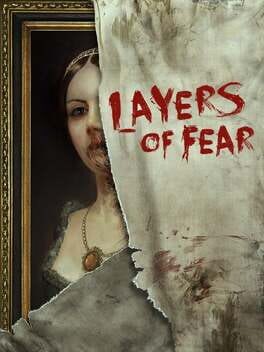
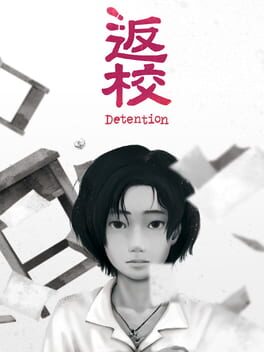
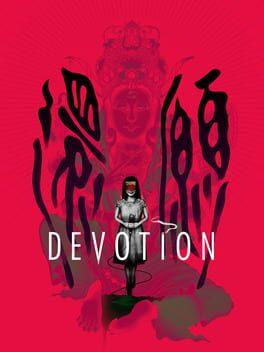
Detention and Devotion are the games Over Your Dead Body fans need to find
Both games by Red Candle Games are rooted in Taiwanese history and folklore rather than Japanese, but they share Over Your Dead Body's core method: a specific cultural ritual (in Detention's case, martial law and Taoist ghost-month customs; in Devotion, 1980s Taiwanese family religion gone wrong) becomes the mechanism through which psychological horror is delivered. Neither relies on monster design or cheap scares. Both punish the player with guilt rather than violence. They are as close as games have come to what Miike achieved with Yotsuya Kaidan.
Two Centuries of Yotsuya Kaidan
- 1825Tsuruya Nanboku IV premieres the kabuki play Tokaido Yotsuya Kaidan in Edo, establishing Oiwa as Japan's defining female ghost.
- 1949First major postwar film adaptation.
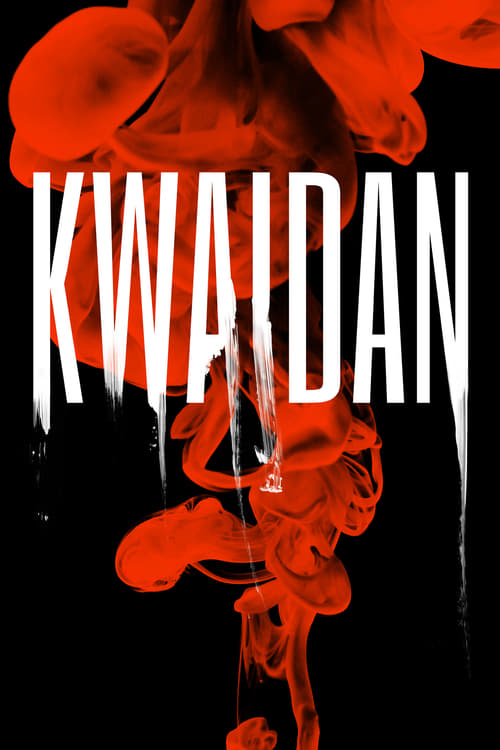
- 1964Masaki Kobayashi anthologizes the wider Japanese supernatural tradition. Kwaidan
- 1998Hideo Nakata's Ringu globalizes the onryo and reshapes Western horror.
- 2002Ju-On: The Grudge deepens the vengeful female ghost into pure atmosphere. Ju-on: The Grudge
- 2003Fatal Frame II: Crimson Butterfly brings the tradition into games. Fatal Frame II: Crimson Butterfly
- 2014Takashi Miike returns the ghost story to its theatrical source in Over Your Dead Body. Over Your Dead Body
- 2017Detention embeds similar ritual horror into Taiwanese martial-law history. Detention
- 2019Devotion continues Red Candle's folk-horror tradition. Devotion
The scariest horror is inherited
What separates the films, books, and games in this orbit from ordinary horror is their relationship to history and tradition. Over Your Dead Body is scary partly because Yotsuya Kaidan has been performed continuously for two hundred years, with superstitions built around its production (actors who play Oiwa reportedly visit her shrine before filming). The horror is borrowed from something older than cinema. The same is true of Kwaidan, of Bloodborne's Victorian occultism, of Beloved's slavery-haunted grief. The weight of an actual tradition lends these works a gravity that invented mythology almost never achieves.