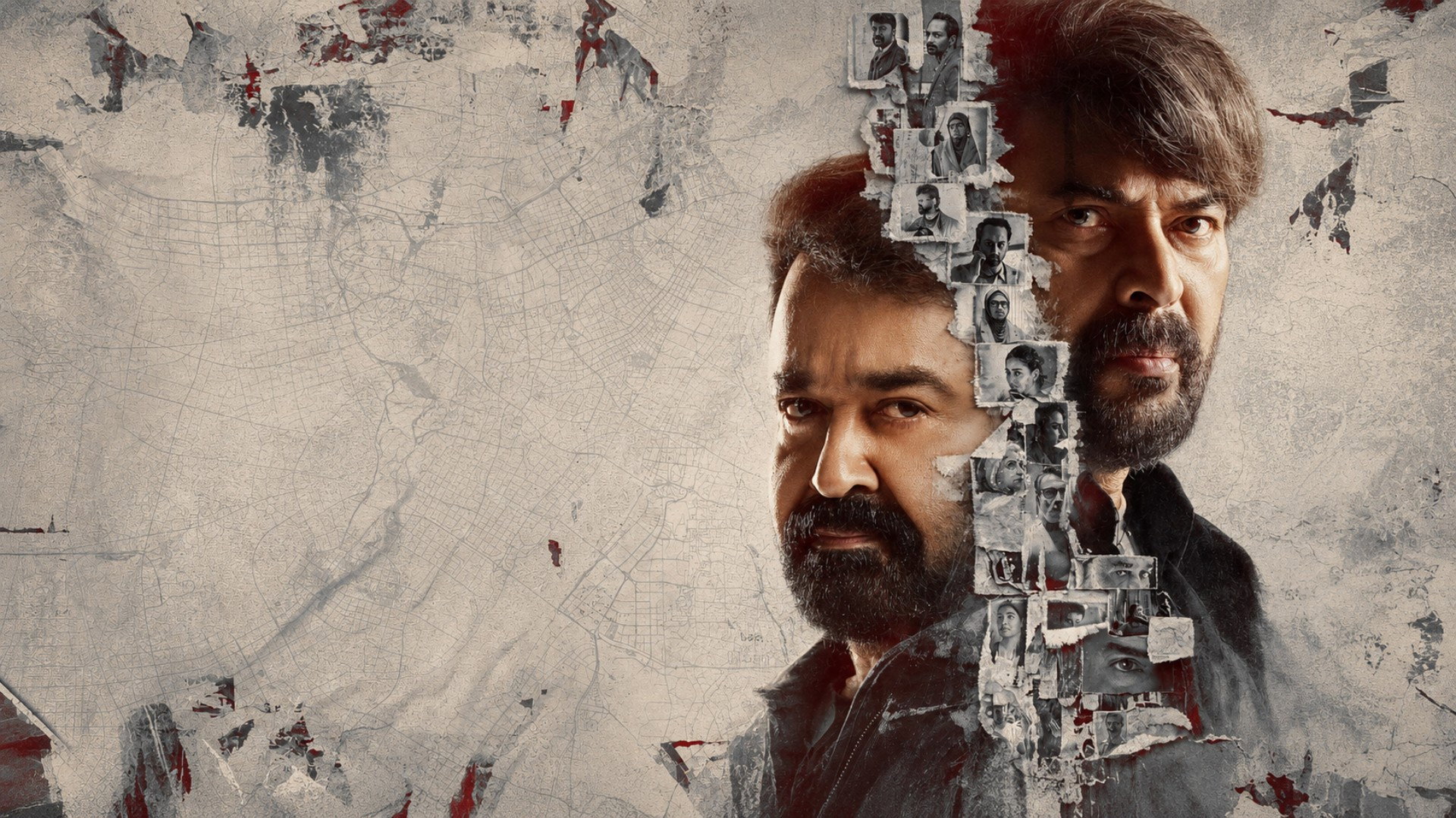

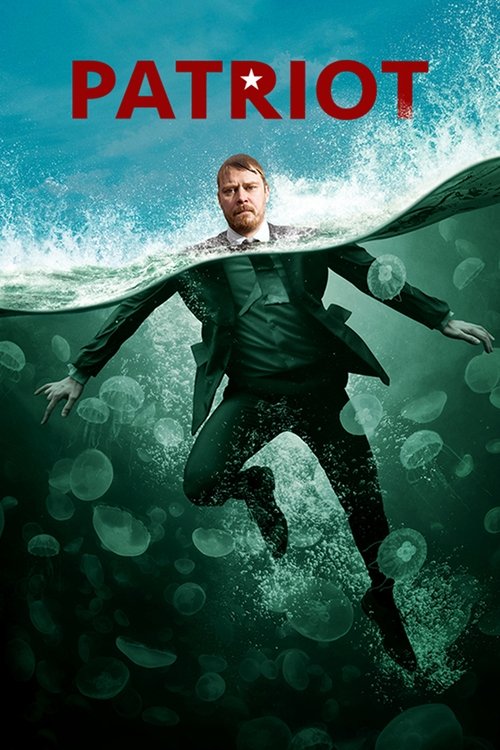
John Tavner doesn't want to be a spy. He wants to play folk music in coffee shops and be left alone with his grief. Instead he keeps getting sent to Luxembourg to launder money and accidentally kill people. Steve Conrad's Patriot (Amazon, 2015-2018) is one of the strangest and most precisely felt shows of its decade: a workplace comedy about the CIA where the joke is always that these institutions are run by frightened, mediocre humans who will absolutely ruin your life while meaning well. The show's signature is tonal whiplash held together by deadpan sincerity. Violence is matter-of-fact. Bureaucracy is lethal. And underneath every absurdist set piece is a portrait of a man carrying so much sorrow he can only offload it into songs nobody asked to hear. Fans of Patriot are chasing a specific thing: the comedy of incompetence, the weight of inherited duty, the feeling that the most dangerous thing in the room is a process memo. This guide finds that feeling across film, television, games, books, and music.
The Spy Who Could Not Function
Films and series where intelligence work is portrayed as chaos management by exhausted amateurs.

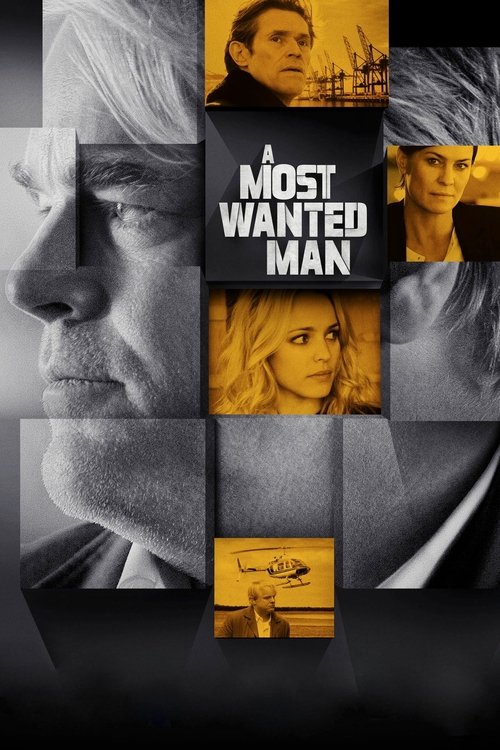
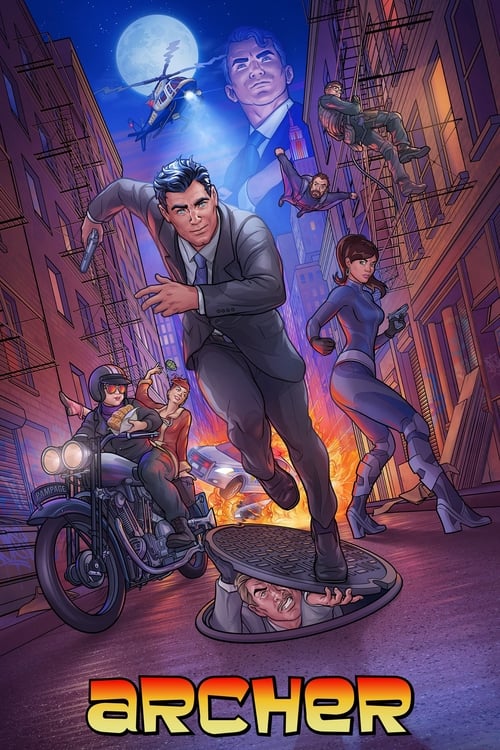
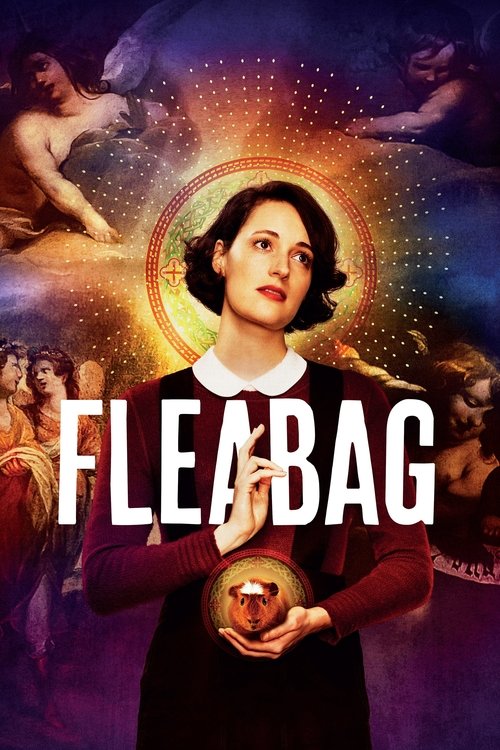
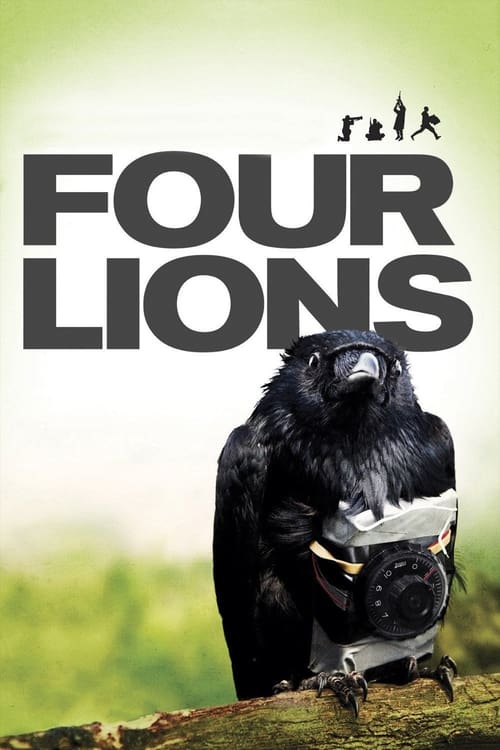
Deadpan Grief: Dark Comedy That Takes Its Pain Seriously
Shows and films that make you laugh at things you should probably cry about.
Paperwork and Paranoia: The Literary Spy Tradition
The novels that treated espionage as a gray, exhausting, morally corrosive profession long before television caught up.


Missions That Go Wrong in Quiet, Procedural Ways
Games where plans collapse, institutions betray you, and competence is never guaranteed.
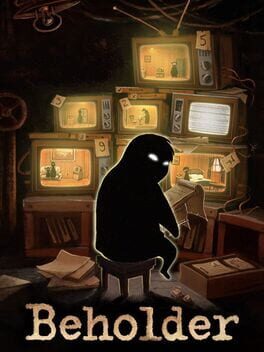
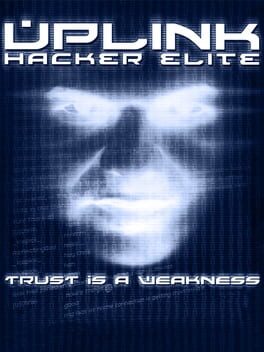
The Sound of Quiet Devastation
Folk, Americana, and sparse singer-songwriter records that carry the same mournful register as John Tavner performing at a Milwaukee open mic.
The Show's Real Subject Is Inherited Obligation
John Tavner is not a spy by choice. He's a spy because his father is, and because the family's entire emotional architecture is built around duty that nobody consented to. Patriot is sharper than most shows about institutions because it understands that institutions recruit through family, through guilt, through the slow accumulation of favors and precedents. The comedy of the show is inseparable from this: John is catastrophically unsuited to the work, and yet the work keeps finding him, because that's how family works.
John le Carre Invented the Template, But Television Finally Made It Feel Right
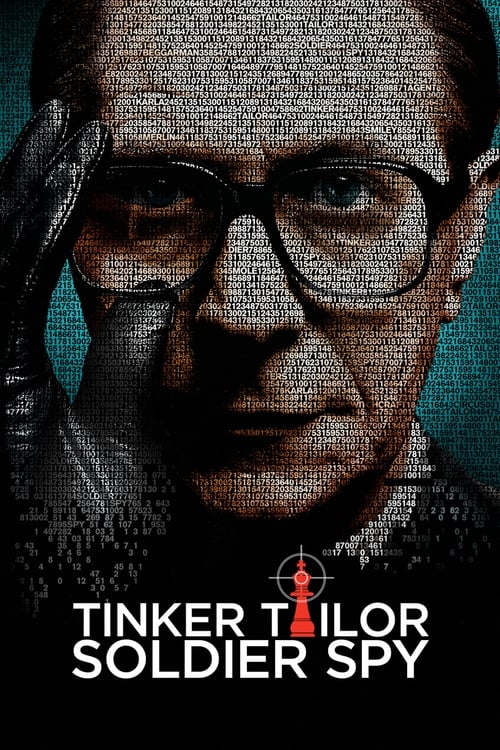
Le Carre's great insight was that the Cold War spy apparatus was primarily a machine for producing broken men with plausible cover stories. Tinker Tailor Soldier Spy and The Spy Who Came in from the Cold have that bleakness on the page. The 2011 Tinker Tailor film nails the texture: an office, bad coffee, silence, bureaucratic violence. Patriot is the television heir to that tradition, updated to include American corporate-speak and a much darker sense of humor about what these agencies actually do to people.
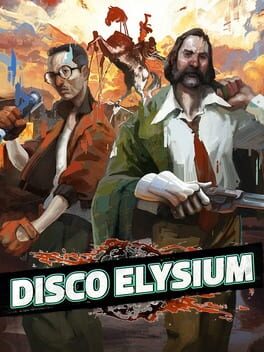
Disco Elysium Is the Closest a Game Has Come to This Feeling
The protagonist of Disco Elysium is a broken man doing a job he is deeply unqualified for, in a city that doesn't care about him, haunted by things he can't quite remember. The game's tone swings between absurdist comedy and genuine devastation in the same way Patriot does, and both works share a belief that procedural systems (police work, espionage, municipal bureaucracy) are primarily environments that reveal character and inflict damage. The writing density and the deadpan delivery are the tells.
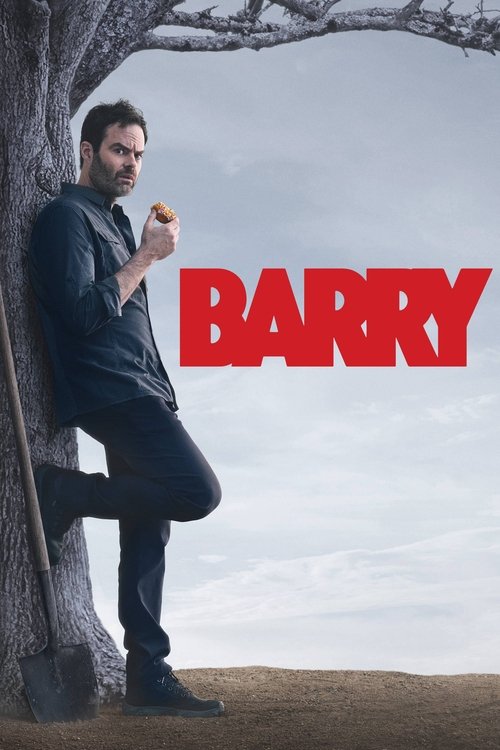
Barry Picked Up Where Patriot Left Off (And Got Darker)
After Patriot was cancelled, its spiritual successor arrived almost immediately. Barry shares the same premise structure: a man with violent skills trying to have a normal life, failing, getting pulled back in. Both shows treat killing as a bureaucratic problem as much as a moral one. Both are very funny and then, abruptly, not funny at all. The main difference is that Barry leans further into tragedy and Patriot into absurdism, but the emotional register is close enough that fans of one almost always find the other.
The Folk-Noir Spy Tradition: A Timeline
- 1958Graham Greene's spy-farce establishes that comic incompetence and real danger can coexist Our Man in Havana
- 1963Le Carre publishes the foundational bleak-espionage novel; the genre's emotional template is set The Spy Who Came in from the Cold
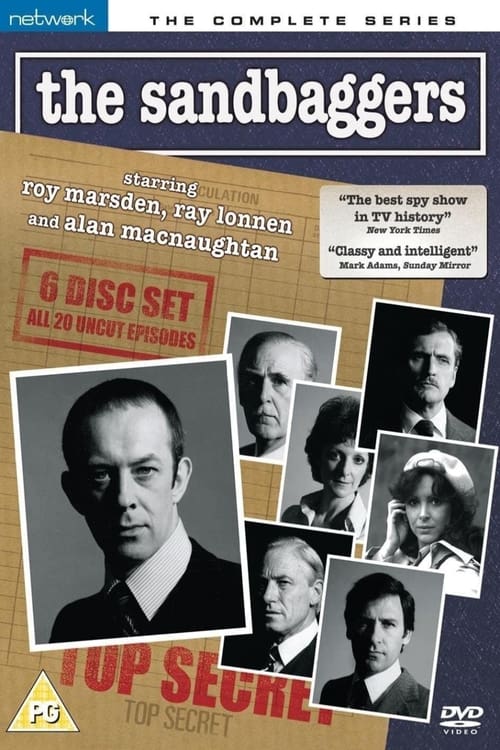
- 1979The Sandbaggers debuts on ITV: bureaucratic process as the primary weapon and obstacle in intelligence work The Sandbaggers
- 1983A Perfect Spy, le Carre's most autobiographical novel, makes the spy's divided self the explicit subject A perfect spy
- 2001Sufjan Stevens begins the Fifty States project; his maximalist folk becomes the sonic model for American interiority Illinois
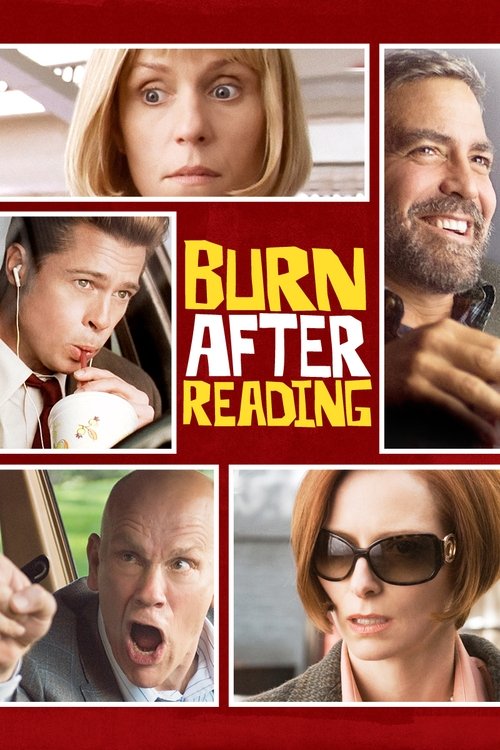
- 2008Burn After Reading arrives: CIA as collection of self-interested idiots; the first studio film to treat the agency as pure farce Burn After Reading
- 2011The Tinker Tailor film adaptation sets the visual and tonal template for prestige slow-burn espionage Tinker Tailor Soldier Spy
- 2013Papers, Please reframes bureaucratic systems as both trap and moral test, opening a new genre in games Papers, Please
- 2015Patriot premieres on Amazon: folk songs, industrial pipe cover-ups, Luxembourg, and the worst operatives in CIA history Patriot
- 2019Disco Elysium releases; the game brings the broken-civil-servant-as-protagonist to its fullest literary expression Disco Elysium
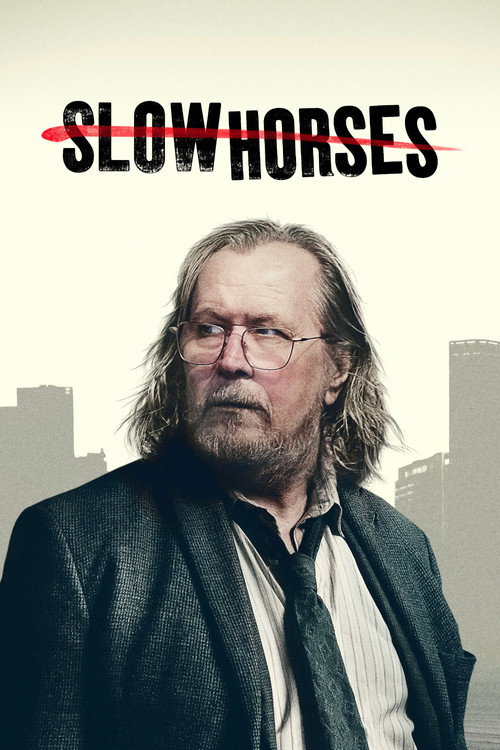
- 2022Slow Horses adapts Mick Herron's Slough House novels: institutional failure, inept agents, real stakes Slow Horses
The question the show keeps asking is not whether John will complete the mission. It's whether completing the mission will leave anything of John worth saving.On Patriot (Amazon, 2015-2018)