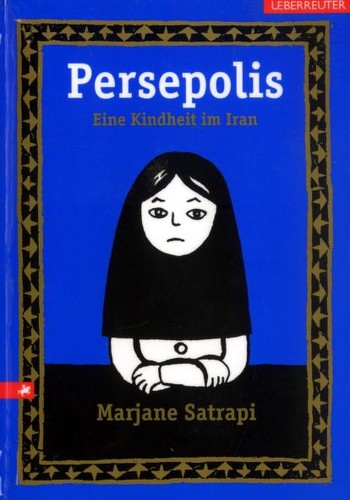

Persepolis does something almost no memoir manages: it makes the sweep of revolution feel intimate, and the intimacy feel historically necessary. Marjane Satrapi drew her Iranian childhood and European exile in stark black and white, and the contrast is not just aesthetic. It is the book's argument. Readers who love Persepolis are chasing a specific combination: autobiography used as political witness, a visual language that strips away sentimentality without stripping away warmth, and a narrator who refuses to be a symbol even as her life is shaped entirely by symbolic forces. The four volumes trace a girl becoming a woman who becomes, above all, someone who survived and chose to speak.
Graphic Memoirs That Bear Witness
First-person comics that use the page as political record


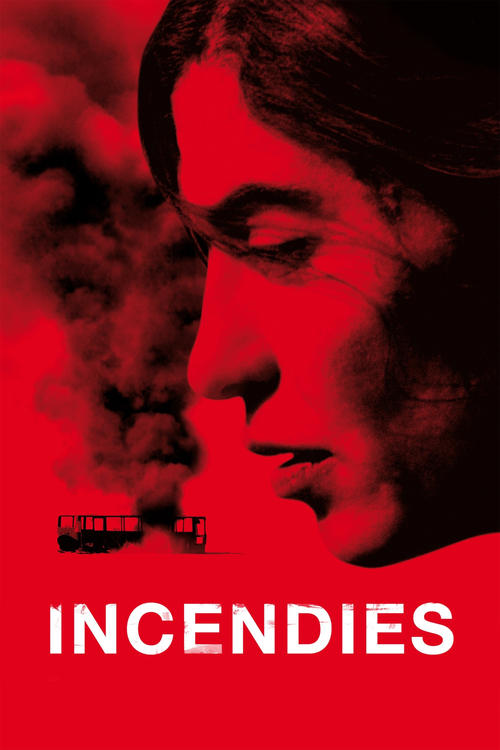
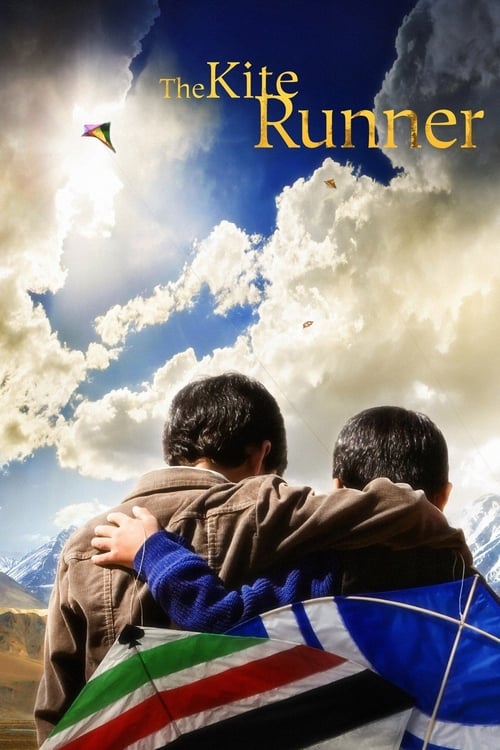
Films That Hold Ideology Up to the Light
Cinema exploring identity, exile, and the cost of political rupture





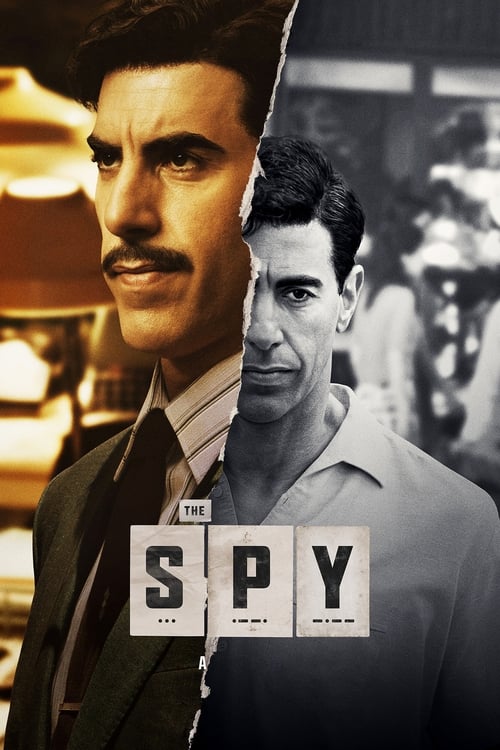
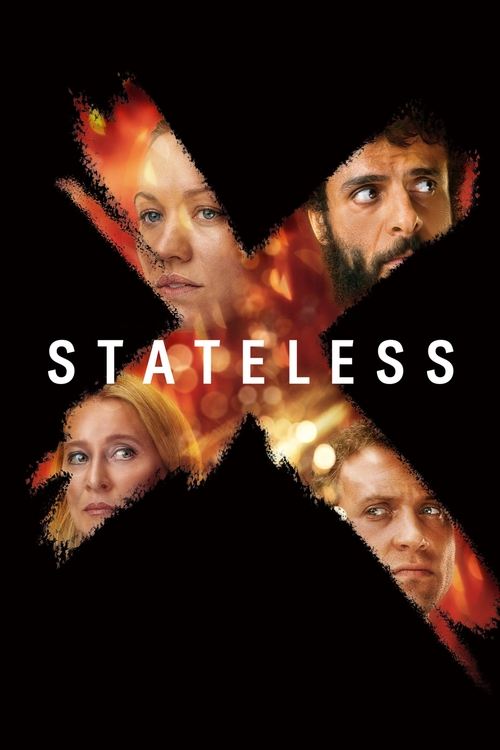
Series About Growing Up Inside History
Television that makes personal stories carry the weight of nations





Games Navigating Identity Under Pressure
Games where who you are and who they let you be are different questions

Music: Resistance, Longing, and the Sound of Elsewhere
Albums that carry displacement and political feeling in their bones
The Animated Film Is Not a Summary, It Is a Second Original
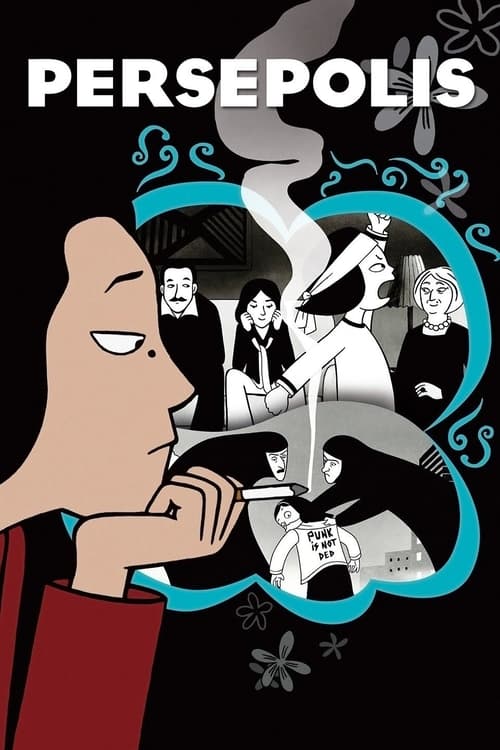
Satrapi co-directed the 2007 film with Vincent Paronnaud, and rather than translating the books she reconceived them for motion. The film compresses without losing texture, adds music as emotional argument, and introduced Persepolis to millions who had never picked up a graphic memoir. Watching it after reading the books is not redundant; it reveals how much the pacing of each medium can change what the same story means.
Papers, Please Understands What Persepolis Understands
Both works center on the moment when ideology becomes paperwork, when the state's abstract demand arrives as a concrete, personal humiliation. Lucas Pope's game makes the player the bureaucrat rather than the subject, which is a different angle on the same truth. Reading Satrapi and then playing Papers, Please is one of the more efficient two-step political educations available.
Iran, Satrapi, and the Shape of the Story
- 1969Marjane Satrapi born in Rasht, Iran
- 1979Islamic Revolution; the Shah is deposed; Satrapi is ten years old
- 1980Iran-Iraq War begins; schools segregated by sex; veil becomes compulsory
- 1984Satrapi sent to Vienna to protect her from escalating repression
- 1989She returns to Tehran, then permanently leaves for France
- 2000Persepolis volume 1 published in France
- 2001Persepolis volume 2 published
- 2003Volumes 3 and 4 complete the memoir
- 2007Animated film co-directed by Satrapi wins Jury Prize at Cannes Persepolis
- 2008English-language Complete Persepolis becomes a global bestseller
I was born with religion. Then I had a revolution. Then I had a war. So for me, the world was never a peaceful place, and I never understood why for others it seemed to be.Marjane Satrapi