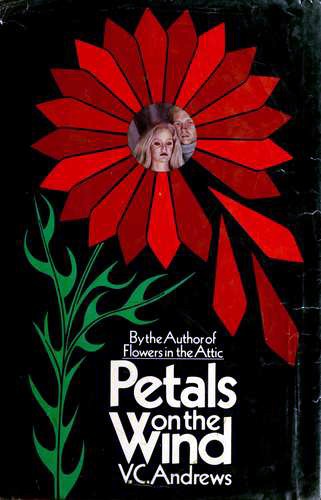

V.C. Andrews's Petals on the Wind (1980) picks up where Flowers in the Attic left off, following Cathy, Chris, and Carrie Dollanganger as they escape their grandmother's attic and try to build real lives, only to find that the damage done to them refuses to stay buried. What readers chase in this book is a very specific combination: the operatic sweep of family betrayal across generations, romantic obsession that the characters know is wrong but cannot resist, and a heroine who refuses to stay a passive victim. The Gothic atmosphere is thick, the secrets are genuinely shocking, and the emotional pitch stays at a near-unsustainable height throughout. If you loved those qualities, here is where to find them across every medium.
The Dollanganger Saga and V.C. Andrews's Closest Work
The series Petals on the Wind belongs to, plus the Andrews novels that hit the same dark-family nerve.


On Screen: Adaptations and Films That Share the Gothic Heat
The Dollanganger films plus movies that replicate the locked-room family horror and obsessive romance.

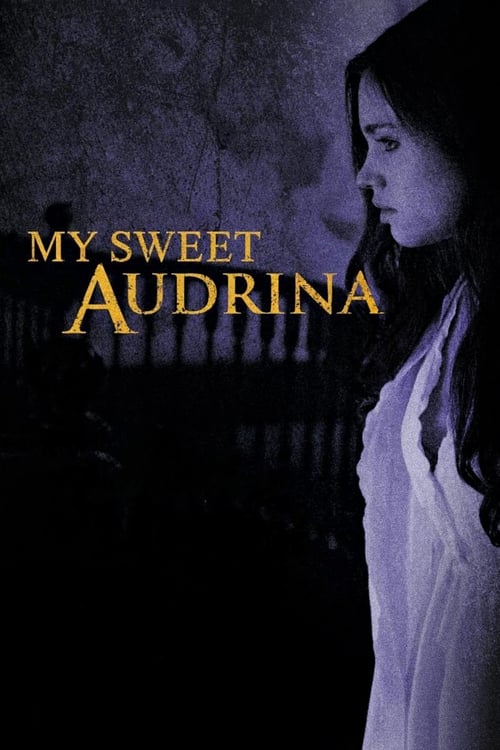

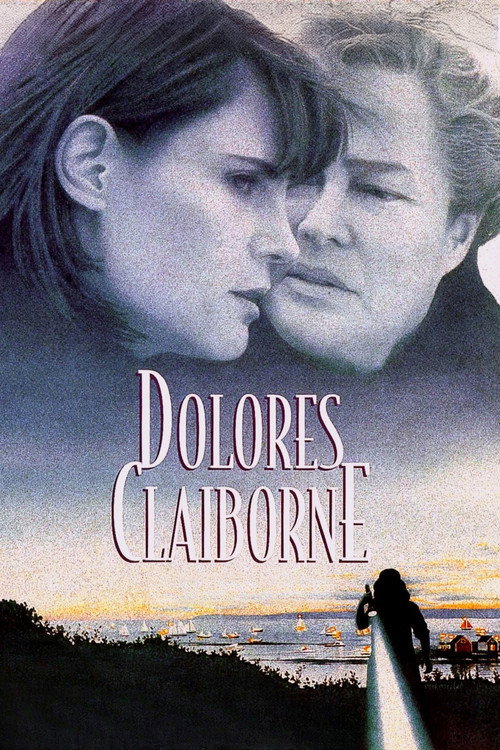
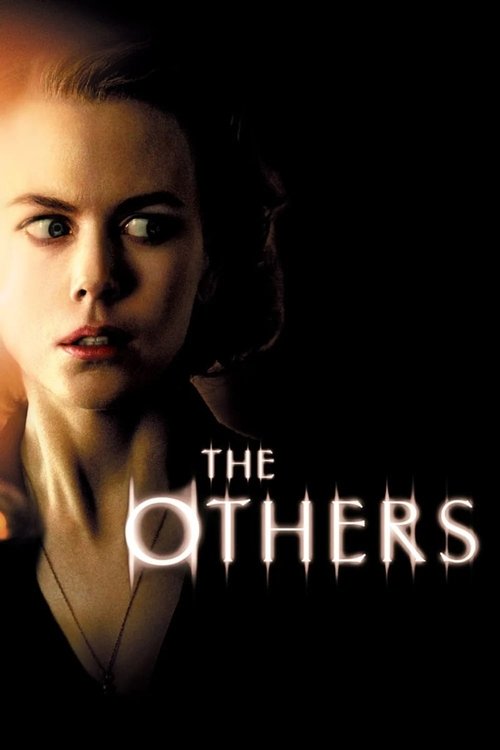
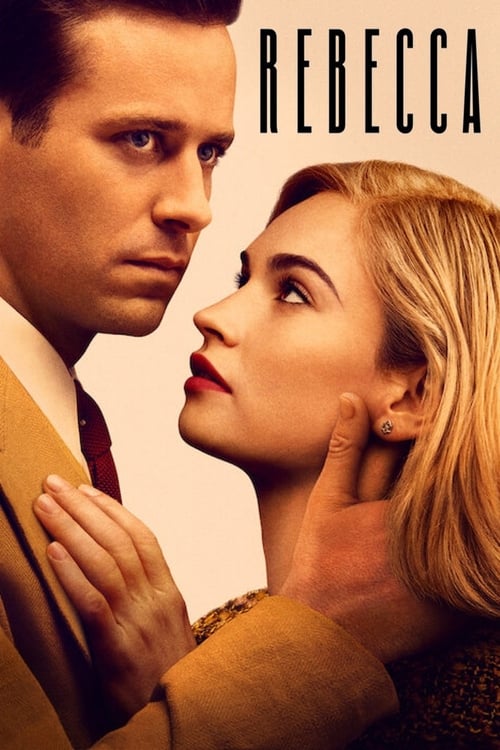
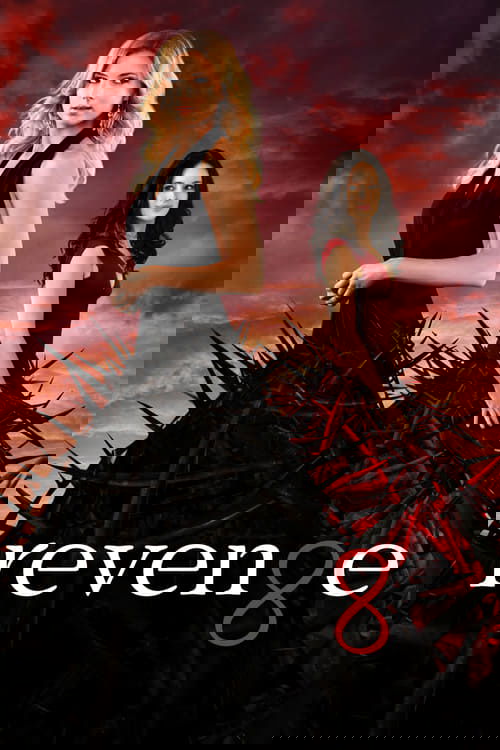
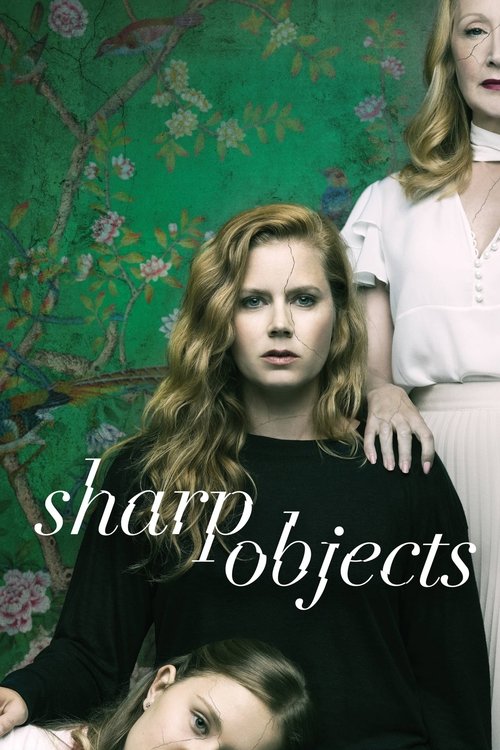
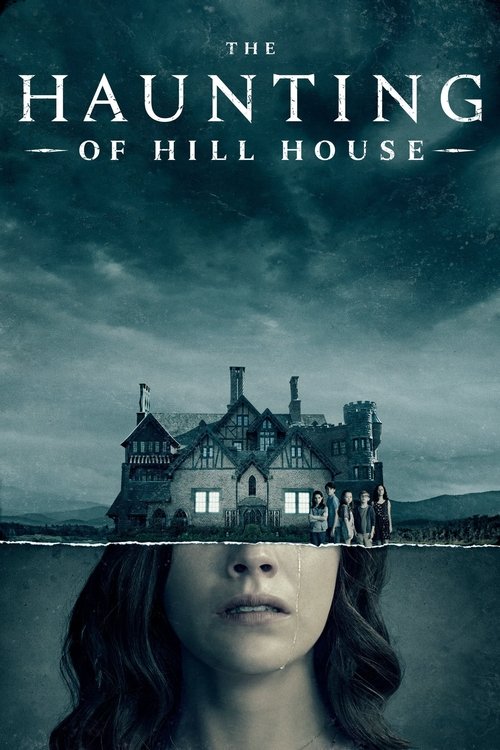
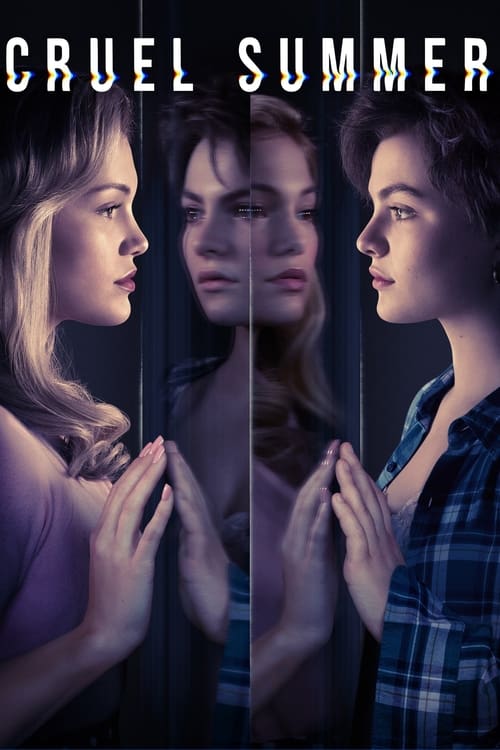
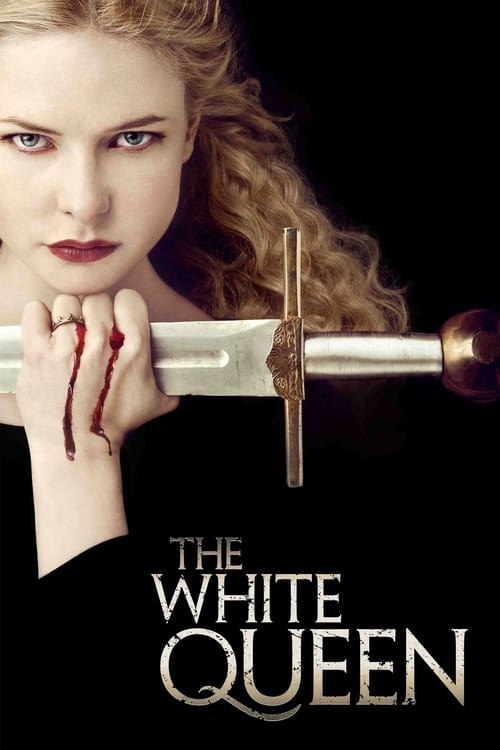
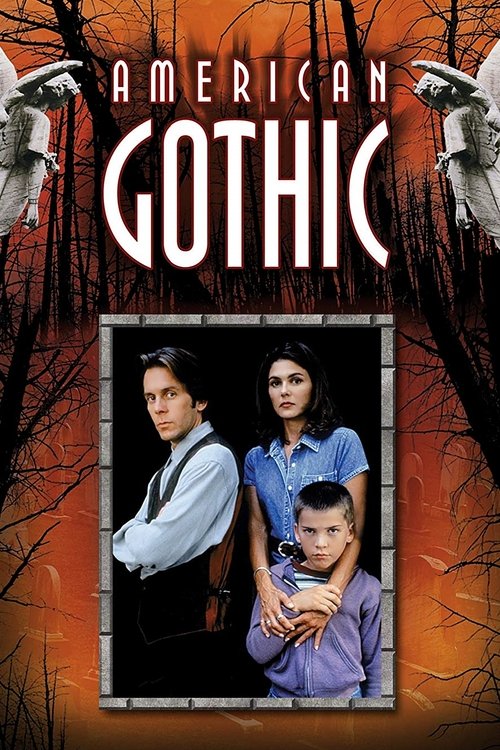
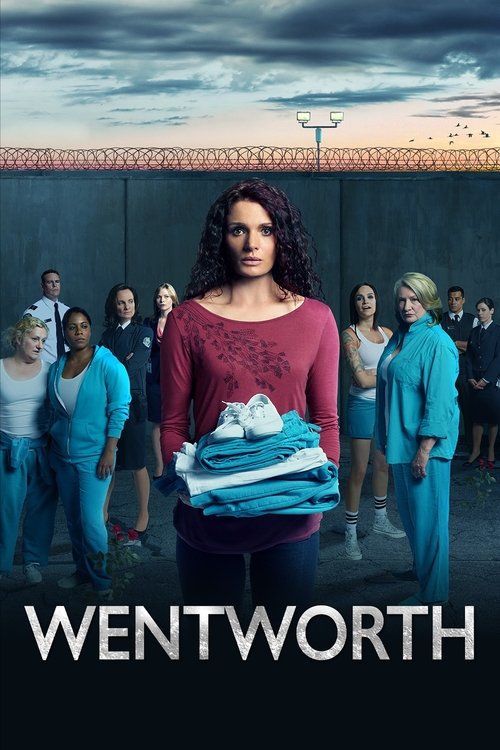
Series for the Long Haul: Gothic Family Sagas on Television
Multi-season shows where family trauma, dark secrets, and poisonous privilege drive everything.



Books That Live in the Same Shadowed House
Novels with the same cocktail of generational secrets, forbidden passion, and women reclaiming power.


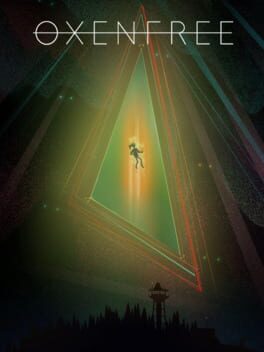
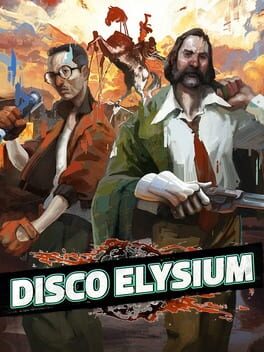
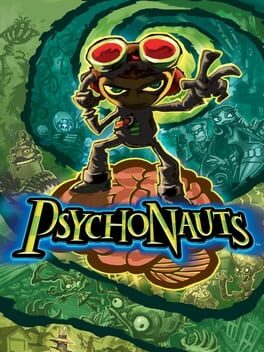
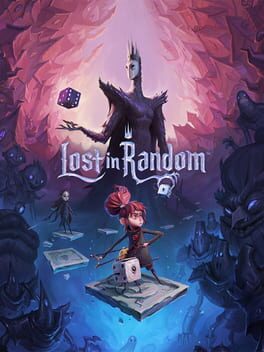
Games About Escape, Identity, and Buried Histories
Narrative games where the protagonist carries damage from the past into a world that wants to keep them small.
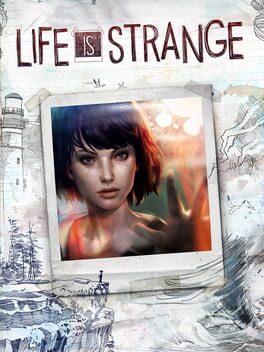
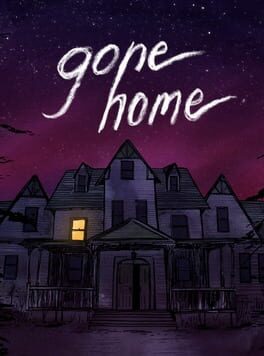
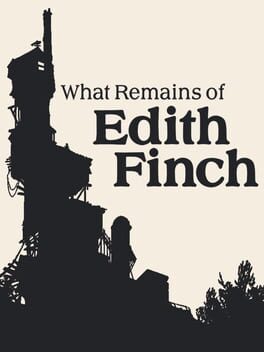
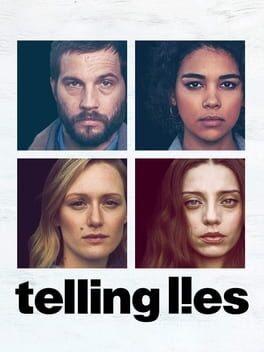
Cathy Is the Saga's Real Engine, Not the Gothic Setting
Readers often credit the attic, the poisoned doughnuts, and the grandmother for the books' hold over them. But Petals on the Wind makes clear that the source of power is Cathy herself: a young woman who absorbs cruelty and converts it into ambition, fury, and a will to be witnessed. Strip the Gothic furniture away and what remains is a story about a girl who refuses to disappear. That refusal, not the secrets, is what keeps readers turning pages.
The Forbidden Love Thread Is Tragic, Not Romantic
Fans sometimes read the Chris-and-Cathy dynamic as a dark romance to root for. The books resist that reading on close inspection: Andrews frames it as the predictable, heartbreaking outcome of isolation, not a love story the universe endorses. The tragedy works precisely because the characters are too damaged to see clearly. The most honest analogues in other media treat incest and obsession the same way: as a symptom, not a resolution.
Gothic Southern Fiction Deserves More Credit for This Vein
Petals on the Wind arrives in a lineage that includes Faulkner, Flannery O'Connor, and the broader Southern Gothic tradition, where decaying gentility hides violence and family structures become prisons. Andrews absorbed that atmosphere and made it accessible to mass-market readers. The works that feel most like kin are the ones willing to be both literary and lurid at the same time.
The Lifetime Adaptations Are Earnest in the Best Way
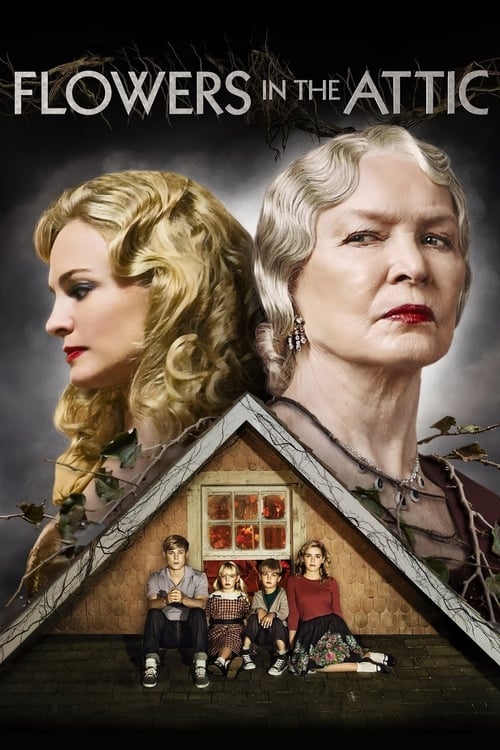
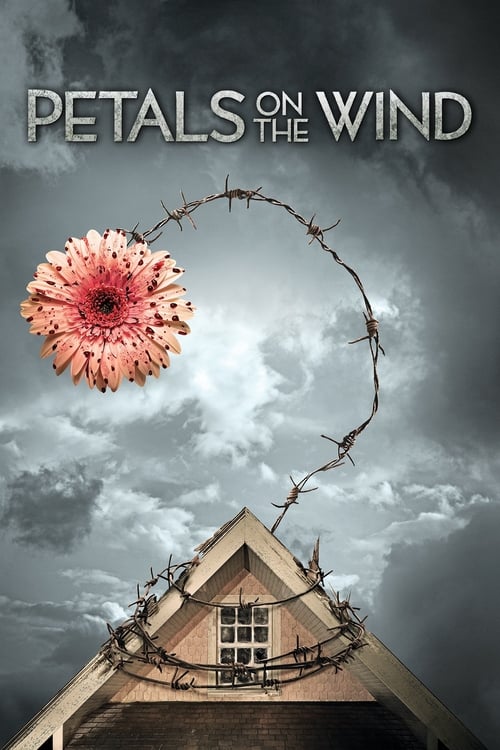
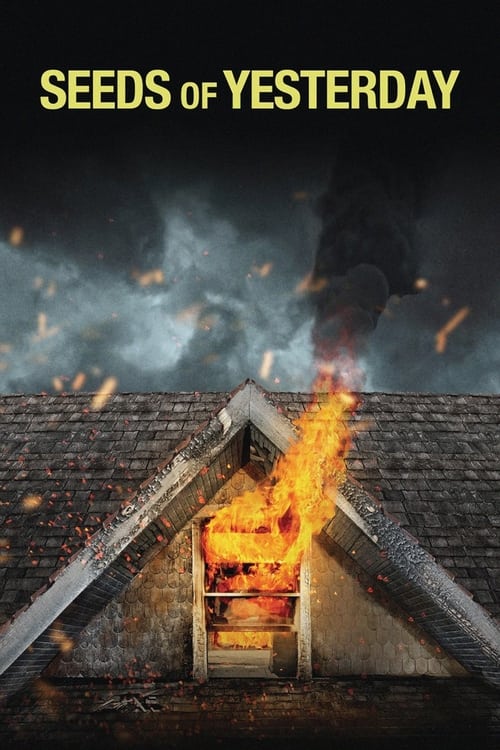
The four Lifetime telefilms (2014) take the melodrama seriously rather than camp it up, which is the correct call. Kiernan Shipka's Cathy carries the same exhausted ferocity the book requires. They are not prestige TV, but they are faithful to the emotional register of the source, and that fidelity matters more here than production gloss.
The Dollanganger Story Across Decades
- 1979V.C. Andrews publishes Flowers in the Attic, launching the saga. Flowers in the Attic
- 1980Petals on the Wind continues the Dollanganger story as Cathy seeks revenge. Petals on the Wind
- 1981If There Be Thorns shifts the narration to the next generation. If There Be Thorns
- 1984Seeds of Yesterday closes the original saga arc.
- 1987Garden of Shadows (published posthumously) reveals the grandmother's origins.
- 1987First film adaptation of Flowers in the Attic reaches cinemas. Flowers in the Attic
- 2014Lifetime produces four-film cycle covering the entire original saga. Petals on the Wind
Andrews gave a generation of young women permission to feel that inherited damage is real, that survival is not the same as healing, and that rage is a legitimate response to being locked away.CrossBinge Editors