
Released in March 1963, Please Please Me arrived like a current through British pop: fourteen tracks, one day in the studio, zero filler. The Beatles had not yet become the cultural institution they would become, and this album captures them as something rarer: a live band at full voltage, playing like they had something to prove. The sound is intimate and slightly compressed, voices cracking at the edges, guitars locked tight, Ringo hitting harder than the budget speakers could handle. What fans chase here is not nostalgia but urgency, the feeling of a group who learned their craft in Hamburg clubs and brought that sweaty, locked-in intensity to tape before anyone told them to smooth it out. The through-line for fans of this record runs through early rock and roll ecstasy, British Invasion tightness, kitchen-sink soul, and anything that sounds like it was made by people who genuinely could not stop.
Essential Beatles: Where It All Began
The records that define the arc from Cavern Club urgency to studio invention.
Same Raw Wire: Albums That Match the Energy
Records with the same compressed excitement, recorded before polish became the point.
The Album Was Over Before Anyone Could Overthink It
Recording Please Please Me in a single session at Abbey Road on February 11, 1963 was not a stunt. It was the natural result of a band that had played these songs hundreds of times in Liverpool and Hamburg. The rawness people now call charming was simply what it sounded like when you captured a tight working band without enough time to second-guess anything. That directness is the lesson every great debut album since has tried to replicate, usually unsuccessfully.
Inside the British Invasion on Screen
Documentaries and concert films that put you in the room when it happened.
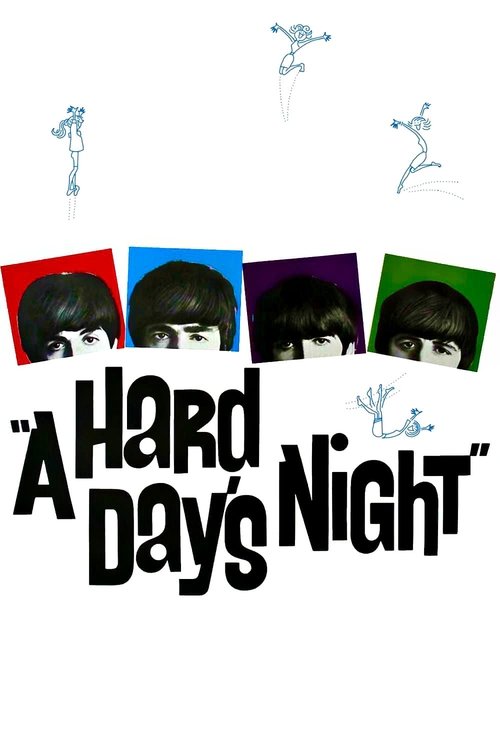


By the time the last note of 'Twist and Shout' hit tape, John Lennon's voice was gone. You can hear it. That is the whole point.CrossBinge Editors
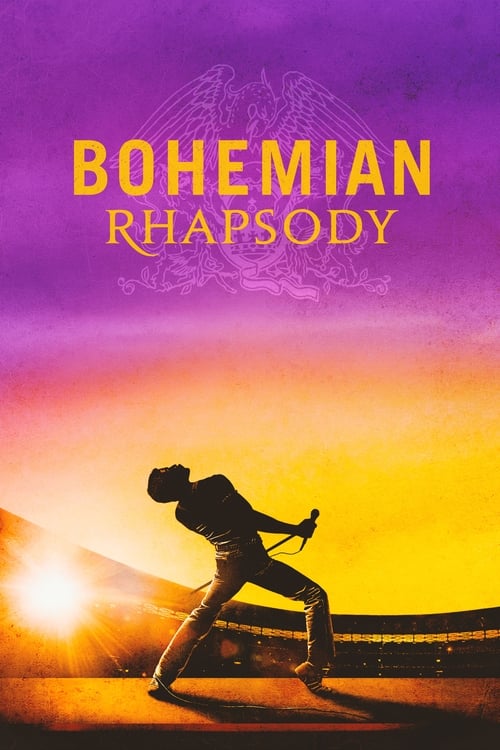
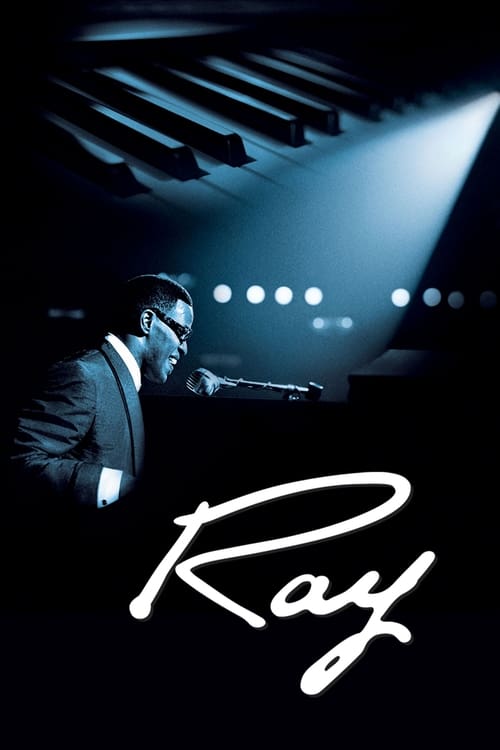
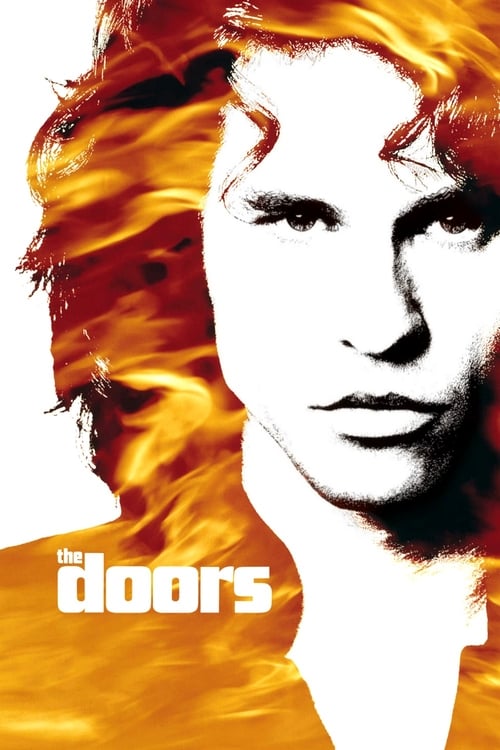
Biopics and Music Films That Capture an Era
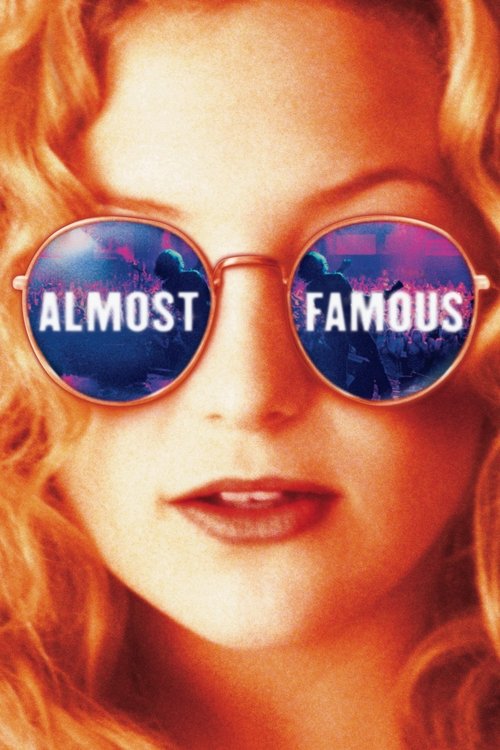
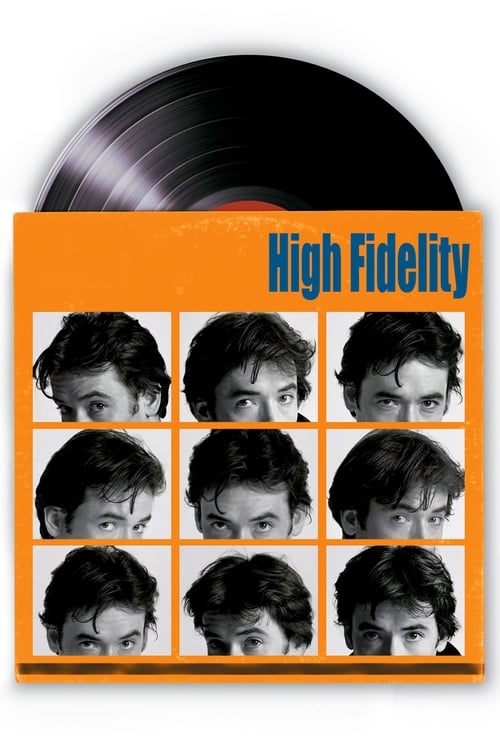
Films about musicians and scenes that understand what it costs to build something from nothing.
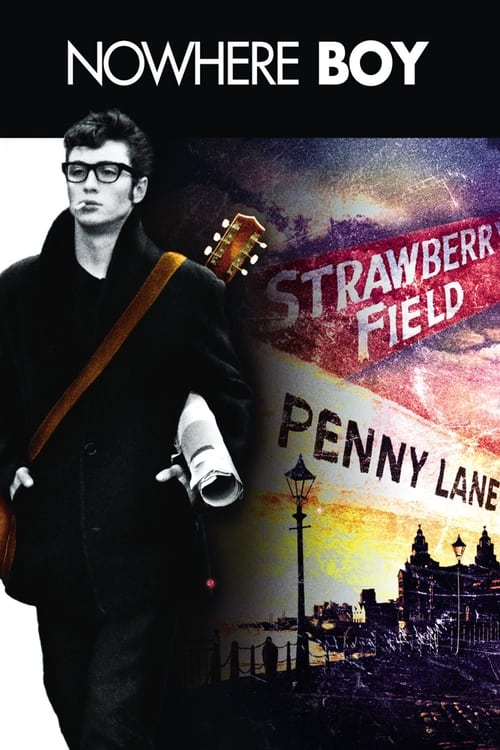
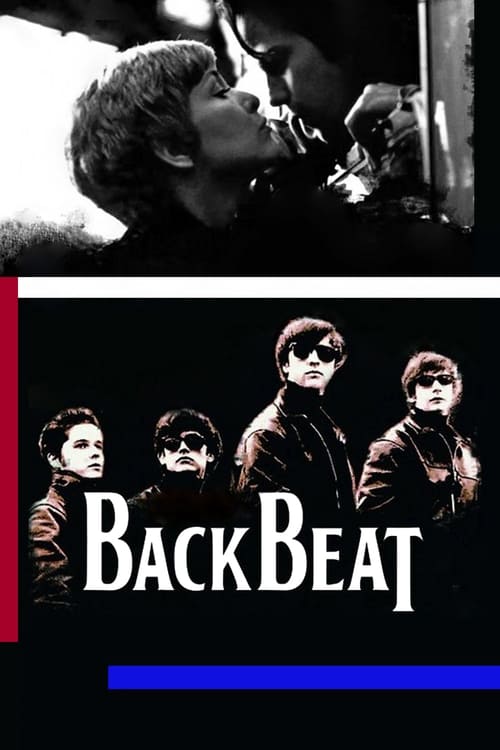
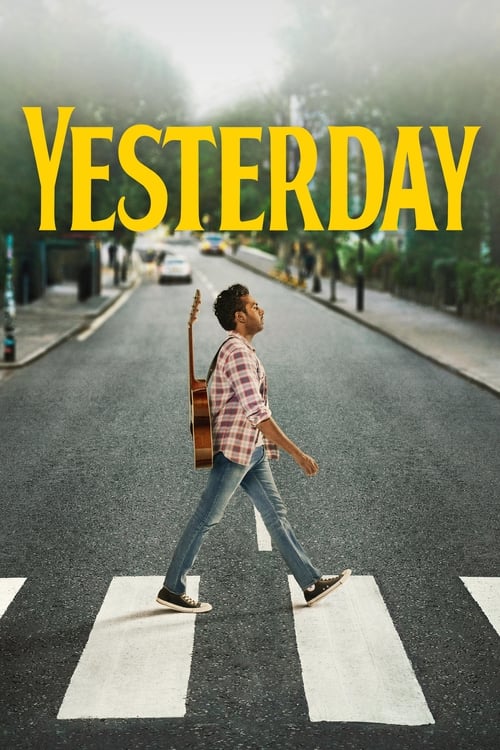


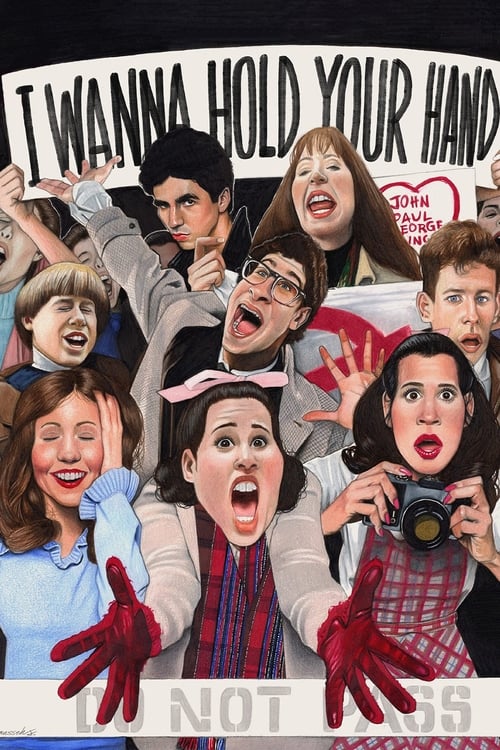
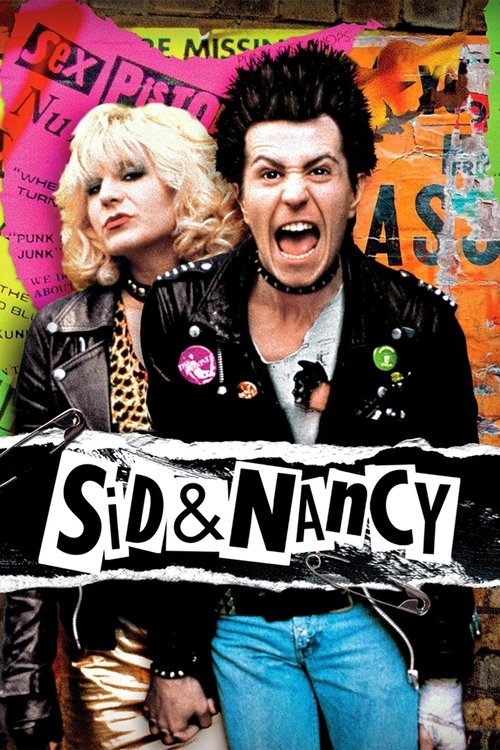

Same Decade, Same Energy: Film and TV
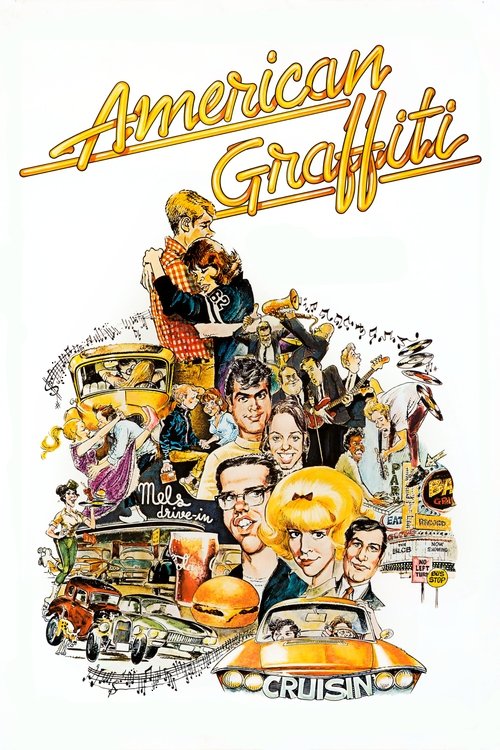
Stories set in or shaped by the early 1960s, when culture was moving faster than anyone could track.
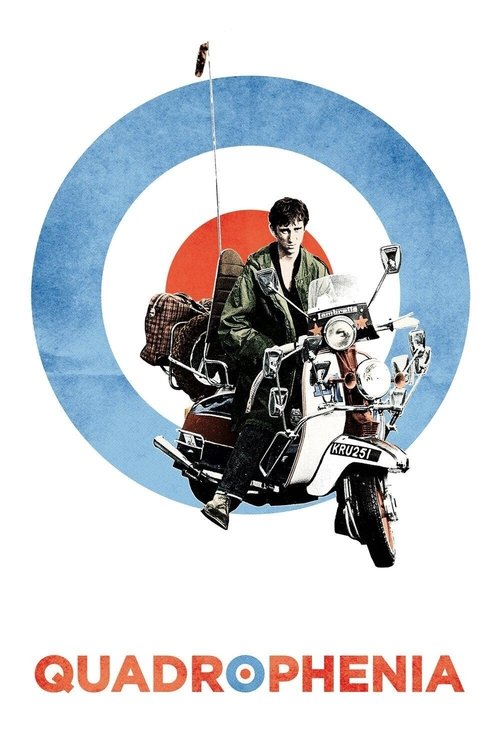

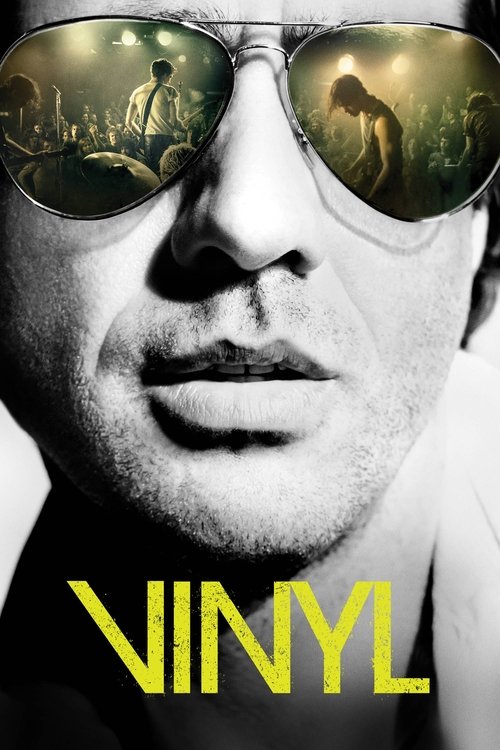
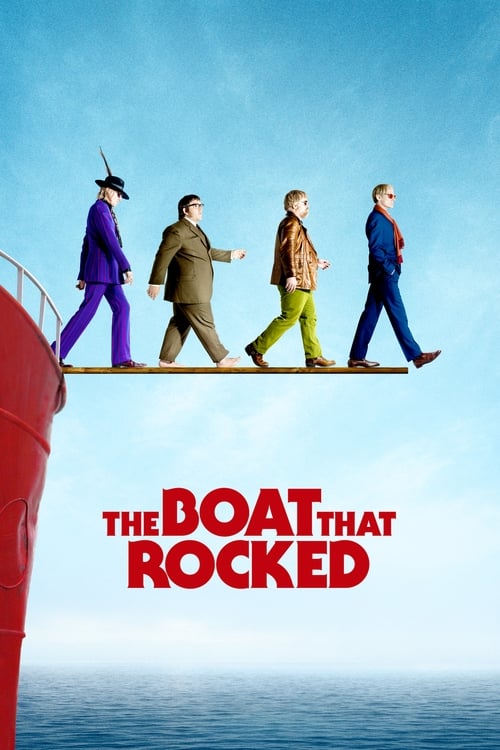


British Pop Was Always Working Class First
The Beatles came from a port city, not London. Their accents, their humor, their impatience with pretension, all of it was shaped by Liverpool in the 1950s, not by art school or the music press. Please Please Me sounds like working-class ambition: specific, hungry, not interested in being tasteful. That quality connects it to a long tradition of British pop that followed, from the Kinks to the Jam to Oasis, bands who brought a chip on their shoulder into the studio and let it ring.
How the Album Became the Blueprint
- 1962The Beatles sign with Parlophone after being rejected by Decca. Producer George Martin reshapes their sound for tape.
- 1963Please Please Me recorded in a single marathon session at EMI Studios, released March 22. It tops the UK charts for 30 weeks. Please Please Me
- 1963With the Beatles follows within months, deepening the template: tighter arrangements, stronger originals alongside covers. With The Beatles
- 1964The Ed Sullivan broadcast in February carries the sound across the Atlantic. Beatlemania becomes a global phenomenon. A Hard Day's Night
- 1966The touring years end at Candlestick Park. The band retreats to the studio and the template set by Please Please Me evolves beyond recognition. Revolver
- 1970Let It Be released. The band is over. The album that started it all becomes the origin story of modern pop. Let It Be
- 2021Peter Jackson's Get Back restores hours of footage from the Let It Be sessions, showing what the band from Please Please Me still sounded like in a room together.
Covers Are How You Know a Band Really Listened
Half of Please Please Me is covers: Goffin-King, Leiber-Stoller, Isley Brothers, Meredith Willson. The Beatles did not treat this as filler. They treated it as repertoire, songs they had earned through hundreds of performances and chose to record because they genuinely loved them. The way they covered 'Twist and Shout' or 'Boys' tells you more about their musical intelligence than most bands' originals. Fans who want to understand the album should go back to those source recordings and hear what the band heard.
The Live Energy Never Fully Translated to Later Records
The later Beatles catalogue is unquestionably richer, more ambitious, more experimental. But there is something on Please Please Me that went away: the sense that five people (including George Martin) are in a room together, reacting to each other in real time. Abbey Road is a masterpiece. Please Please Me sounds like a band. For listeners who find the later records slightly airless, the debut is the answer, and so are the records in this guide that kept that live-room feeling alive.