
Released in 1995, Bjork's second solo album Post is the record where she stopped explaining herself. Built from trip-hop percussion, big-band brass, drum machines, and orchestral strings that refuse to sit still, it captured a particular Icelandic-in-London restlessness: euphoric and unsettled at the same time. The fans who return to it obsessively are chasing that feeling, the sensation of a pop song that opens onto something stranger than it promised. Hyperballad climbs toward transcendence on a simple metaphor. Army of Me is an act of self-preservation dressed as a threat. Possibly Maybe keeps shifting the floor. If Debut introduced the world to what Bjork might be, Post is where she became something that couldn't be categorized, and didn't want to be.
Essential Bjork
The records that map the full territory
The Sound Around Post
Artists operating in the same strange frequency during the mid-90s and after
Hyperballad is the most underrated song of the 1990s
Everyone knows the lyric: throwing objects off a cliff before her partner wakes, so she can return to bed and feel safe. But the structure is the real achievement. It starts with a cycling synth arpeggio that sounds like it has always been playing, builds through layers of electronic percussion and brass until it detonates, then resolves into something that feels like relief. Most artists get one song like this in a career. It is buried as track five.
Cinema With the Same Voltage
Films that put you inside a mind running faster than the world around it

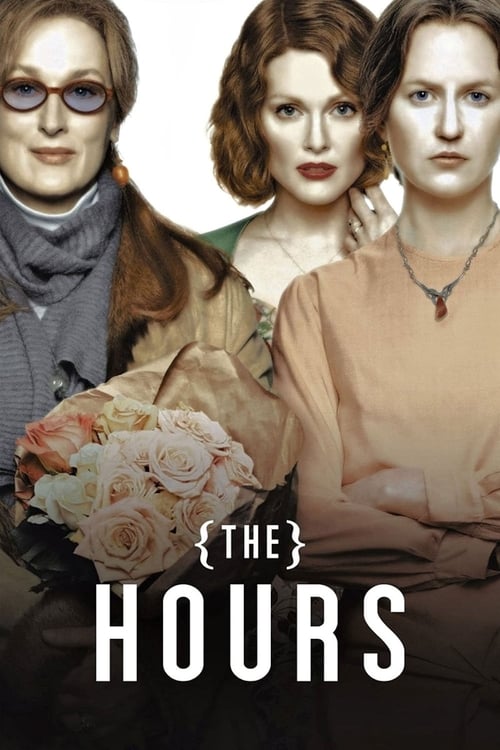
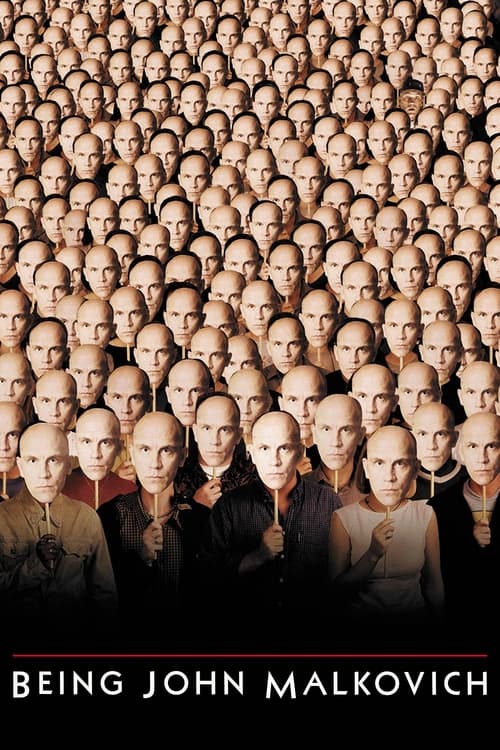
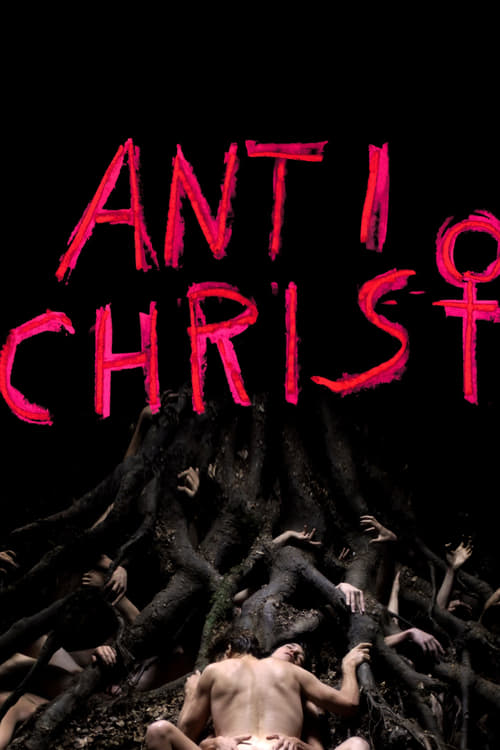

I thought I could organize freedom. How Scandinavian of me.Bjork, Human Behaviour
Music Biopics and Portraits Worth Your Time
Films that treat their subjects with the same seriousness the music deserves

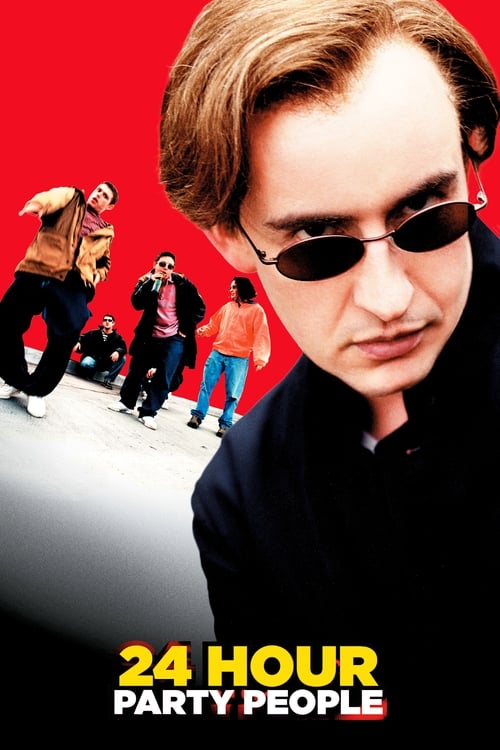
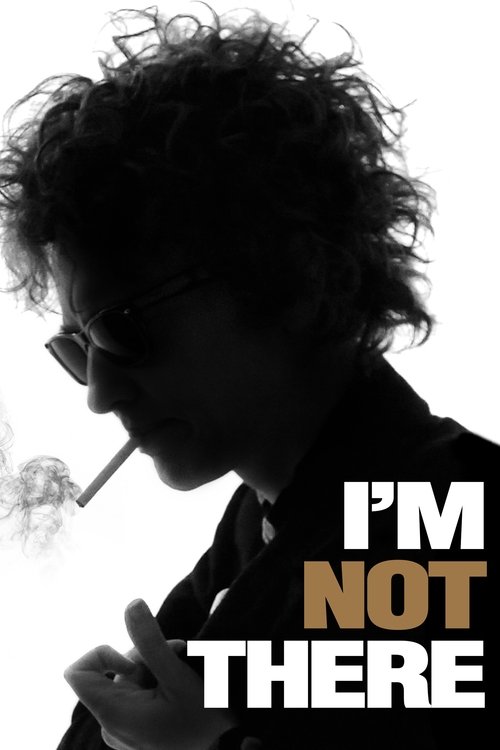

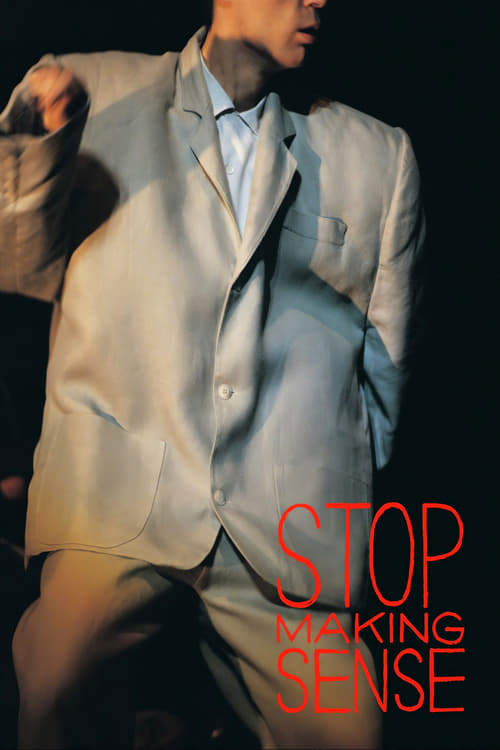
Trip-hop aged better than almost any genre of the 1990s
Portishead, Massive Attack, and Tricky built something that sounded futuristic in 1994 and still does. It avoided the datedness of Britpop and the self-consciousness of post-grunge by pulling from sources, film scores, soul, dub, hip-hop, that had no expiry date. Post sits at the edge of this scene without fully belonging to it, which is exactly why both it and the genre endure.
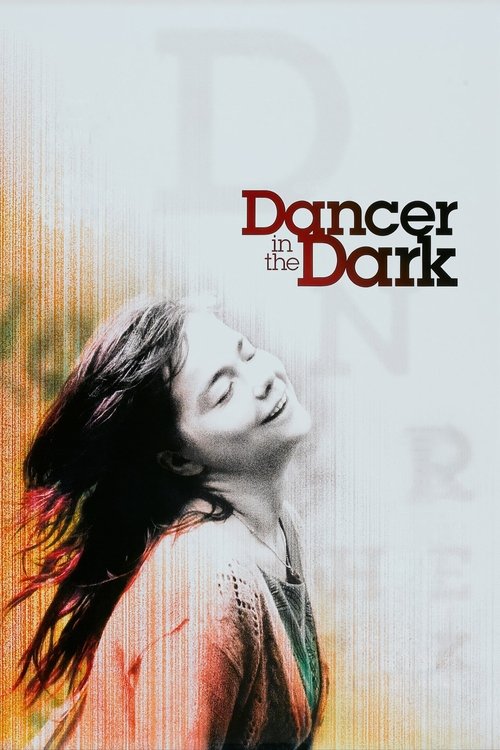
Dancer in the Dark is one of the most demanding things Lars von Trier ever made
Bjork's performance as Selma is not a cameo by a musician doing something cute. It is a sustained piece of acting that required her to access a kind of grief most trained actors avoid. The musical sequences, which she co-wrote, are the only moments of relief in a film designed to offer almost none. She has said she will never act again. Knowing that makes the film harder to watch, and more essential.
Bjork: A Timeline of the Uncontainable
- 1977Bjork releases a self-titled debut in Iceland at age eleven, covering mostly Icelandic pop standards
- 1986The Sugarcubes form in Reykjavik; their debut single Birthday becomes an international cult hit
- 1992The Sugarcubes dissolve; Bjork relocates to London
- 1993Debut arrives, produced with Nellee Hooper; Army of Me announces a new voice in European pop Debut
- 1995Post is released; it enters the UK charts at number two and is later ranked among the defining albums of the decade Post
- 1997Homogenic integrates Icelandic string arrangements with electronic beats; the sound becomes her signature Homogenic
- 2000She wins Best Actress at Cannes for Dancer in the Dark; declines future film roles Dancer in the Dark
- 2001Vespertine turns inward: micro-beats, harps, choral voices recorded at near silence Vespertine
- 2004Medulla builds an almost entirely a cappella album from the human voice
- 2015Vulnicura documents the end of a long relationship with a candor that makes it almost unbearable Vulnicura
- 2017Utopia imagines a future society through flutes and electronic distortion; her most optimistic album in two decades Utopia
The best way to understand Post is to watch its music videos back to back
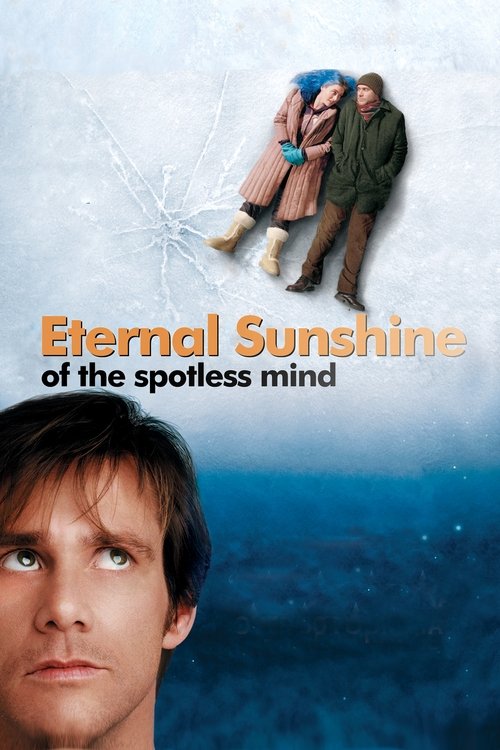
Michel Gondry directed three of them, including Hyperballad and Human Behaviour, and the visual logic he developed here directly prefigures Eternal Sunshine of the Spotless Mind. The videos are not illustrations of the songs. They are arguments about what the songs mean, made by someone who understood that Bjork's music resists a single interpretation. Watch them before reading any critical writing about the album.