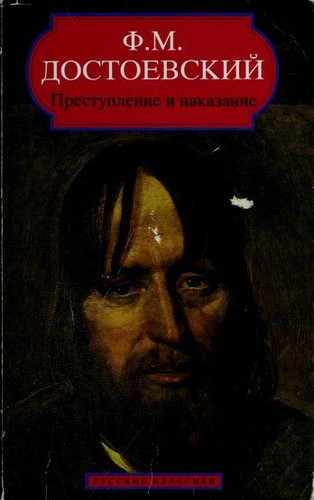

Dostoevsky's Crime and Punishment (1866) is not really about the crime. Raskolnikov commits his murder in the opening act; everything that follows is the slow-motion psychological collapse of a man who believed he was extraordinary enough to live outside ordinary ethics. What readers chase in this novel is that specific flavour of interior catastrophe: the protagonist who is fully conscious of what he is doing to himself, unable to stop, oscillating between cold logic and feverish guilt. It is a book about the weight of consciousness itself. The works below share that quality: stories where the drama lives inside the skull, where philosophy and crime and suffering fold into each other, and where redemption, if it arrives at all, costs everything.
Start Here: Dostoevsky's Own World
The novels that form the essential Dostoevsky arc, for anyone who wants to follow Raskolnikov deeper.


Guilt, Consciousness, and the Mind on Trial: Novels
Literary fiction that stages the same interior war: a sharp intellect pressed against a deed it cannot undo.


On Screen: Adaptations and Kindred Films
Films that translate Dostoevsky directly, or that stage the same moral vertigo with the same ruthless interiority.
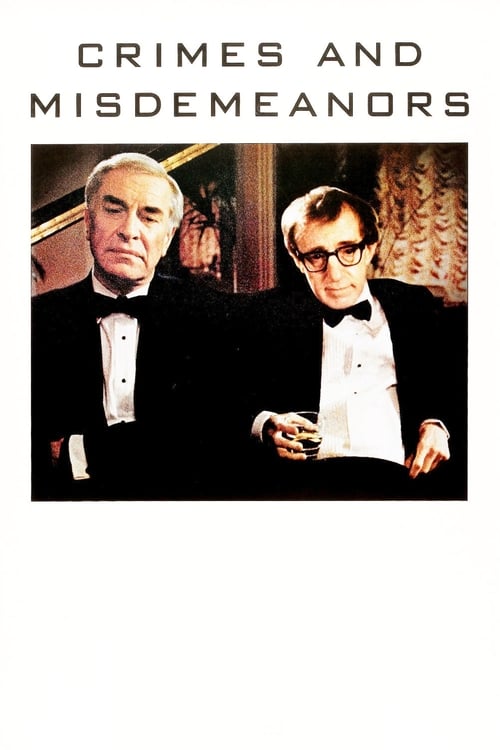


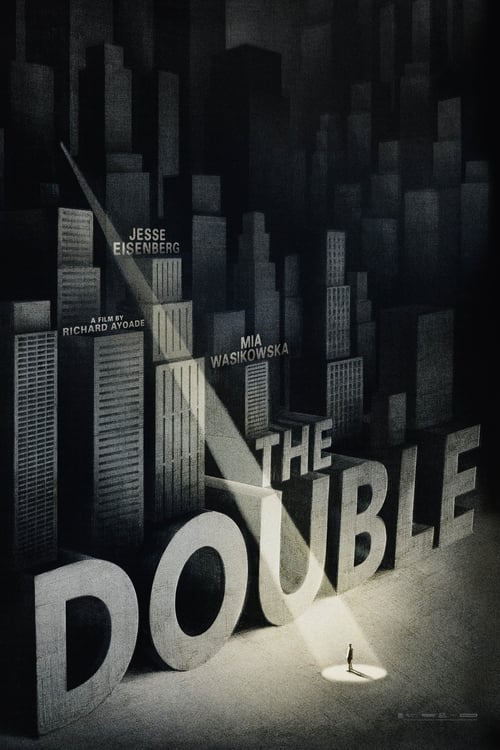
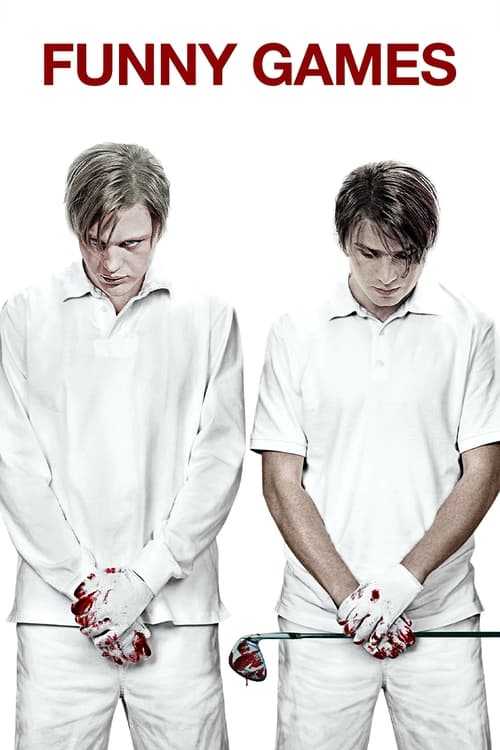
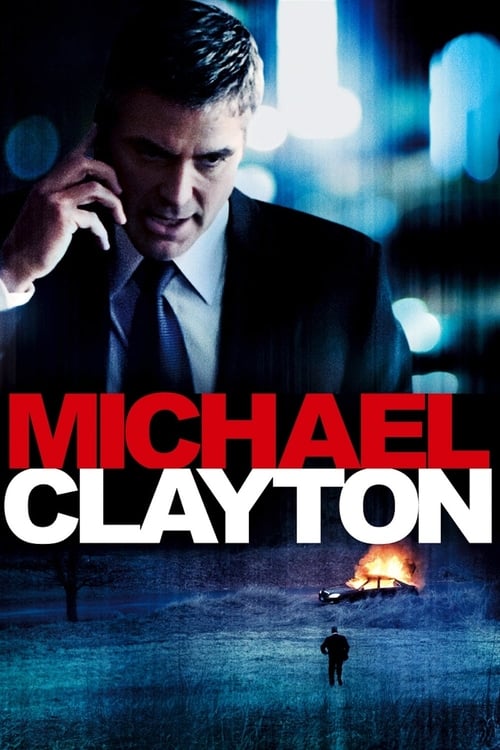

Series: Long-Form Moral Unravelling
Television that gives the psychological spiral the room it needs, charting how people live with what they have done.


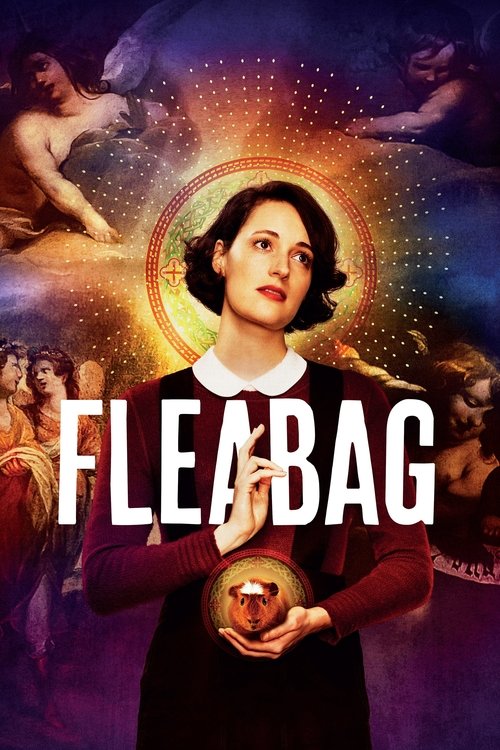



Games: Guilt and Consequence as Mechanic
Games that make the player carry the weight of a choice, and then live inside its fallout.
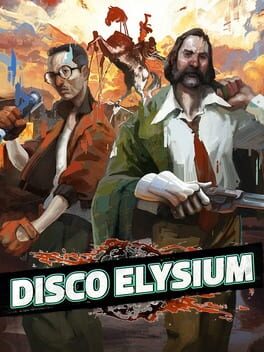

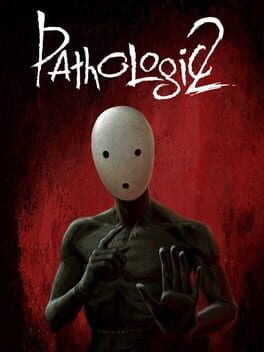

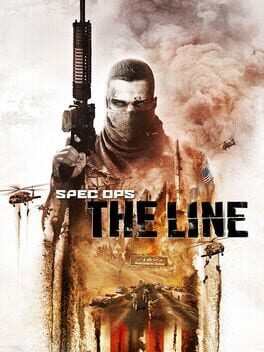

Music: Scores for the Suffering Interior
Recordings that share the novel's atmosphere: romantic anguish, oppressive urban weight, and moments of stark transcendence.
Raskolnikov Is Not a Villain. That Is the Whole Problem.
Most crime stories need a monster to keep the reader comfortable. Dostoevsky refuses that comfort: Raskolnikov is brilliant, sensitive, genuinely idealistic in a warped way, and he commits a brutal double murder. The reader understands every step of his reasoning and is appalled to find it partially coherent. That is the specific discomfort this novel never lets go of. Breaking Bad is the closest television equivalent: a show that insists you follow the logic even as you watch it curdle.
Disco Elysium Is the Closest a Game Has Come to the Dostoevsky Interior.
The detective in Disco Elysium is a man reconstructing himself from wreckage, narrated by the warring factions of his own psyche, in a city where political philosophy is a matter of street violence and every conversation is a small moral crisis. The debt to Dostoevsky is explicit in the game's design. The dialogue system is essentially a Notes from Underground monologue split across forty skill checks.
The Stranger and Crime and Punishment Are the Same Book Argued from Opposite Directions.
Meursault kills without guilt and cannot perform the emotions the world demands. Raskolnikov kills with a theory and is destroyed by the guilt he insisted he would not feel. Together they triangulate the same question: what does society actually require from a person who takes a life, and is that requirement rational? Neither novel answers. Both refuse to let the reader off the hook by providing a villain.
The Novel and Its Afterlife
- 1866Crime and Punishment serialised in Russky Vestnik, the Russian literary journal Crime and Punishment
- 1935Josef von Sternberg directs the first major Hollywood adaptation, with Peter Lorre as Raskolnikov Crime and Punishment
- 1969Lev Kulidzhanov's Soviet adaptation, considered by many the most faithful screen version Crime and Punishment
- 1979BBC serialises the novel across five episodes, starring John Hurt
- 1998Tony Jay narrates a bestselling English audiobook edition that brings the novel to a new generation of listeners
- 2002A modernised US TV film transplants Raskolnikov to contemporary New York Crime and Punishment
- 2019BBC and Sundance co-produce a five-part miniseries, scripted by Tom Hardy
- 2023Russian television produces a major new limited series adaptation
Pain and suffering are always inevitable for a large intelligence and a deep heart.Fyodor Dostoevsky, Crime and Punishment