

May el-Toukhy's 2019 Danish film drops you into the life of Anne, a children's rights lawyer who is, by every social metric, a good person. Trine Dyrholm plays her with a terrifying steadiness: competent, warm, self-aware, and capable of sustained, calculated harm. That contradiction is the film's engine. Queen of Hearts is not a thriller about a monster; it is a drama about the gap between a person's self-image and what they will actually do when desire goes unresisted. The through-line fans chase is this quality of moral horror rendered in domestic naturalism: pristine houses, professional vocabularies, ordinary family dinners, and underneath it all something quietly catastrophic. If that tension between surface respectability and psychological ruthlessness grips you, the works below are your map.
Essential Queen of Hearts
The film and its closest kin in el-Toukhy's world

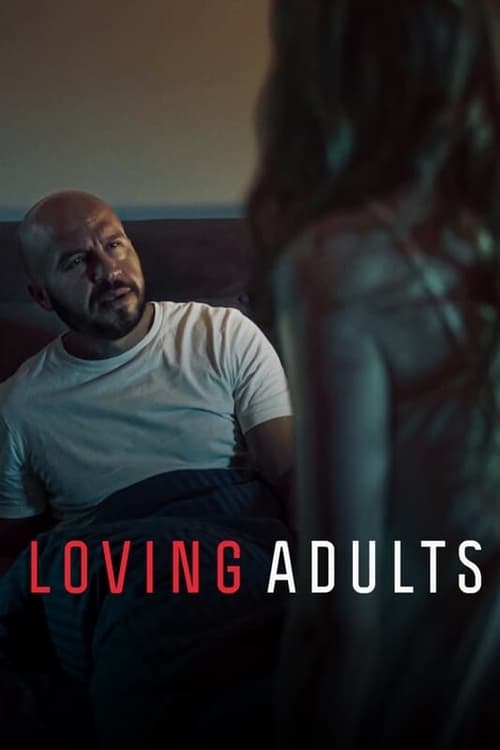
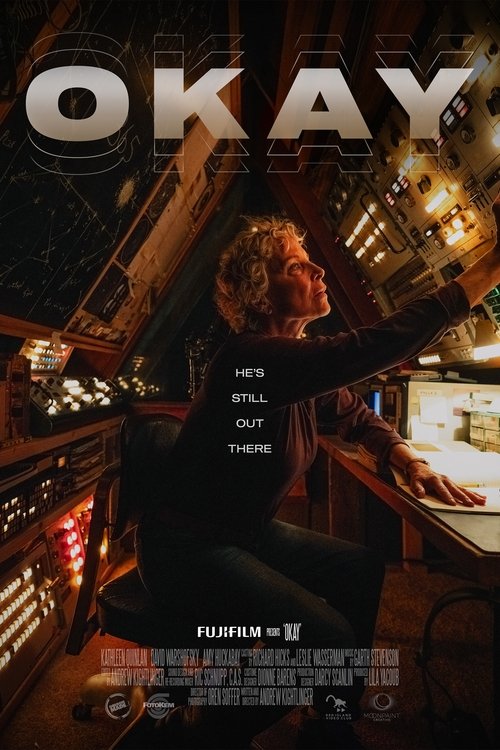
The Unreliable Good Person: Films in the Same Key
Domestic dramas where the protagonist's self-knowledge is the last thing to catch up



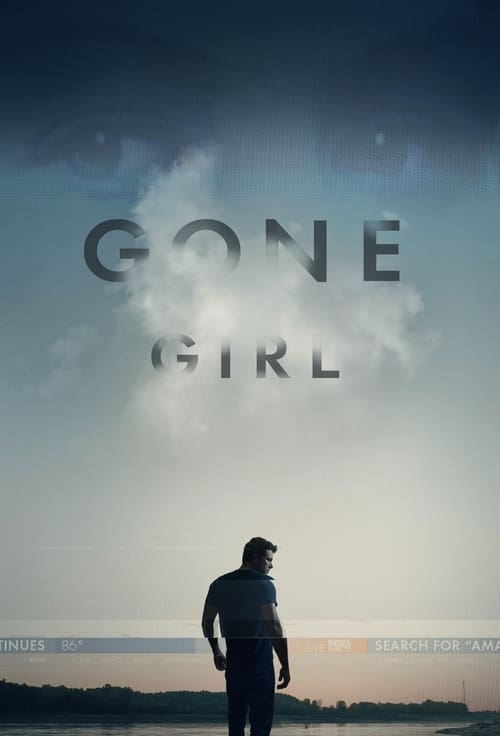


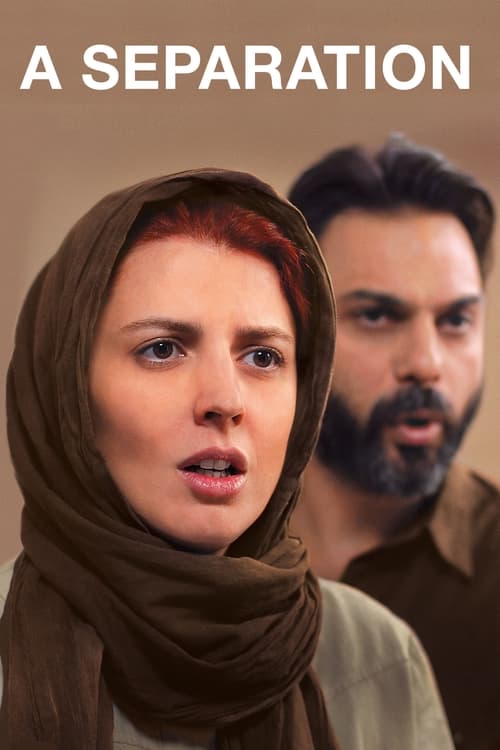
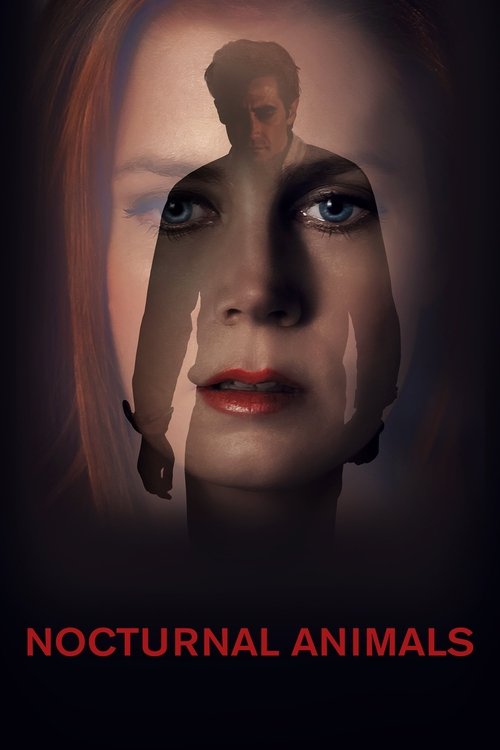
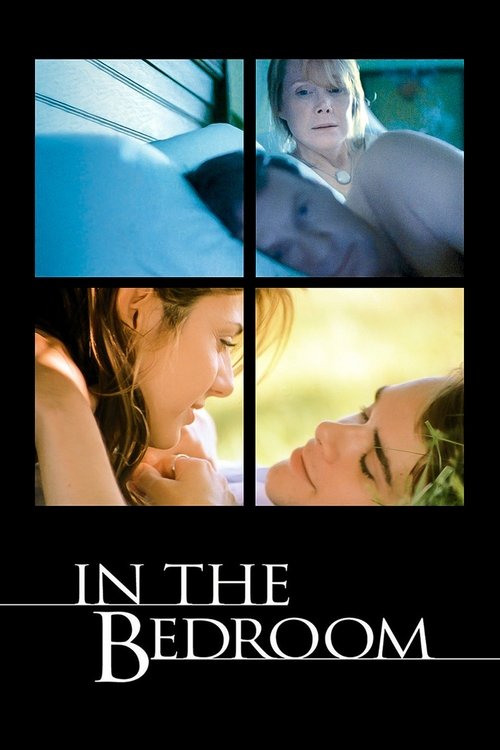
Controlled Burn: TV Series That Hold the Same Slow Dread
Series that build their horror from ordinary choices and respectable people who make catastrophically wrong ones

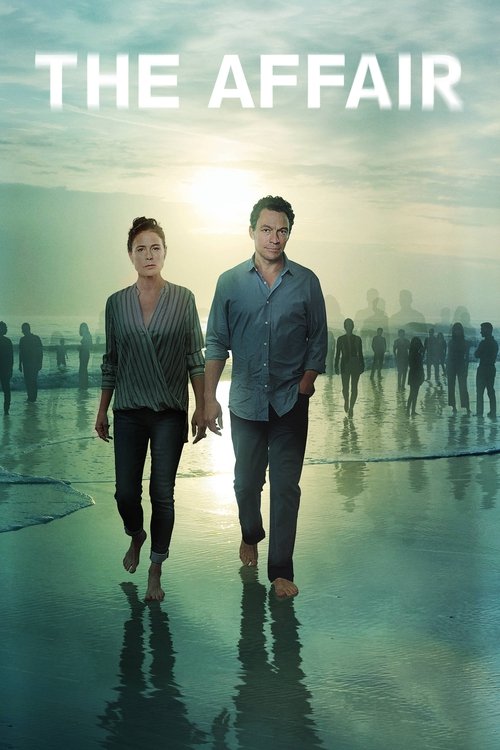

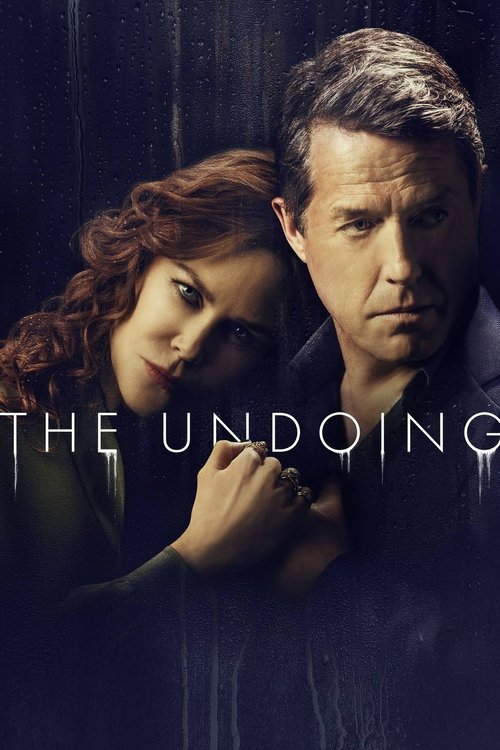
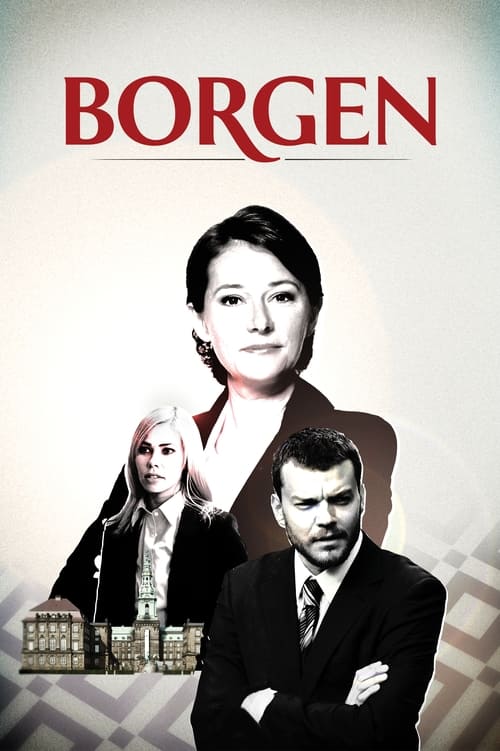



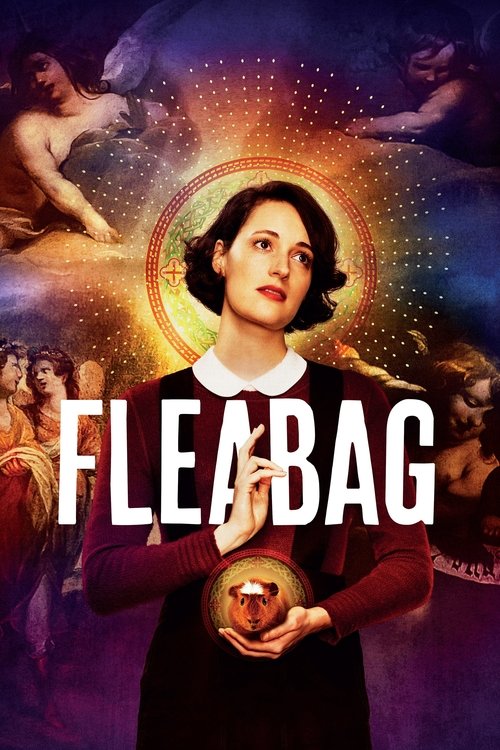

The Novel Behind the Feeling: Books That Occupy the Same Room
Literary fiction where desire, power, and self-deception produce slow catastrophes in families that look fine from outside


Power, Manipulation, and Moral Drift: Games That Make You Complicit
Games that put you in control of a compromised protagonist, or reward you for observing how good people rationalise bad choices


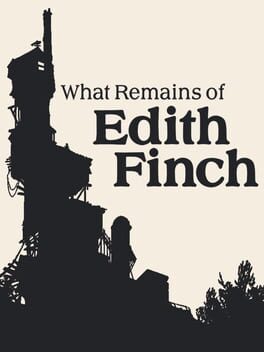





Music: Scores and Albums That Sound Like Controlled Damage
Scores and records that share the film's quality of beauty coexisting with a creeping sense that something is very wrong
Trine Dyrholm Makes Anne Impossible to Dismiss
The easy reading of Queen of Hearts makes Anne a villain. The film refuses that comfort. Dyrholm plays her with the full register of a real adult: sharp judgment at work, genuine tenderness with her daughters, and a capacity for harm that never reads as psychopathy. She is not performing normalcy over a hollow core; she is a complete person who does a catastrophic thing and then protects herself from knowing it. That is what makes the film so unsettling long after it ends. You cannot simply expel her.
The Domestic Setting Is the Point
Many psychological dramas exile their characters to isolated cabins or stripped-back arenas to make the pressure visible. El-Toukhy does the opposite: the house is immaculate, the children are loved, the dinner parties are pleasant. The horror is that nothing in the environment signals danger. The banality of the setting is not a contrast to what happens; it is the condition that makes it possible. That choice connects the film to a whole tradition of Scandinavian social realism that refuses melodrama even when the subject demands it.
Scandinavian Cinema Has Built an Entire Tradition Around This Discomfort
Queen of Hearts sits in a Scandinavian lineage that runs from Bergman through von Trier and forward to a generation of Danish and Swedish filmmakers who treat the ostensibly equal, progressive, well-resourced family as the most volatile dramatic unit available. The welfare-state backdrop is not ironic decoration; it is the argument. If structural advantages cannot protect a family from this, the film asks, then what exactly are those advantages for? That question gives the film a political edge its surface modesty conceals.
A film about a good person doing a very bad thing, told without a single moment of dramatic relief. El-Toukhy keeps the camera level throughout, which is exactly the right choice: hysteria would let the audience off the hook.Danish Film Institute selection committee notes, Berlin 2019
Scandinavian Domestic Drama: A Short History of Discomfort
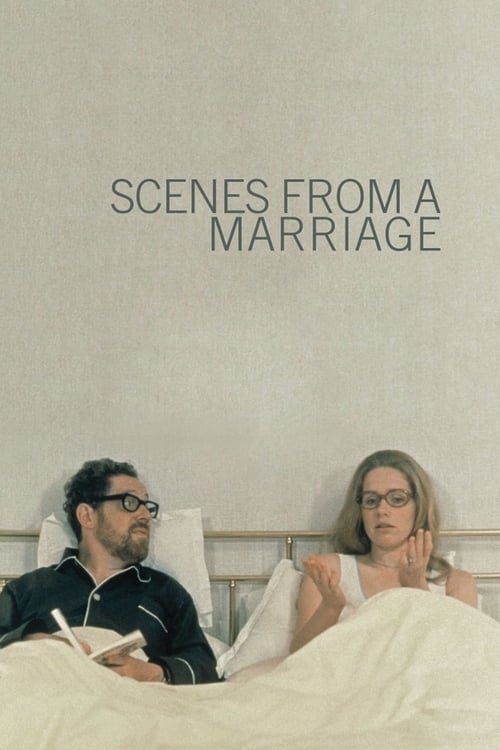
- 1969Bergman's made-for-TV depiction of a marriage in crisis redefines how film can treat intimate relationships without sentimentality. Scenes from a Marriage
- 1987Gabriel Axel adapts Isak Dinesen; the film wins the Academy Award for Best Foreign Language Film and plants Danish cinema on the world map. Babette's Feast
- 1998Thomas Vinterberg's Dogme 95 entry about a family secret destroys a birthday party in real time; the formal constraint produces something ruthless and strange. The Celebration
- 2001Danish screenwriter Susanne Bier's first breakthrough: a domestic drama that refuses resolution after an accidental shooting rearranges two families. Open Hearts
- 2010Borgen begins its run on DR1, making the domestic lives of Danish politicians as compelling as the parliamentary manoeuvring. Borgen
- 2014Ruben Ostlund's Force Majeure wins at Cannes and becomes the decade's defining film about men who fail a quiet test no one was supposed to be watching. Force Majeure
- 2019May el-Toukhy's Queen of Hearts premieres at Sundance, wins the Crystal Bear at Berlin, and is selected as Denmark's Academy Award submission. Queen of Hearts
- 2021Joachim Trier's The Worst Person in the World: Oslo as setting for the most sympathetic portrait of a person who keeps choosing herself. The Worst Person in the World