
The Sound of Restless America
R.E.M. spent four decades proving that a guitar band from a college town in Georgia could carry the weight of the whole American century. Michael Stipe's elliptical vocals, Peter Buck's chiming Rickenbacker arpeggios, Mike Mills's melodic bass, Bill Berry's propulsive drumming: together they made music that felt both ancient and urgently present. Their songwriting never explained itself. Stipe sang around subjects rather than at them, trusting listeners to find their own meaning in a collage of images. The result was music that sounded like memory, like the 6 AM drive back from somewhere you should not have been, like a country losing its mind and a few people trying to stay sane inside it.
From Murmur (1983) through Automatic for the People (1992) to the political fury of Up and Reveal, R.E.M. tracked American anxiety with more precision than almost any novelist of the same era. They were college radio heroes who became arena giants without losing the quality that made them matter: a fundamental ambivalence, a refusal to be comforting when comfort was a lie. Fans of R.E.M. tend to share certain tastes. They want art that sits with difficulty rather than resolving it. They respond to atmosphere as much as narrative. They find beauty in ruin, meaning in the mundane, and they are constitutionally suspicious of anything that tries too hard to reassure them.
Essential R.E.M.
The albums, in order of emotional necessity
The perfect entry point is not their biggest album
Everyone says start with Automatic for the People because it is the most emotionally legible R.E.M. record, and they are not wrong. But the real entry point is Document (1987). It is angrier, more political, and more immediate. It has 'The One I Love' for the uninitiated and 'Finest Worksong' for the converts, and it sits at the exact moment the band was crossing from cult to mainstream without yet becoming a brand. Start there and the whole catalog opens up in both directions.
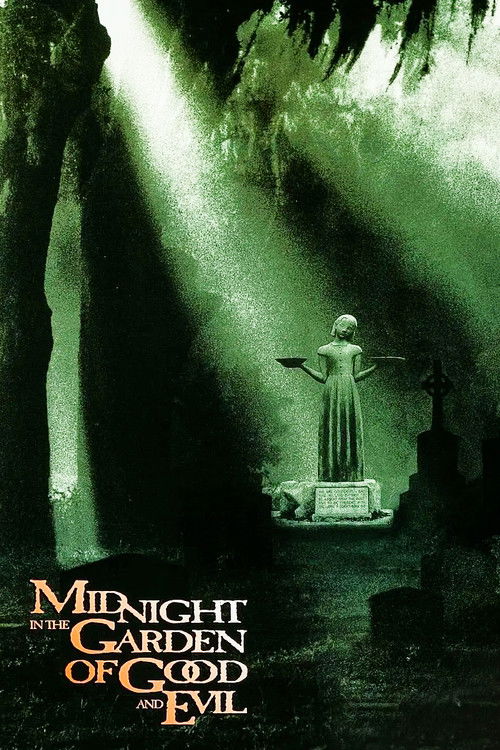
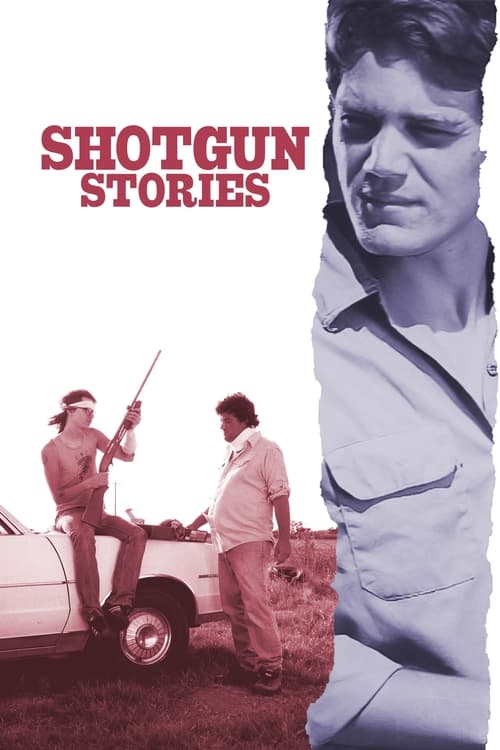
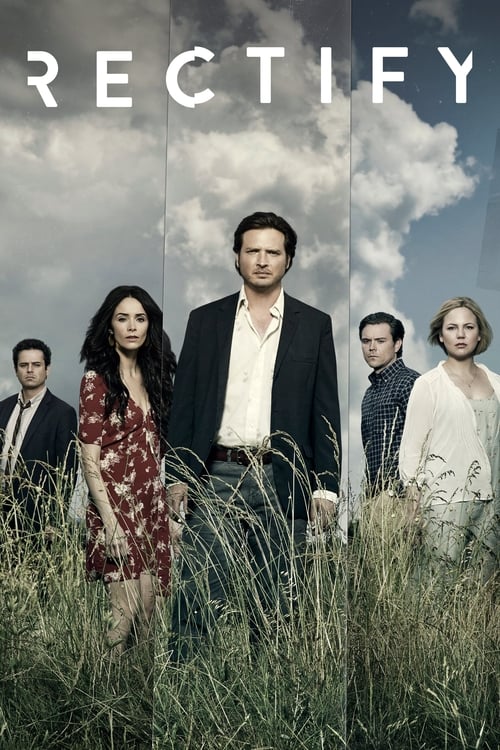
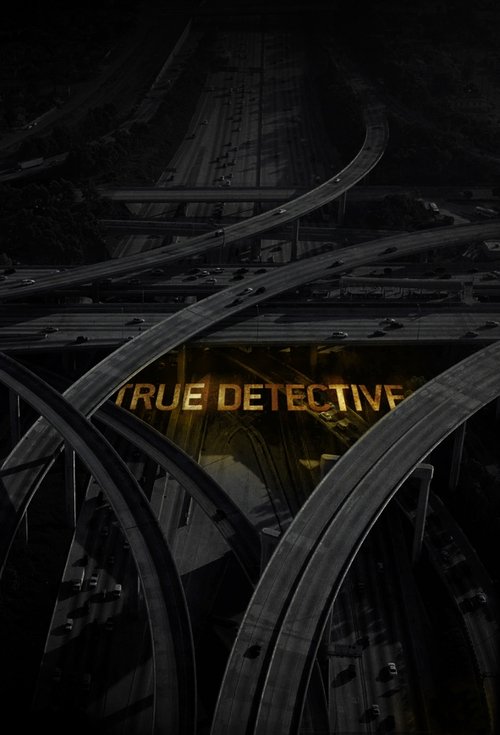
Southern Gothic on Screen
Films and shows that share R.E.M.'s sense of place: the American South as myth, rot, and grace



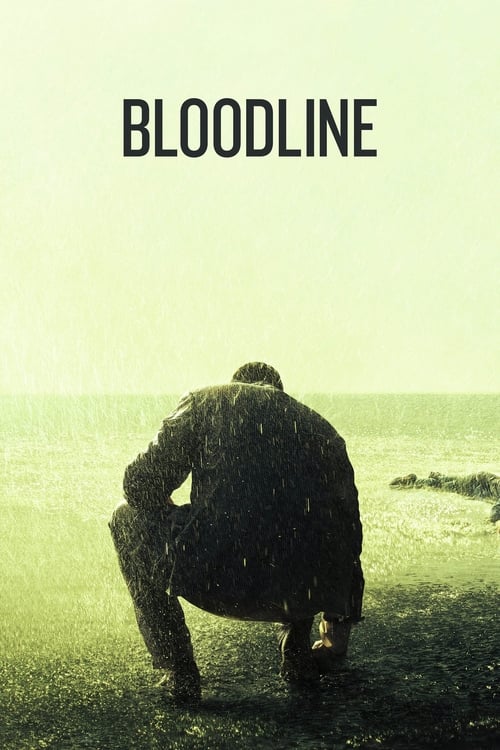

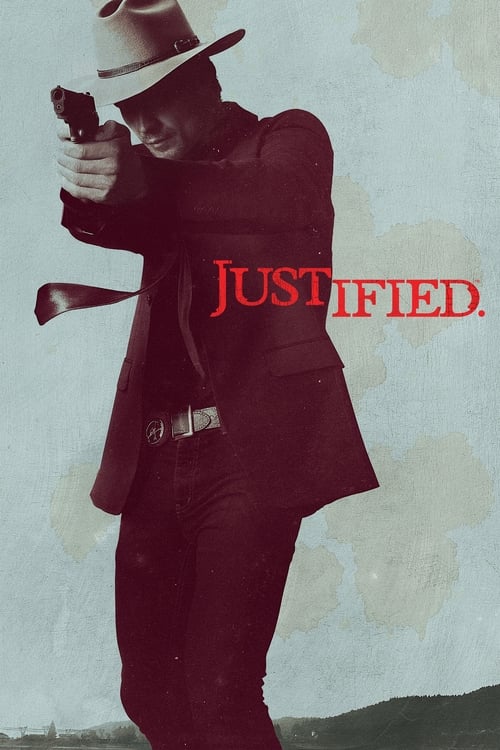
Elliptical Americana in Fiction
Novels with R.E.M.'s oblique intelligence, political unease, and quiet devastation
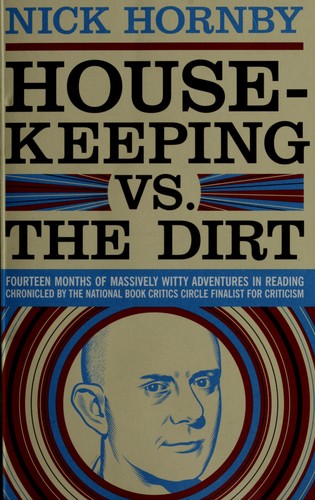


The most underrated R.E.M. era is the late-90s experiments
Up (1998) was a commercial disaster and is now quietly recognized as one of their strangest and bravest records. Berry had left, Stipe was processing grief and loss, and the band made an electronic-inflected record that sounds like nothing else in their catalog. Tracks like 'At My Most Beautiful' and 'Daysleeper' have aged into something that sounds prescient rather than awkward. The fans who dismiss it are the ones who wanted Automatic again. The ones who sit with it tend to love it most.
Music Documentaries and Concert Films
For when you want to understand where great bands come from, and what it costs

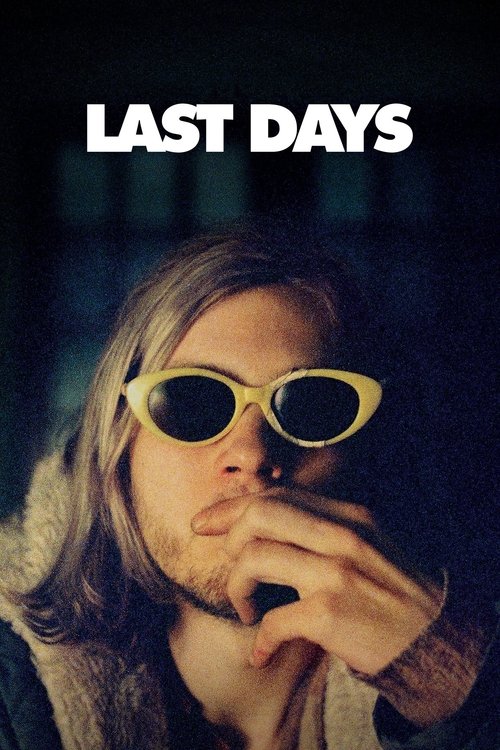
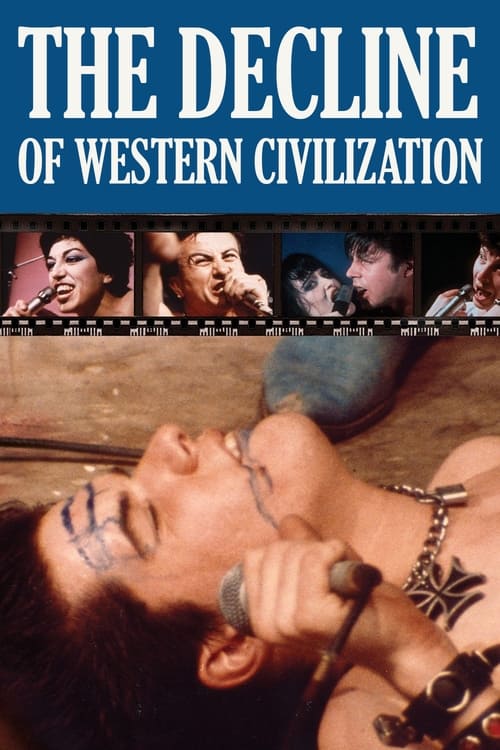
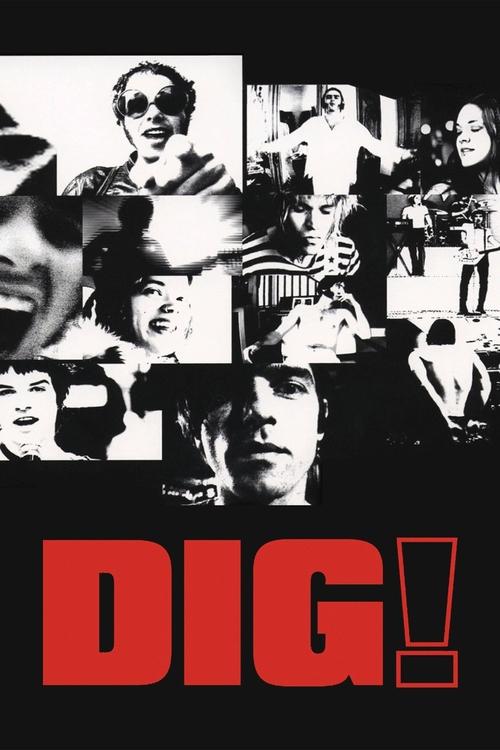
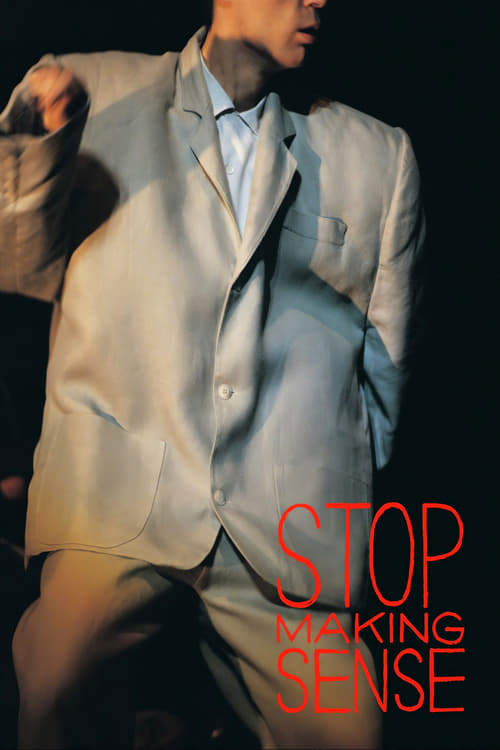


The spiritual successor to R.E.M. is not who you expect
The obvious answer is The National, and The National is correct. Aaron Dessner and Matt Berninger inherited R.E.M.'s gift for political unease wrapped in pretty melodies, their instinct for the oblique lyric that lands harder than a direct one. But the more honest spiritual successor for texture and oblique American beauty is Bon Iver's For Emma, Forever Ago: not Southern, not political, but shaped by the same belief that devastation and grace are the same note held long enough.
College Radio DNA: Bands That Grew Up Alongside R.E.M.
The records that defined the American indie and alt universe, 1980 to 2000
R.E.M.: A Career in Albums
- 1983Murmur: college radio mythology begins Murmur
- 1984Reckoning: faster, rawer, and just as opaque Reckoning
- 1985Fables of the Reconstruction: Southern Gothic peak Fables of the Reconstruction
- 1986Life's Rich Pageant: first political roar Lifes Rich Pageant
- 1987Document: crossover without compromise Document
- 1988Green: major label debut, world tour Green
- 1991Out of Time: Shiny Happy People, and the real album underneath it Out of Time
- 1992Automatic for the People: grief, mortality, the masterpiece Automatic for the People
- 1994Monster: deliberate noise, glam abrasion Monster
- 1998Up: Berry gone, experiments begin Up
- 2001Reveal: sun-drenched melancholy, underrated Reveal
- 2011Collapse into Now: quiet farewell before the split Collapse Into Now
Alt-Rock and Oblique Beauty
For Fans of The National
Explore the For Fans of The National guide →They made political music that never felt like a lecture and sad music that never felt like self-pity. That is a rarer combination than it sounds.CrossBinge editors