

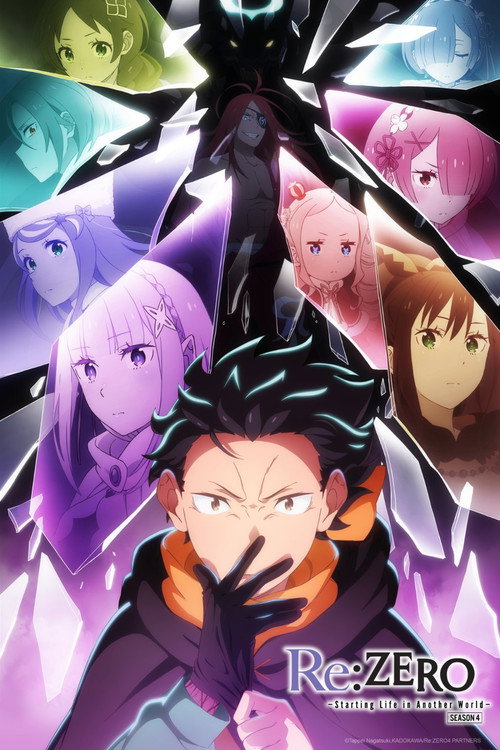
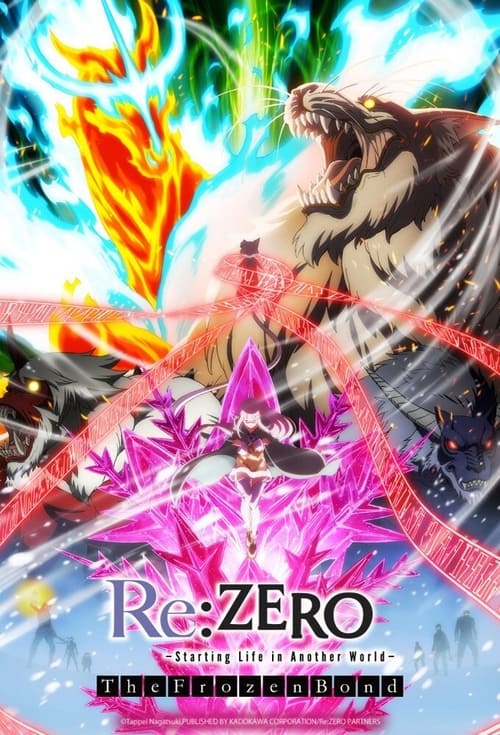
Re:ZERO earns its devoted following by doing the one thing most fantasy refuses to do: letting failure hurt. Subaru Natsuki cannot die and stay dead, but every loop back to a checkpoint strips him of something, whether that is time, trust, relationships, or his own sanity. The series runs on emotional consequence. Magic systems and political intrigue are the scaffolding, but what fans actually return for is the portrait of a young man repeatedly broken and forced to choose whether to try again. That loop mechanic is not a power fantasy; it is a punishment. The series sits alongside a small body of work across anime, games, books, and film that treats genre premise as a lens for genuine psychological and emotional weight.
Essential Re:ZERO
The core series and its expansions, ranked by where to begin and where to go deeper.

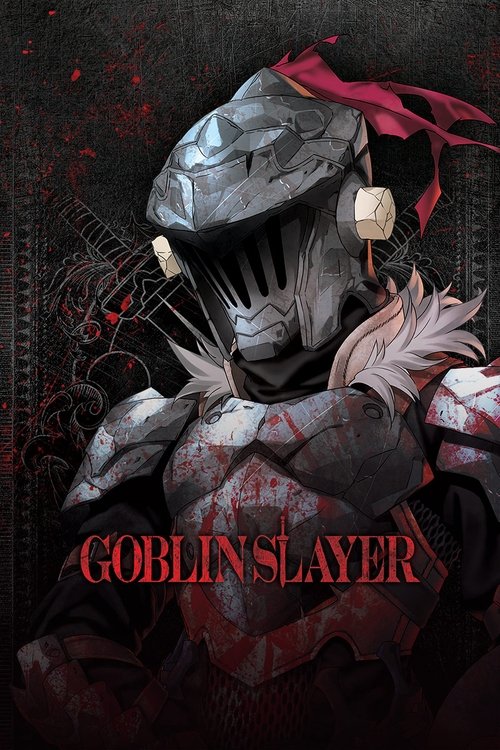
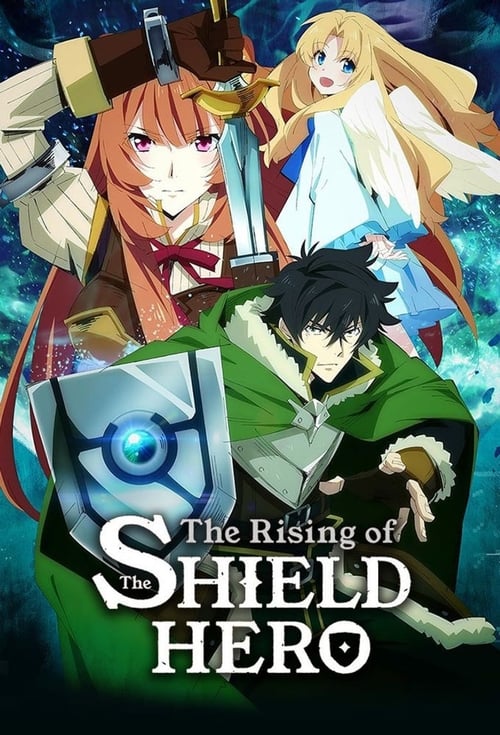
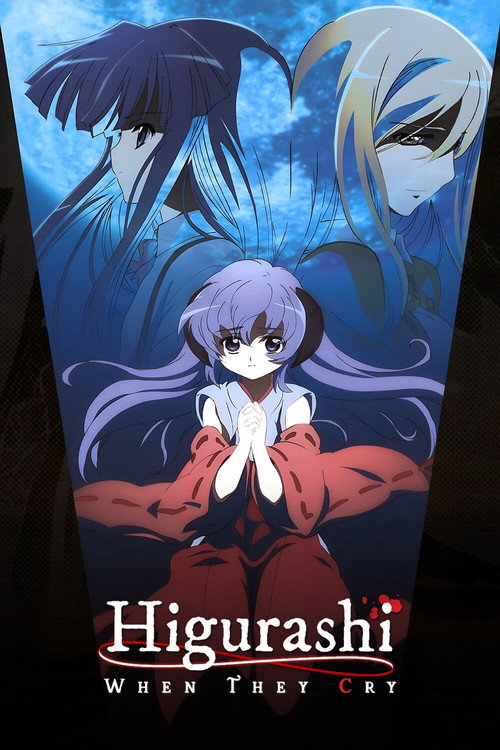
Other Series That Refuse to Let You Off Easy
Anime and TV that share Re:ZERO's commitment to consequence, despair, and earned catharsis.

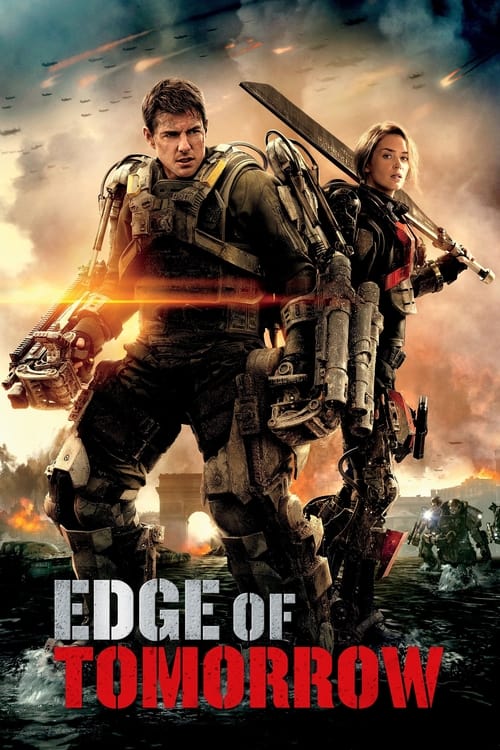
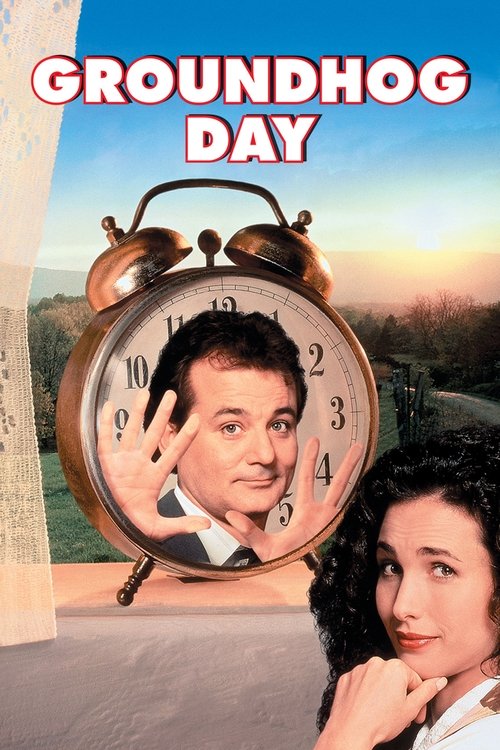
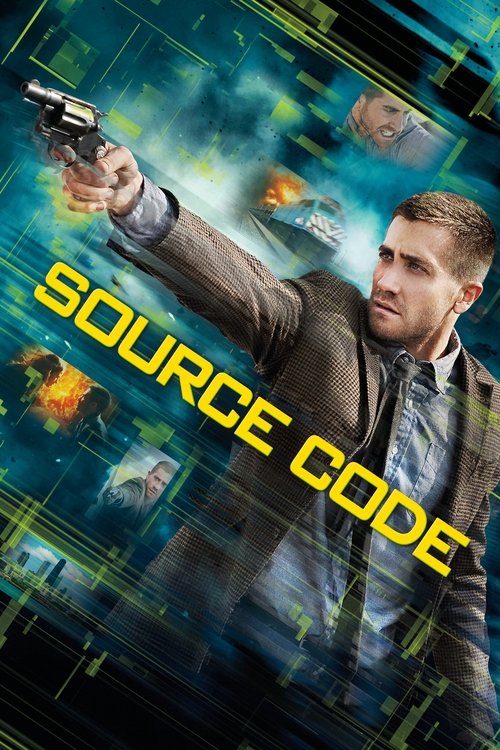
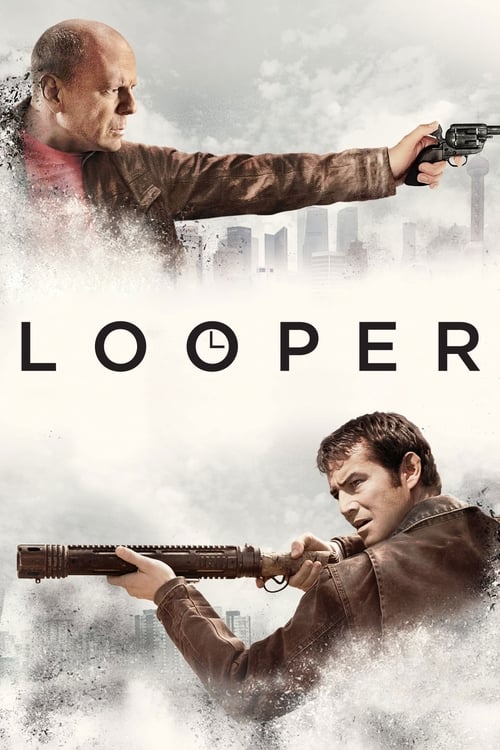
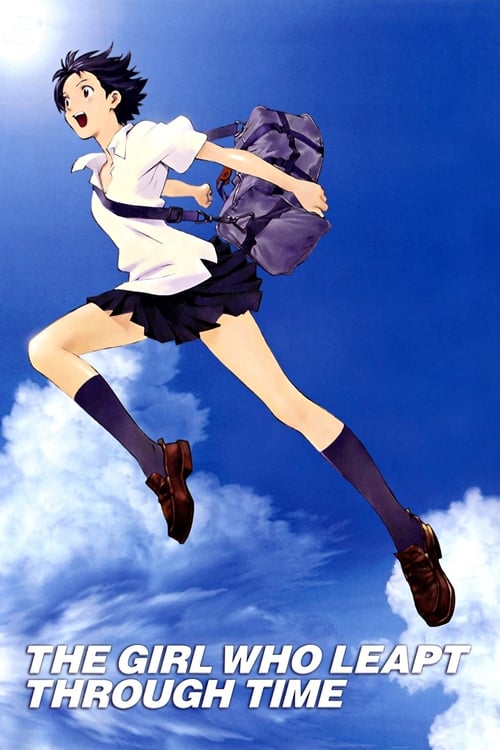
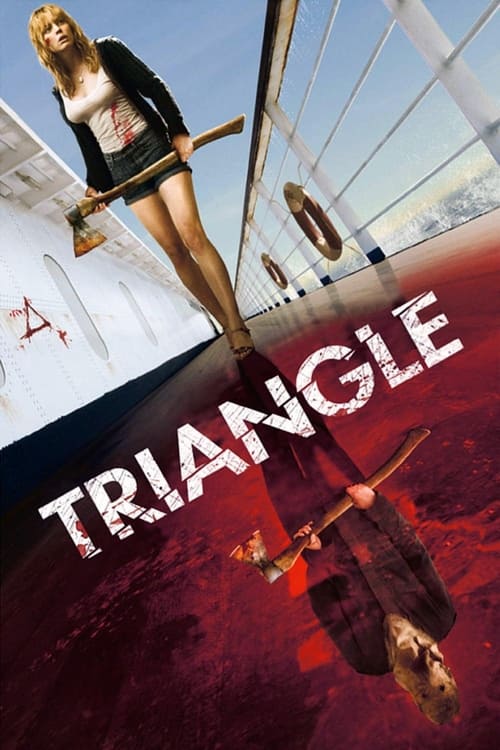
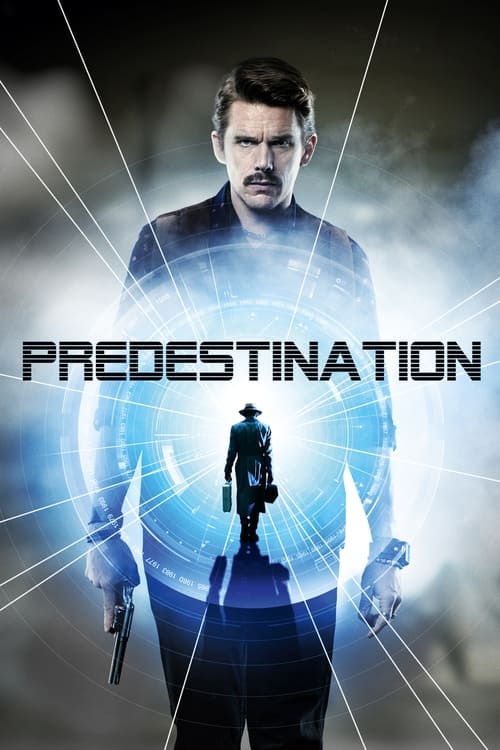
Films That Loop, Repeat, and Reckon
Movies built around repetition, second chances, and the psychological weight of reliving the same moment.



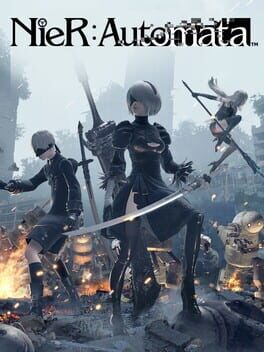
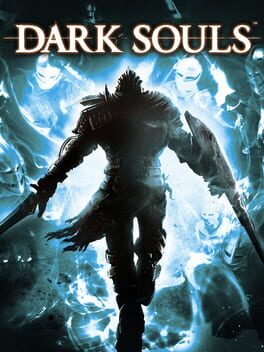
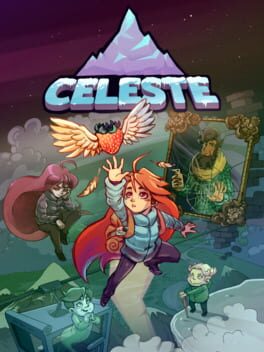
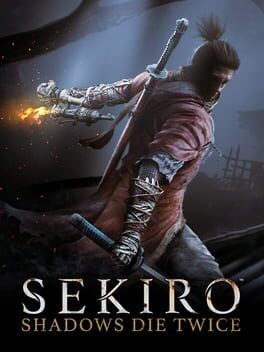
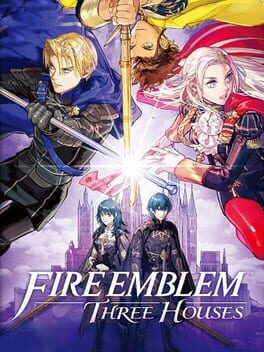
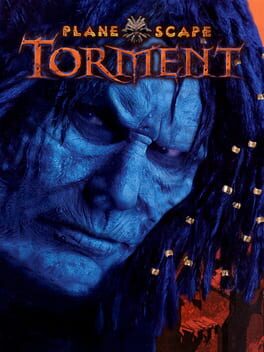
Games Where Death Is the Lesson
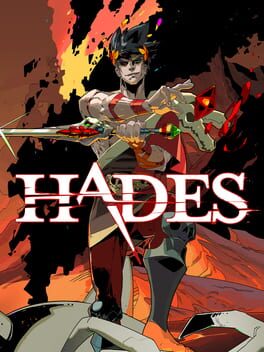
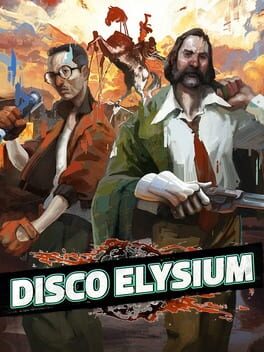
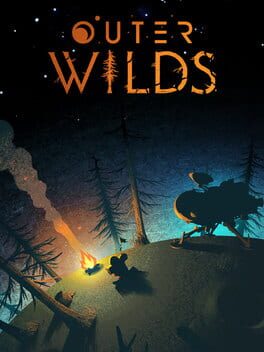
Games that use failure, repetition, and consequence as their central design language, not just a difficulty setting.
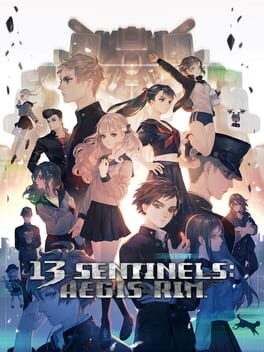
Novels That Put the Protagonist Through Hell
Fantasy and science-fiction novels where the main character's suffering is the point, not a detour.



Rem Is Not the Point. Subaru's Rejection of Her Is.
The moment in arc four where Subaru chooses Emilia over Rem, despite everything Rem represents, is the series' most revealing character beat. It would be easy to read that choice as the show protecting its main ship. But it is actually the series insisting that Subaru cannot be rescued by devotion alone. He has to fix what is broken in himself, not accept an exit ramp. Re:ZERO is unusual in that it refuses to let its male lead be redeemed by a woman's love; the redemption has to come from somewhere harder.
I am not a hero. But I will not stop running toward the thing I cannot protect.Natsuki Subaru, Re:ZERO -Starting Life in Another World-
The Best Isekai Earn Their Fantasy Settings
Too many portal-fantasy stories use another world as a blank canvas for wish fulfillment. Re:ZERO uses its Lugunica setting to impose real social structures, genuine political conflict, and a magic system with costs. The witches and their cults are not decoration; they are a lore backbone that the series slowly unpacks. This is the mode the genre should aspire to. Overlord does something adjacent with its cold moral inversion; The Rising of the Shield Hero gestures at it. Re:ZERO does it most fully.
A Brief History of the Loop Narrative
- 1993Groundhog Day establishes the modern template for the time-loop premise as character study. Groundhog Day
- 2004Higurashi: When They Cry brings the loop to horror visual novels, with violence and paranoia as its core registers. Higurashi: When They Cry
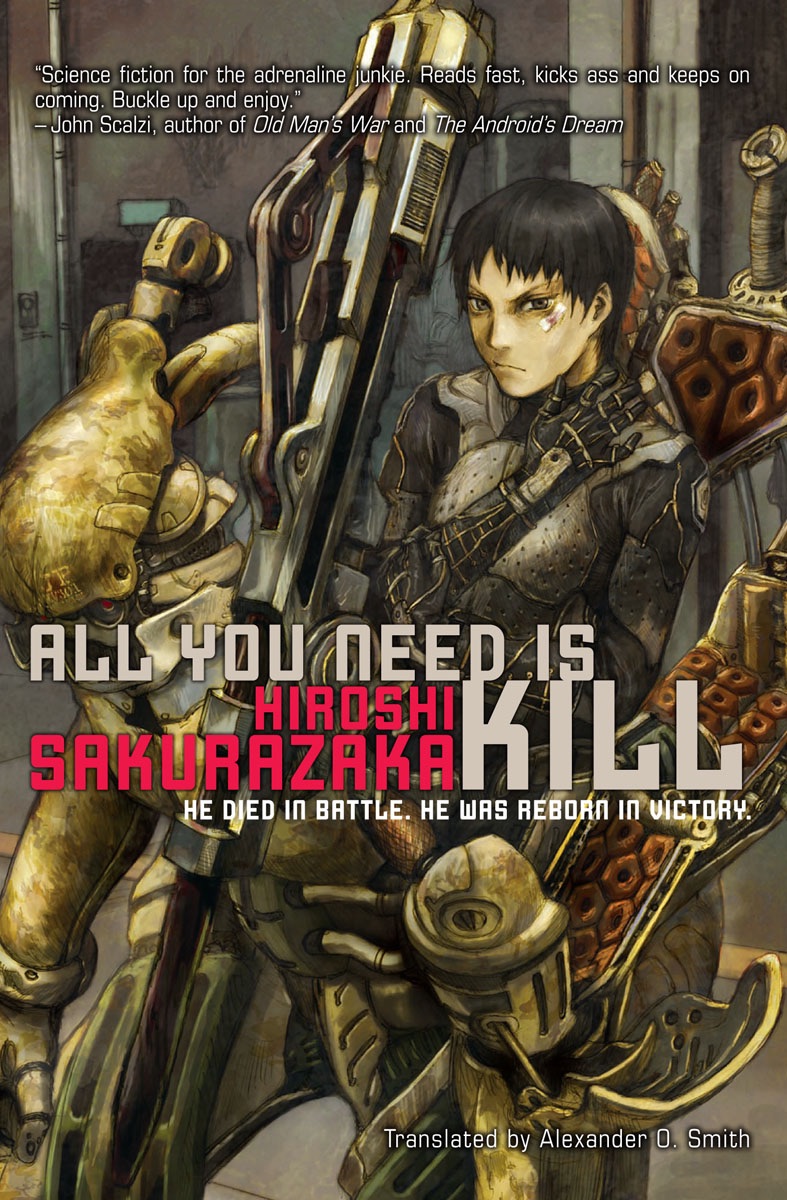
- 2009All You Need Is Kill (the Hiroshi Sakurazaka light novel) exports the mechanic into military sci-fi. All You Need Is Kill
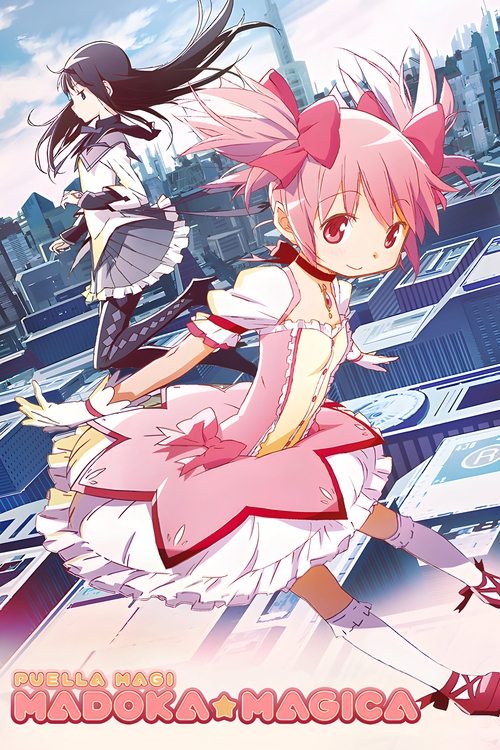
- 2011Puella Magi Madoka Magica uses hidden loops to structurally deceive its audience before revealing its real genre. Puella Magi Madoka Magica
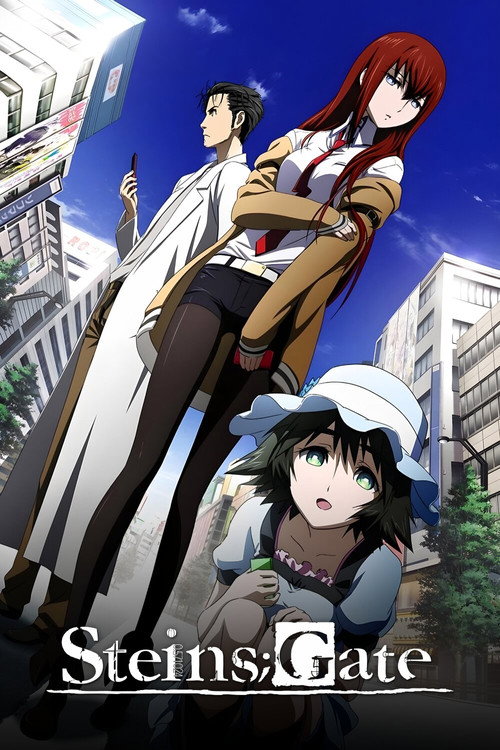
- 2011Steins;Gate adapts its visual novel roots into the defining emotional time-travel anime. Steins;Gate
- 2014Edge of Tomorrow brings the loop mechanic to Hollywood blockbuster scale. Edge of Tomorrow
- 2016Re:ZERO begins airing and immediately raises the emotional stakes of isekai by weaponizing its loop against its protagonist. Re:ZERO -Starting Life in Another World-
- 2017Nier: Automata asks players to loop through the same story multiple times, each pass revealing new moral context. NieR: Automata
- 2020Hades perfects the roguelike loop as narrative structure, where death advances the story. Hades
- 2020Re:ZERO Season 2 deepens the lore around the witches and pushes Subaru to his lowest point yet.
Made in Abyss Is the Closest Thing to Re:ZERO's Emotional Register
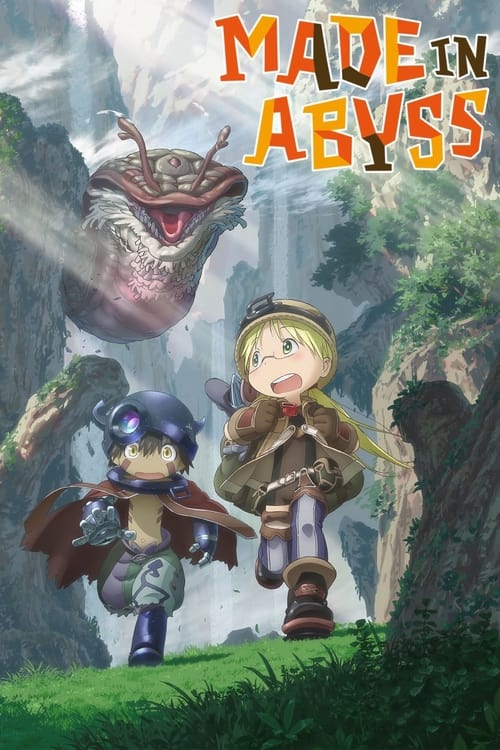
Both shows are structurally about descent: physical in Made in Abyss, psychological in Re:ZERO. Both weaponize cute or approachable aesthetics against what is actually happening to their characters. Both refuse to soften consequences for the sake of comfort. If Re:ZERO's loop mechanic is the spine, Made in Abyss's curse layers are the equivalent device, and both shows understand that the horror is most effective when the audience has already fallen in love with who is suffering.
Outer Wilds Understands What Re:ZERO Understands
Outer Wilds is not a dark game. It is a warm, melancholy, endlessly curious one. But it shares Re:ZERO's core structural insight: that looping is not a cheat code, it is a form of grief. You carry forward only your knowledge and your loss. Every run in Outer Wilds is the same 22 minutes, but the player's accumulating understanding transforms what that time means. Re:ZERO fans who have not played it will find it lands in an unexpectedly familiar emotional place.