
Bryan Adams released Reckless in November 1984 and it immediately became one of those records people remember exactly where they were when they first heard it loud. Six of its eleven tracks became Top 15 singles in North America. But the reason it still holds is not the chart performance: it is the sound. Thick, slightly ragged guitar, melodies that feel lived-in rather than polished, and a singer who sounded like he meant every word without ever tipping into self-pity. Adams arrived in the direct line of heartland rock that Bruce Springsteen had drawn from Darkness on the Edge of Town through Born in the U.S.A., but he stripped it of American mythology and replaced it with something more universal: the feeling of being young, restless, and not quite sure what to do with the energy burning through you. What fans of Reckless are chasing is a very specific emotional register: big hooks, emotional directness, guitars that sound like they were played in a room rather than assembled in a mix. The selections below follow that thread across every medium.
Essential Bryan Adams
The core catalogue, from the breakthrough to the grown-up records that hold up just as well
The Heartland Rock Canon
Albums that share the same emotional directness, loud guitars, and anthemic reach
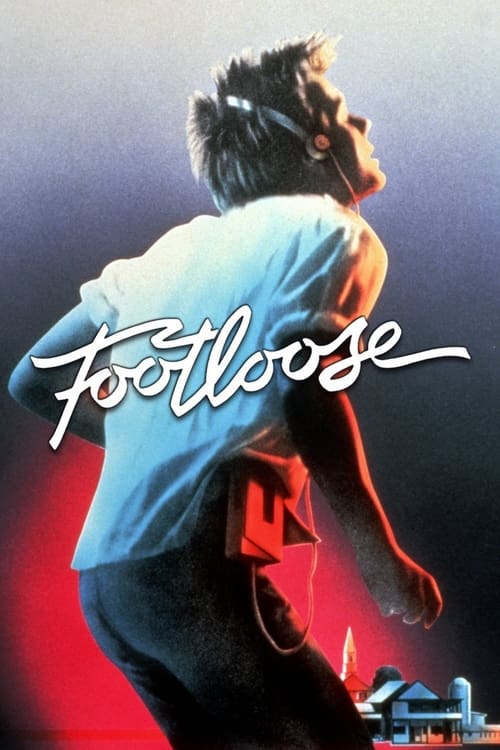
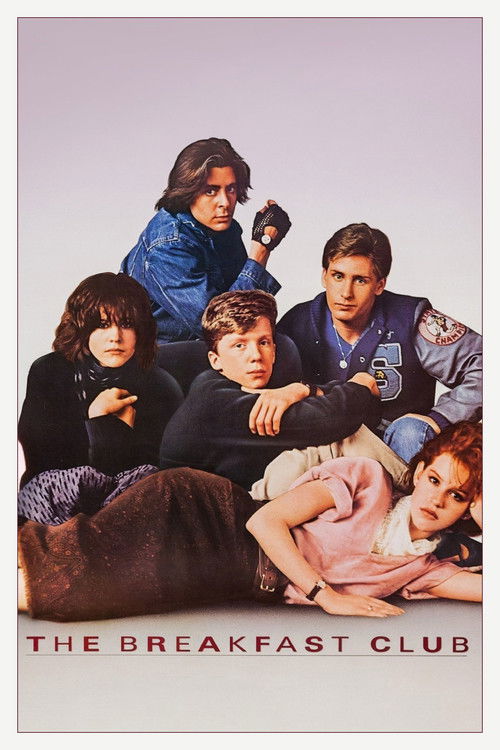
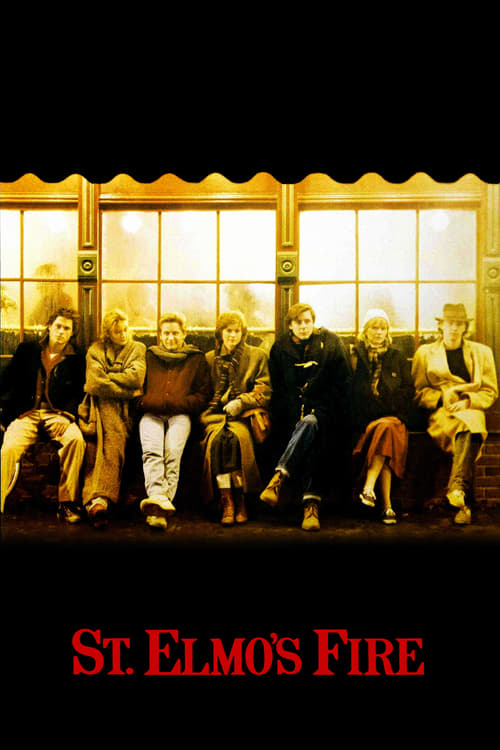
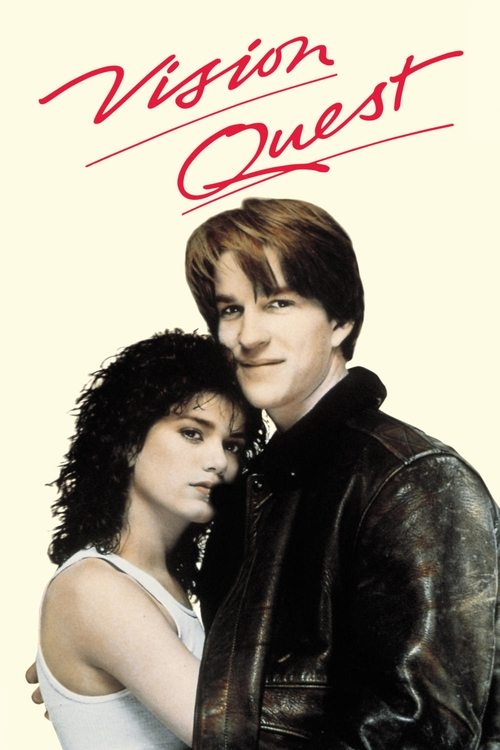
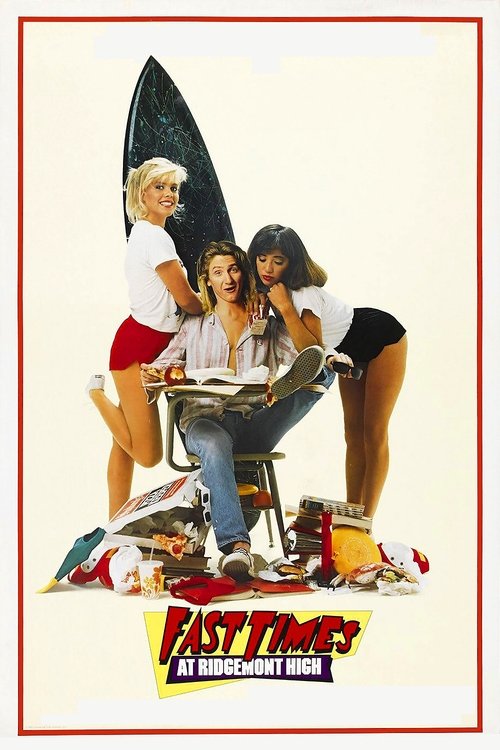
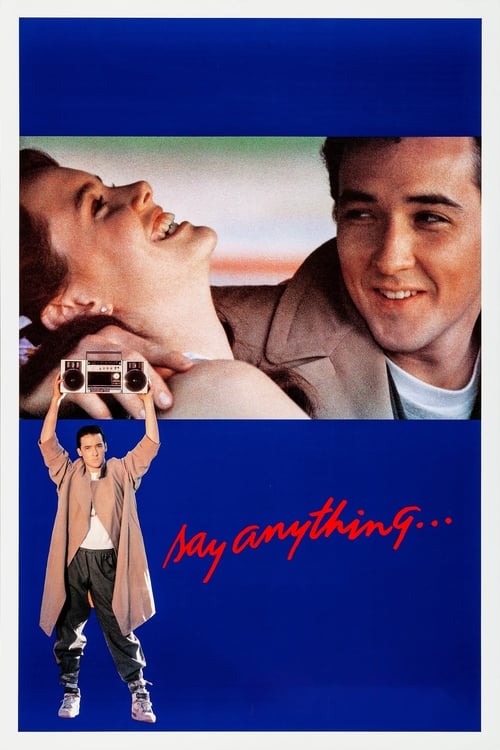
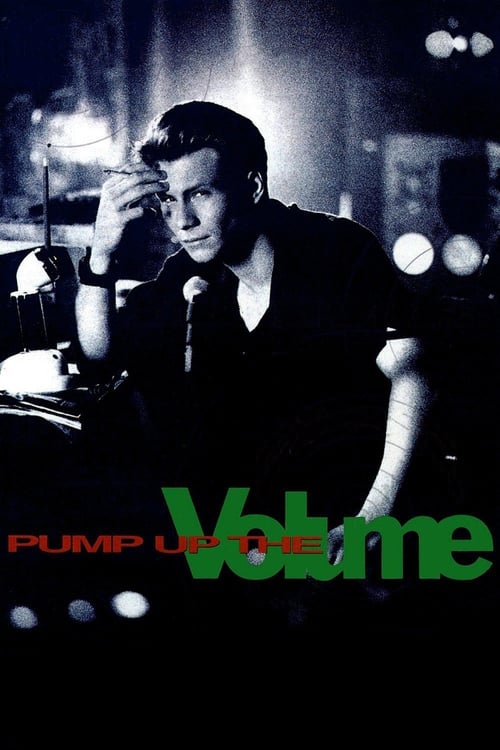
The Films That Live in the Same Register
Movies with that mid-80s urgency: young, loud, emotionally blunt, and not embarrassed about it



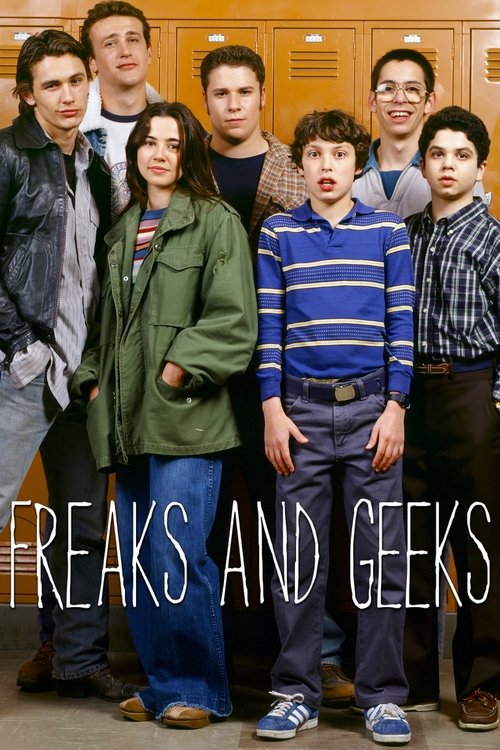
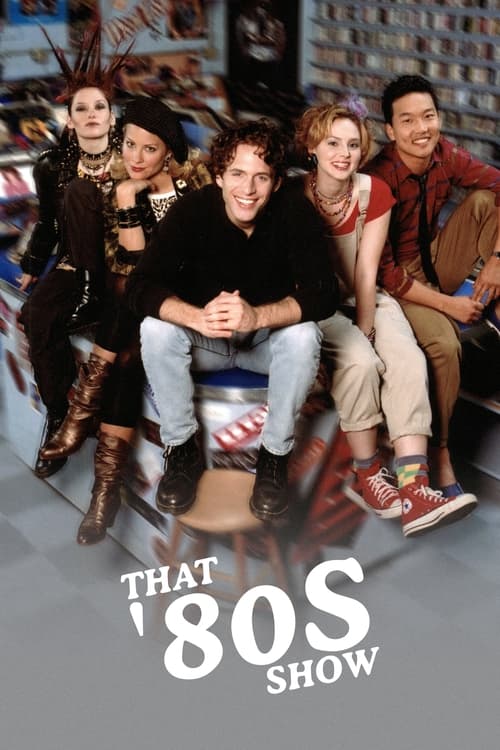
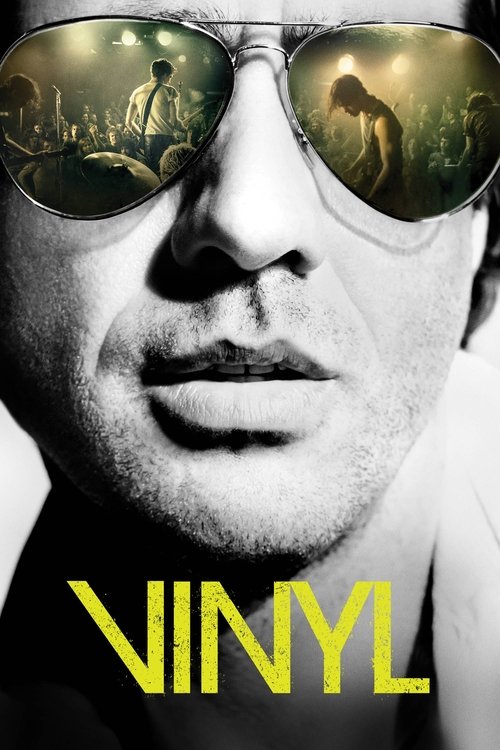
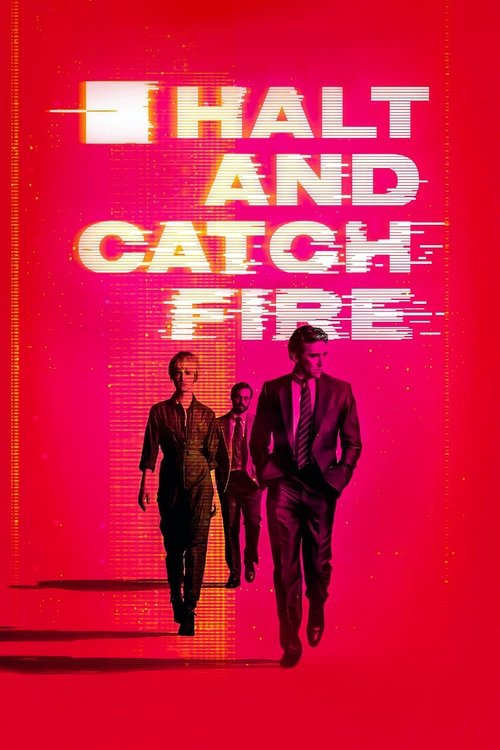
Television That Ran on the Same Fuel
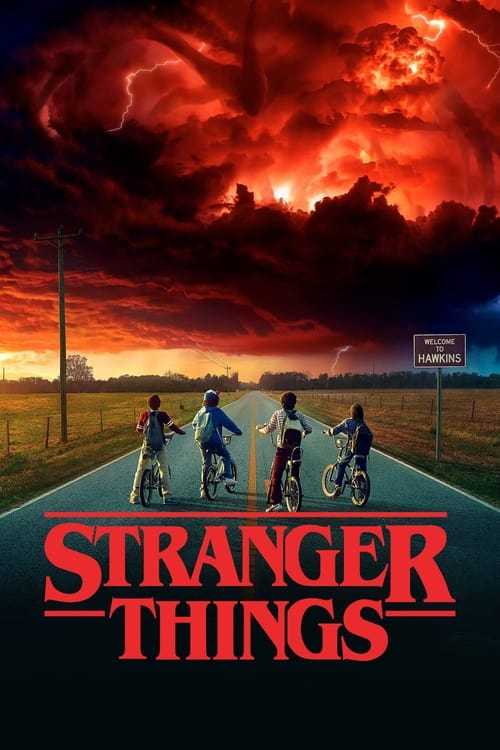
Series built around restless characters, rock-adjacent soundtracks, and the feeling that growing up was taking too long
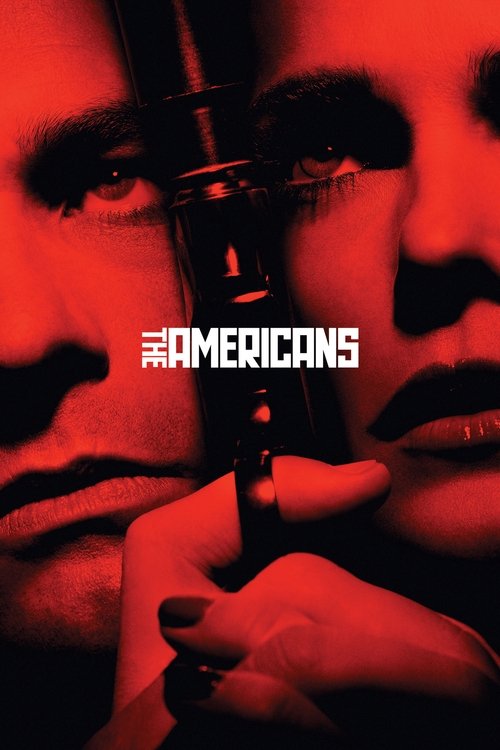
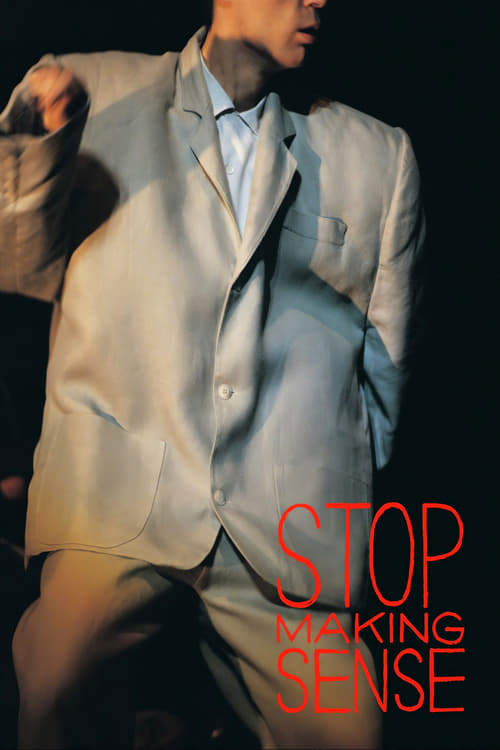
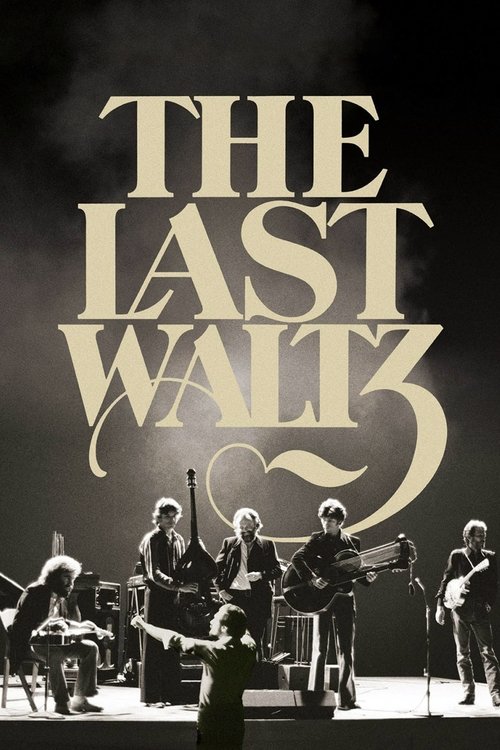
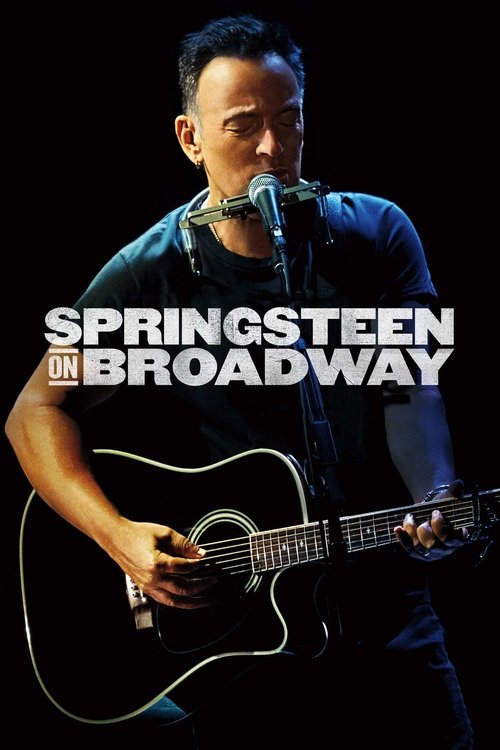
Rock Documentaries and Concert Films Worth Your Time
The best films about the era, the business, and the live experience that made records like Reckless possible
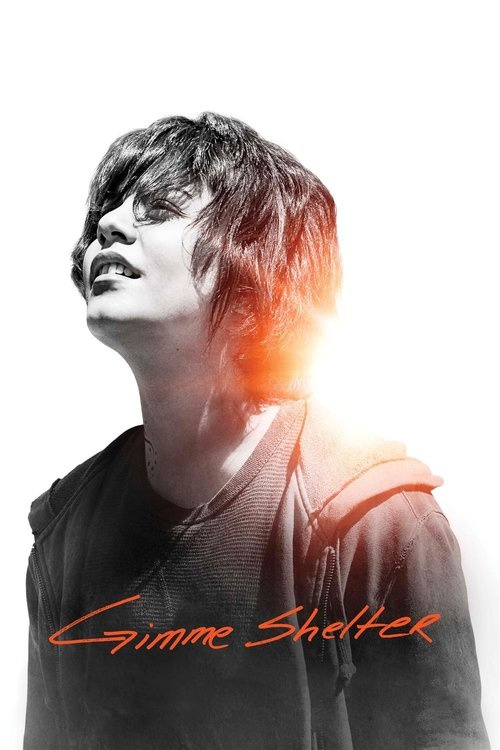
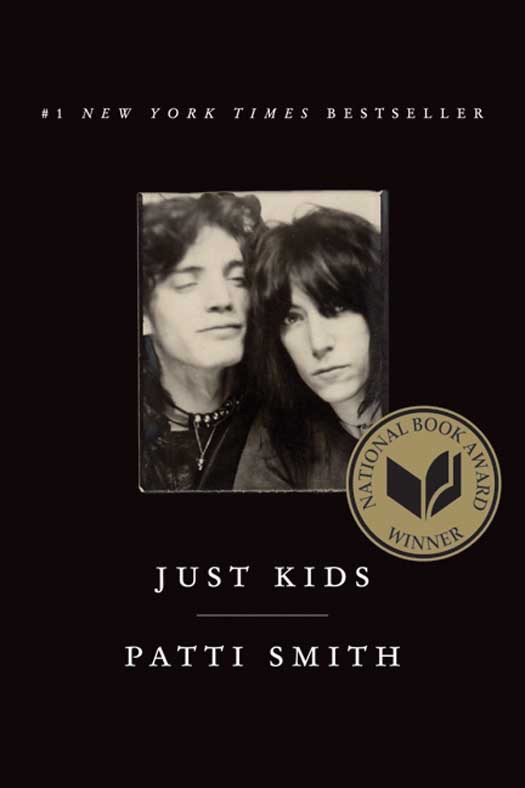
Novels That Capture the Same Raw Energy
Fiction about music, youth, hunger, and the road, written for readers who still hear the guitar solo in their heads



Summer of '69 is the best three-minute biography of longing ever recorded
The song is not about a year. It was not possible for Adams to have been playing his first real six-string in a five and dime in 1969 at the age he was in 1984. That does not matter at all, because the song is not journalism; it is a feeling about a summer that already ended. Every verse gets a little older and a little more aware that the thing it is describing is gone. It is a song about nostalgia as a physical sensation, and it is perfect.
Heartland rock deserved a better critical reputation than it got
Through the late 1980s and into the 1990s, as grunge arrived and critics reframed the preceding decade as shallow, albums like Reckless, Scarecrow, and American Fool got quietly dropped from serious consideration. The argument was that they were too commercial, too clean, too radio-friendly. That argument confused sheen with sincerity. These were records made by people who grew up listening to country and R&B and wanted to make rock music that connected with people who worked for a living. The grunge critique was aimed at hair metal, which had its own problems, but it landed on a broader swathe of music that did not deserve the damage.
The 1984 arena rock movie has never really been made
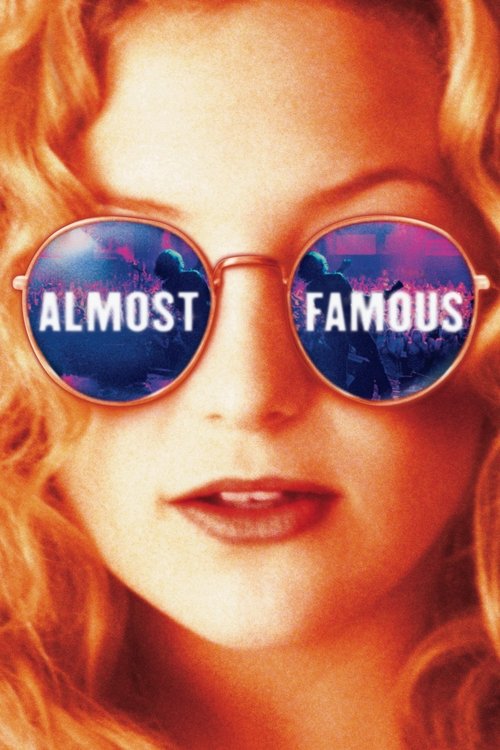
Films about music in this era keep gravitating toward the extremes: the madness of glam and metal, the purity of punk, the celebrity machinery of pop. Nobody has properly dramatized the middle ground: the bar-band road warrior who crosses over on his third album, the session player who gets a production credit, the A&R person who hears something real in a demo tape and fights for it. That story is still waiting for its film. Almost Famous gets closest in spirit but is a decade earlier and from the journalist's side of the room.
Bryan Adams and the Moment He Was Part Of
- 1980Adams co-writes 'Let Me Take You Dancing' and signs with A&M; the rock mainstream is about to shift away from arena excess toward something more direct
- 1983Cuts Like a Knife announces the template: big guitar, plain-spoken lyrics, zero irony Cuts Like a Knife
- 1984Reckless is released in November; within months it has produced six singles and is selling in territories Adams had never toured Reckless
- 1984Born in the U.S.A. arrives the same summer and defines the cultural moment Adams was also inhabiting Born in the U.S.A.
- 1985Adams performs at Live Aid Philadelphia; the broadcast reaches an estimated 1.9 billion viewers
- 1987Into the Fire deepens the writing without chasing pop trends; it is his most underrated record Into the Fire
- 1991Waking Up the Neighbours goes to number one in seventeen countries; '(Everything I Do) I Do It for You' stays at number one in the UK for sixteen weeks Waking Up the Neighbours
- 199618 til I Die reasserts the guitar-rock identity during the Britpop and grunge eras; critically undervalued, commercially steady 18 Til I Die
I got my first real six-string, bought it at the five and dime, played it till my fingers bled, it was the summer of sixty-nine.Bryan Adams, Summer of '69 (Reckless, 1984)