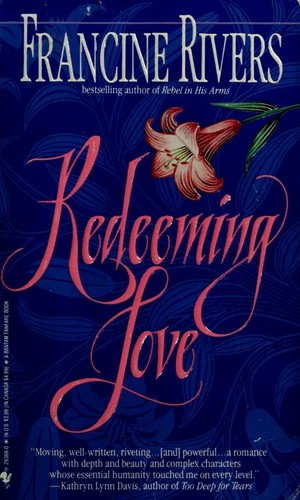

Francine Rivers published Redeeming Love in 1991, then rewrote and expanded it in 1997, and it has sold millions of copies since. The novel transplants the biblical Hosea story into 1850s Gold Rush California: a woman sold into prostitution as a child, known as Angel, is pursued by a farmer named Michael Hosea who believes God has called him to love her unconditionally. What readers chase in this book is a very specific emotional arc: a wounded protagonist who has armored herself against intimacy being loved past every wall she puts up, slowly, painfully, without the love being contingent on her earning it. The fantasy is not rescue in the action-hero sense. It is being known at your worst and loved anyway. That combination of period setting, spiritual undertone, raw backstory, and an almost unbearably patient hero is the fingerprint fans carry into every next book, series, and film they pick up.
The Screen Life of the Story
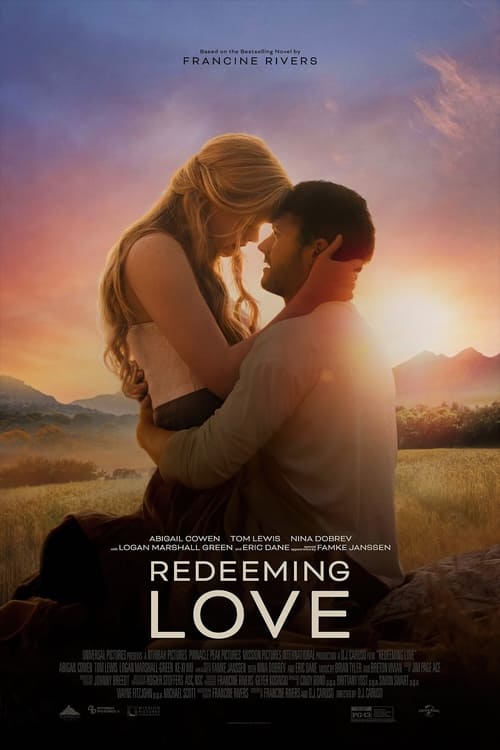
The 2022 film adaptation and the films that occupy the same emotional territory: period settings, women fighting for selfhood, love that costs something real.








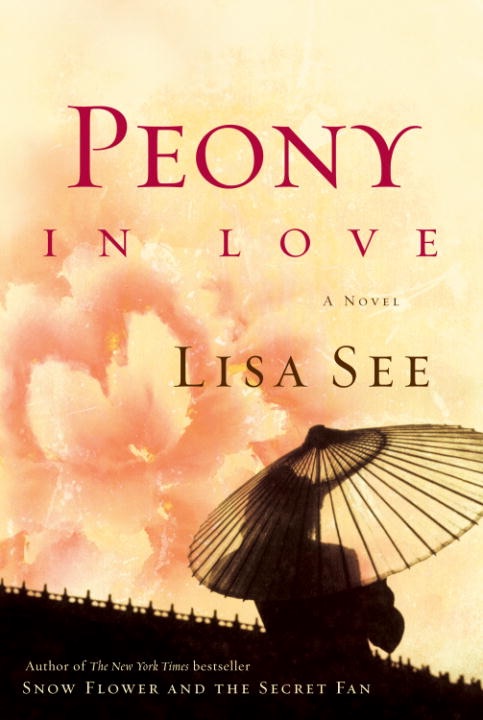
Novels That Chase the Same Wound
Books where the emotional spine is a character rebuilding identity after profound trauma, with love as a vehicle rather than a simple reward.


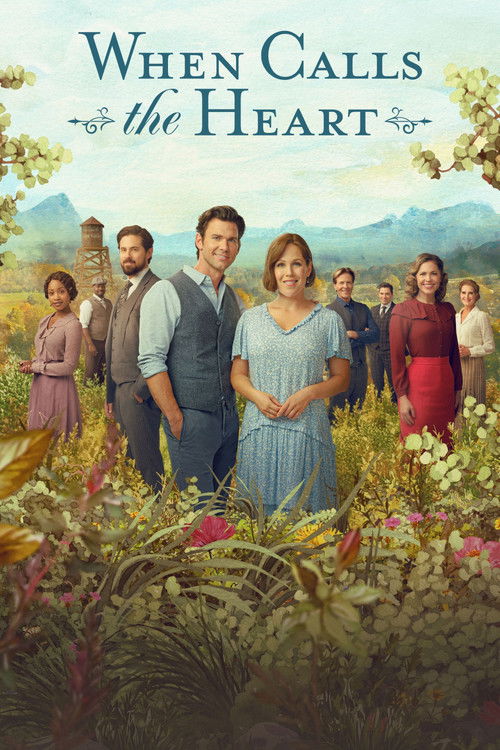
Series for the Long Burn
Television that gives its characters enough episodes to carry trauma slowly toward something like repair: faith, history, and emotional stakes woven together.








Music for the Ache
Scores and albums that sit in the same emotional register: longing, fragile hope, and the particular quiet of someone deciding to trust again.
Games Where Love Is Earned, Not Given
Story-driven games where characters carry histories of harm and where the narrative rewards patience, sacrifice, and emotional honesty over power.







The Gold Rush setting does real narrative work
California in 1850 is not just backdrop. It is a place where social contracts have not yet calcified, where a woman's past has no official record, and where survival logic genuinely conflicts with moral idealism. Rivers uses the setting to make the novel's central ethical stakes feel materially grounded rather than abstract. The best historical fiction in this vein understands that period detail is an argument: it tells you why this story could only happen here.
Faith fiction at its best refuses easy resolution
The weakest entries in Christian fiction deliver conversion as a clean transformation: broken person meets God, broken person is fixed. Redeeming Love does not do this. Angel leaves Michael multiple times after conversion moments. Belief and healing do not arrive together or stay arrived. That refusal to tidy the spiritual arc is what separates the novel from its imitators and why secular readers find it more moving than they expect.
Where the adaptation stumbled
The 2022 film compresses the novel's emotional repetition, which is precisely where its power lives. Angel's repeated choices to return to survival mode rather than trust make sense across 464 pages; they feel rushed and insufficiently motivated in 112 minutes. Adaptations of this kind of interior novel always face the same problem: the reader's long residence inside a character's shame cannot be filmed at the same duration without becoming a very long film. The book rewards the reader who stays with the discomfort.
Redeeming Love: From Manuscript to Franchise
- 1991First edition published by Bantam Books as a secular historical romance Redeeming Love
- 1997Rivers revises and republishes with Multnomah Books, now explicitly as Christian fiction; the new version becomes the definitive text
- 2002The novel passes 1 million copies sold and anchors the emerging Christian romance category
- 2009Rivers completes the Mark of the Lion trilogy, cementing her place as the defining author of the faith-and-historical-fiction genre
- 2022Film adaptation directed by D.J. Caruso released in theaters; screenplay by Rivers herself Redeeming Love
- 2022The novel re-enters bestseller lists following the film release, with new editions and a companion study guide
You can't earn love. You can't lose it either. You just have to learn how to receive it.Francine Rivers, Redeeming Love