
Released in August 1966, Revolver arrived at the moment the Beatles stopped performing live and retreated into Abbey Road to make something the concert stage could never contain. What they made was a record that sounds like several different bands sharing one mind: George Harrison's sitar-laced spiritualism on "Love You To", Paul McCartney's string-wrapped intimacy on "Eleanor Rigby", John Lennon's lysergic tape-loop delirium on "Tomorrow Never Knows". The through-line a Revolver fan chases is not nostalgia for the Sixties but a specific quality of ambition: melody so strong it could survive any experiment, and production treated as composition rather than documentation. That spirit, the idea that the studio itself is an instrument and that pop music can be simultaneously strange and immediate, runs through every recommendation here.
The Beatles: Essential Albums
Where to go deeper into the catalogue that surrounds Revolver
Same Studio Alchemy: Records That Reinvented the Form
Albums that treated the recording process as the art, made between 1965 and 1975
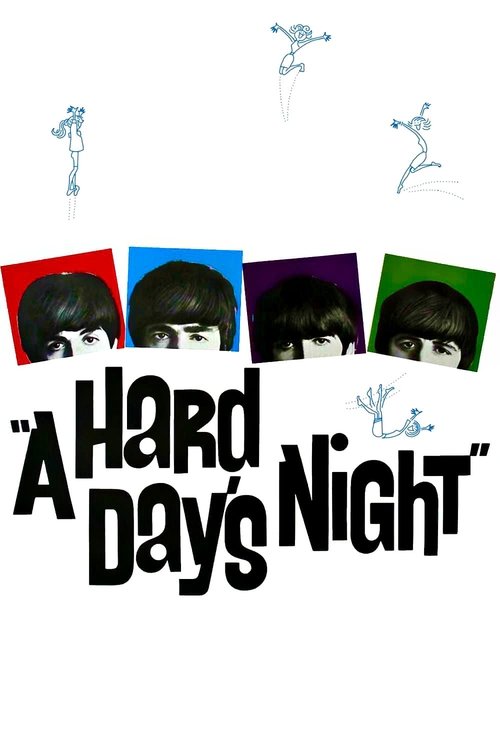
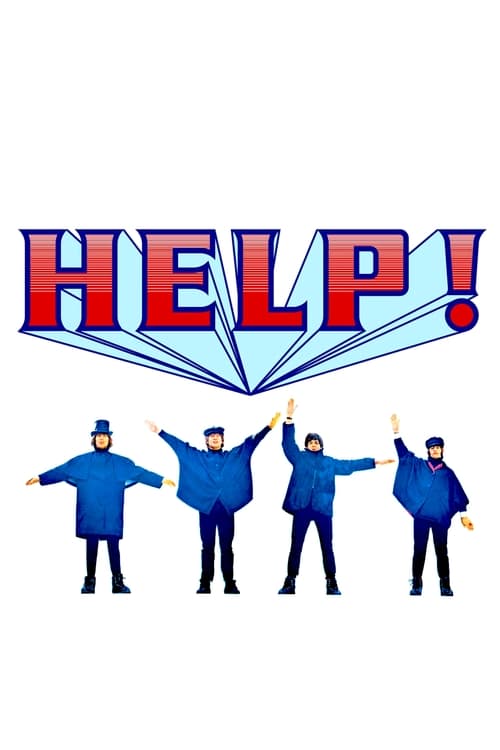
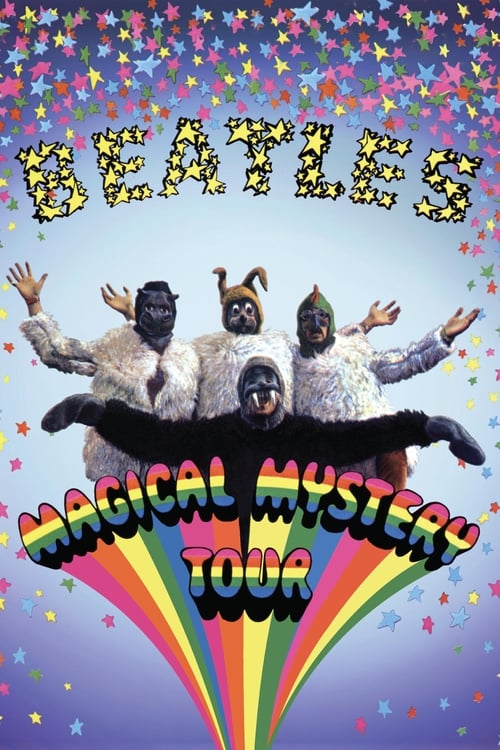
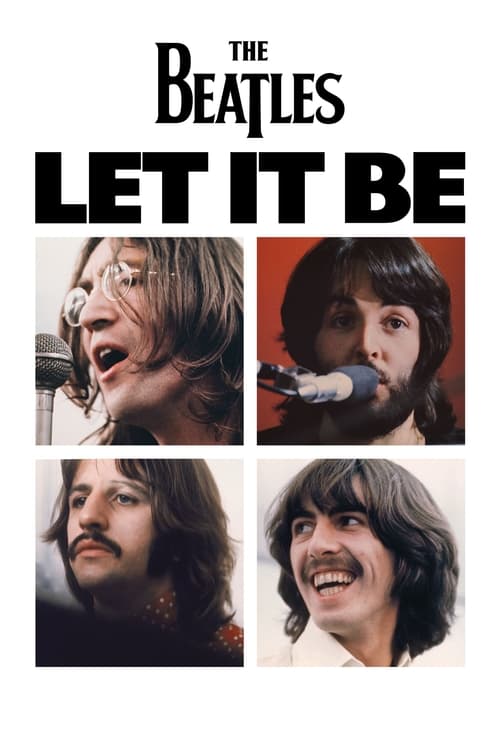
The Beatles on Film: Documentaries and Concert Records
The closest you can get to watching Revolver being made
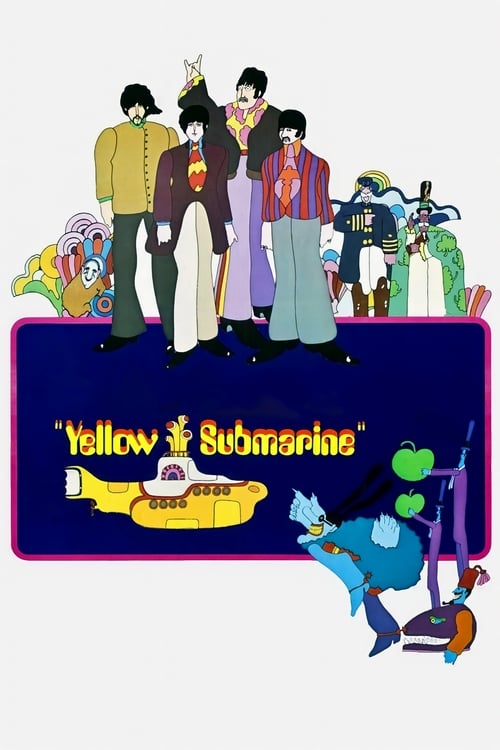
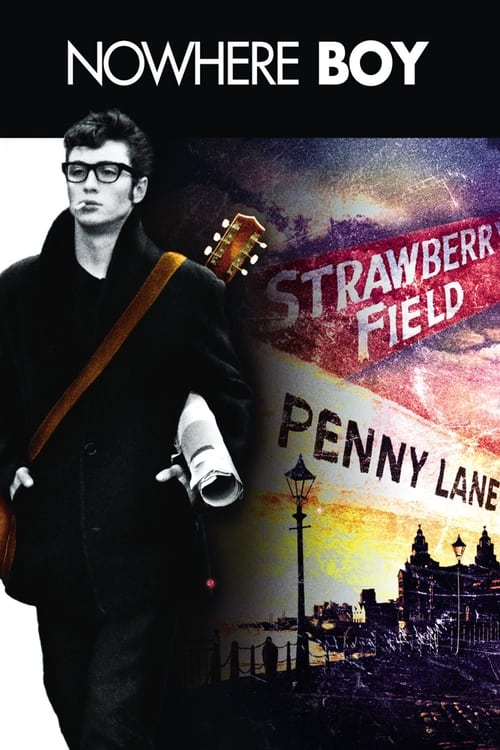
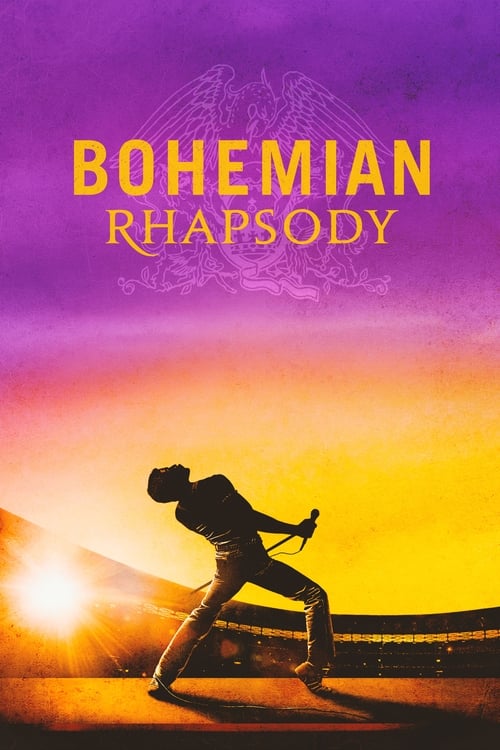
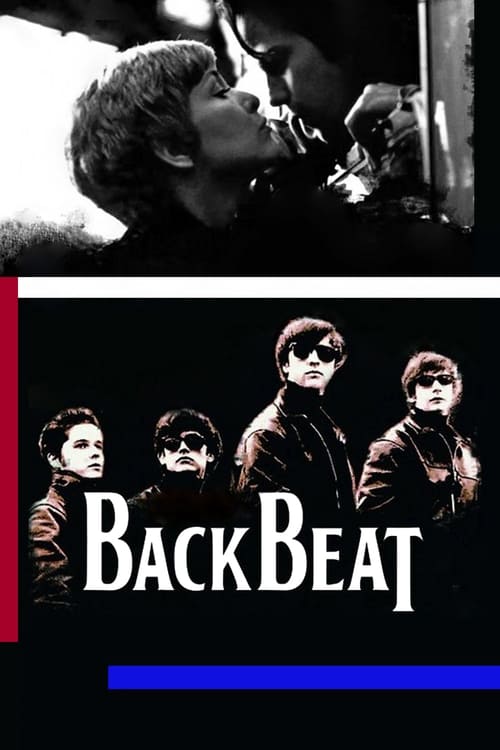
Rock Biopics and Music Films Worth Your Time
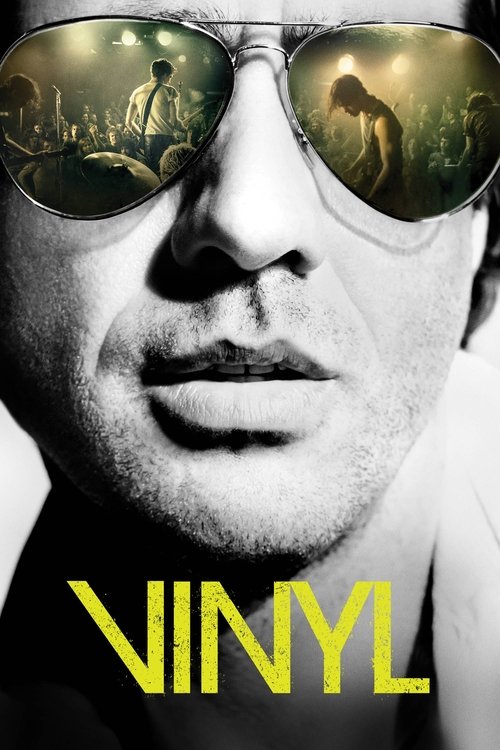
Films that capture the creative heat and human cost behind era-defining records
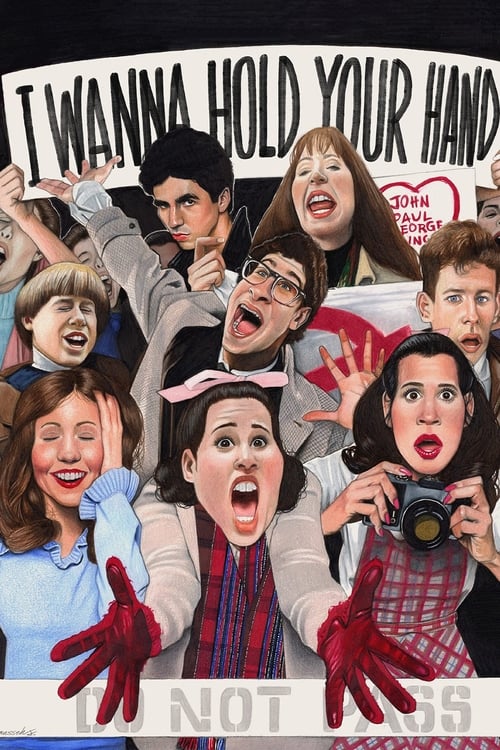
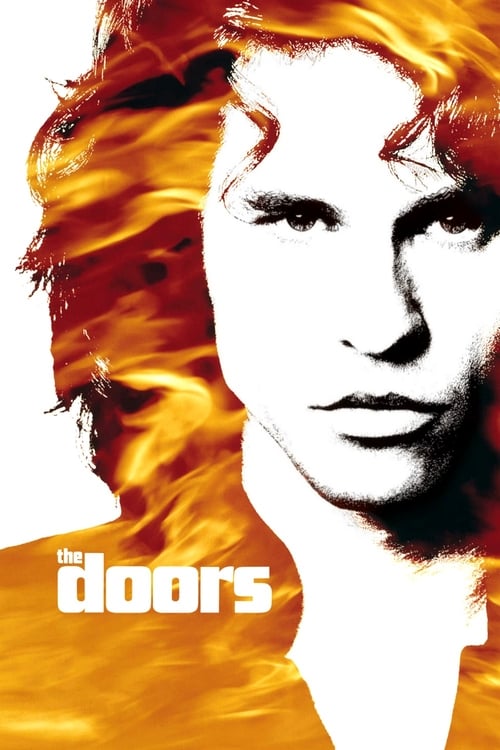
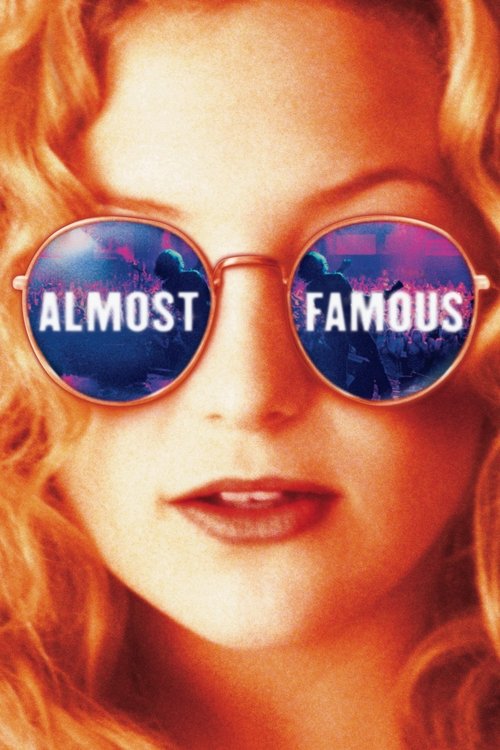

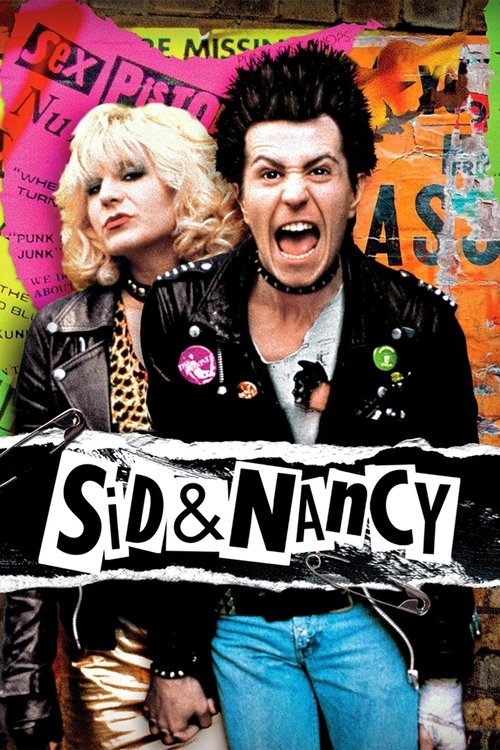
Films and Series That Share the Energy
The same British wit, psychedelic edge, and class-conscious soul as 1966

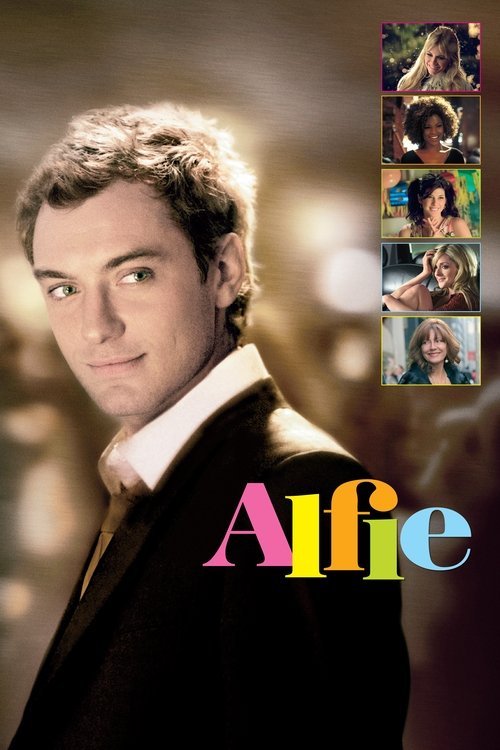

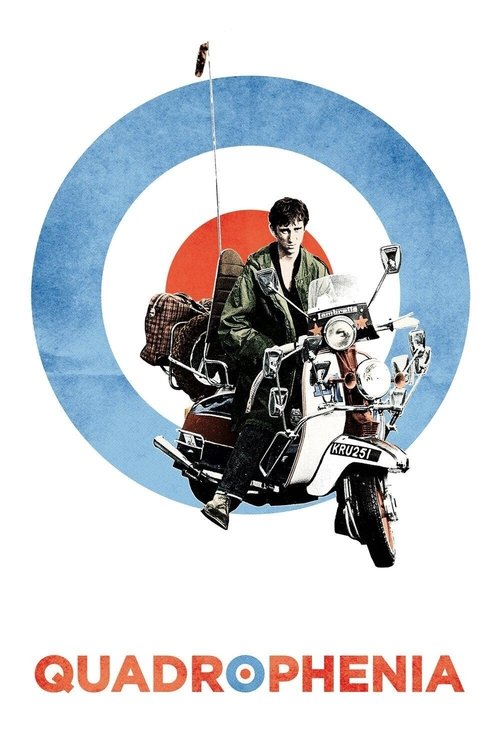

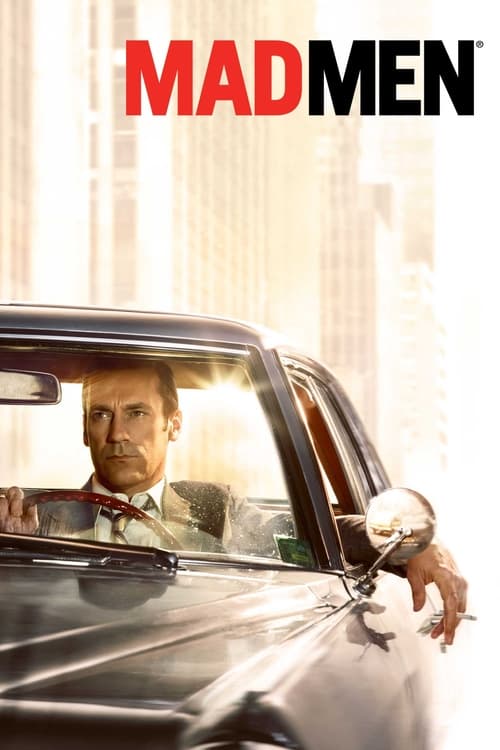

How Revolver Changed Everything: Key Moments 1965-1970
- 1965The Beatles record Rubber Soul in four weeks, hinting at what is coming: Dylan-influenced introspection, no filler. Rubber Soul
- 1966Recording of Revolver begins in April at Abbey Road. George Martin and Geoff Emerick invent new miking and tape techniques for almost every track.
- 1966Revolver released in August. The band announces they will never tour again. The studio becomes their permanent home. Revolver
- 1966Pet Sounds, released three months earlier in May, and Revolver enter a transatlantic creative dialogue that redefines album-making. Pet Sounds
- 1967Sgt. Pepper pushes the Revolver experiments further into concept and orchestration. Colour television and the Summer of Love amplify its reach.
- 1968The White Album pulls back toward raw rock, acoustic folk, and noise. Four distinct solo voices begin pulling apart.
- 1970Let It Be and Abbey Road released months apart. The band that made Revolver is formally over. Abbey Road
Tomorrow Never Knows told you to turn off your mind, relax, and float downstream. What it actually did was turn the entire history of pop music into an upstream river.CrossBinge
Geoff Emerick Deserves Co-Writing Credit on This Album
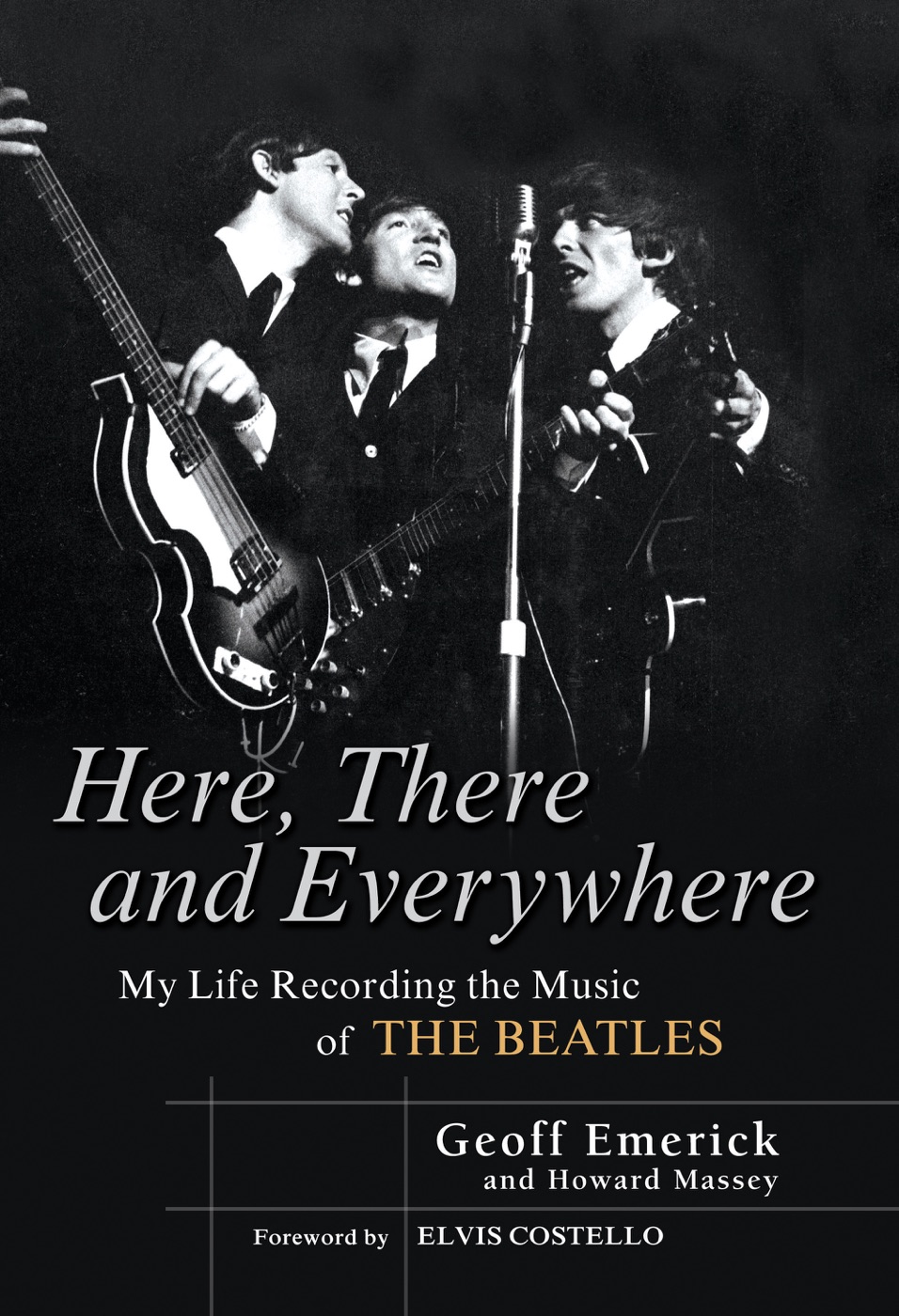
The sonic character of Revolver, the close-miked drums that breathe, the artificial double-tracking that makes Lennon's voice feel uncanny, the tape loops on Tomorrow Never Knows, those are Emerick's inventions, made when he was 20 years old. His memoir Here, There and Everywhere is the essential companion read: it makes clear that the album's experiments were engineering breakthroughs as much as compositional ones.
The Sixties Didn't Actually Sound Like This at the Time
Revolver arrived in a pop landscape dominated by lightweight radio fodder. Its contemporaries who matched its ambition (the Byrds, the Stones on Aftermath, Love on Forever Changes) were the exception. The idea that the entire decade was this musically daring is retrospective mythmaking. What is true is that Revolver and Pet Sounds between them established the ceiling that everyone else spent the next decade trying to touch.