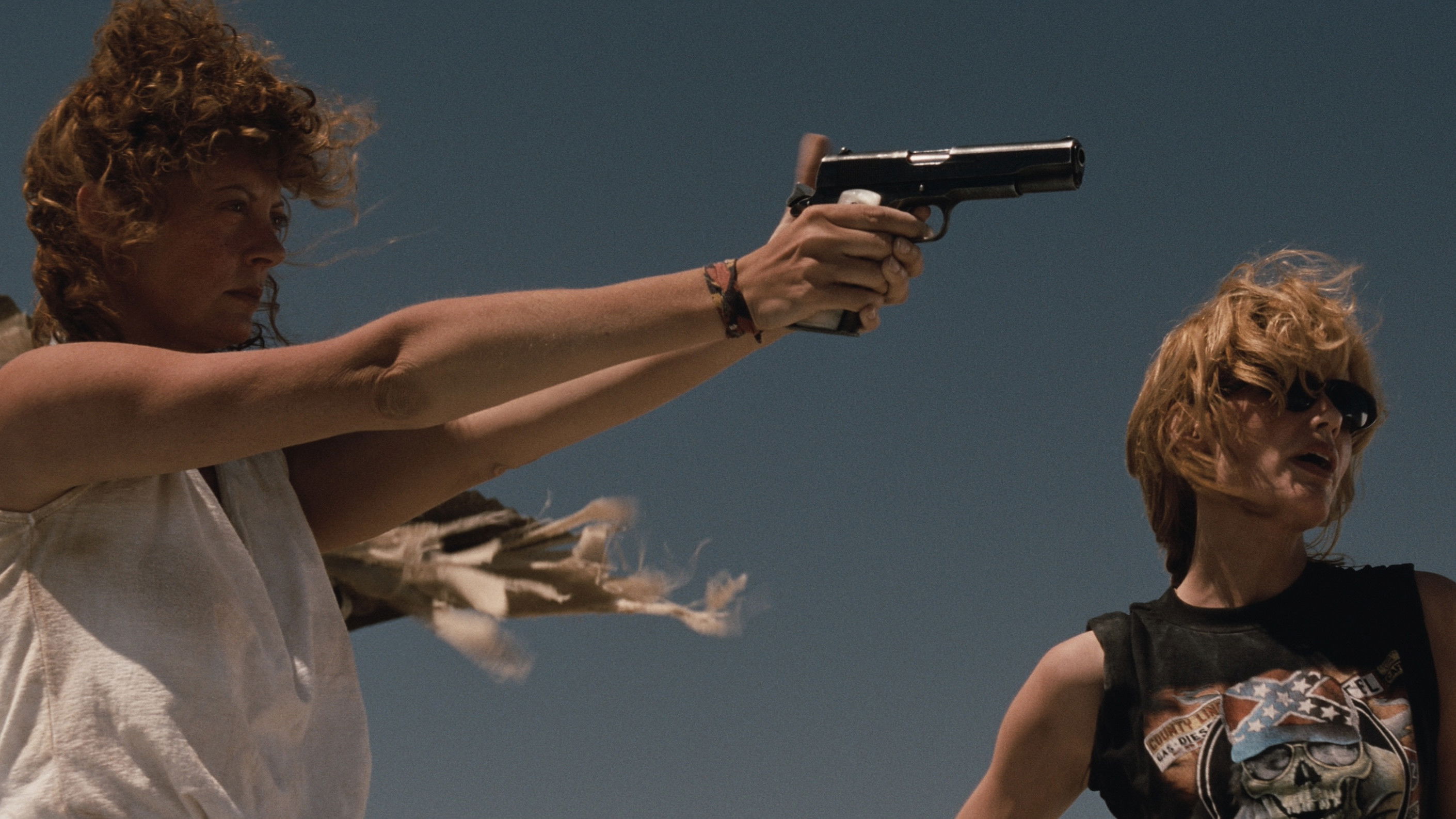

There is a particular feeling the best road trip stories chase: the sense that the further you drive from where you started, the closer you get to something real. It is not comfort. It is not arrival. It is the stretched, suspended state between departure and destination, where ordinary life cannot follow. The gas station in the middle of nowhere, the motel with the broken ice machine, the passenger who says something at 2 a.m. that changes everything. Road trip stories work in every medium because the form itself is dramatic: forward motion, confined space, enforced honesty. Whether you are watching Thelma and Louise accelerate toward a canyon rim or driving a pixelated highway in a 16-bit RPG, the emotional contract is the same. You are moving, and something is at stake.
Essential Road Trip Films
The canon of asphalt cinema
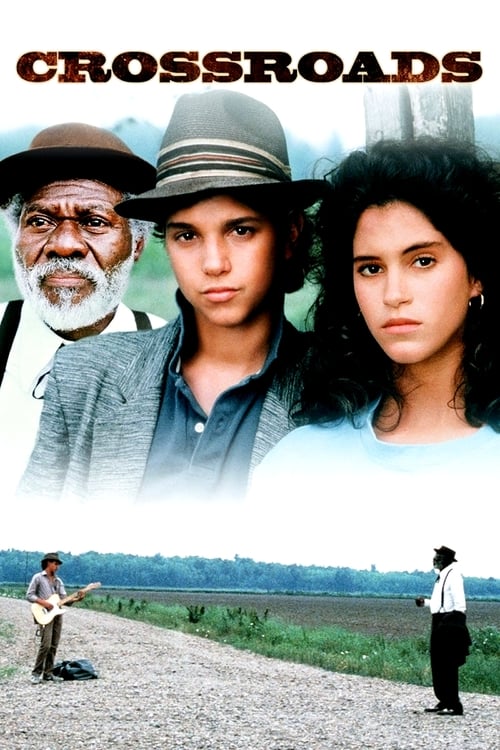
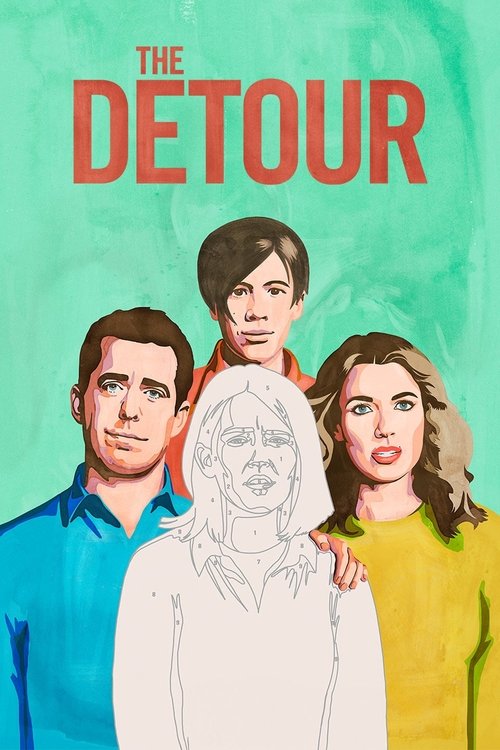
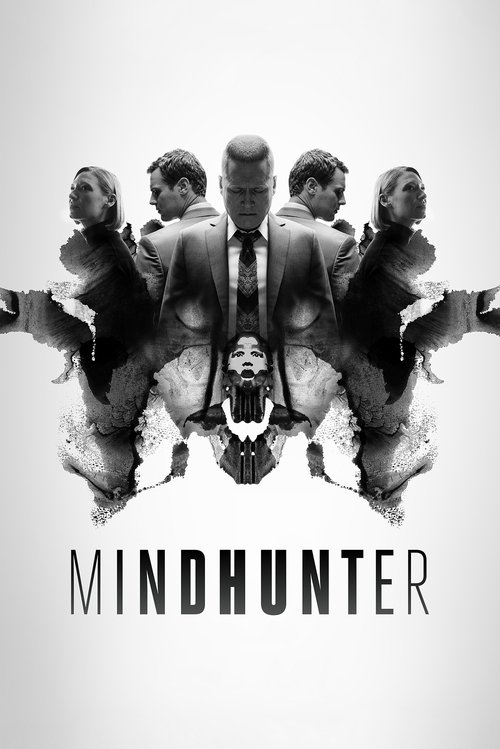
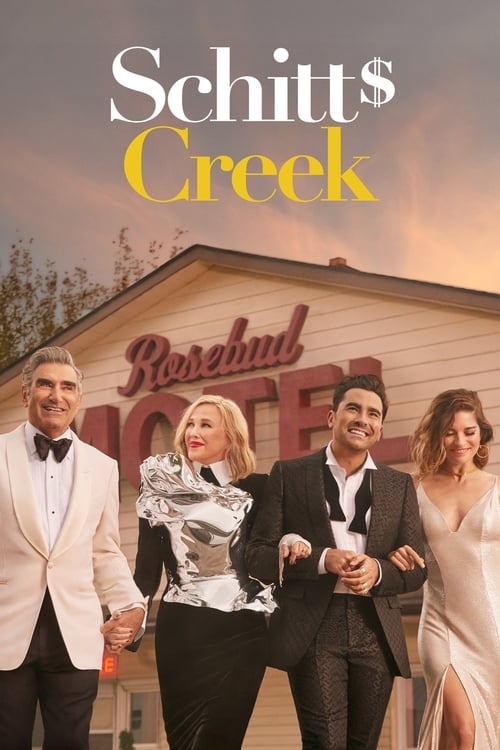
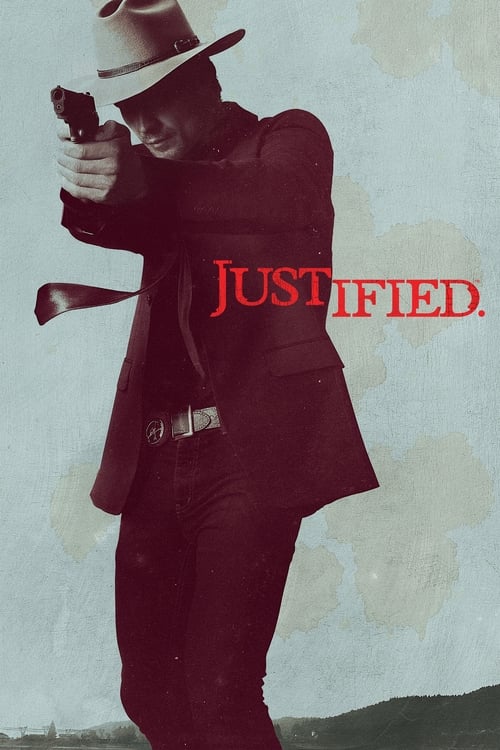
If You Love Road Trips: Series That Go the Distance
Television that trades in motion, wandering, and the open road

Novels for the Long Haul
Books that capture the road trip's particular restlessness


Games That Put You Behind the Wheel
Interactive open roads, cross-country drives, and journeys with no pause button


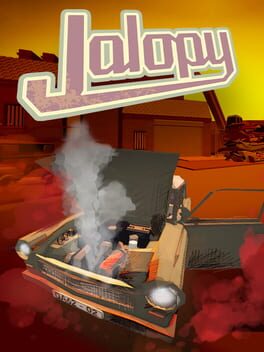
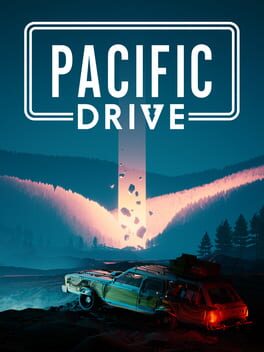
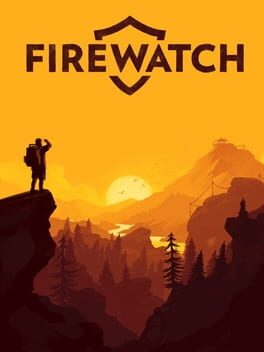



The Soundtrack in Your Head
Albums and scores built for open windows and changing skies
The Car Is a Confessional
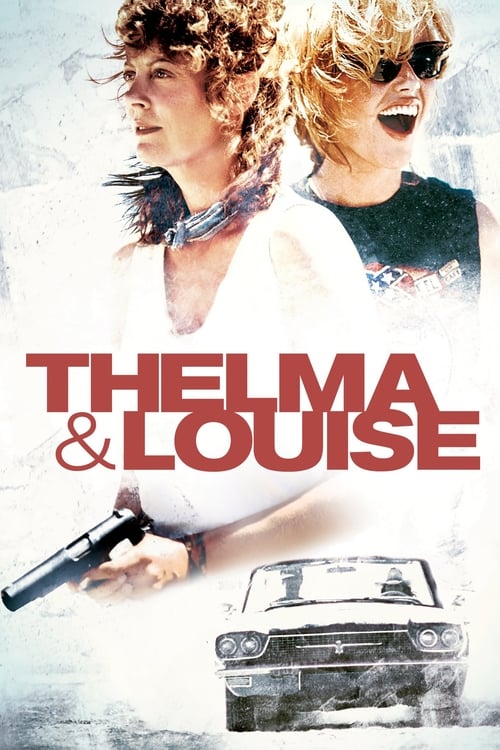
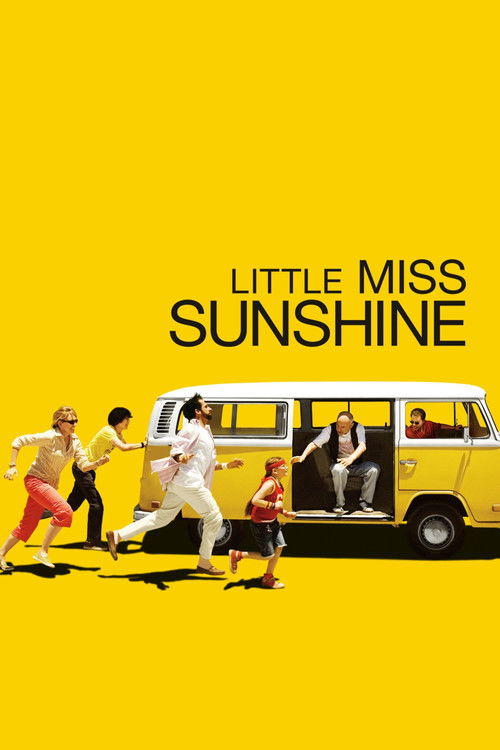
Road trip stories strip characters of escape. Nowhere to walk to, nowhere to hide. Thelma and Louise are transformed not by the landscape but by each other, by what the confinement forces them to say and decide. Little Miss Sunshine works the same way: a family that can barely stand to be in the same room is now in a van together for days, and everything breaks open. The car is where the real conversation finally happens.
America as the Other Character
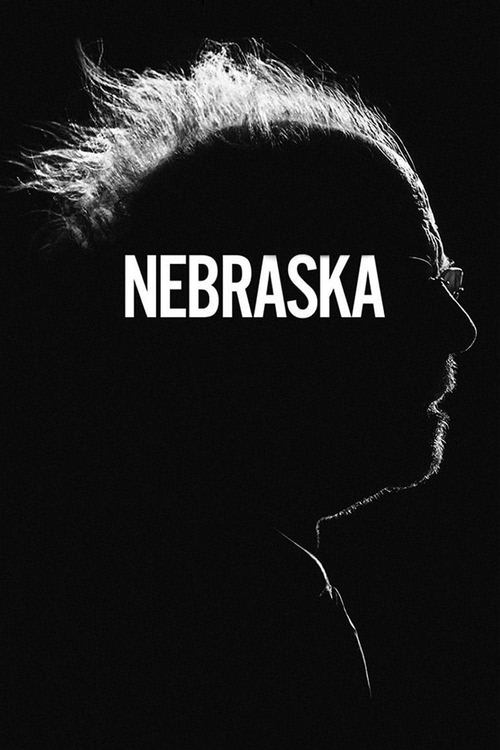
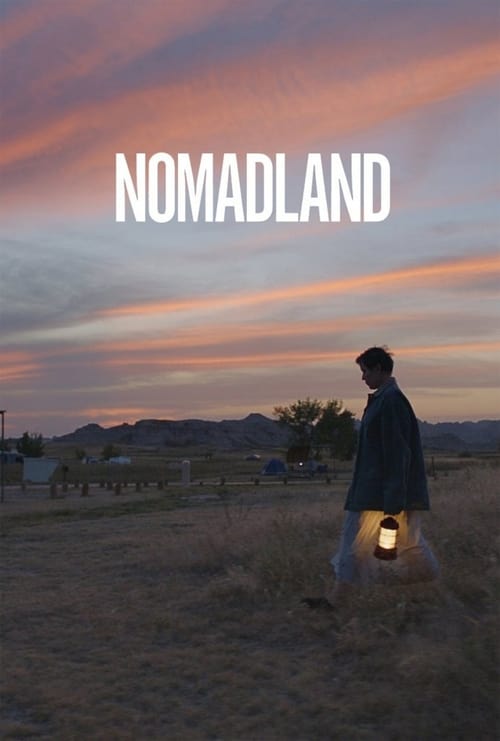
The American road trip is its own genre within the genre. Kerouac's America, Steinbeck's America, Springsteen's America: the highway as a place where you confront what the country actually is versus what you were promised it would be. Nomadland and Nebraska do this with quiet devastation. The road becomes a map of economic anxiety, faded hopes, and stubborn dignity. It is not nostalgic. It is honest.
Games Get the Solitude Right
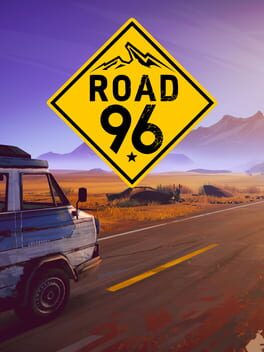
American Truck Simulator and its sibling Euro Truck Simulator 2 are almost meditative: you are alone, the road is long, the radio is on, and nothing happens for long stretches except the landscape changing. That is the point. Road 96 goes the other direction, layering a procedurally told story of border-crossing and political desperation over the same wandering structure. Both are truer to what road trips feel like than most films, because they make you sit with the duration.
The Trip You Take Alone Changes You Most
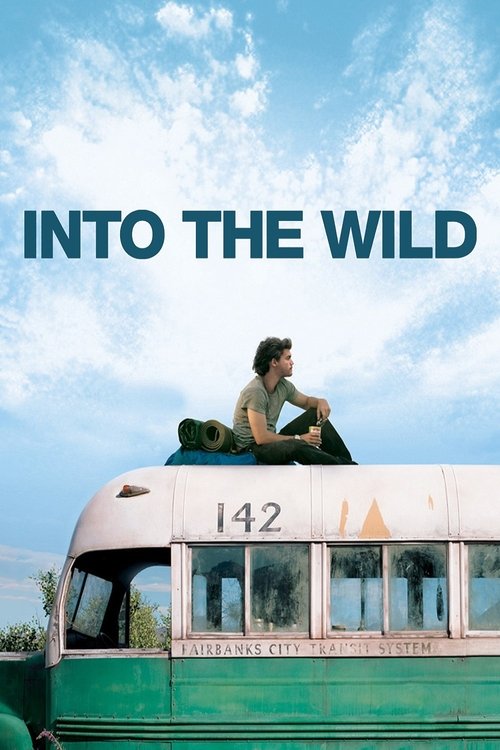
The solo road trip story is a different creature. Cheryl Strayed's Wild (and its film adaptation) shows that the solitary journey is really an argument you are having with yourself. Chris McCandless in Into the Wild mistakes solitude for purity, and Jon Krakauer's book is honest about that mistake in a way the film slightly softens. The through-line: leaving people behind to find yourself usually ends with the realization that the people were the point.
Milestones on the Road Trip Map
- 1939Steinbeck's Okies hit Route 66 The Grapes of Wrath
- 1957Kerouac's defining American odyssey published The road
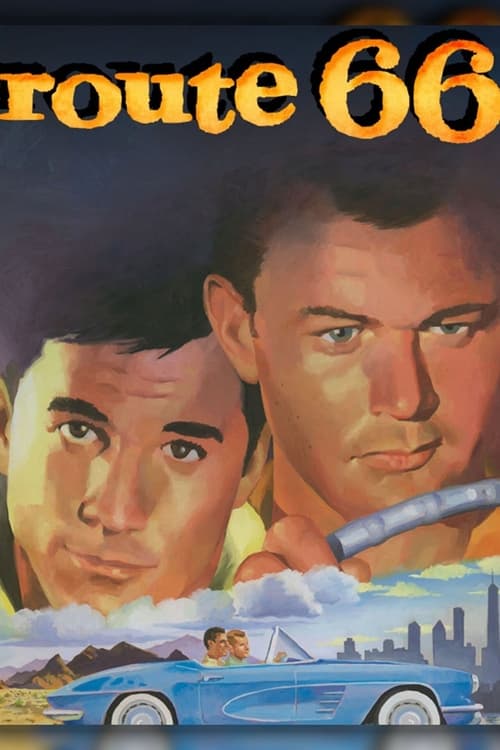
- 1962Route 66 TV series redefines the wandering-heroes format Route 66
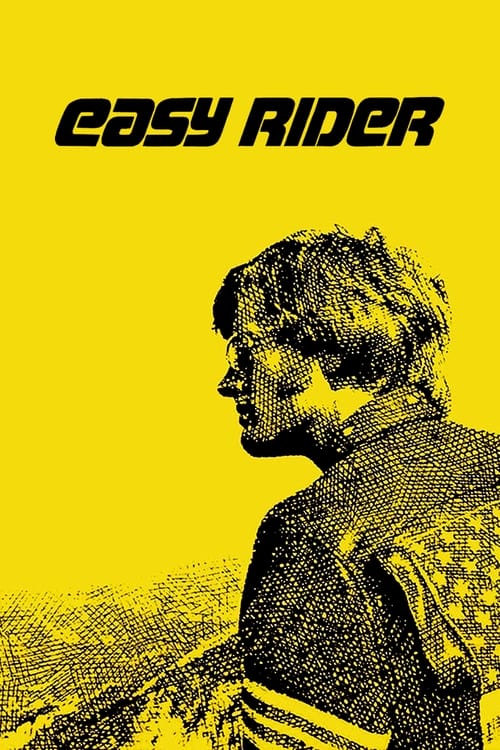
- 1969Easy Rider puts the counterculture on a motorcycle Easy Rider
- 1975Springsteen captures working-class escape velocity Born to Run
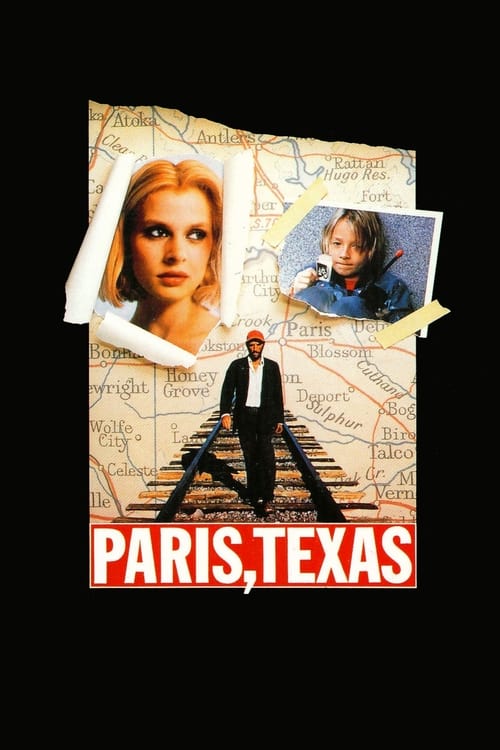
- 1984Wim Wenders finds the lonely American sublime Paris, Texas
- 1991Thelma and Louise rewrite who gets to drive Thelma & Louise
- 1996Euro Truck Simulator prototype plants the seed for meditative driving games
- 2006Little Miss Sunshine proves the minivan is a dramatic vehicle Little Miss Sunshine
- 2012Cheryl Strayed walks 1,100 miles through grief Wild
- 2019Road 96 brings a procedurally generated escape across a border Road 96
- 2020Nomadland finds the highway as last refuge for the dispossessed Nomadland
Open roads and found family
Road Trips & the Open Road
Explore the Road Trips & the Open Road guide →You don't take a trip. A trip takes you.John Steinbeck