

Julio Medem's Room in Rome (2010) is a film that takes place almost entirely within four walls and asks whether a single night can contain a lifetime. Two women meet by chance and spend hours dismantling every defense they have built. What fans chase is not merely the eroticism but the specific rhythm of confession and performance, the way intimacy is both genuine and theatrical at once. The film is saturated with art, myth, and the Roman light bleeding through tall windows. It belongs to a tradition of chamber films that believe two people talking honestly in a room is among the most dangerous things cinema can show.
The Chamber: One Night, One Space
Films that confine two or more people and let pressure build until something irreversible happens



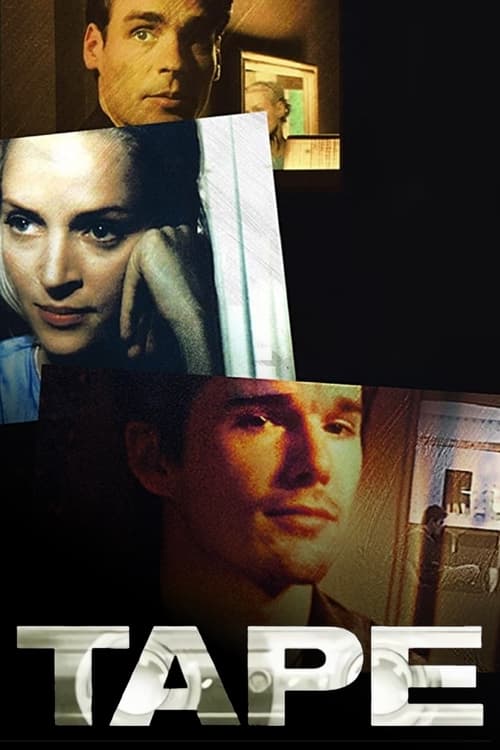

Desire as Landscape: Erotic Cinema With a Brain
Films where sexual tension is the vehicle for philosophical or emotional excavation
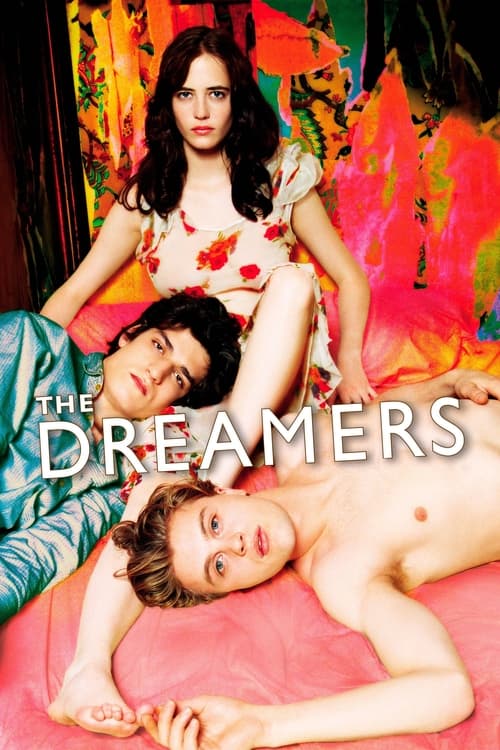
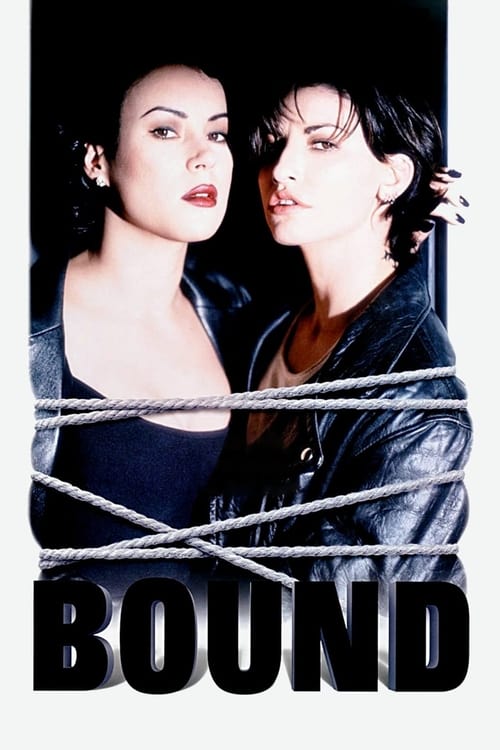

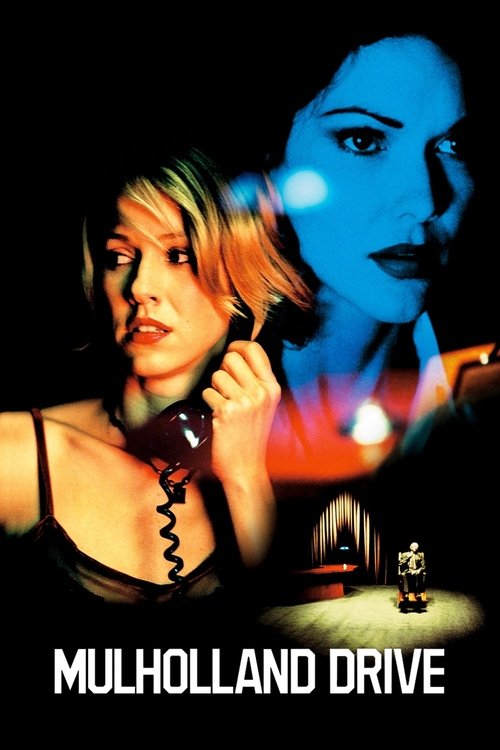


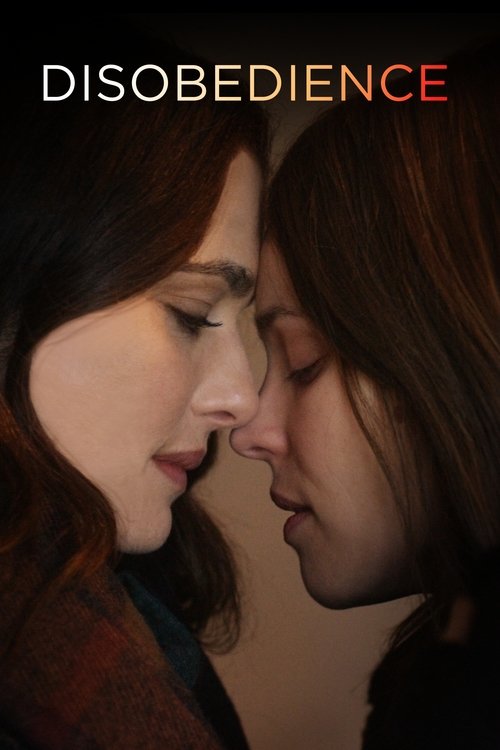
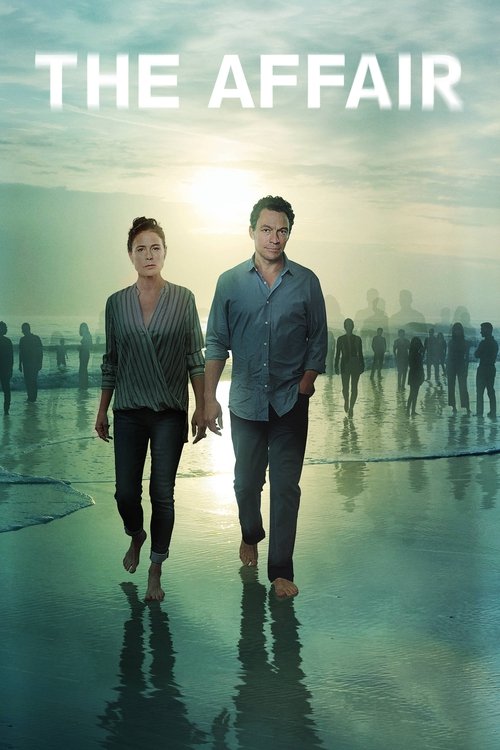
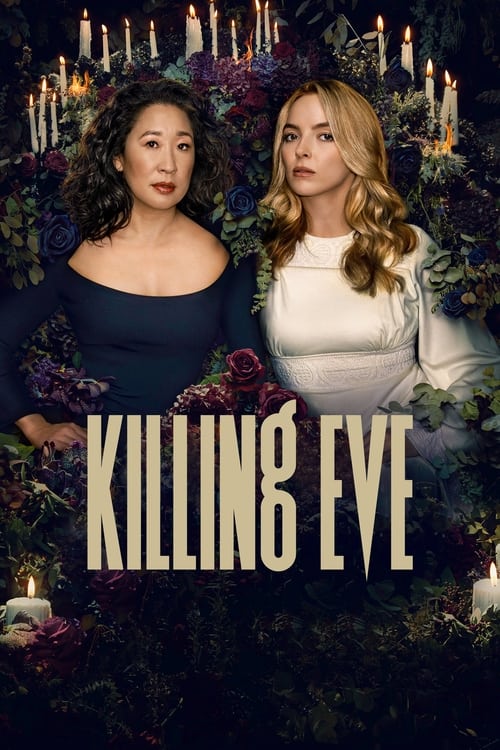
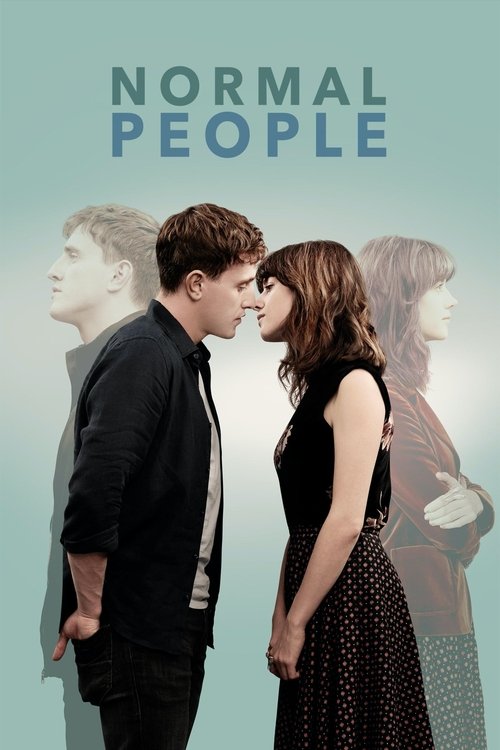
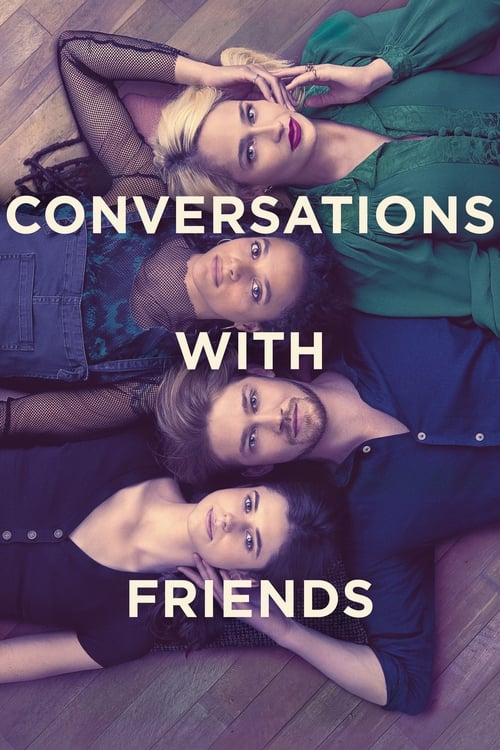
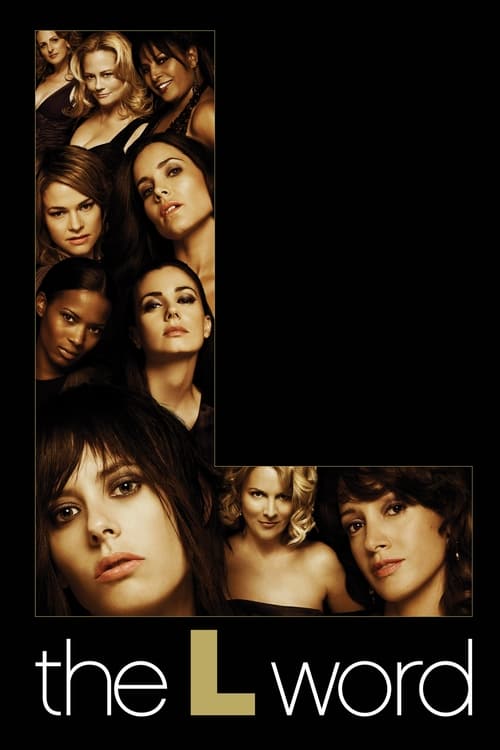
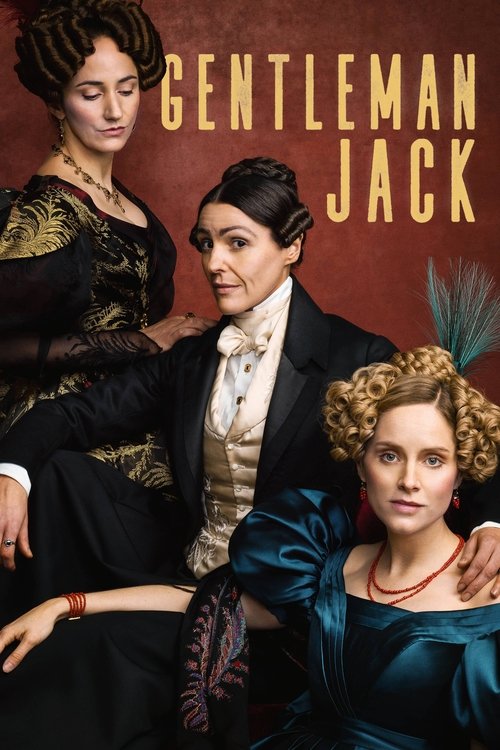
Television That Takes Two People Seriously
Series built around intimate duos, confession, and the slow erosion of pretense
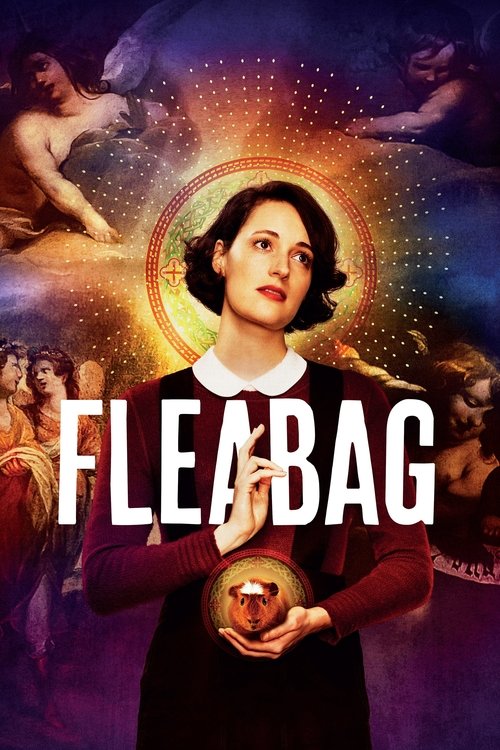


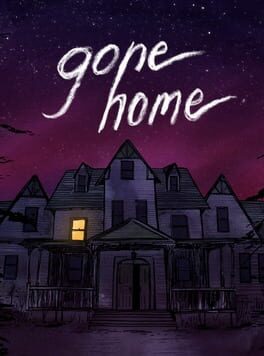
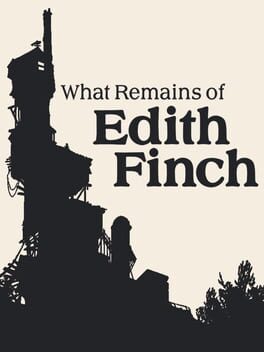
Games That Put You Alone With Another Person
Interactive works where conversation, proximity, and choice are the entire game






Music for the Small Hours
Albums that feel like the soundtrack to a night you cannot quite reconstruct by morning
The best erotic films are about talking, not touching
Room in Rome understands that the body is a pretext. The real action is verbal: the lies told to seem more interesting, the truths that slip out anyway, the moment a character stops performing and the film goes silent. Every great film in this lineage knows that conversation is the most intimate act on screen.
Rome is not a backdrop, it is a character
Medem floods the apartment with paintings, mythology, and the weight of a city that has seen every version of desire already. When the film cuts to the Colosseum or a fresco of Venus, it is not decoration. It is saying: what these two women feel has been felt before, by everyone, forever. Location as argument is a technique the best films share.
Sally Potter's work earns comparison more than most directors who get cited alongside Medem
Potter's The Tango Lesson and Orlando share Medem's willingness to let a film be about its own sensibility, its textures and obsessions, rather than plot delivery. Both directors trust that a viewer who finds the rhythm will follow anywhere. That quality is rarer than it looks.

A Short History of Cinema's Intimate Night
- 1967Ingmar Bergman's Persona redefines what two women alone on screen can mean Persona
- 1981My Dinner with Andre proves a restaurant table is enough geography for a whole film My Dinner with Andre
- 1994Krzysztof Kieslowski's Three Colors trilogy traces love across borders and strangers Three Colors: Red
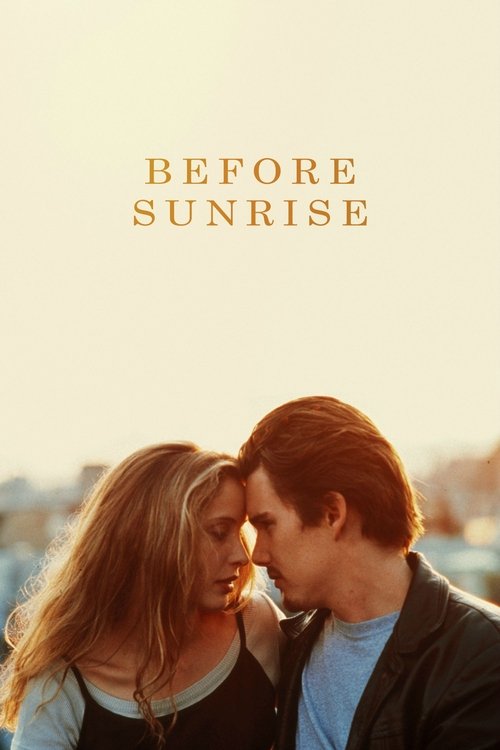
- 1995Before Sunrise inaugurates the trilogy that turns conversation into plot Before Sunrise
- 1997The Ice Storm and Boogie Nights reclaim the erotic as social document Boogie Nights
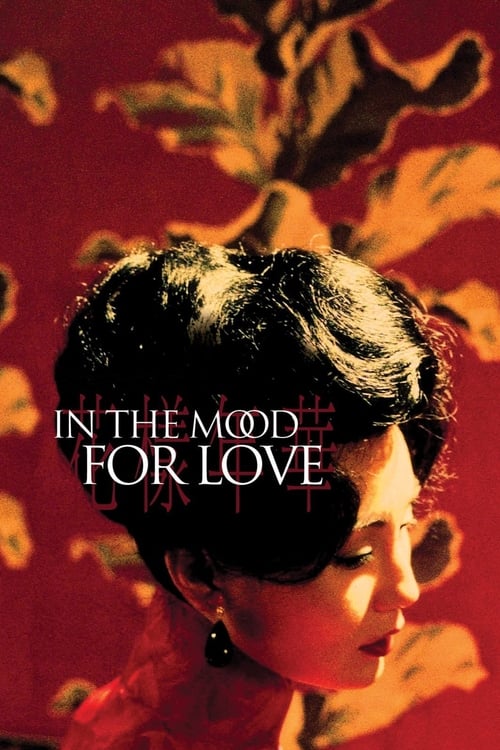
- 2000In the Mood for Love: longing across thin walls, desire never consummated In the Mood for Love
- 2010Room in Rome: a single night, two women, an apartment in the eternal city Room in Rome
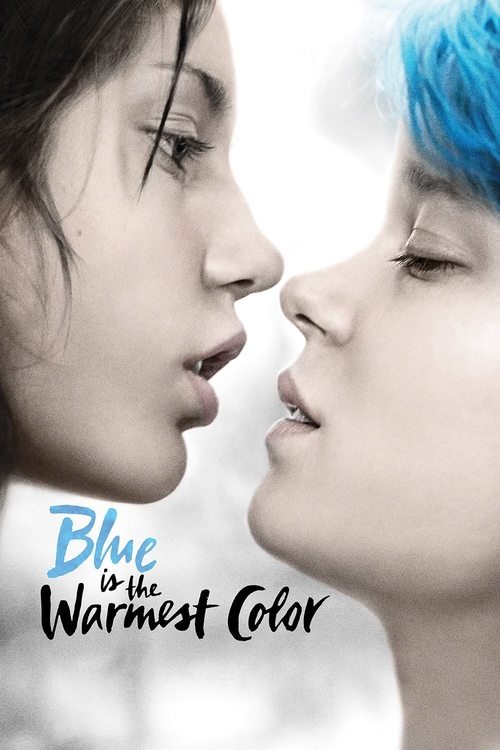
- 2013Blue Is the Warmest Color expands the Medem template to three hours of texture and time Blue Is the Warmest Color
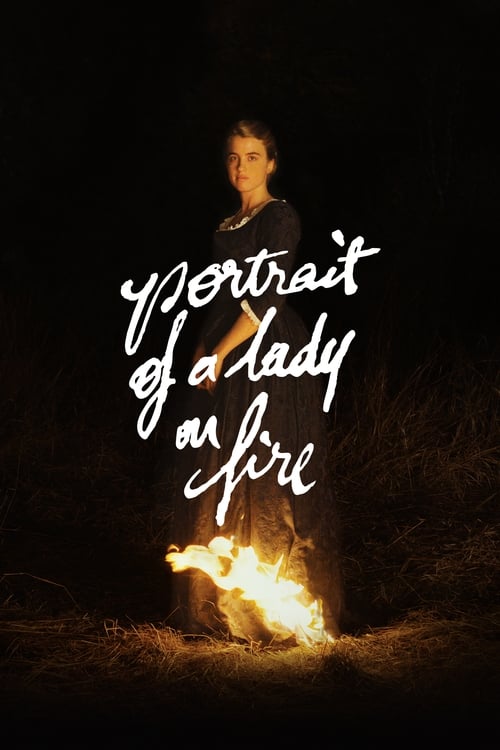
- 2019Portrait of a Lady on Fire: gaze, silence, and the ethics of looking Portrait of a Lady on Fire
A night that contains everything is not a night at all. It is a life compressed until the seams show.The logic of Room in Rome