

Rosario Tijeras began as Jorge Franco's 1999 Colombian novel and became one of Latin America's most-adapted stories, with the Mexican television version standing as the most lavishly produced take on the material. Set inside the narco-glamour underworld where beauty is currency and violence is survival, the series follows a woman who claws agency from a world designed to consume her. What fans love is the specific emotional cocktail: not just gunfire and couture, but the quiet devastation of a character who is simultaneously predator and prey. The show belongs to a tradition of Latin American narco-drama that takes the female perspective seriously, refusing to reduce its protagonist to a trophy or a victim. If that combination of aesthetics, moral complexity, and telenovela-scale passion pulls you in, this guide maps where to go next.
Women Who Rule the Underworld
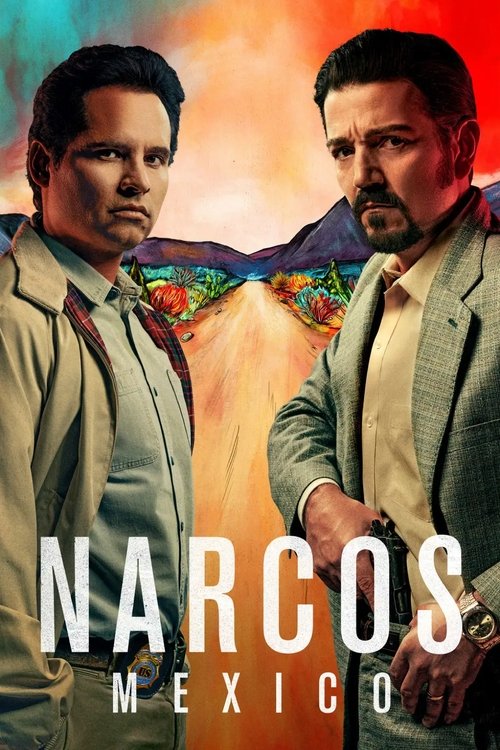
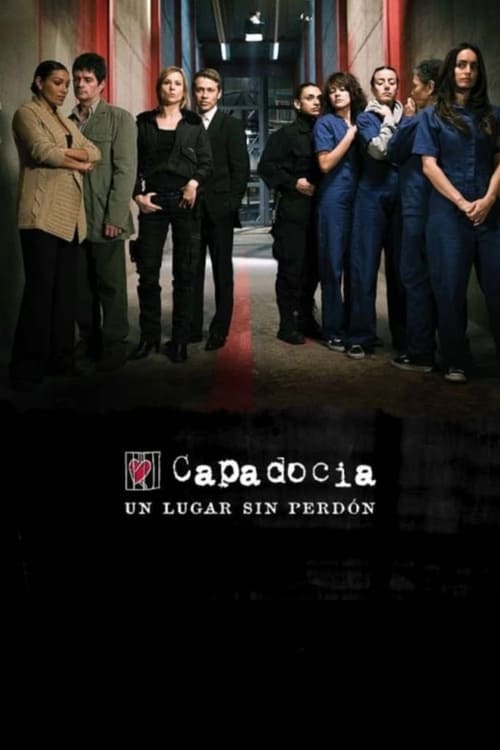
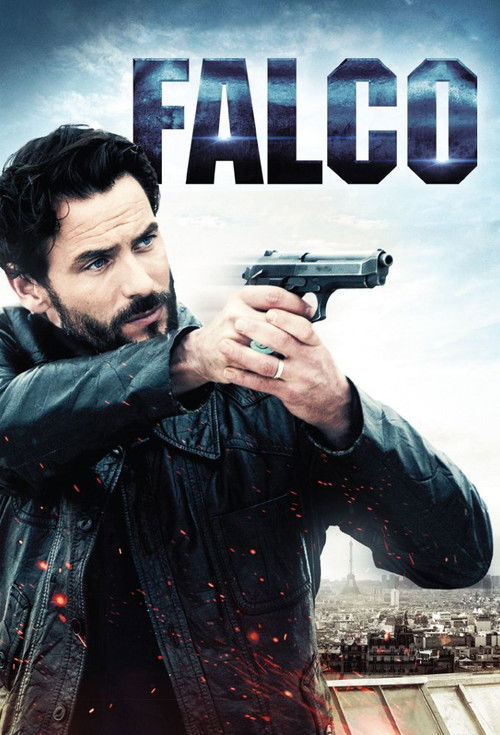
Series that centre a fierce female protagonist inside cartel or crime power structures

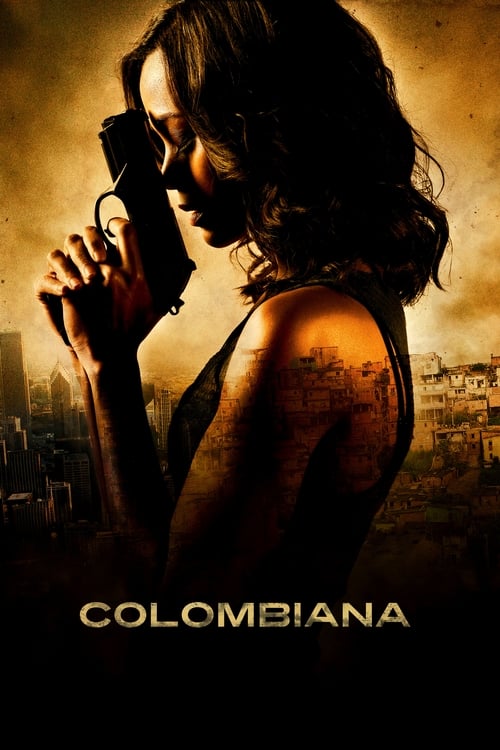
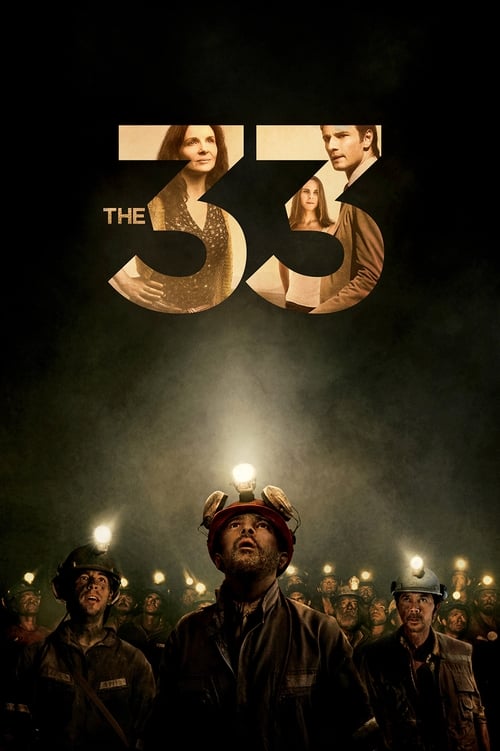
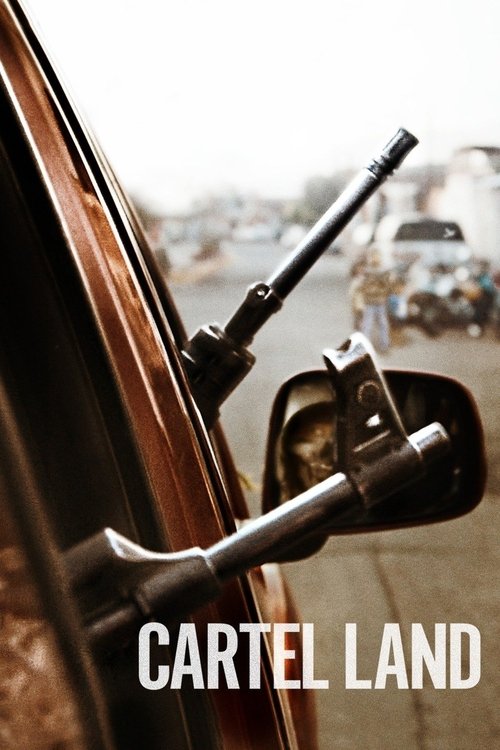
Narco Cinema: The Films That Shaped the Genre
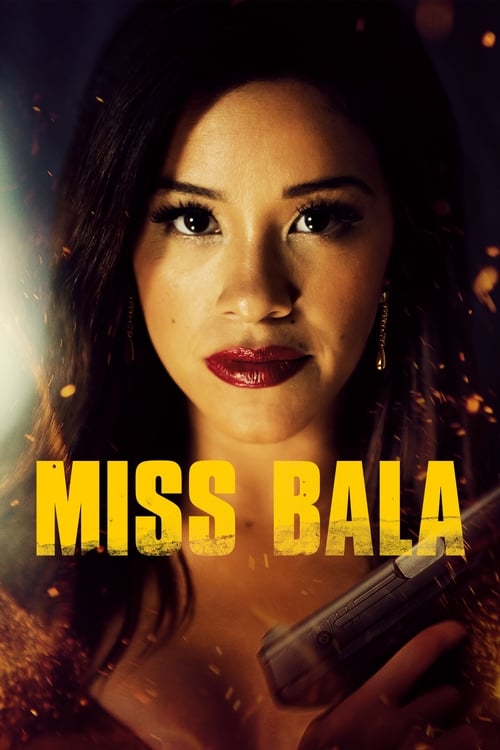
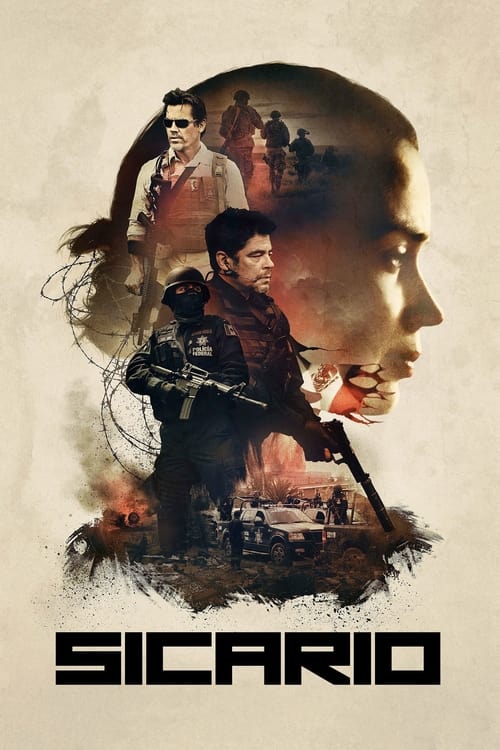
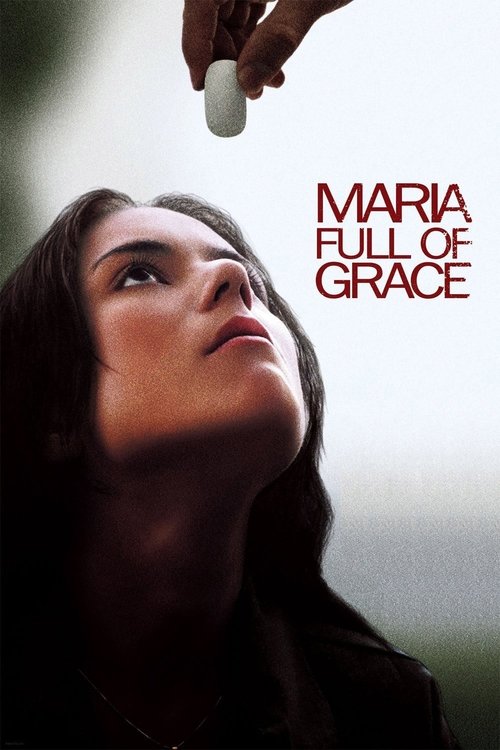
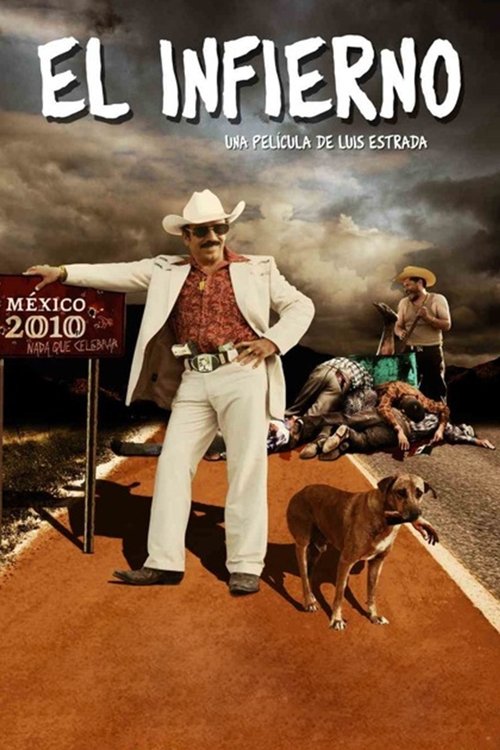
Movies from Mexico, Colombia, and the US that map the same violent glamour


The Books Behind the Violence
Novels that share the same DNA: street survival, complicity, and women navigating brutal worlds


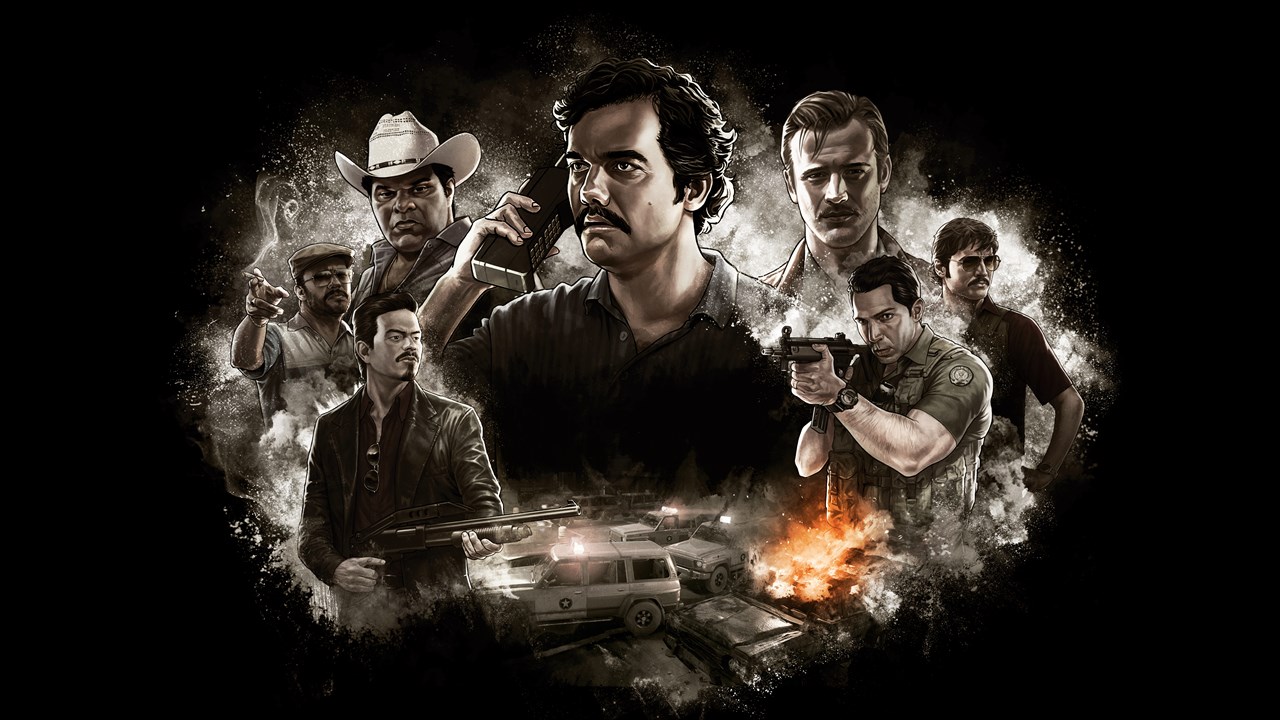
Games That Put You Inside the Cartel World
Crime and survival games that replicate the moral weight and street-level tension

The Mexican version is more operatic, and that is exactly the point
Compared to the grittier Colombian original and the 2005 film, the Mexican television series leans hard into melodrama and visual excess. Some critics read that as a softening. It is the opposite: the heightened register is how the show communicates that this violence is not incidental but systemic, woven into the fabric of beauty, class aspiration, and desire. Telenovela grammar exists to tell stories about power, and Rosario Tijeras uses every tool in that grammar to make its heroine's entrapment legible.
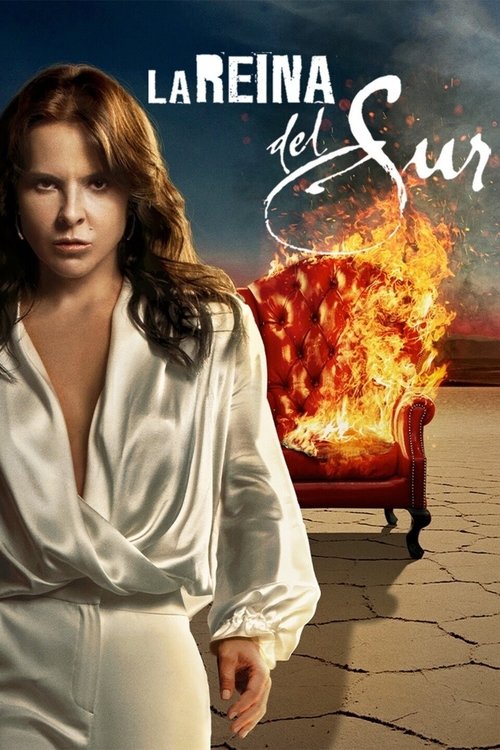
La Reina del Sur is the logical next watch, not a compromise
Teresa Mendoza and Rosario share a lineage: street-smart women who learn the rules of a criminal empire by surviving it. La Reina del Sur does not soften the politics, and its protagonist is allowed a full arc of transformation that Rosario, constrained by her own mythology, never quite gets. Watch the original Spanish-language version for the full force of it.
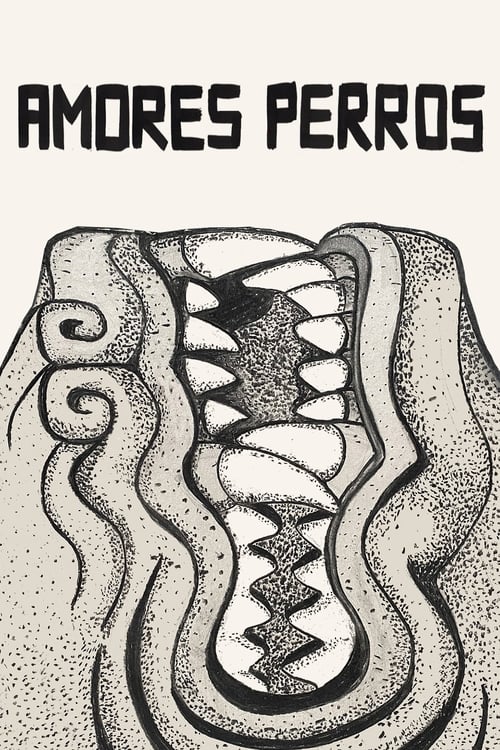
Amores Perros remains the indispensable reference point for Mexican urban cinema
Any list that approaches the aesthetics of Rosario Tijeras Mexico has to reckon with Alejandro González Iñárritu's debut. It does not share the narco plot, but the textural similarities are exact: Mexico City as a city of collisions, beauty and brutality occupying the same frame, desire running parallel to destruction. It set the visual vocabulary that the TV series, consciously or not, inherits.
The Rosario Tijeras Story: From Page to Screen
- 1999Jorge Franco publishes the source novel in Colombia, winning the Premio Hammett
- 2005The first film adaptation releases, set in Medellin with a Colombian cast Rosario Tijeras
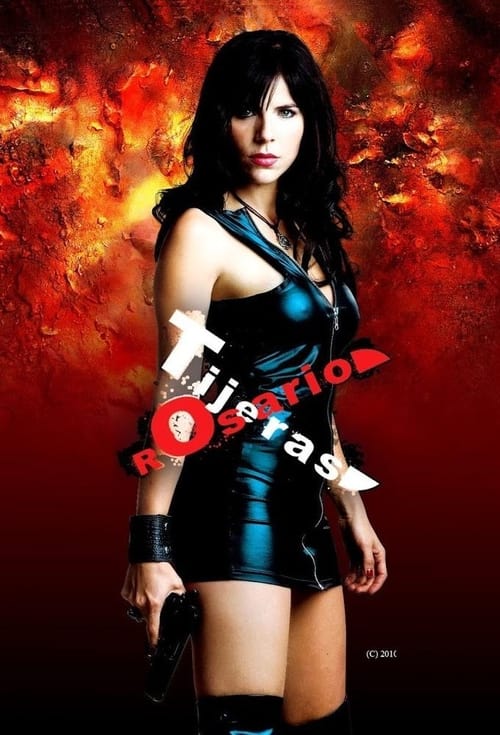
- 2010A second film adaptation relocates the story to Mexico City, starring Bárbara Mori Rosario Tijeras
- 2016The Colombian television series premieres on RCN, kicking off a new era for the property Rosario Tijeras
- 2018The Mexican television version launches, the most-watched and most-produced adaptation of the story to date Rosario Tijeras
She is not a villain or a victim. She is someone who chose survival, and the story never lets you forget what that choice costs.Jorge Franco, on the enduring appeal of his protagonist