
Rubber Soul is the record where The Beatles stopped being a pop group and started being something harder to name. Released in December 1965, it arrived in six weeks of frantic writing sessions and sounds like it: looser, stranger, more personal than anything the band had made before. Dylan's folk candor is audible, so is the grain of Indian music (George Harrison had started studying sitar), and underneath both sits a kind of wry introspection that would define the second half of the decade. The fan who keeps returning to Rubber Soul is chasing that specific mood: music that is warm without being soft, melodic without being simple, and quietly experimental without making a show of its own difficulty. This guide follows that thread across fifty years of albums, films, documentaries, novels, and television.
Essential Beatles: The Studio Run
The albums that bracket and follow Rubber Soul, tracing the full arc of the band's ambition.
The Sound They Pointed At
Albums from the same era and lineage: folk-inflected pop, British Invasion soul, and the singer-songwriter turn that Rubber Soul helped trigger.
Pet Sounds is the direct reply
Brian Wilson has said he heard Rubber Soul straight through on a single listen and immediately began work on what became Pet Sounds. The two records are in genuine conversation: both treat the album as a unified emotional statement rather than a collection of singles, both use the studio as an instrument, and both push towards something warmer and more vulnerable than their commercial pop contexts allowed. Listening to them back to back is one of the great stereo experiences in pop history.
On Screen: The Beatles' Own Films and Documentaries
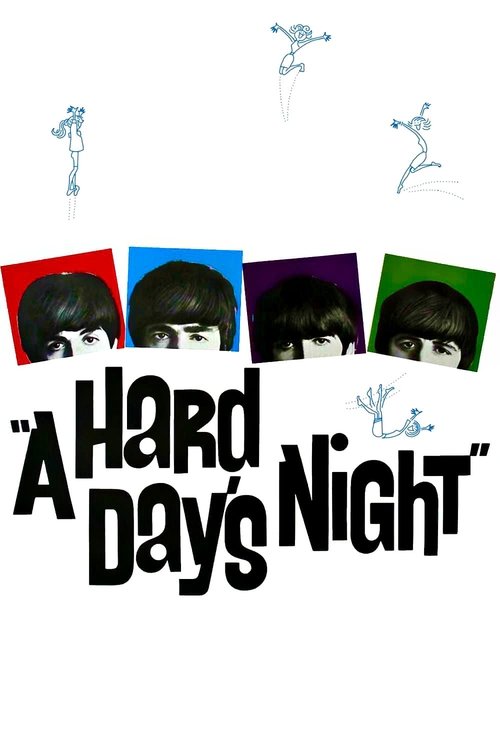
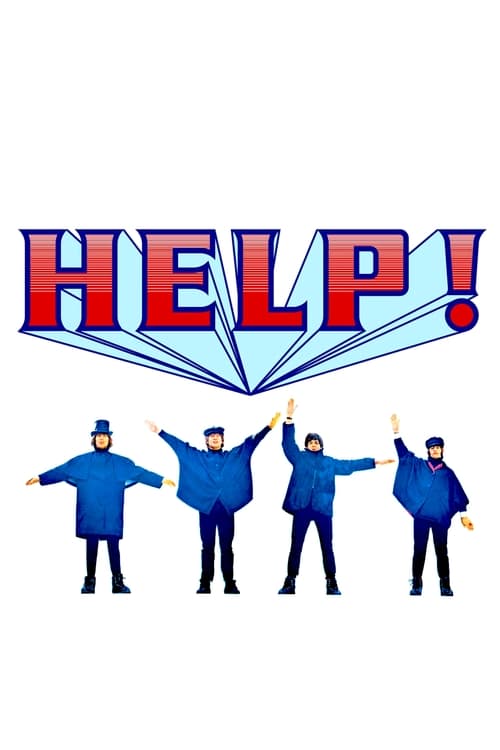
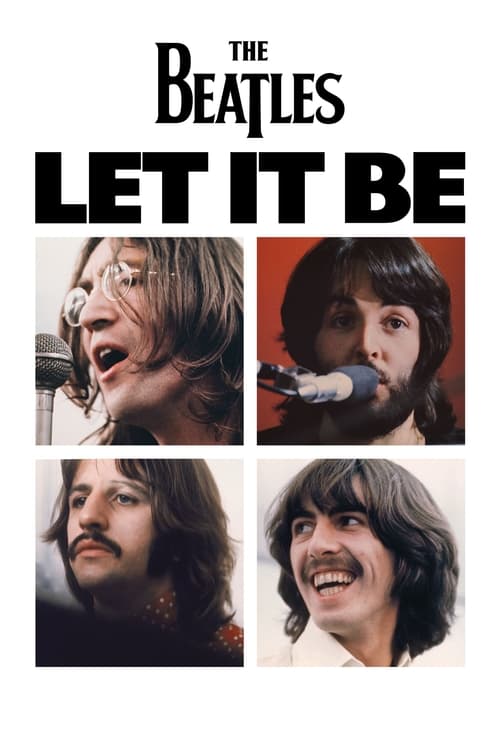
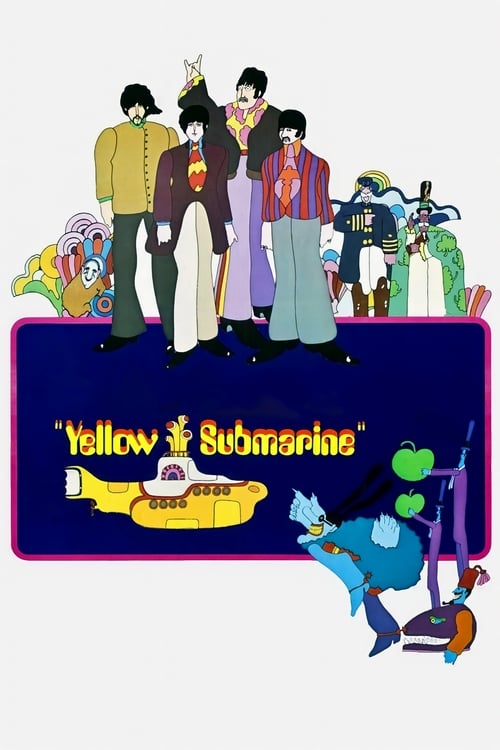
From the Maysles brothers' cinema-verite portrait to Peter Jackson's restored footage, the essential screen record of the band.
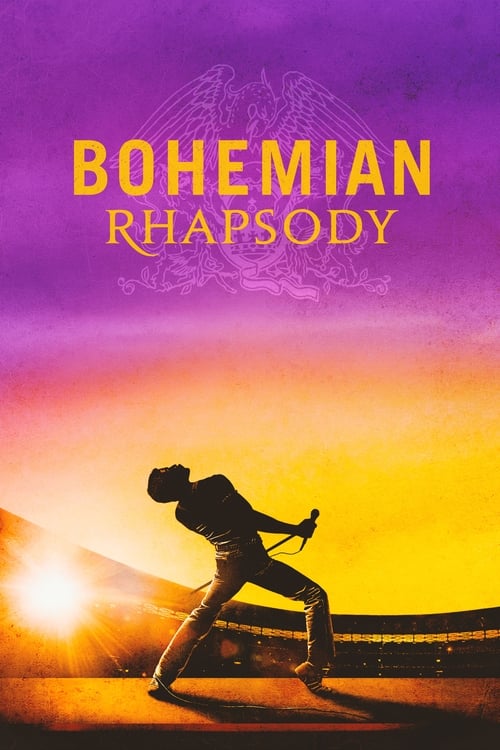
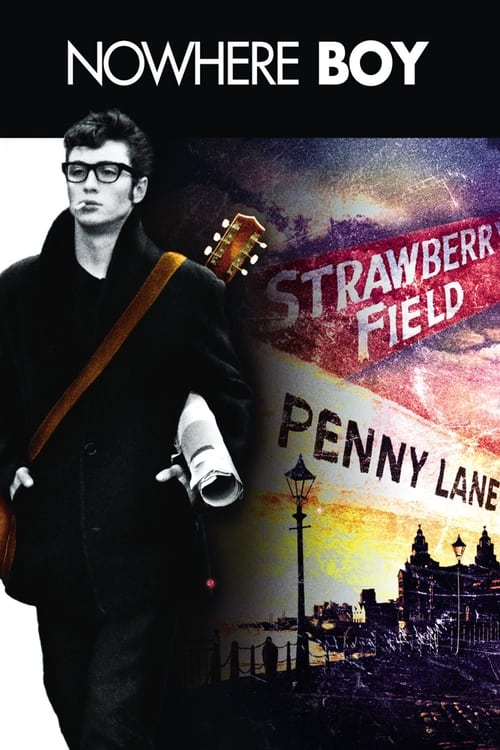
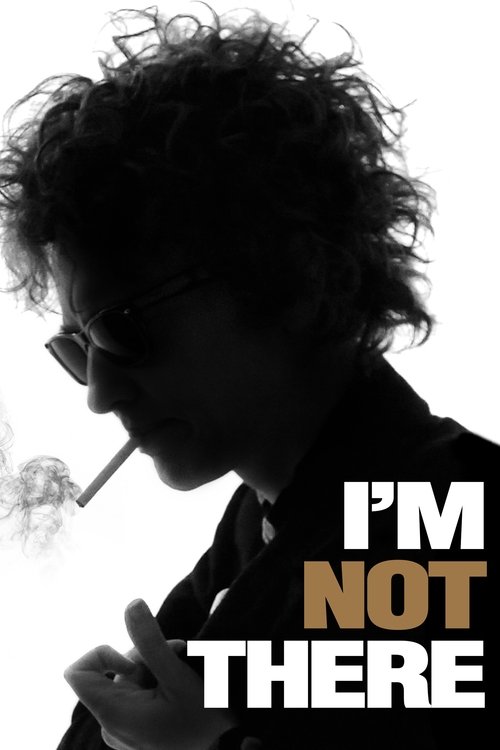
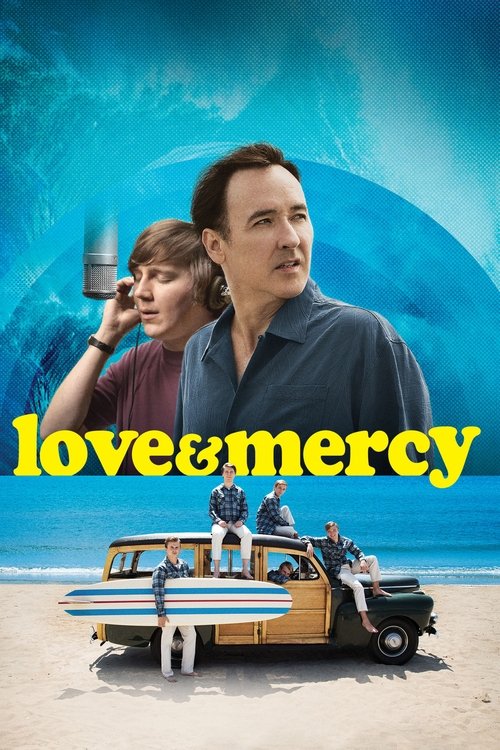
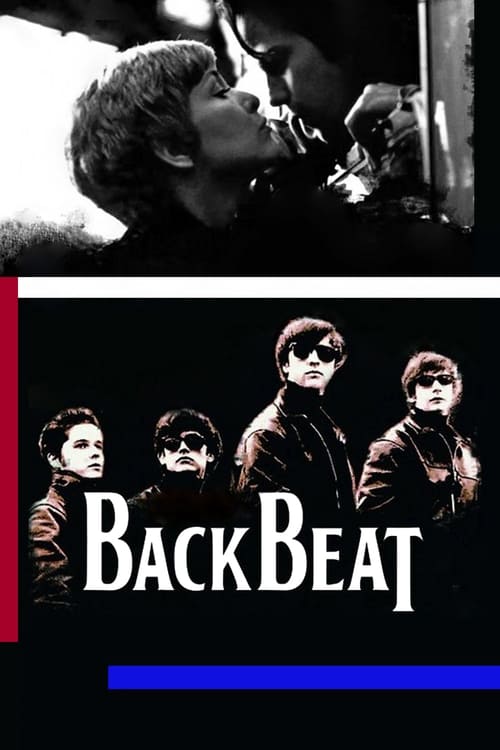
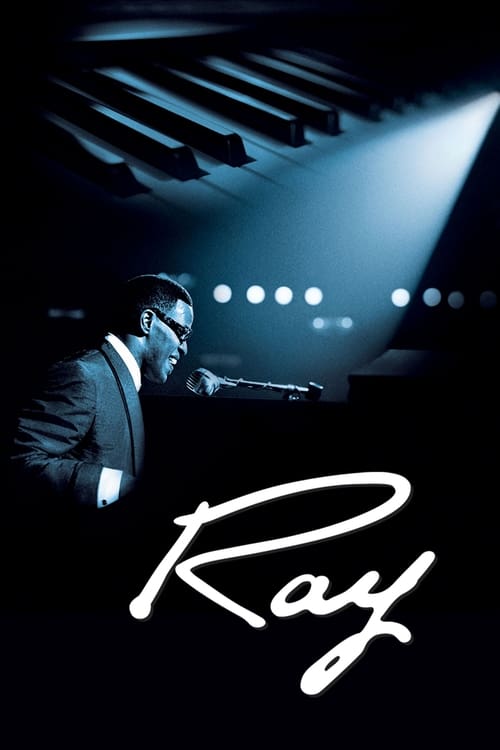
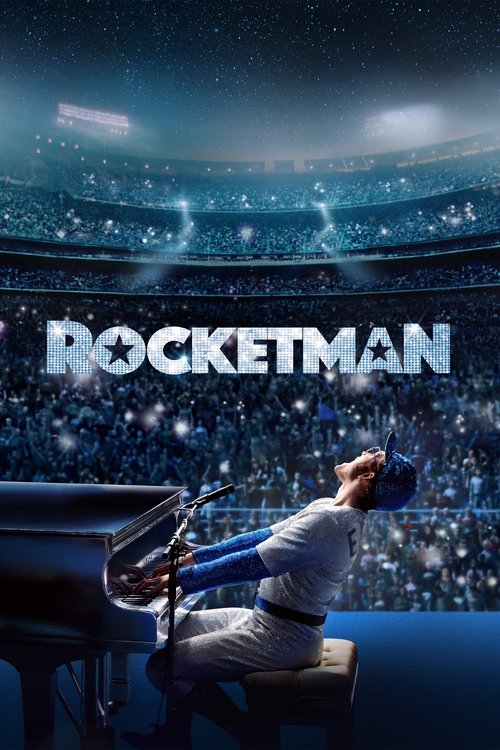
Music Biopics Worth the Time
Films that take pop biography seriously, capturing what it feels like to be inside a creative surge.



How Rubber Soul Happened: Six Weeks in Late 1965
- 1963Please Please Me recorded in a single day; the band is a singles machine. Please Please Me
- 1964A Hard Day's Night: Richard Lester's film establishes the Beatles as film subjects and pop intellectuals simultaneously. A Hard Day's Night
- 1965Dylan plays the band amphetamine-fuelled folk-rock on a tour bus; the Byrds release Mr. Tambourine Man. Both events register. Mr. Tambourine Man
- 1965George Harrison begins sitar lessons with Ravi Shankar; the instrument appears on Norwegian Wood. Rubber Soul
- 1966Pet Sounds arrives as Wilson's response; Revolver follows six months later and the studio-as-instrument era is fully open. Revolver
- 1967Sgt. Pepper's wins the Grammy for Album of the Year; the album-as-artwork format is now the industry standard.
- 1970Let It Be and Abbey Road released within months of each other; the band is over. Let It Be
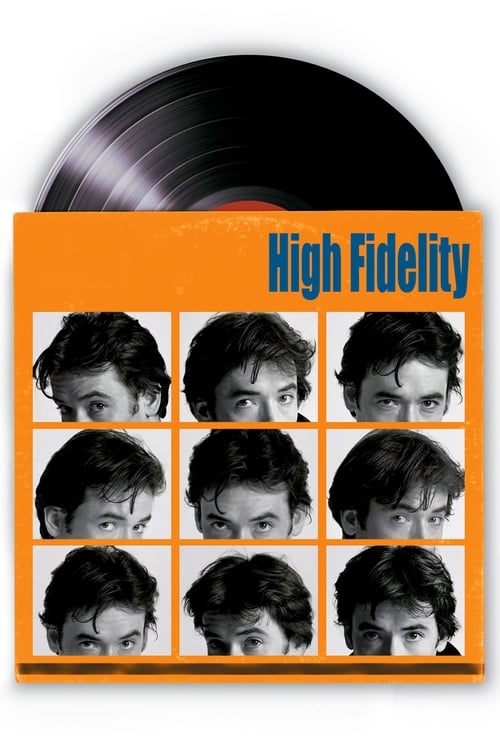
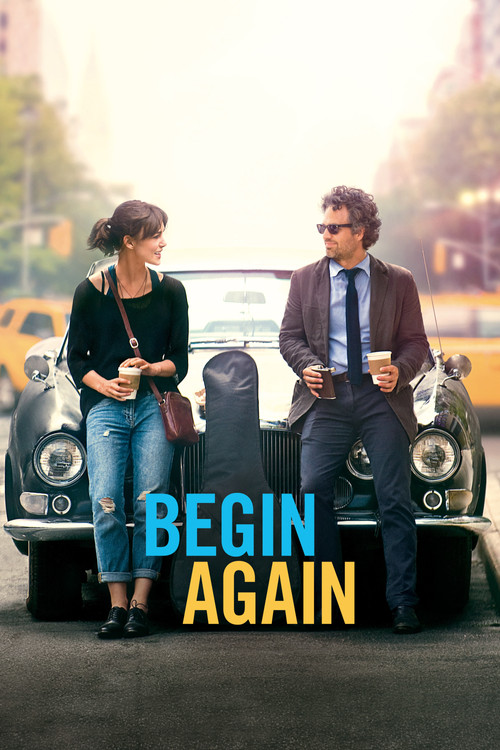
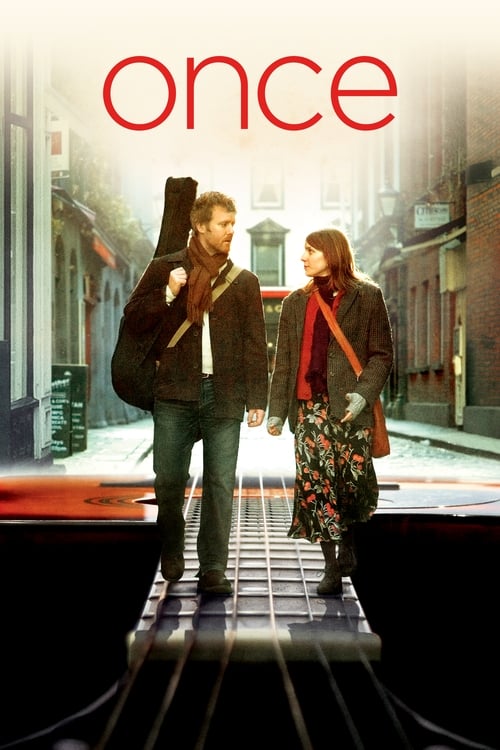
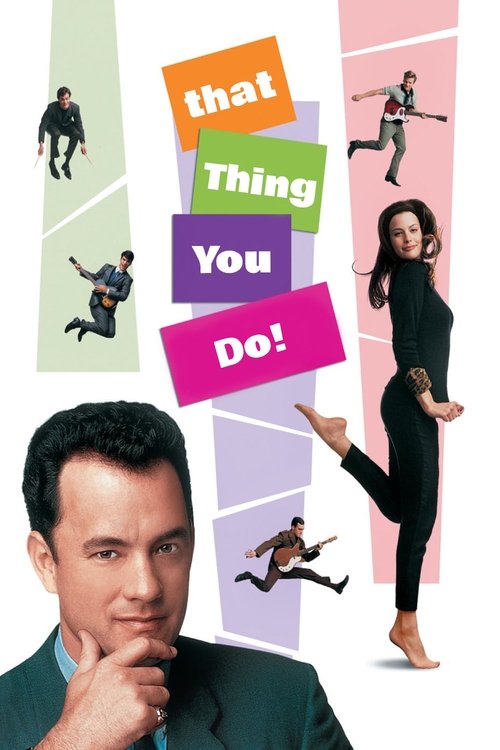
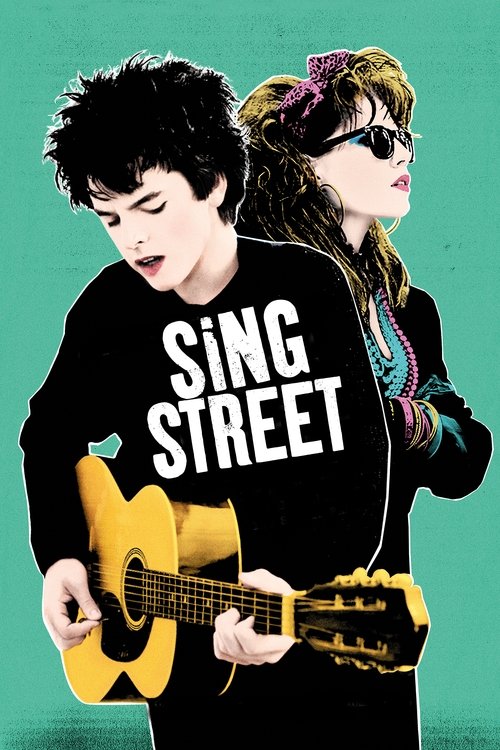
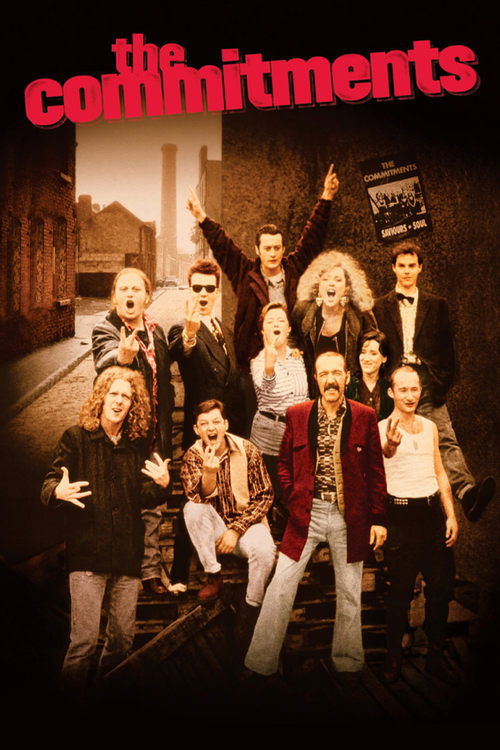
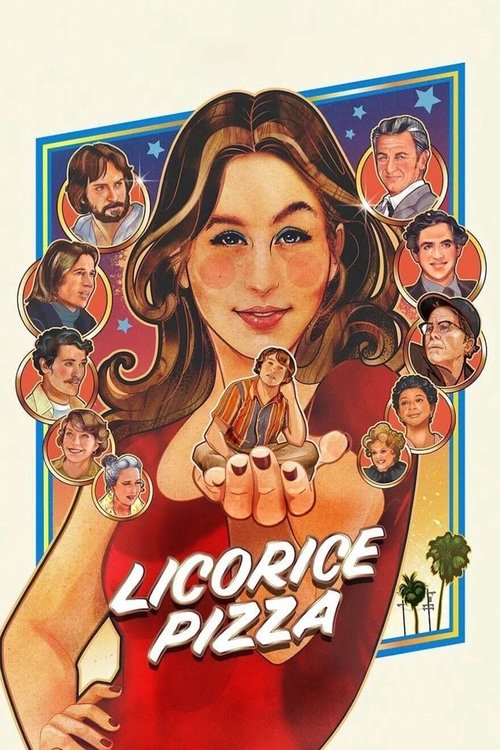
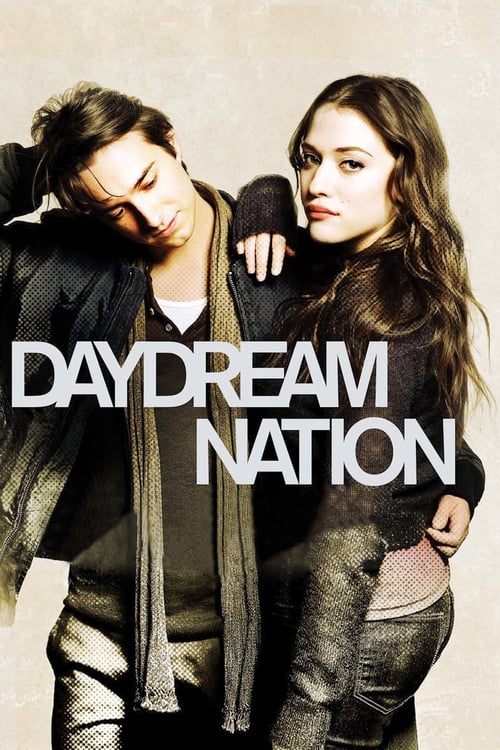
Films with the Same Warmth and Unease
Movies and series that share Rubber Soul's particular mood: intimate, slightly melancholy, alert to small human truths.
We were fed up with being the Beatles. We really hated that fucking four-little-mop-top-boys approach. We were not boys, we were men.John Lennon, on the Rubber Soul sessions
Music-Driven Novels
Books where the music is not backdrop but the actual subject: obsession, memory, scene, and what it costs to care this much about sound.


Norwegian Wood is where the album turns
The second track on Side A, Norwegian Wood (This Bird Has Flown) is the moment Rubber Soul declares its ambitions openly. The sitar intro is the obvious conversation starter, but what matters more is the lyric: elliptical, unreliable as a narrator, funny and a little cruel in a way Lennon had never quite permitted himself before. It does not resolve. It ends with the singer burning down the flat. The Beatles had written love songs; here they wrote something closer to a short story with an unreliable narrator, and popular music followed.

The Kinks deserve equal billing in this story
Ray Davies was doing something structurally similar to Lennon and McCartney at exactly the same moment: writing pop songs with literary ambitions, reaching for something more English and more specific than American rock and roll. Face to Face (1966) and The Kinks Are the Village Green Preservation Society (1968) are the parallel text to Rubber Soul and Revolver. They had less commercial success, which may be why they are now held in even more stubborn regard by the people who love them.
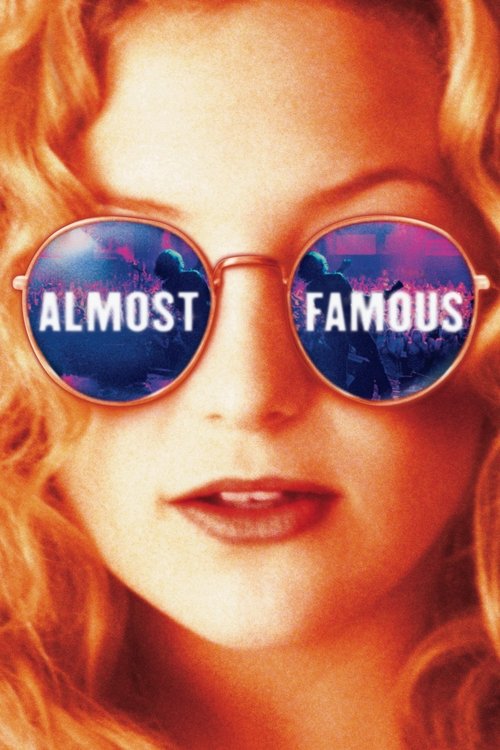
Almost Famous gets the feeling right
Cameron Crowe's semi-autobiographical film about a teenage rock journalist following a fictional 1970s band on tour captures something that most music films miss: the way serious listeners relate to music as a moral and emotional framework, not just entertainment. The record collection scenes, the conversations about what an album means, the grief when a band sells out, all of it rings true to the kind of listener Rubber Soul made.