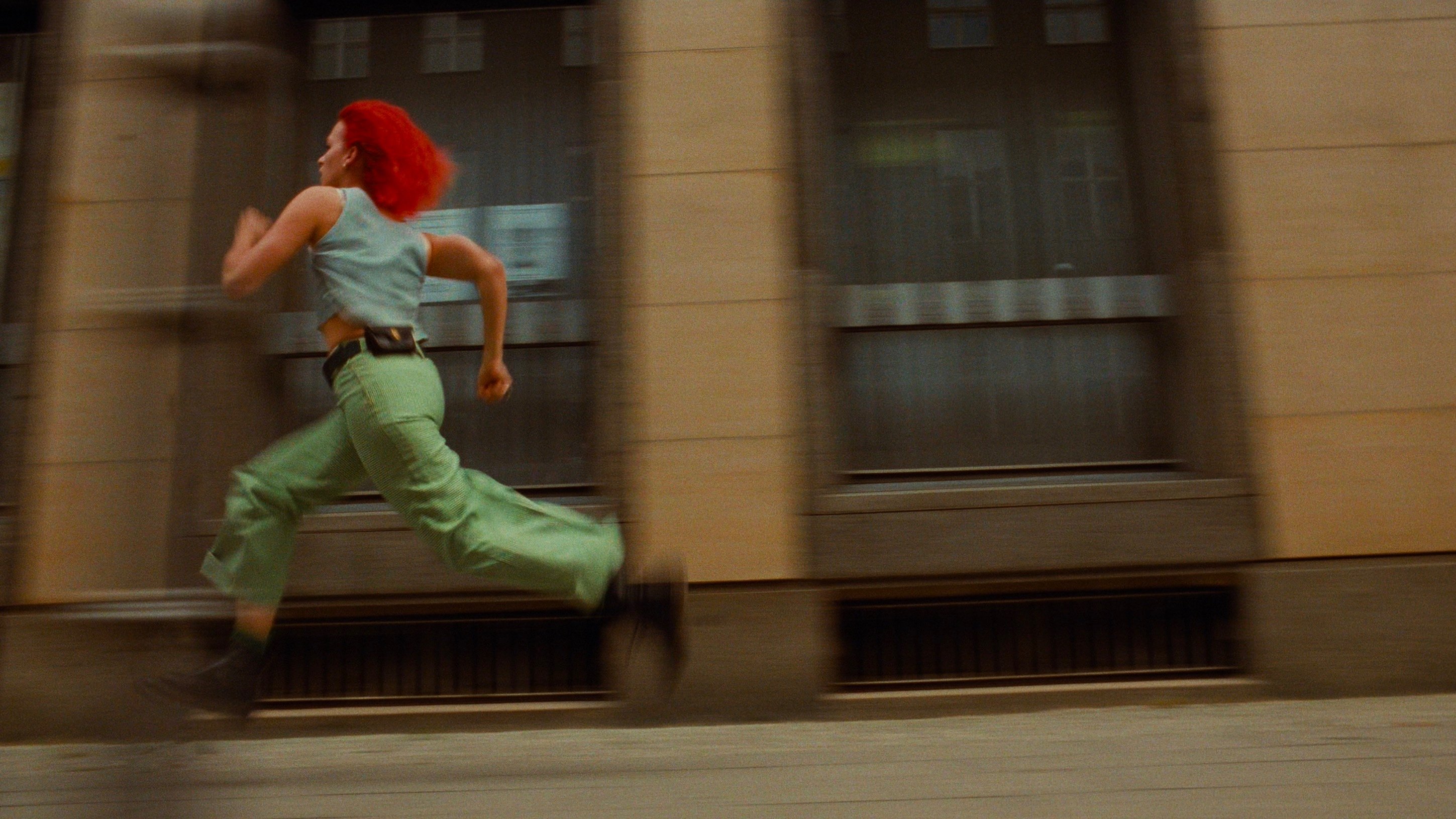

Run Lola Run arrived in 1998 and felt unlike anything else: twenty minutes of story replayed three times, each pass branching on a fractional change, each collision triggering a flash-forward that rewrites a stranger's whole life. What a fan chases here is the feeling of cinema as a machine for exploring possibility. It is kinetic, philosophical, and genuinely moving, all at once. The techno score by Reinhard Klimmt and Tom Tykwer pulses underneath every sprint like a second heartbeat. If that combination of propulsive form and emotional weight is what you love, the works below are your next stops.
Essential Run Lola Run
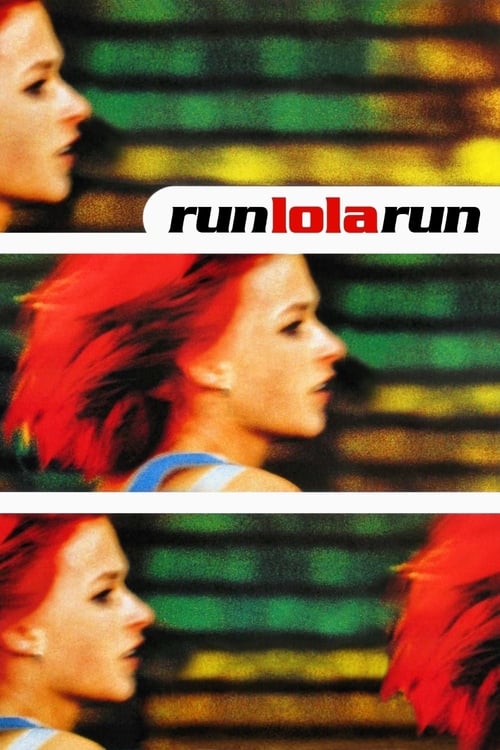
The film itself, and the director's other work worth knowing

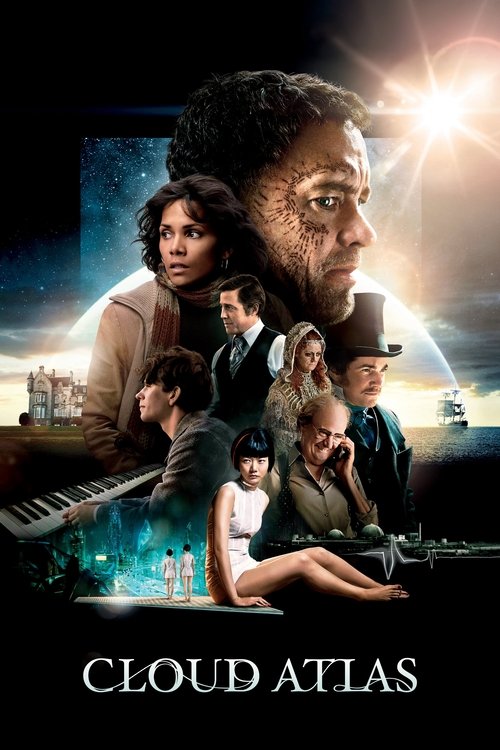
Same-Vibe Films: Momentum and Consequence
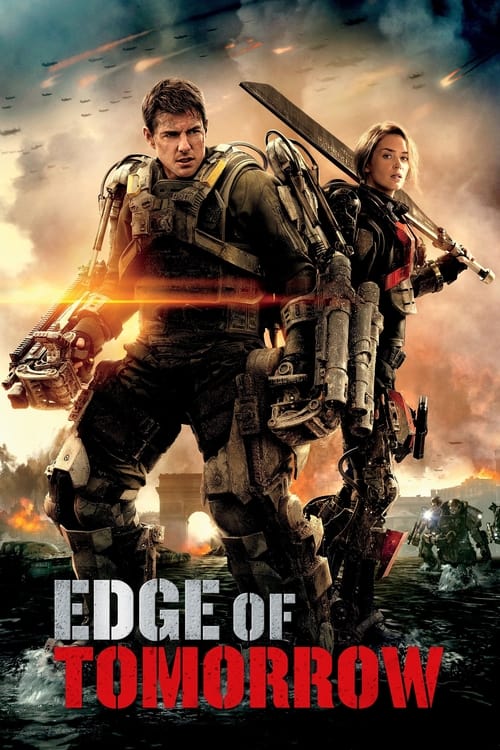
Movies that share the feeling of racing against time with everything at stake


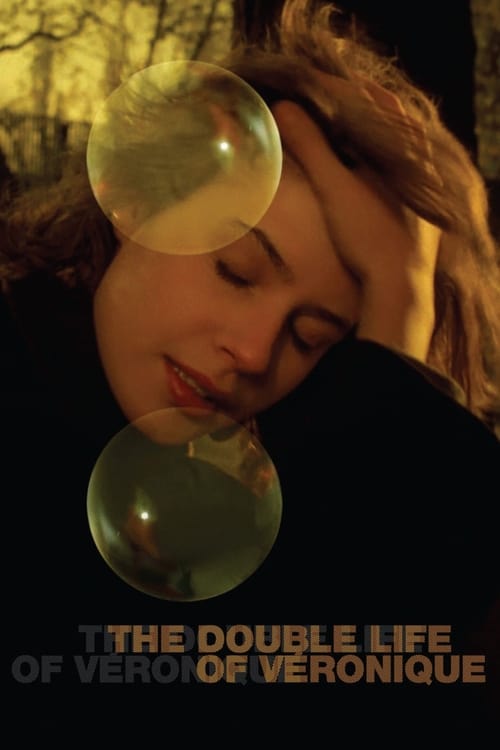
Series That Replay the Rules
TV that uses time, loops, or branching structure to the same dizzying effect

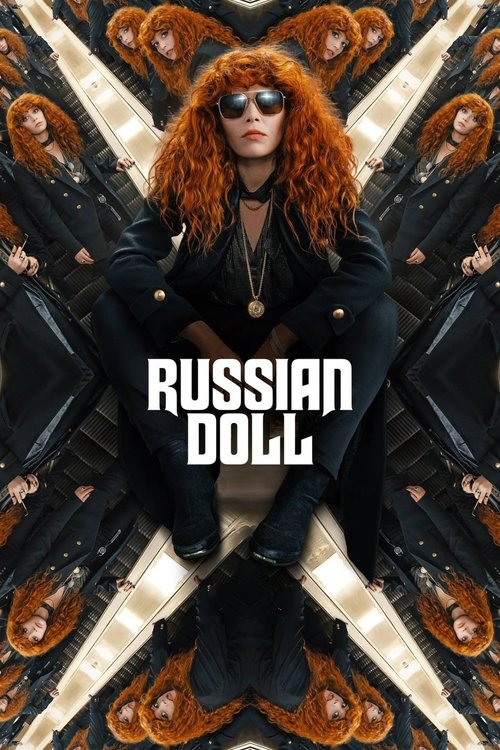
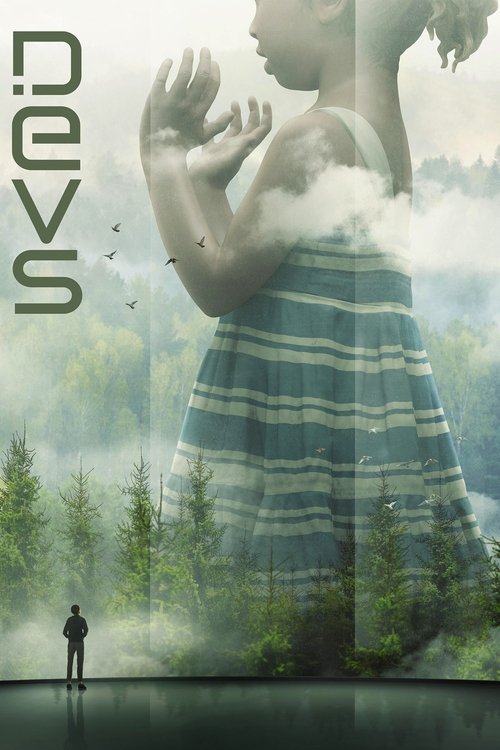
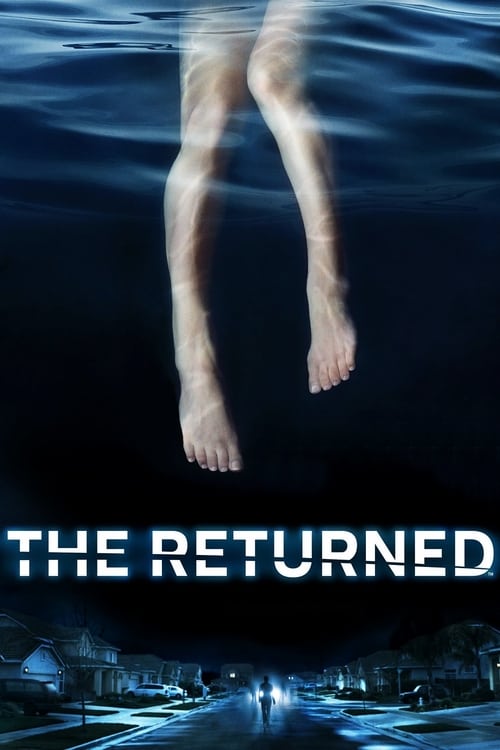
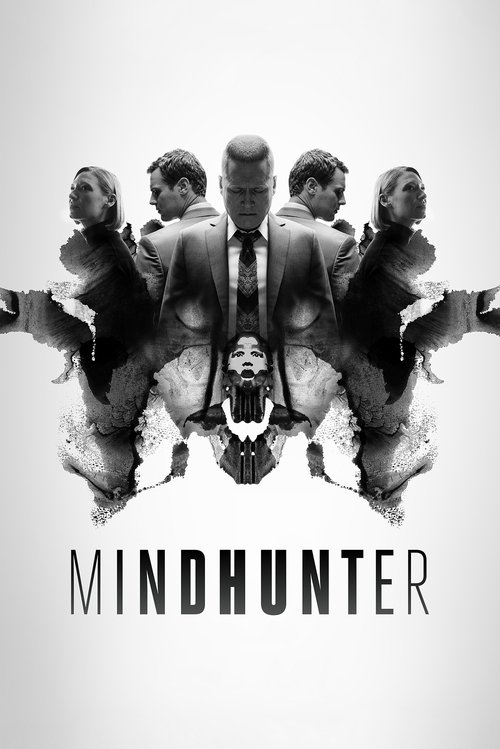
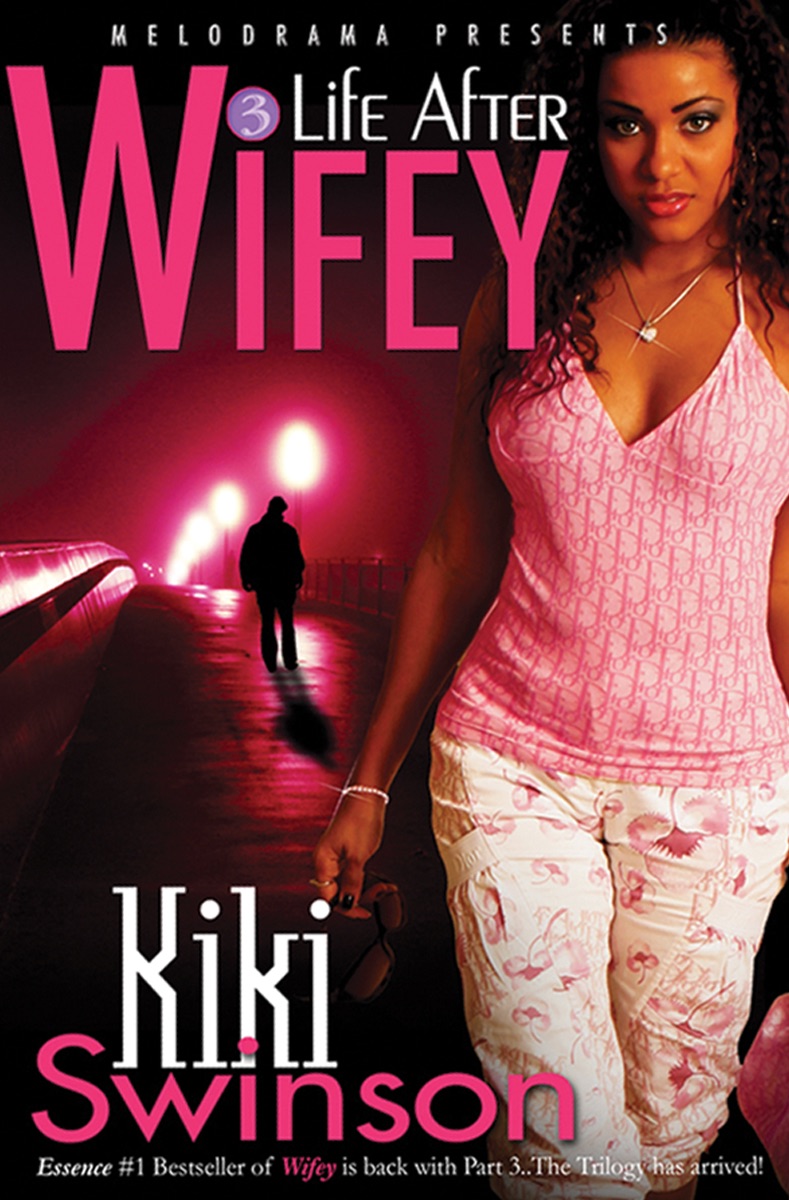
Books About Time, Chance, and Parallel Lives
Novels that explore the same fascination: what changes when a single moment shifts


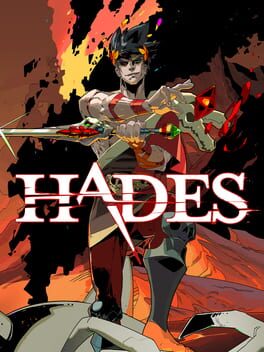
Games Where Every Second Counts
Games that share the urgency, time-bending, or branching-consequence design of Lola's sprints
The Score and Its World: Propulsive Electronic Music
Albums and artists that share the relentless forward momentum of Tykwer and Klimmt's techno pulse
The Loop Is Not a Gimmick
Run Lola Run gets dismissed occasionally as a stylistic exercise, a music-video dressed up as a feature. That misses what Tykwer is actually doing. Each of the three loops is not a reset but an argument: about free will, about the physics of small decisions, about whether love is a force that bends probability. The film earns its emotion precisely because it has done the work of showing you two other outcomes first. By the third run, you care so much it hurts.
Berlin Is the Third Character
Tykwer shoots Berlin as a city that is still figuring out what it is after reunification. The film came out nine years after the Wall fell, and the urban texture reflects that: construction sites, cramped apartments, a casino that feels both glamorous and slightly desperate. Lola sprints through all of it without pause, and the city becomes a kind of obstacle course that is also a portrait. You could not set this film anywhere else and have it mean the same thing.
Why Manni Is Not the Point
Manni needs 100,000 Deutschmarks in twenty minutes or he is dead. That is the premise. But the film is not really about the money or the gangsters. It is about whether Lola, through sheer force of will and love, can override the math of the universe. The fact that she fails twice before succeeding, and that each failure teaches us something different, is what makes the final sprint feel like a genuine victory rather than a cheap fix.
The Flash-Forward Cards Are Tiny Masterpieces
Every time Lola brushes past a stranger on the street, the film cuts to a rapid-fire sequence of still photographs showing that person's future. A minor collision redirects an entire life. These sequences are so compressed and so precise that they function almost as short films inside the feature. They are also the film's clearest statement of its philosophy: proximity matters, timing matters, and nobody's story is small.
A Brief History of Cinematic Time-Bending
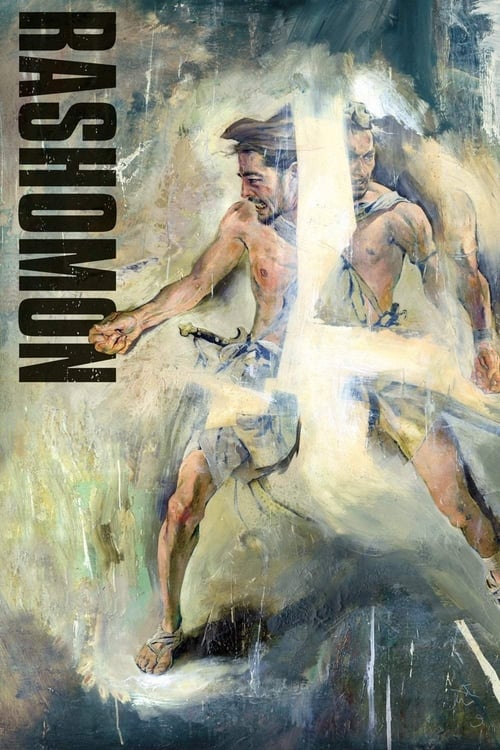
- 1950Rashomon reframes the same event through four contradictory witnesses, establishing that truth is multiple and subjective. Rashomon
- 1981Ken Grimwood's novel Replay (published 1987) popularizes the loop-and-replay premise in fiction. Replay
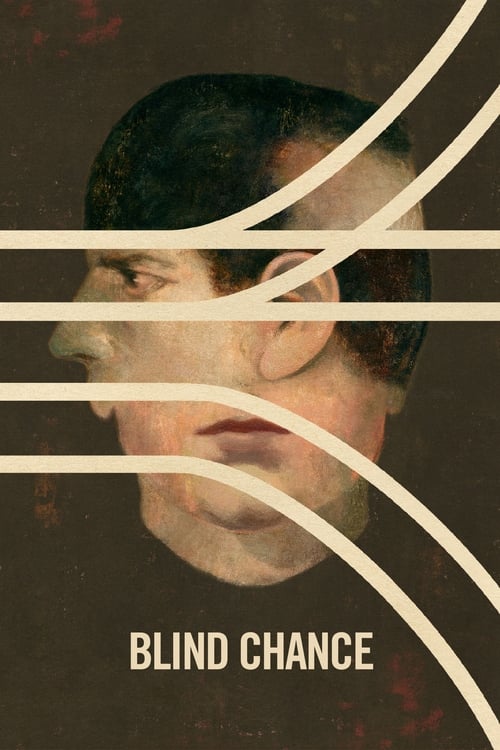
- 1987Krzysztof Kieslowski's Blind Chance (filmed 1981, released 1987) explores three alternate futures from a single missed train. Blind Chance
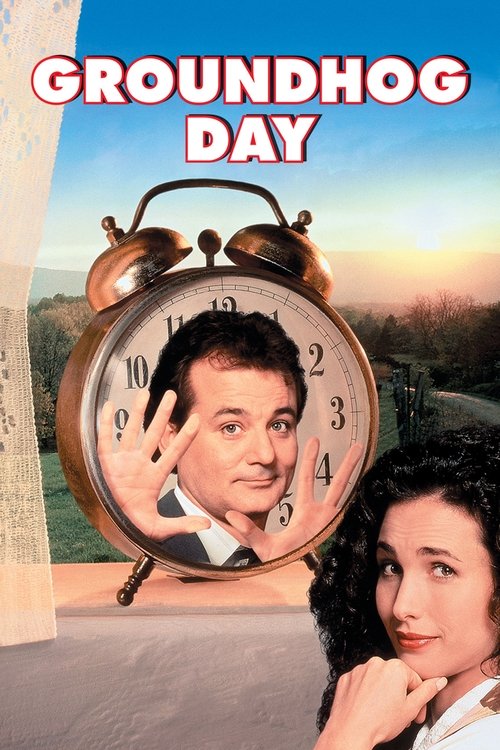
- 1993Groundhog Day turns the time loop into genre comedy, but earns genuine philosophical weight by the final act. Groundhog Day
- 1998Tom Tykwer releases Run Lola Run. The techno-thriller structure and flash-forward cards make it an instant landmark of European cinema. Run Lola Run
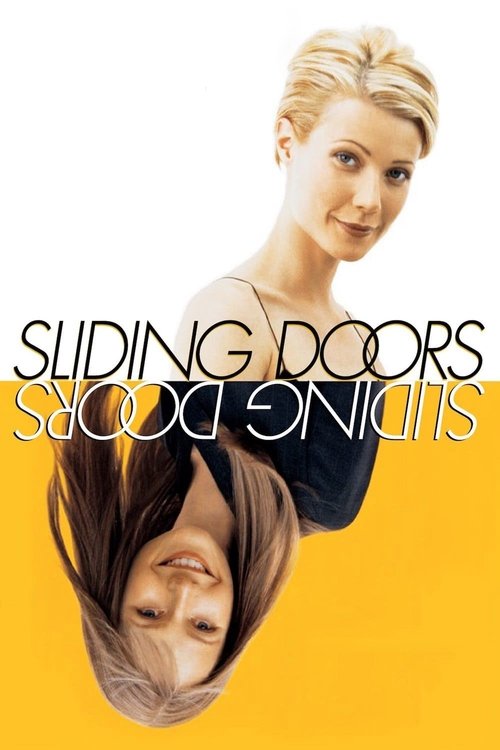
- 1998Sliding Doors, released the same year, makes branching timelines a mainstream romantic conceit. Sliding Doors
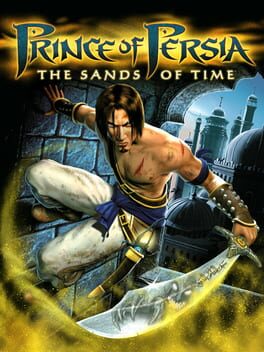
- 2003Prince of Persia: The Sands of Time brings rewind mechanics to games, encoding the same impulse in interactive form. Prince of Persia: The Sands of Time
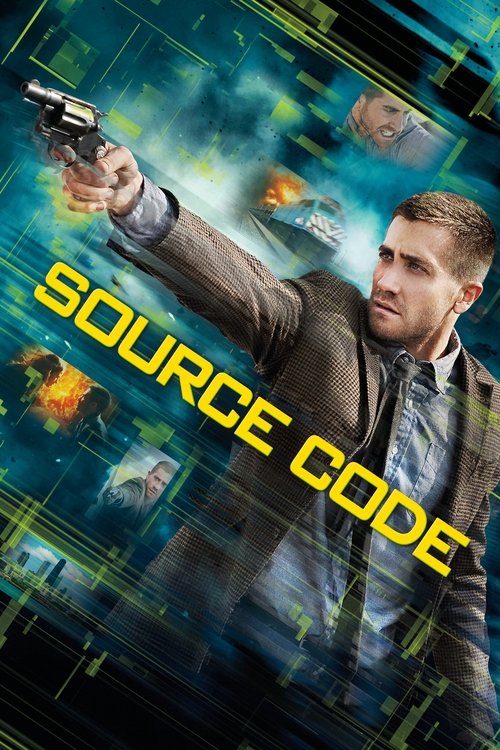
- 2012Source Code applies the loop to thriller cinema with a ticking-clock procedural frame. Source Code
- 2017Netflix's Dark begins, bringing German time-loop storytelling to a global TV audience. Dark
- 2019Russian Doll reinvents the loop as dark comedy and grief narrative, cementing the form in prestige TV. Russian Doll
One decision, looping timelines
For Fans of Russian Doll
Explore the For Fans of Russian Doll guide →The film keeps asking: if you could run it again, would you do it differently? Then it answers: you would run it the same way, only harder.CrossBinge