

Beverly Cleary's 1970 sequel to "The Mouse and the Motorcycle" sends Ralph the mouse bolting from the safety of the Mountain View Inn on his beloved toy motorcycle, chasing the intoxicating idea that the open road belongs to him. What makes that premise so durable is not the miniature scale of the adventure but its emotional accuracy: the terror of having gotten exactly what you wanted, the discovery that freedom comes with cold nights and real enemies, and the grudging admission that belonging somewhere is not the same as being trapped. Ralph is not running away from home so much as running toward a self he hasn't met yet. Readers who fell for him tend to be readers who love a certain kind of story: an underdog in motion, a world rendered enormous from below, and a resolution that earns its warmth by first earning its loneliness.
Running Away on Screen
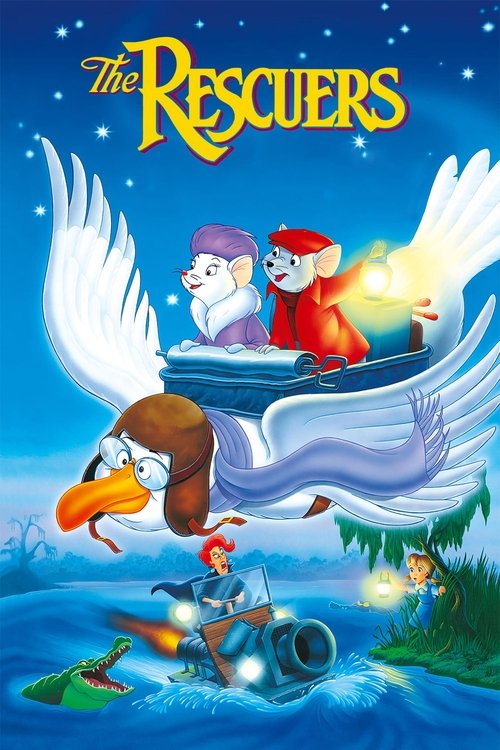
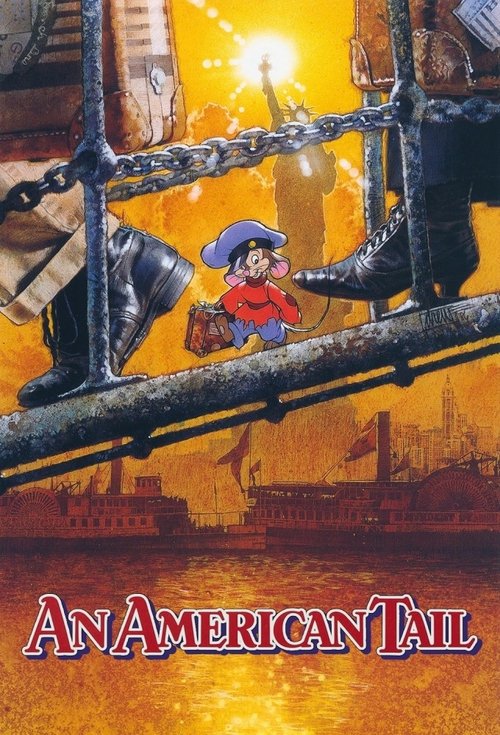
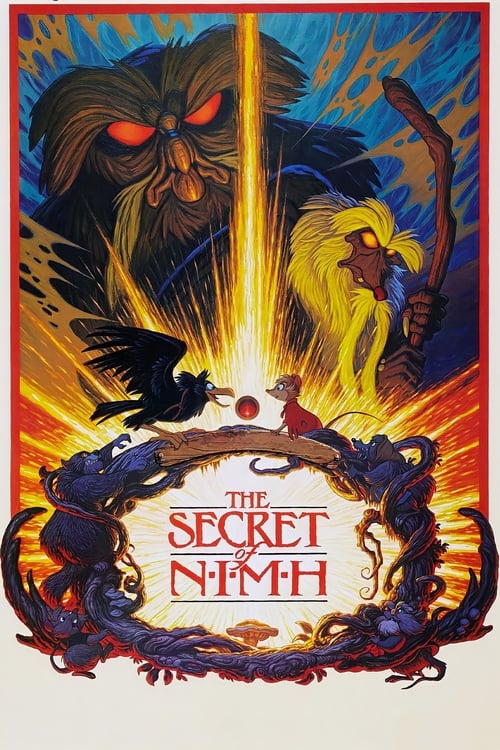
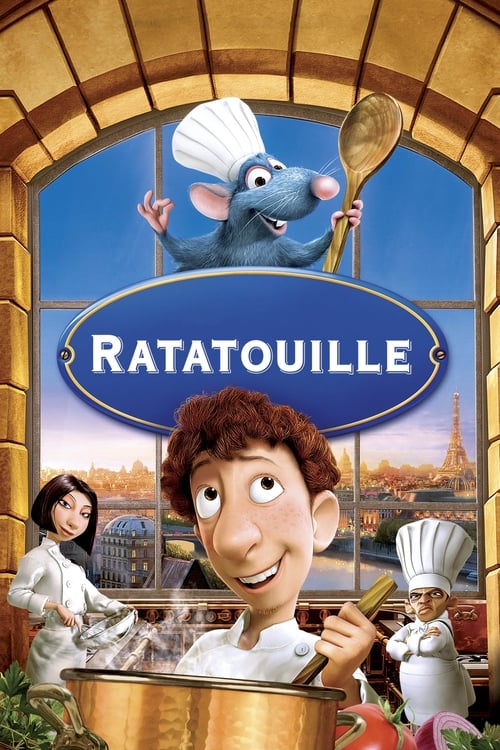
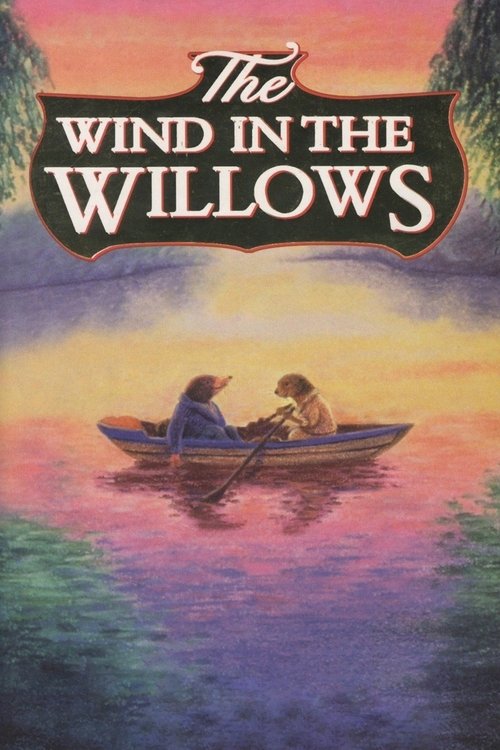
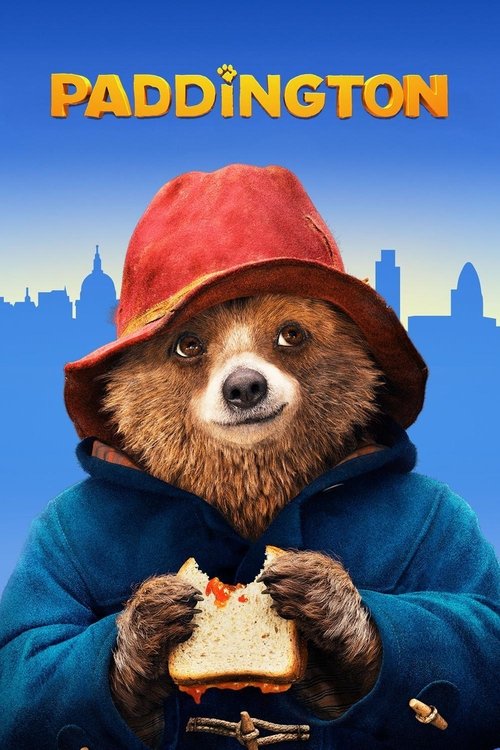
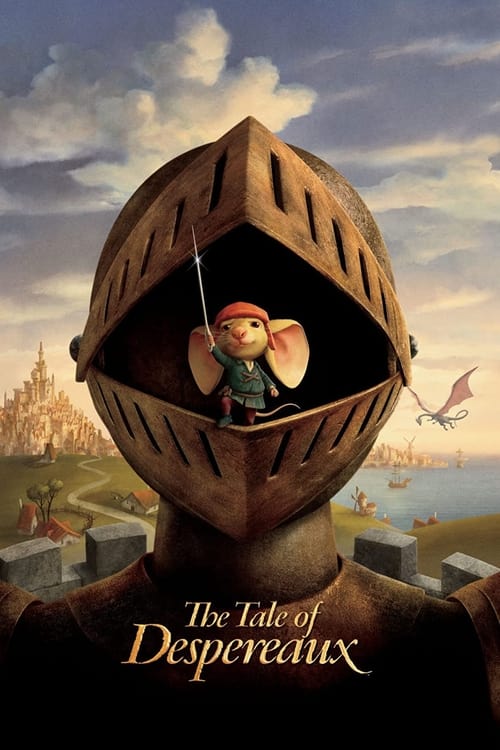
Films and series about young runaways, reluctant exiles, and creatures who discover the world is bigger and stranger than home.


Games Where Small Means Vulnerable
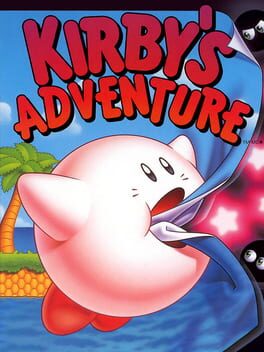
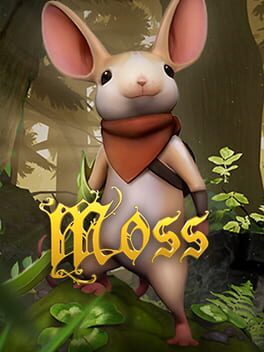
Games that capture Ralph's mix of speed, danger, and the world looming dangerously large around you.



The Motorcycle Is the Point
Ralph's motorcycle is not a prop or a joke. Cleary treats it with the same seriousness a fourteen-year-old treats a first car: it is autonomy made physical, the difference between asking permission and just going. Stories in this tradition understand that children do not want to be taken on adventures; they want to travel under their own power. Every book, film, or game that captures this correctly gives its small hero a vehicle, a tool, or an ability that belongs entirely to them.

He longed to ride his motorcycle, to feel the wind in his whiskers, to go somewhere, anywhere, as long as it was away.Beverly Cleary, Runaway Ralph (1970)
A Timeline of the Small-Hero Adventure
- 1908Kenneth Grahame's animal wanderers define the archetype of creatures with inner lives and social troubles.
- 1945E.B. White sends a mouse-child into New York City and refuses to bring him home at the end.
- 1960George Selden puts a cricket from Connecticut in the Times Square subway station.
- 1965Beverly Cleary introduces Ralph and his motorcycle at the Mountain View Inn. The Mouse and the Motorcycle
- 1970Ralph bolts for the open road in the sequel that gives this genre its purest statement. Runaway Ralph
- 1971Robert C. O'Brien's rats of NIMH make the animal-adventure story genuinely dark.
- 1976William Steig strands his mouse on an island alone for a year and calls it growth.
- 1982Don Bluth's animated film adaptation of Mrs. Frisby brings the genre to a new audience. The Secret of NIMH
- 1986An American Tail frames the runaway-immigrant mouse story as a family separation epic. An American Tail
- 1986Beverly Cleary closes Ralph's story with a mouse navigating office politics.
- 1993Brian Jacques's Redwall expands the small-hero world into full medieval epic. Redwall
- 2007Ratatouille asks whether a rat can belong in a kitchen that does not want him. Ratatouille
- 2009Wes Anderson adapts Roald Dahl's fox as a midlife-crisis animal-road movie. Fantastic Mr. Fox
The Genre Works Best When It Refuses Cuteness
The runaway-animal story collapses into sentiment the moment it decides its hero is adorable rather than genuinely at risk. Cleary avoids this because the cat at camp is a real threat and the cage is a real cage. The best entries in this tradition, from Mrs. Frisby to Hollow Knight, maintain genuine stakes. When the small hero wins, it costs something. That cost is what makes the warmth of the ending feel earned rather than dispensed.