

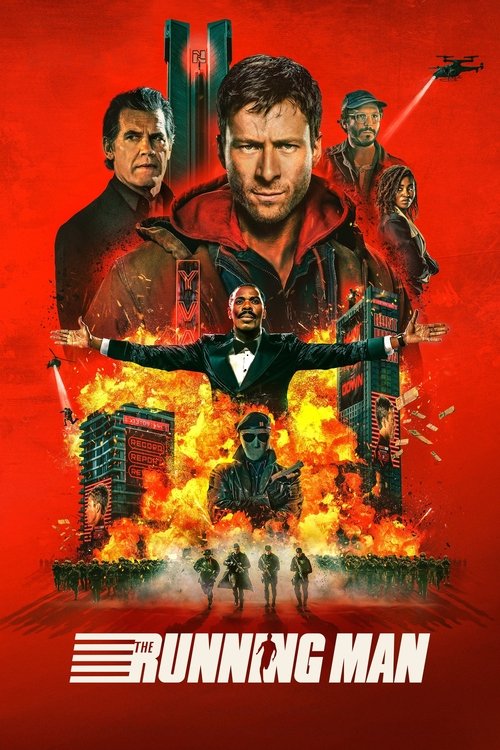
The Running Man (1987) arrived with a simple, savage premise: a future America where convicts are hunted on live television by armored killers called Stalkers, and the audience votes on who dies next. Adapted from a Richard Bachman (Stephen King) novella, it fused the gleeful excess of Arnold Schwarzenegger action cinema with something genuinely unsettling: a critique of how spectacle replaces justice, how crowds are trained to cheer for cruelty, and how media corporations construct both heroes and villains for ratings. Thirty-five years later it feels less like science fiction and more like a warning that arrived slightly early. The fans this film made share a specific appetite: not just for action, but for satire wrapped in adrenaline, for systems that use entertainment as control, for the lone individual who refuses to perform for the machine. That thread runs through novels, dystopian TV series, video games, and films across five decades.
Essential Running Man
The film and its source, plus the Schwarzenegger action era that surrounded it
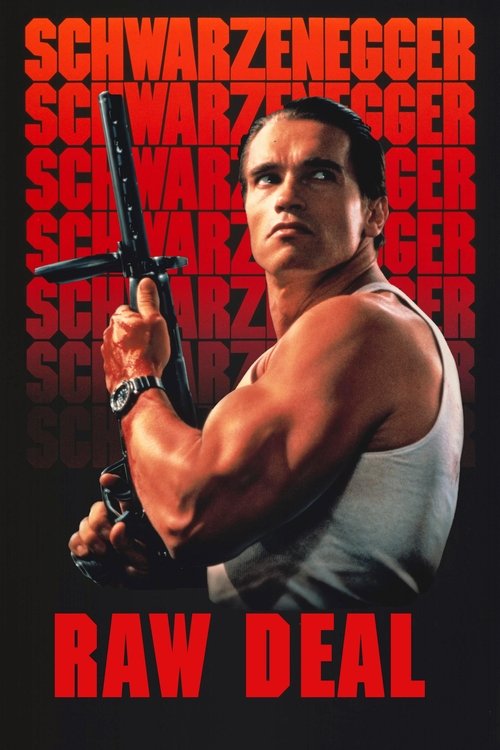
Death Sport as Prime Time
Films and series where the spectacle IS the point: arenas, audiences, and lethal ratings
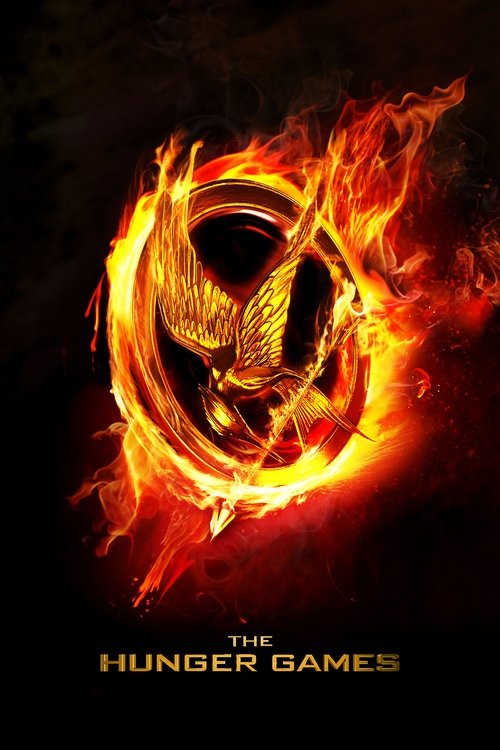
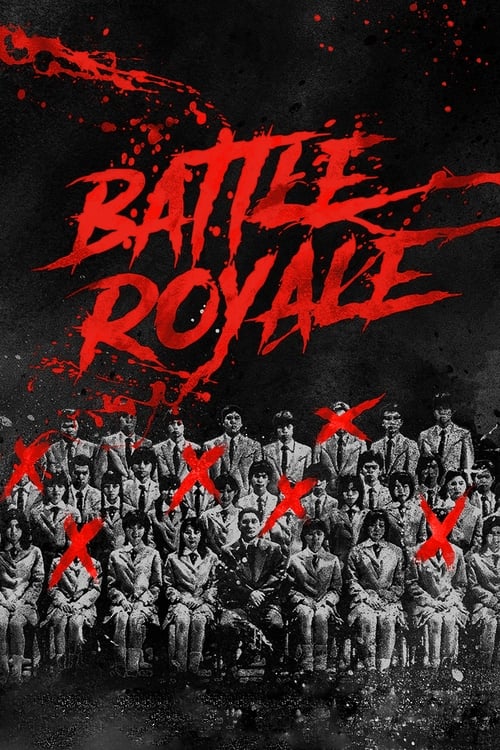
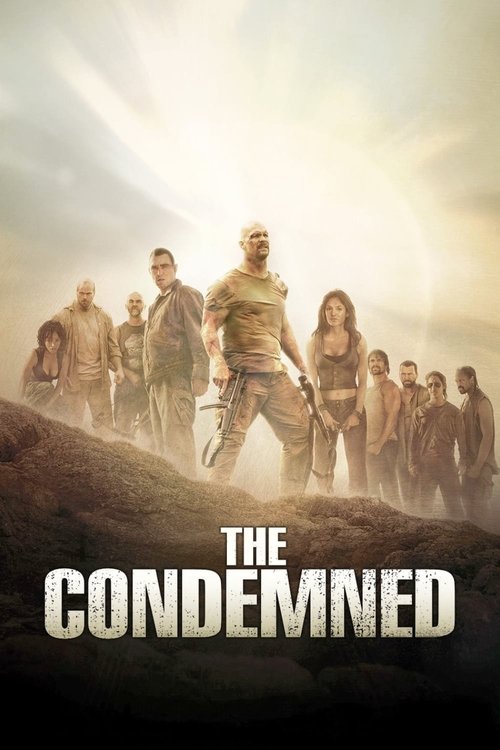

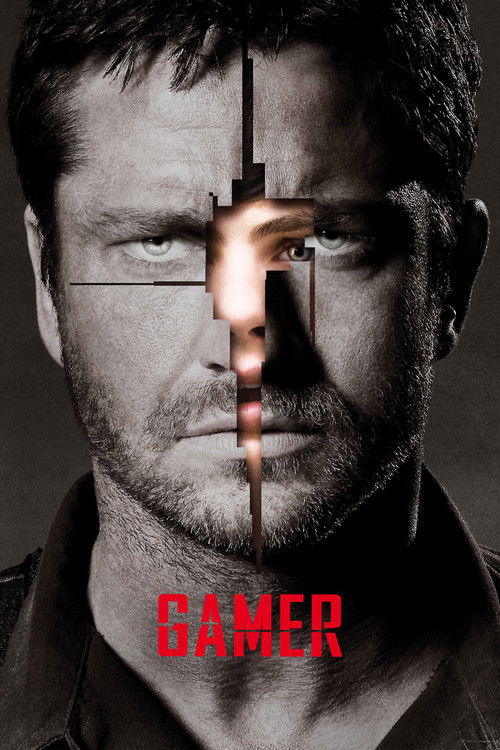

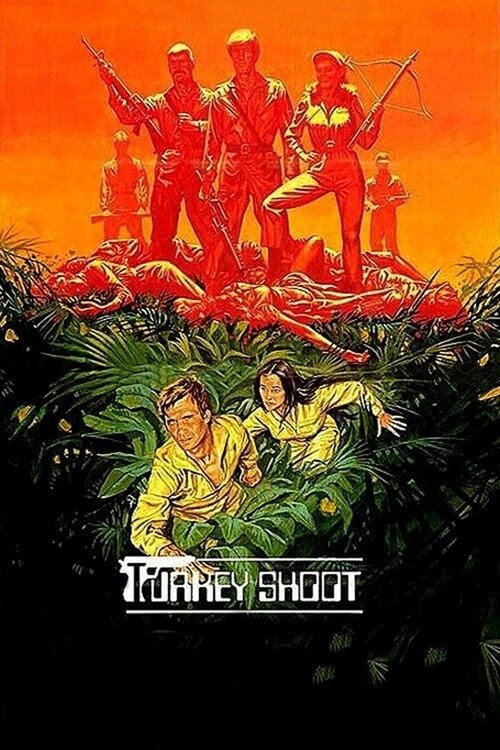
The Bachman Books: King Writing Under the Mask
The Richard Bachman novels share the same grim, system-crushing DNA as the source novella


One Against the System
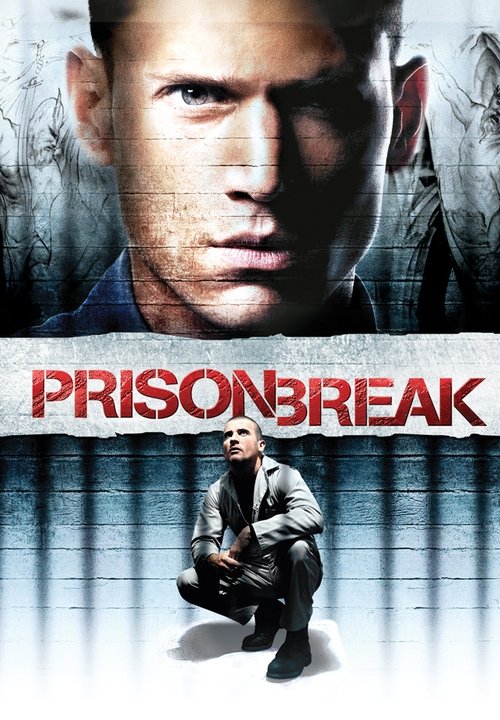
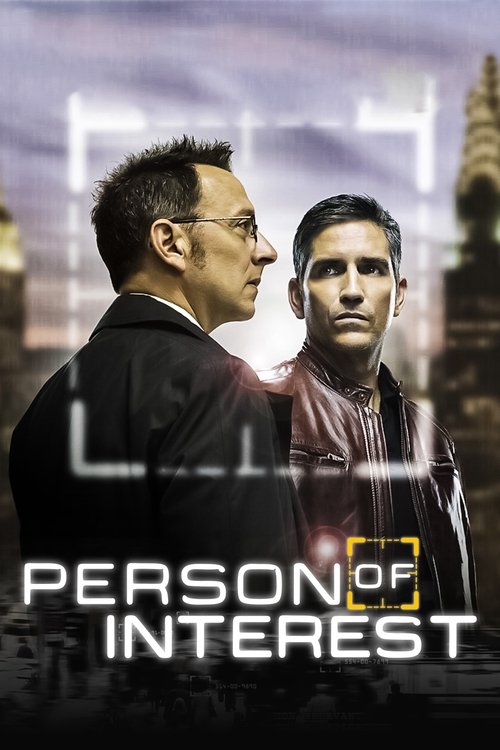
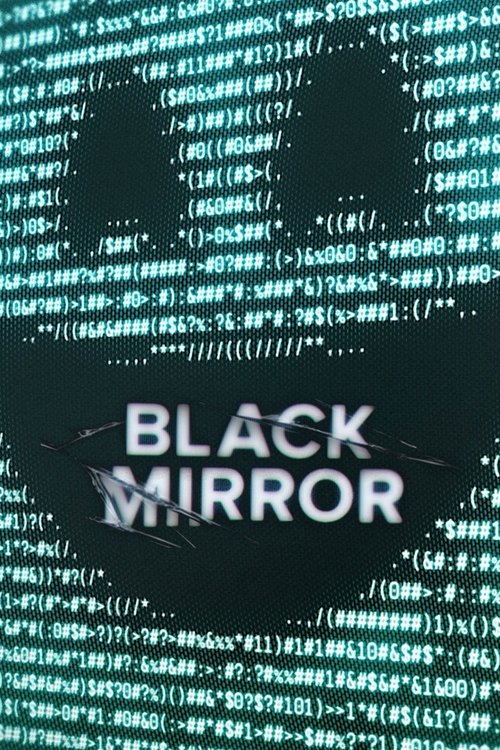
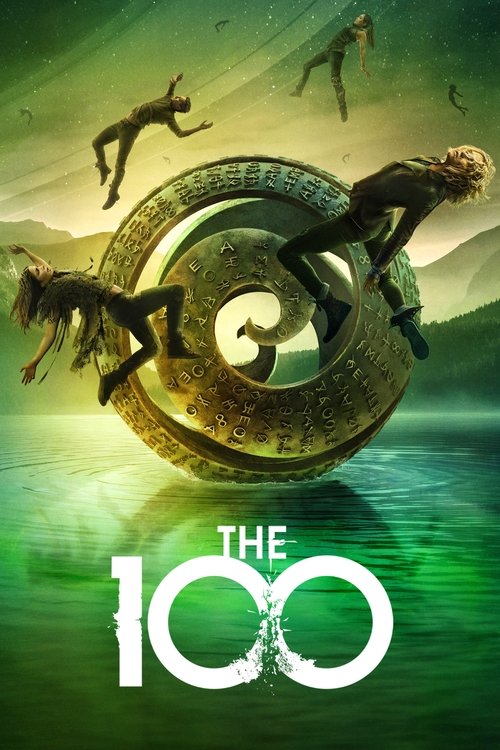
TV series built on the same fuel: an ordinary person hunted, framed, or weaponized by a corrupt apparatus
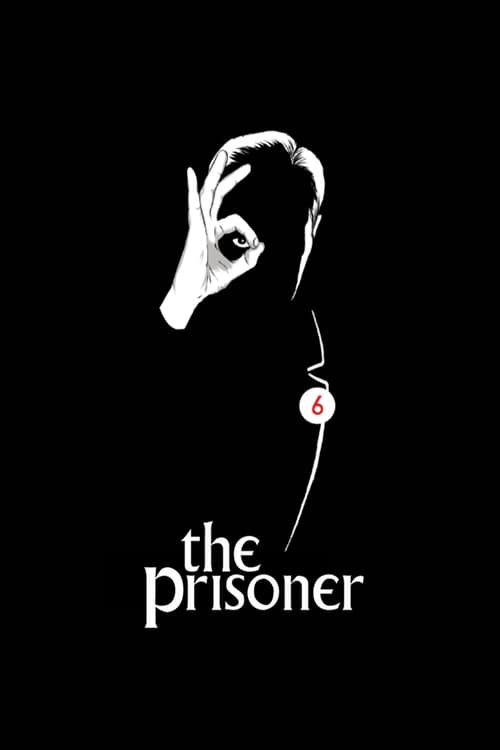
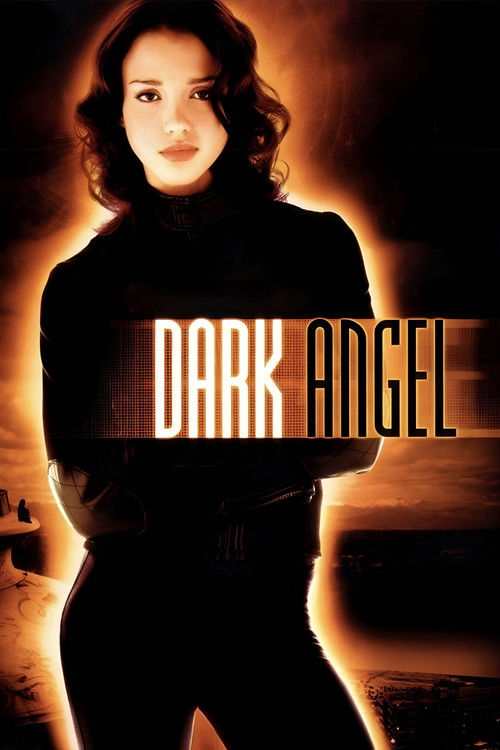
Survive the Arena
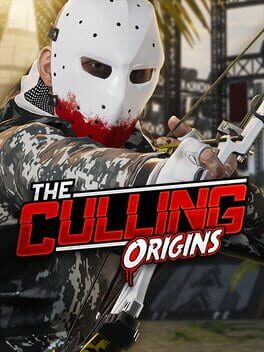
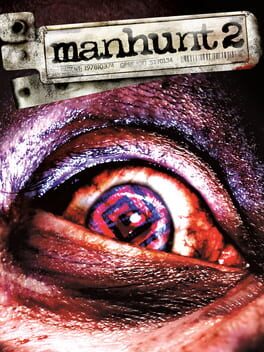
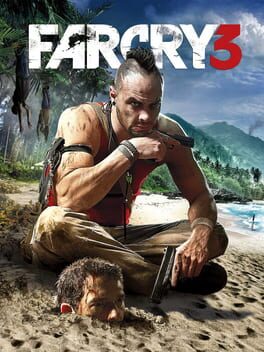
Games that put you inside the death-sport logic: hunted, watched, scored, eliminated
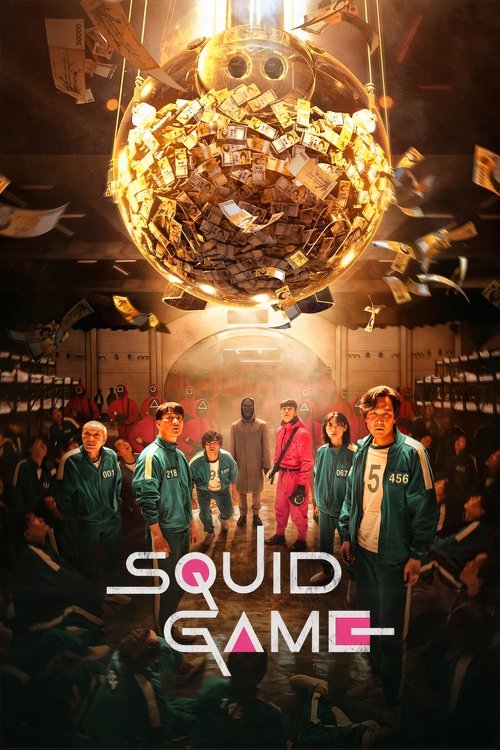
Squid Game succeeded where dozens of imitators failed because it earned its sympathy
The death-game genre is littered with films that fetishize the killing without making you feel the cost. Squid Game worked because it spent time on why each contestant showed up, building dread out of debt and desperation rather than spectacle alone. The games themselves are almost secondary to the portrait of a society that produced people willing to risk death for a cash prize. That is exactly what The Running Man novella was doing in 1982, and most of its Hollywood descendants forgot to bother.
Battle Royale did not inspire The Hunger Games; both inherited the same bloodline
The internet perennially argues about whether Suzanne Collins copied Koushun Takami. The more interesting observation is that both authors were working from the same cultural inheritance: Cold War anxieties about collectivism, Orwellian state surveillance, Roman gladiatorial spectacle, and the Japanese tradition of extreme-situation fiction. Tracing either book back far enough, you arrive at Shirley Jackson's The Lottery and, in film, Death Race 2000. The debt runs in all directions at once.
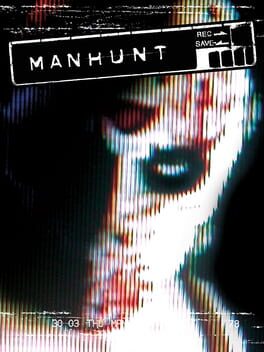
Manhunt remains the most honest game about what it means to perform violence for an audience
Rockstar's Manhunt cast the player as a convict forced to murder on camera for a snuff-film director, and the game's notoriety mostly obscured how precisely it understood the Running Man premise. The director's commentary in your earpiece, rating your kills, praising efficiency, encouraging creativity, is one of the sharpest pieces of media criticism in game history. You are complicit in the spectacle, not just a spectator.
The Death-Sport Timeline
- 1965Shirley Jackson's The Lottery enters the high-school curriculum; organized state cruelty as normalcy
- 1975Death Race 2000 brings the death-sport to the road and the cinema screen Death Race 2000
- 1979Stephen King publishes The Running Man as Richard Bachman, setting the template for the media-spectacle dystopia
- 1982The Long Walk published (written earlier, same Bachman period)
- 1987The Running Man film lands Schwarzenegger in the arena; a box-office hit that outlasted its reviews The Running Man
- 1999Battle Royale published in Japan, raising the violence stakes and the moral seriousness simultaneously Battle royale
- 2000Kinji Fukasaku adapts Battle Royale for the screen; banned in several countries, beloved globally Battle Royale
- 2003Manhunt arrives; the most self-aware game yet about violence as entertainment Manhunt
- 2008The Hunger Games novel establishes the template for YA death-sport; a genre unto itself The Hunger Games
- 2012The Hunger Games film opens the modern blockbuster era of arena fiction The Hunger Games
- 2017PlayerUnknown's Battlegrounds launches battle royale as the dominant game genre of the decade
- 2021Squid Game becomes the most-watched Netflix series in history; the death-sport finds its widest audience yet Squid Game
The audience does not want justice. They want a good show. The Running Man understood that thirty-five years before reality television caught up.CrossBinge Editors