
Saga opens with a birth and never really stops being about one question: what does it cost to keep your family alive in a universe that has decided they should not exist? Brian K. Vaughan and Fiona Staples launched the series in 2012 through Image Comics, following Marko and Alana, soldiers from two warring worlds who fall in love and have a daughter, Hazel. Every government, bounty hunter, and war machine in the galaxy wants them dead. The series is famous for its refusal to follow genre conventions, its frankly adult content, its gallows humor, and its willingness to break your heart in the final panels of an issue. What readers chase is that combination: a universe of genuine invention, characters who feel like real people making real mistakes, and stakes that are always personal before they are cosmic.
More Brian K. Vaughan: The Rest of the Canon
BKV's other comics prove the emotional intelligence in Saga is no accident


Saga is a war story told by people the war forgot to dehumanize
Most space operas are about empires and heroes. Saga is about a couple trying to keep their kid alive. The warring civilizations of Landfall and Wreath are kept deliberately vague as political entities because Vaughan is not interested in which side is right. He is interested in how ordinary people survive institutions designed to consume them. That choice makes every threat feel personal and every death land harder than it would in a story about destiny.
Same DNA in Graphic Novel Form
Comics and graphic novels with Saga's mix of scale, heart, and strangeness


The Novels That Feed the Same Hunger
Prose fiction with Saga's emotional weight and world-building ambition


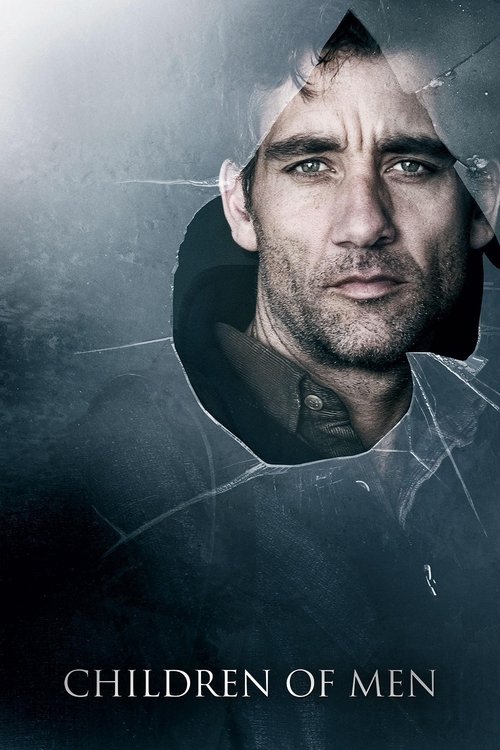
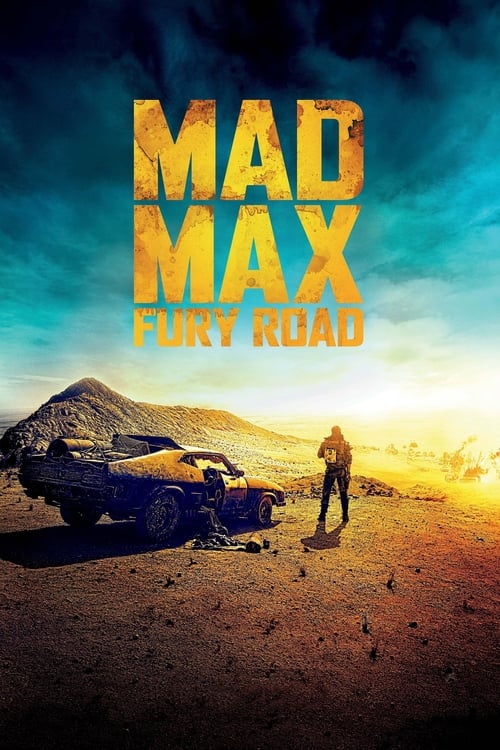
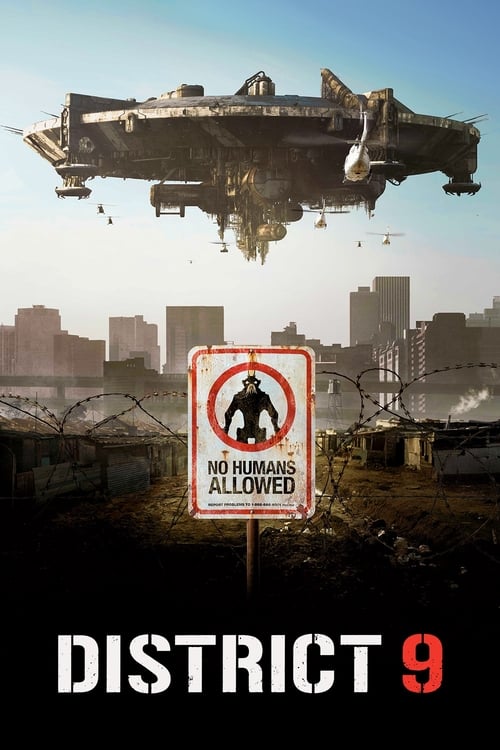
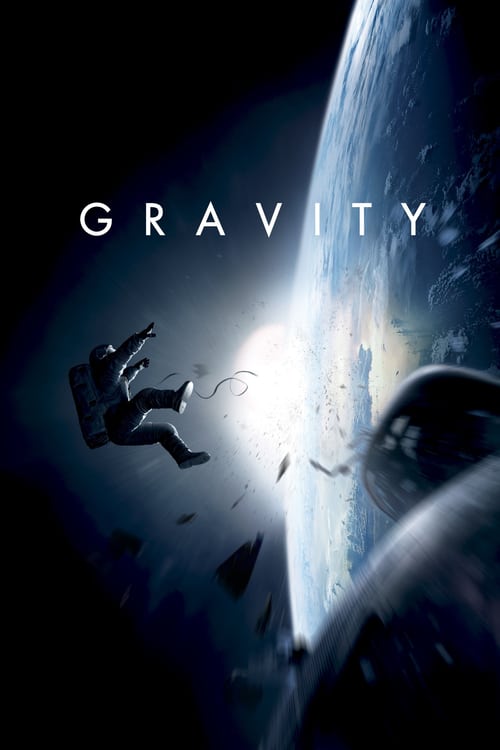
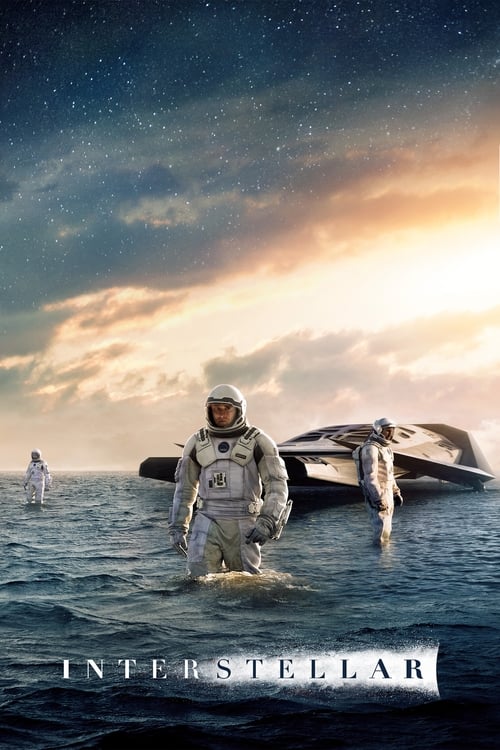
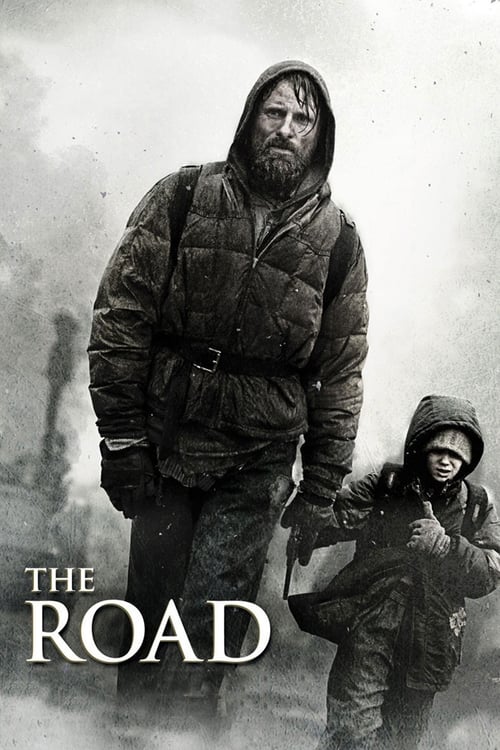
Films That Chase the Same Feeling
Movies that put family and survival at the center of a vast, strange universe
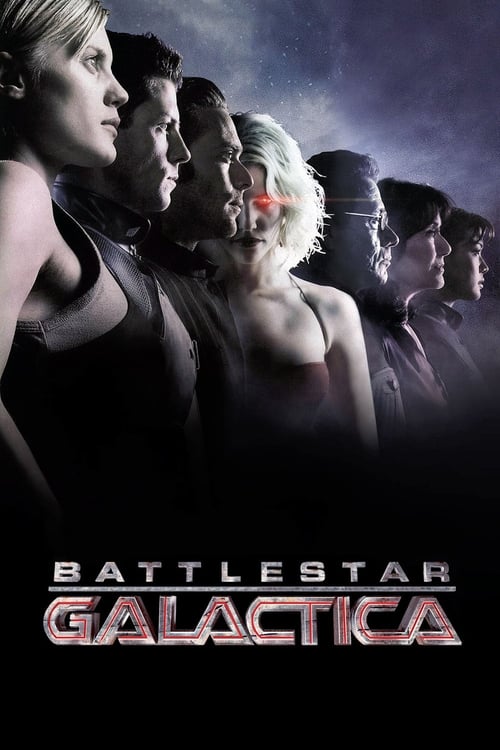
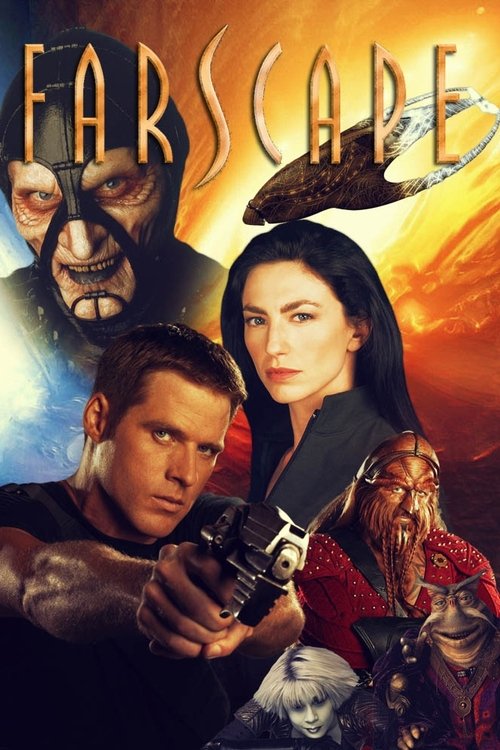
Television with Saga's Soul
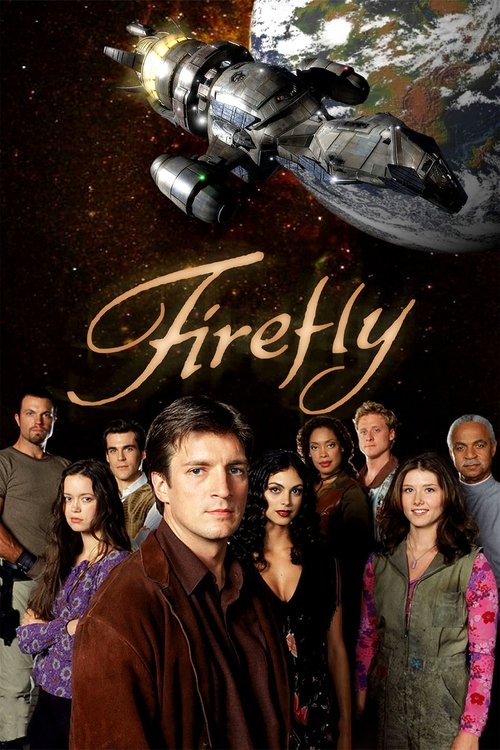
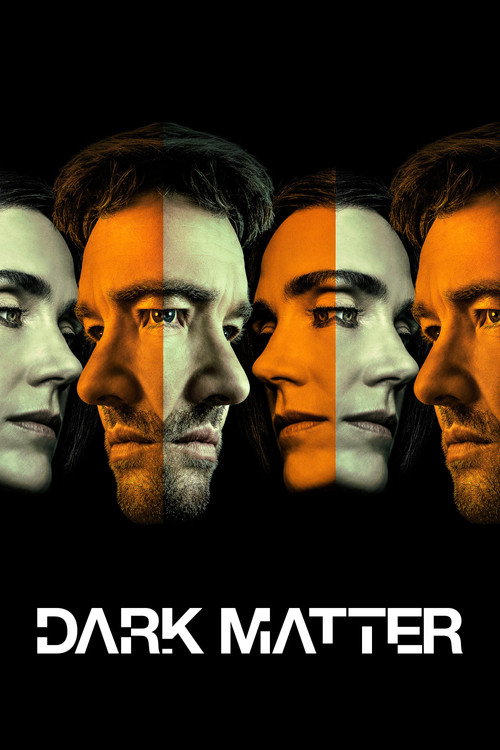
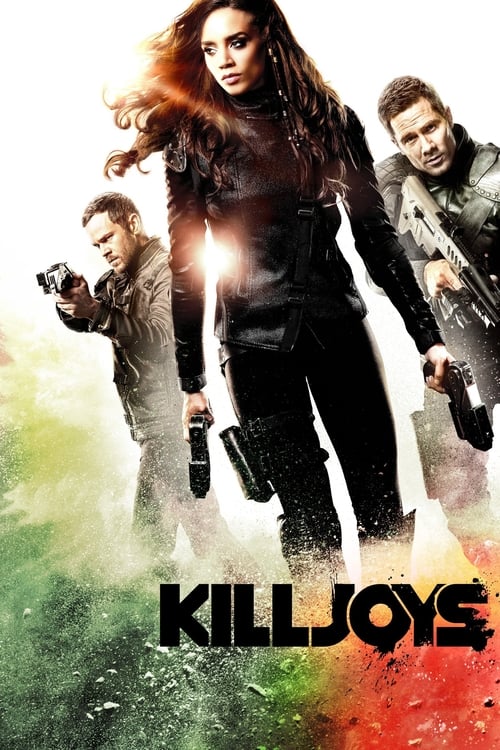
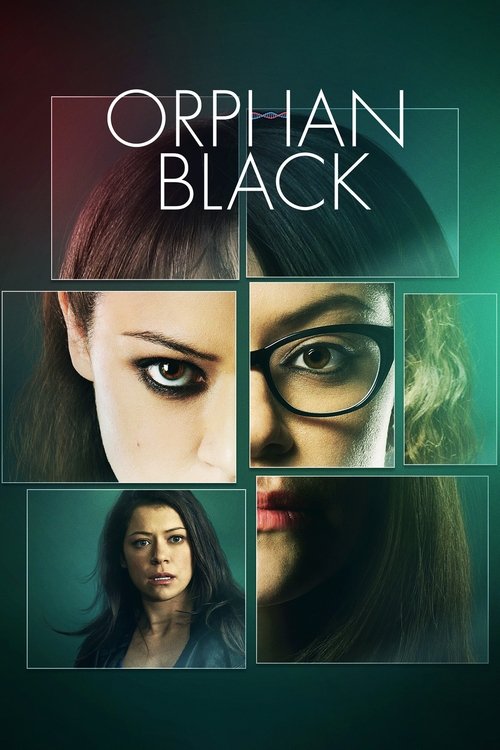
Series that blend intimate character work with genuinely weird world-building
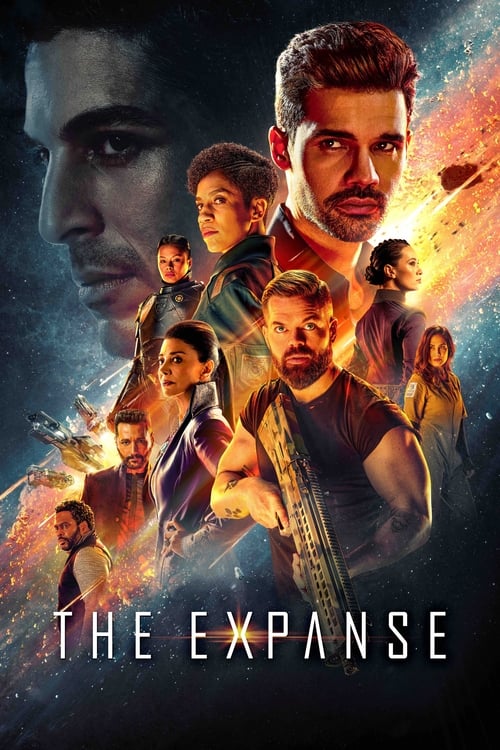
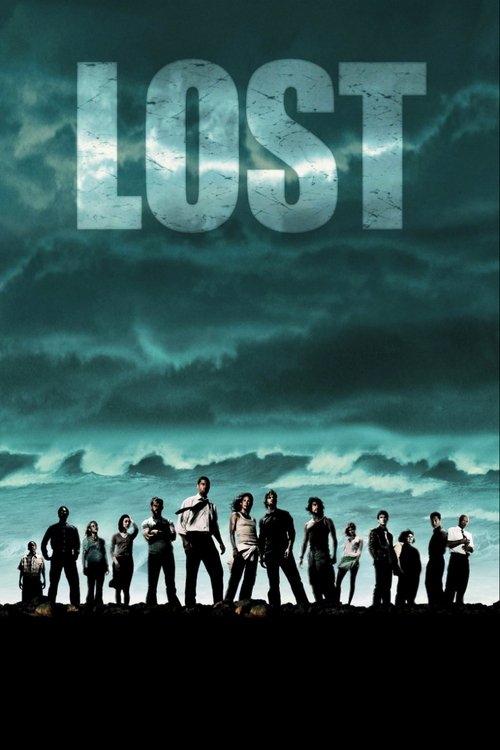
Fiona Staples is not illustrating a script, she is co-authoring a universe
In comics, the writer gets most of the critical credit. Saga corrects that. Staples designs every alien, every ship, every costume from scratch, and her choices shape the tone as much as Vaughan's dialogue. The lying cat, the robot royalty with television-screen heads, the spider-woman villain with her spider lower body: none of these exist in the script as fully realized images. Staples invented them. Reading Saga is a reminder that the best comics are a genuinely collaborative medium.
Games with the Same Emotional Architecture
Games that put family bonds and survival above spectacle
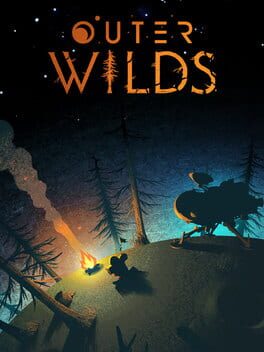
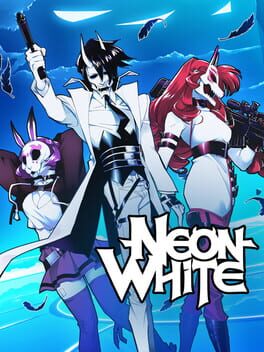
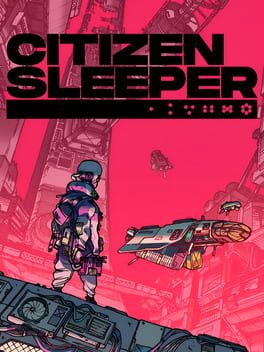
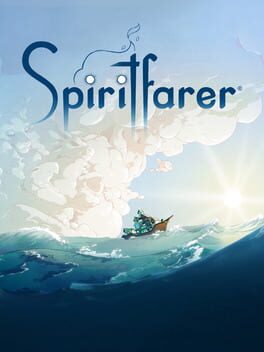
It is a refugee story wearing a space opera costume
Strip away the rocket ships and the magic horns and what Saga is describing is the experience of people who cross borders because staying means death, who are hunted by institutions that will not acknowledge their humanity, and who have to build a family in the margins of a world that has no room for them. Vaughan has said as much in interviews. The fantasy setting lets him make that emotional reality feel urgent to readers who might dismiss it in a realistic frame.
The Saga of Saga
- 2012Issue #1 launches at Image Comics, sells out immediately
- 2013Wins Hugo Award for Best Graphic Story for the first volume
- 2014Marko and Alana's story deepens across Vol. 3 and 4; the series wins Eisner, Harvey, and British Fantasy awards
- 2018BKV announces an extended hiatus after issue #54; the break lasts over two years
- 2022The series returns with issue #55, published by Image
- 2023Paper Girls, another BKV series, concludes its Amazon Prime TV adaptation Paper Girls
Space opera and Vaughan's other worlds
Space Opera
Explore the Space Opera guide →Every issue ends on a cliffhanger or a gut-punch. Sometimes both at once. That is not a trick. It is a commitment to never letting the reader feel safe, because the characters never do.CrossBinge