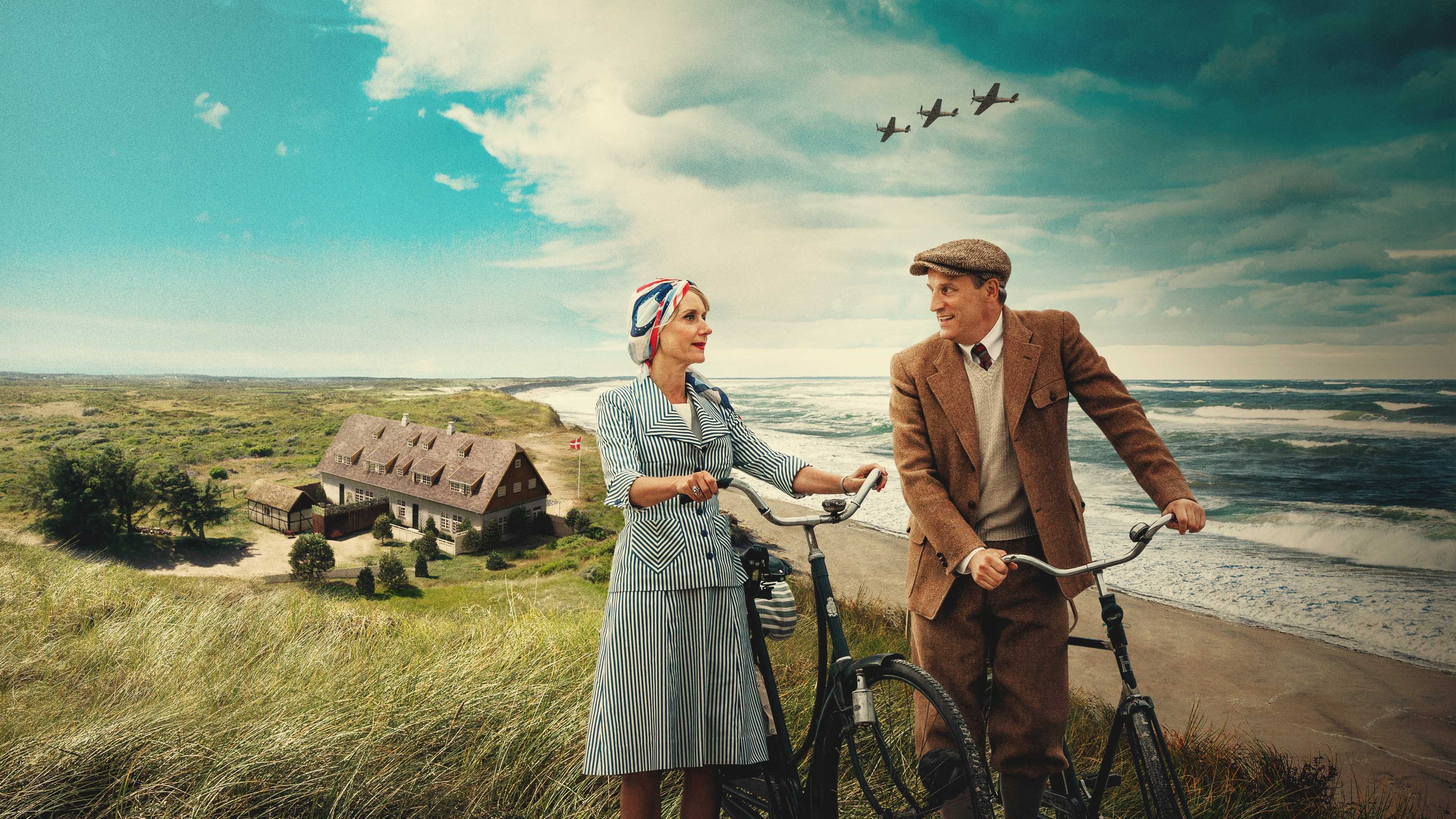

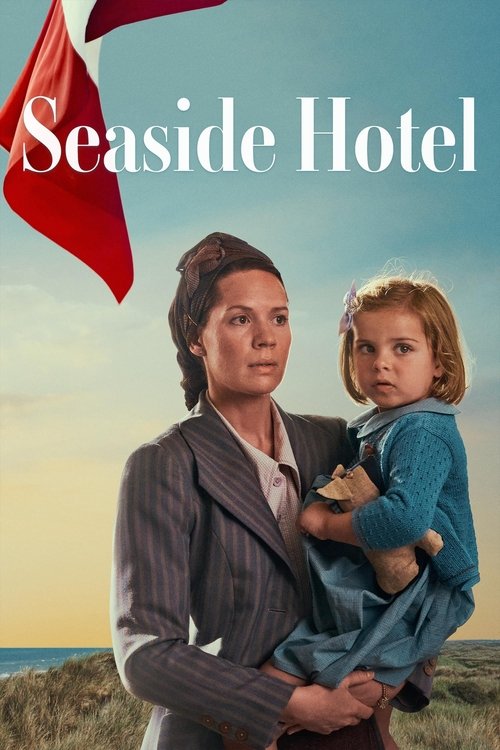
Badehotellet (Seaside Hotel) has been one of Danish public television's most-loved returning series since its debut in 2013, and the reason is simple: it is warm without being saccharine, funny without being broad, and period-set without being stuffy. Each season unfolds across a single Danish summer at a fictional 1920s-to-1930s coastal resort, watching the same ensemble of staff and regulars negotiate money, marriage, ambition, class, and desire against the sound of the sea. The show belongs to a very specific tradition of ensemble dramedies built around a shared physical space: everyone must eat breakfast together, everyone is marooned just far enough from ordinary life to say things they otherwise would not. What its fans tend to love is the layered texture of ordinary human difficulty held in a beautifully lit setting, the period detail worn lightly, and the sense that people are essentially good even when they are behaving badly. This guide follows that thread across every medium.
Essential Seaside Hotel
The series itself, season by season, plus the creative kinfolk closest to it on Danish TV.



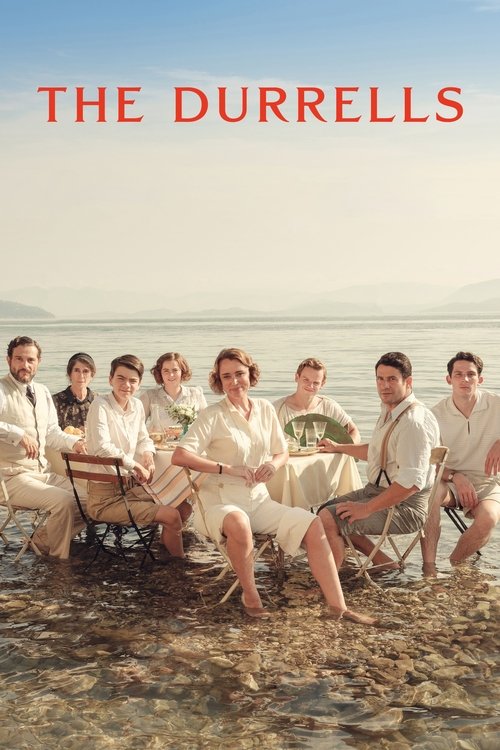
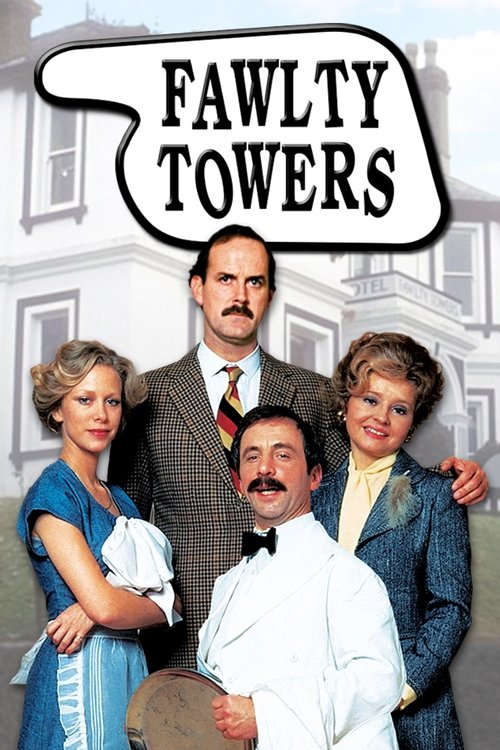
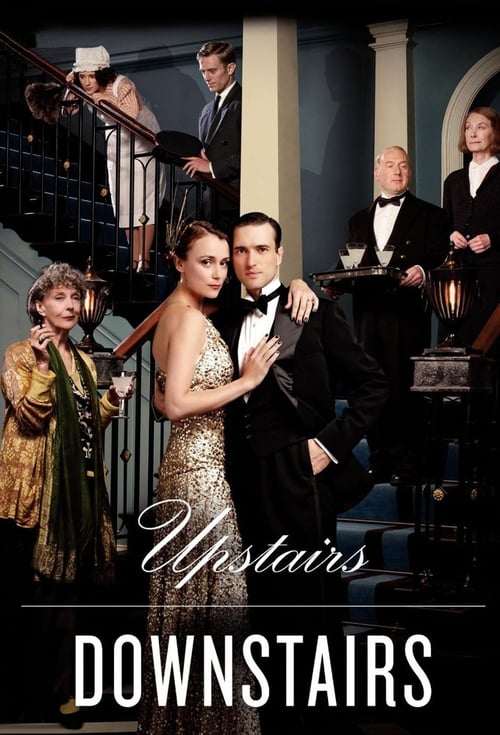
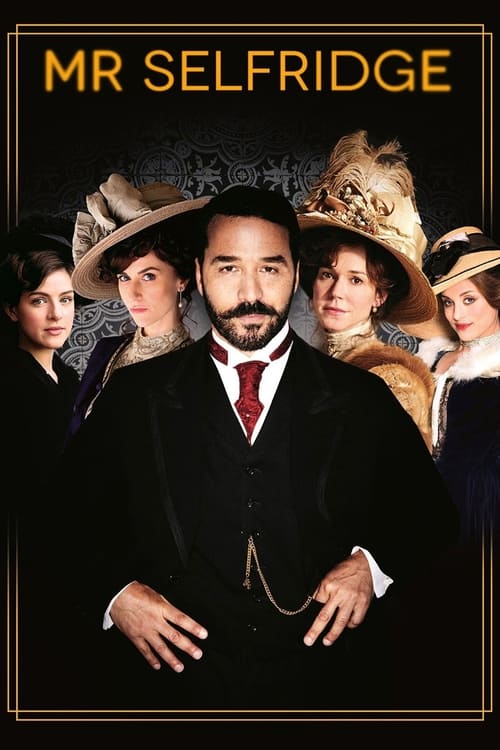
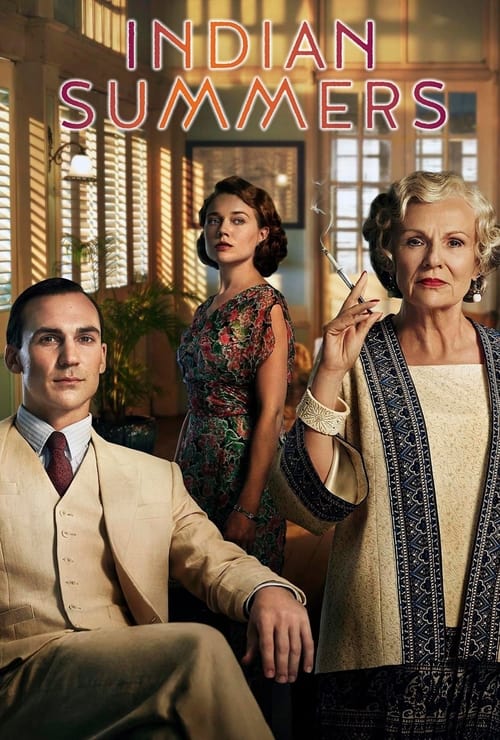
Ensemble Comedies of Class and Confinement
TV series that use a shared space, a fixed season, and a cast of mismatched people to the same effect.

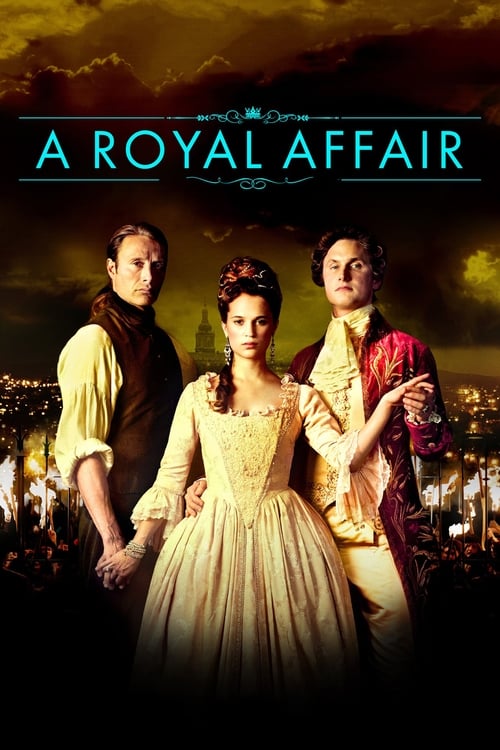
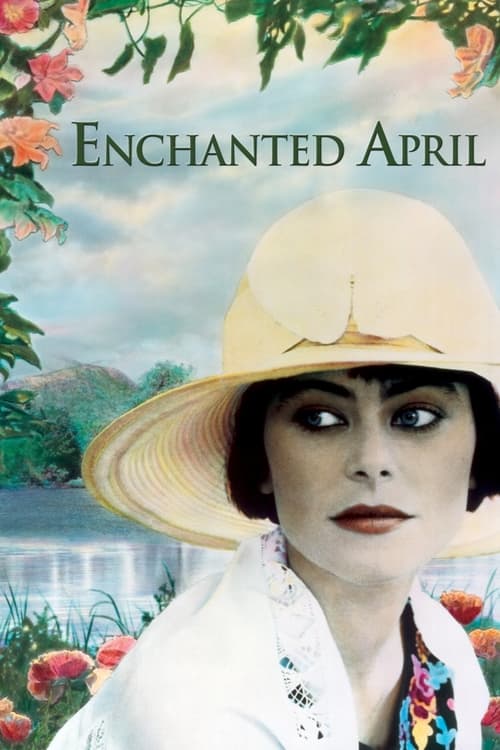
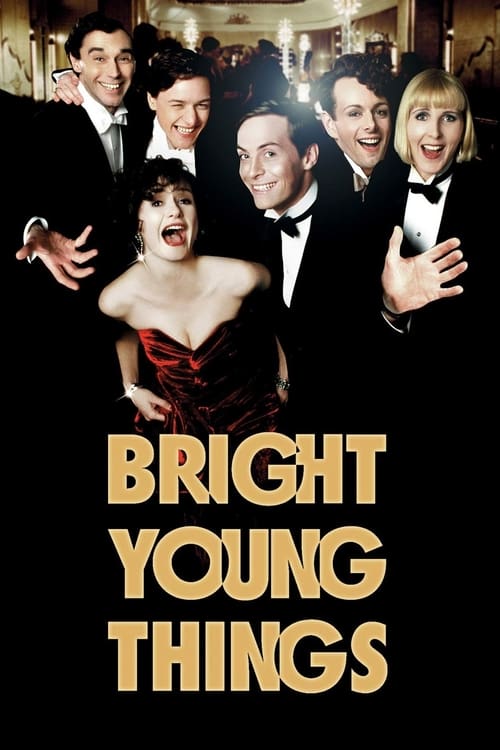
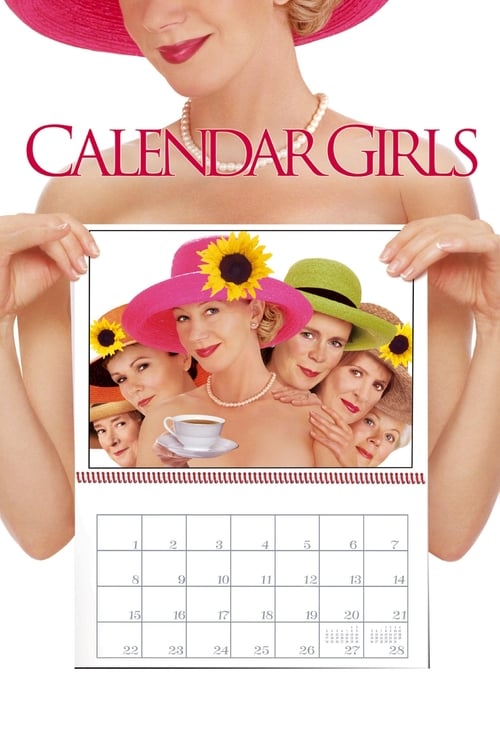
Period Films with the Same Coastal Light
Films that share the show's sun-bleached palette, interwar setting, and quiet human register.


Books That Conjure the Same Long Summer
Novels where a holiday place, a particular season, or a grand house holds people long enough for the truth to surface.


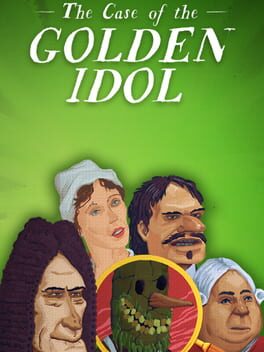
Games with Period Atmosphere and Human Drama
Games that reward patience, observation, and character over combat: the same values the show prizes.



The Hotel Is Not a Setting. It Is the Story.
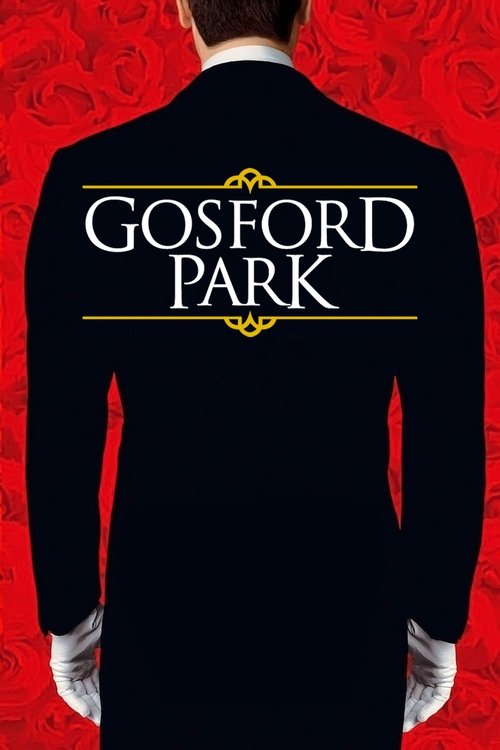
Most period dramas treat their location as backdrop. Badehotellet treats the hotel the way a stage director treats a set: as the logic that forces proximity between characters who would otherwise avoid each other. The dining room, the shared veranda, the thin walls are all structural constraints, not decoration. The same principle drives the best hotel and house-party fiction, from Gosford Park on film to Rebecca on the page: put people in a closed system with social pressure, then watch what the pressure reveals.
Scandinavian Television Earned Its Reputation Through Character, Not Just Crime.
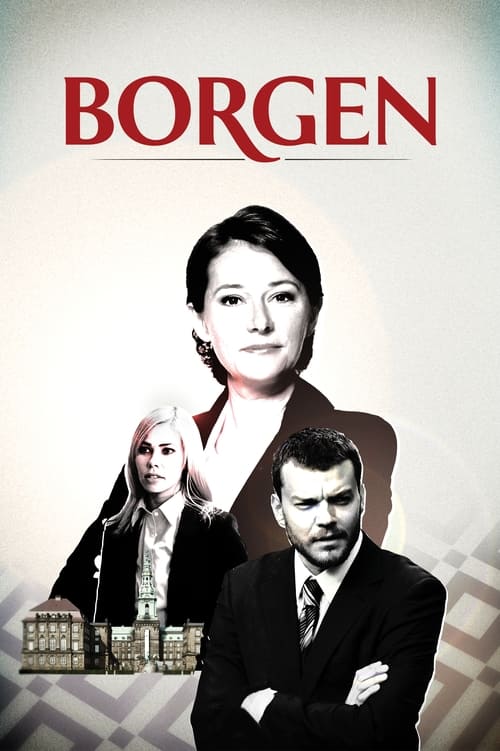
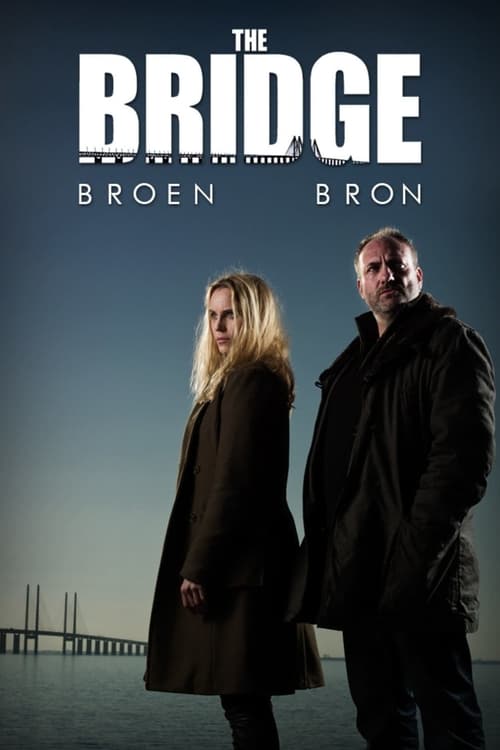
The global appetite for Nordic noir sometimes obscures what made Danish drama great in the first place: a commitment to complex, unsentimentalized characters who are nevertheless sympathetic. Badehotellet is the warm-weather proof of that same craft. It is not a thriller, but it takes its people as seriously as The Bridge takes its detective. Borgen belongs in the same conversation because it trusts viewers to track multiple people across multiple stories without a murder to hold the rope.
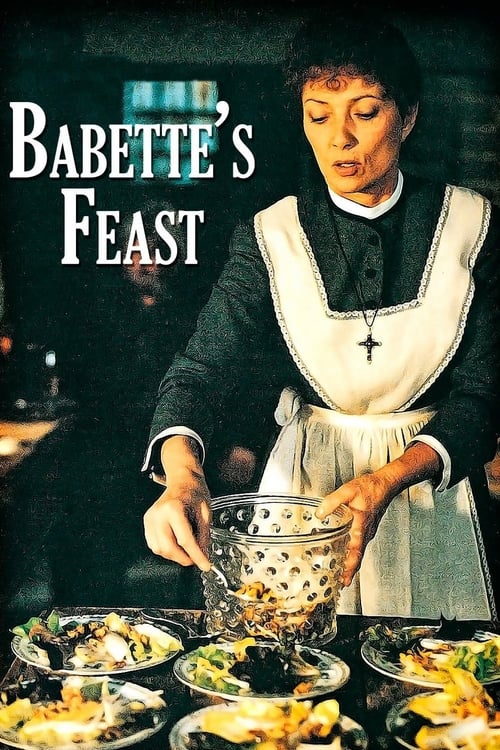
Babette's Feast Is the Film This Show Lives Next To.
Both are Danish, both are about the rituals of eating and gathering as acts of meaning, both resist melodrama while harboring real grief beneath the surface. Gabriel Axel's 1987 film is slower and sadder, but it shares with Badehotellet the conviction that a table set with care, in the right company, is one of the serious things in life. Anyone who loves one will find the other.
Return of the Obra Dinn Proves Games Can Do Period Atmosphere as Well as Any Drama.
Lucas Pope's 1800s maritime mystery shares almost nothing with a 1930s Danish hotel in plot terms, yet the experience of moving through it feels recognizably similar: you are piecing together the lives of people in a contained world, reading clothes and faces and social rank, letting the period do narrative work. Pentiment makes the same argument for the late medieval. Both prove that the slow, observational mood Badehotellet delivers on screen is genuinely achievable in interactive form.
A Century of the Seaside Ensemble: Key Moments in the Genre
- 1938Daphne du Maurier publishes Rebecca, fixing the English country house as a space of class anxiety and buried secrets.
- 1970L.P. Hartley's The Go-Between is adapted by Joseph Losey, cementing the long Edwardian summer as cinema's period of innocence before catastrophe. The Go-Between
- 1975Upstairs, Downstairs wins the Emmy for Outstanding Drama, establishing the below-stairs/above-stairs ensemble as a durable television format. Upstairs Downstairs
- 1987Babette's Feast wins the Academy Award for Best Foreign Language Film, placing Danish storytelling and its relationship to food, community, and restraint on the world stage. Babette's Feast
- 2001Robert Altman's Gosford Park resets the country-house ensemble for cinema: sharp, funny, and merciless about English class. Gosford Park
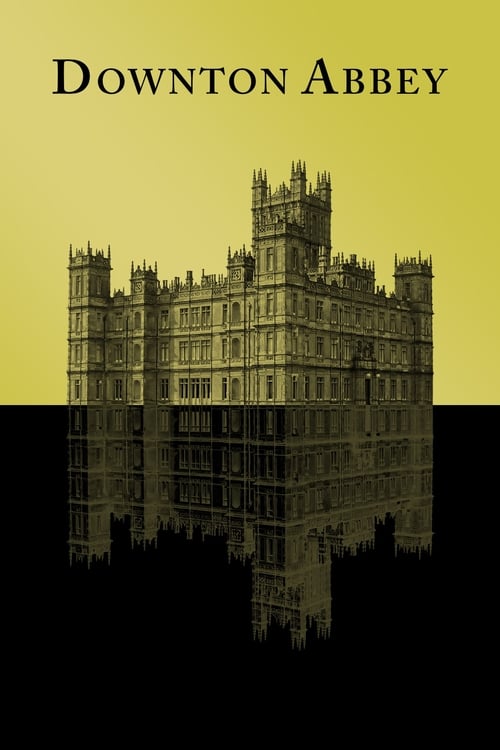
- 2010Downton Abbey premieres on ITV and turns the Edwardian country house into a global phenomenon for the second time. Downton Abbey
- 2013Badehotellet premieres on DR1, applying the same logic to a 1920s Danish coastal hotel and beginning a run that continues for over a decade. Seaside Hotel
- 2018Return of the Obra Dinn proves that period ensemble storytelling can work as a game, winning multiple Game of the Year awards. Return of the Obra Dinn
- 2022Pentiment continues the argument, using a 16th-century Bavarian monastery to show how historical confinement produces both comedy and tragedy. Pentiment
The great hotel story is never really about the hotel. It is about what happens when people cannot leave.CrossBinge editors