
Released in October 1973, Selling England by the Pound arrived as the apex of what Genesis had been building: a sound rooted in English pastoral folk, classical counterpoint, and a very specific strain of literary absurdism. Peter Gabriel sang in characters, wore costumes onstage, and wrote lyrics that quoted William Blake, conjured old men dancing in village squares, and sent lawnmower men through suburban nightmares. Steve Hackett's nylon-string guitar passages gave the music an aching quietness; Tony Banks's Mellotron and organ surges gave it cathedral scale. The album moves between tenderness and grandeur in the space of a bar, and that tension is what its fans keep chasing: music that is simultaneously intimate and immense, rooted in a very English literary imagination, and technically brilliant without ever letting technique crowd out feeling. If you love this record, you are chasing a particular quality of attention, a way of making art that takes time, takes craft, and takes the listener somewhere genuinely strange.
Essential Genesis
The albums that form the spine of the Peter Gabriel era and the transition beyond it
The Symphonic and the Pastoral: Essential Prog Albums
Records that share the literary ambition, textural richness, and epic architecture of the Genesis sound
Peter Gabriel's Solo Path
Where the storyteller went after Genesis: increasingly global in sound, still rooted in lyrical seriousness
Music Biopics and Band Films
Dramatic and documentary films about artists who operated at the intersection of ambition, craft, and reinvention
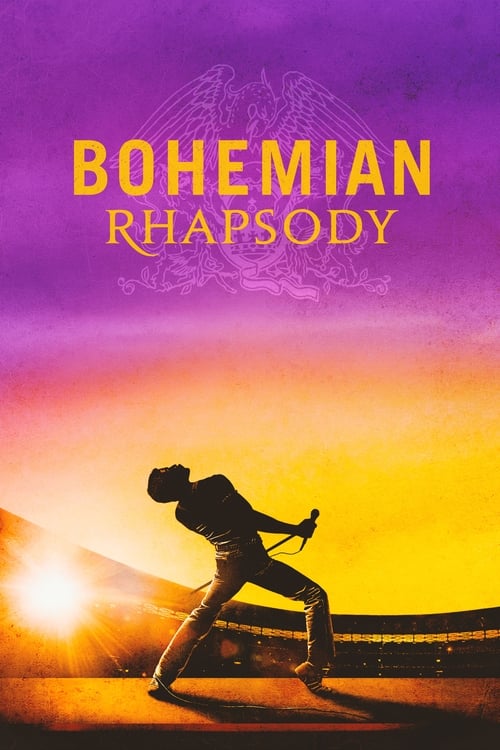
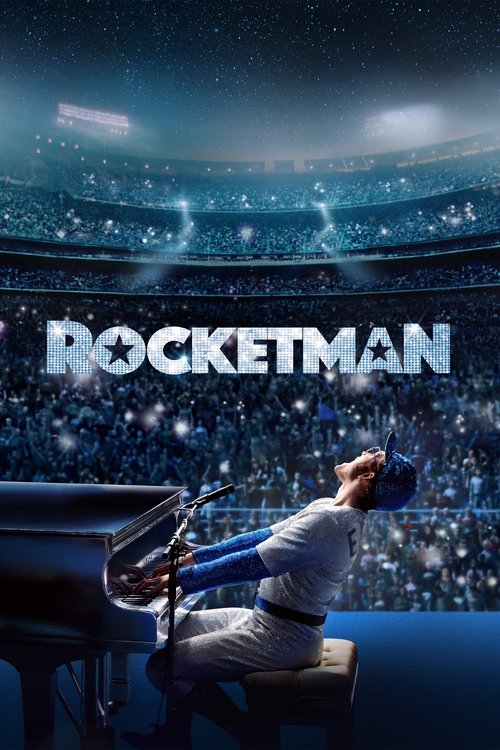
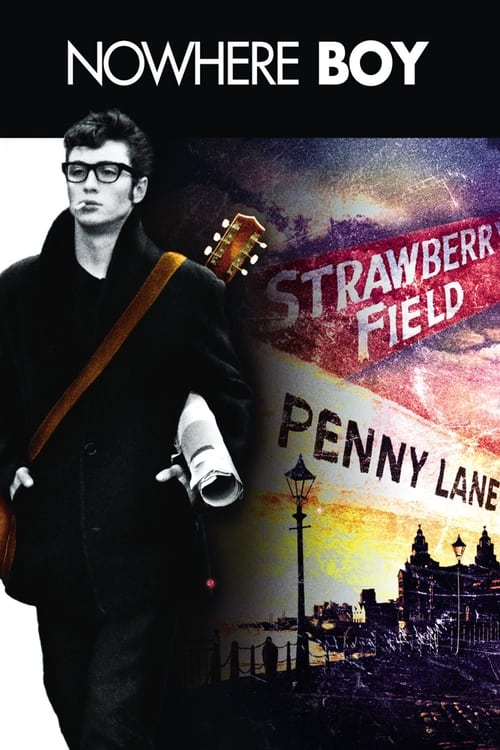
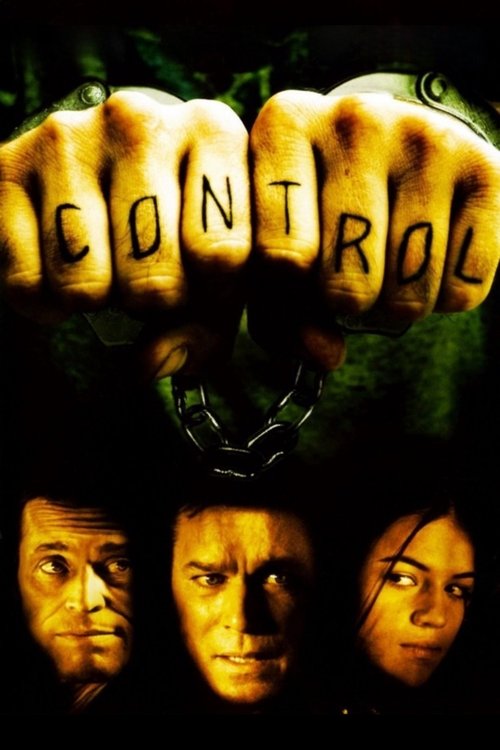
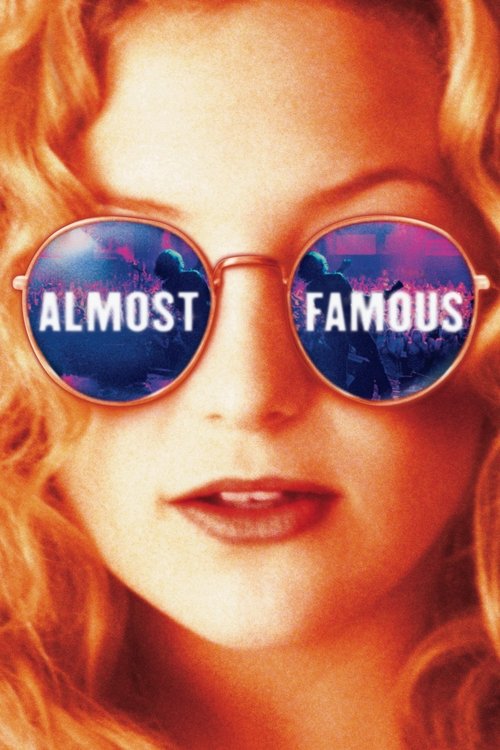


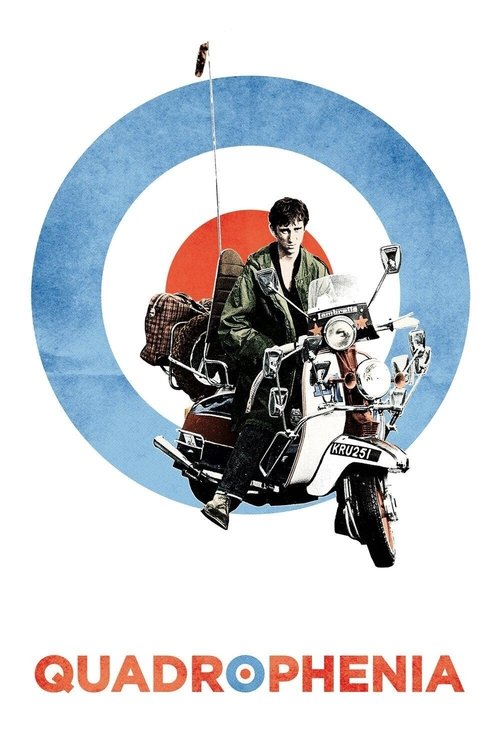
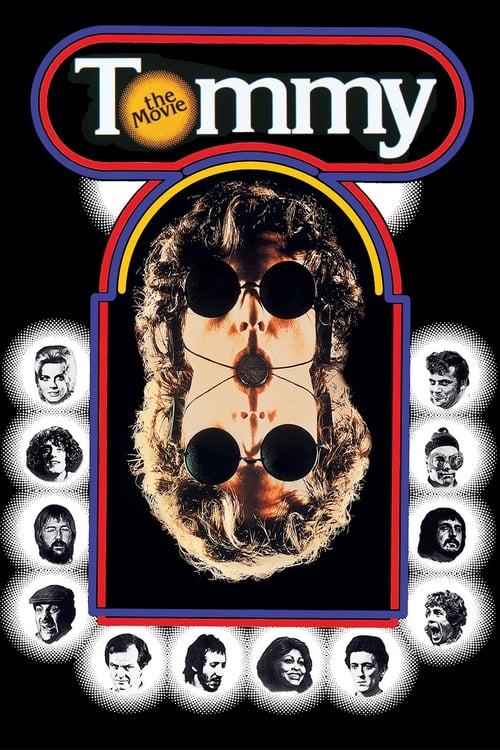
English Pastoral and Mythic Cinema
Films that carry the same dreamy, folk-inflected, slightly uncanny Englishness the album breathes

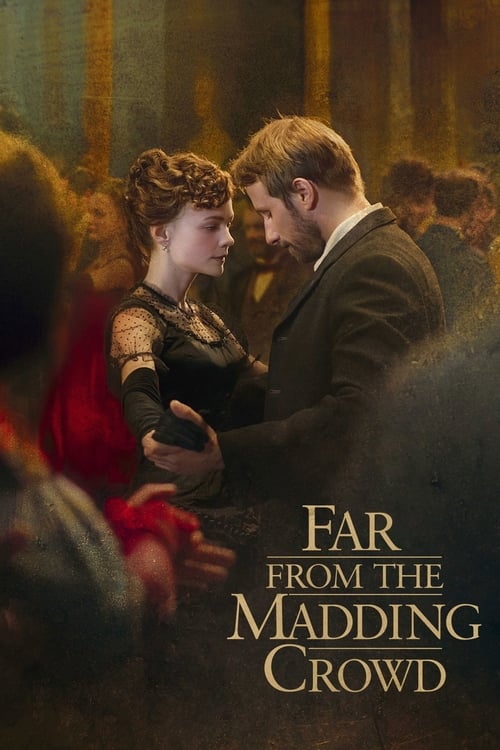
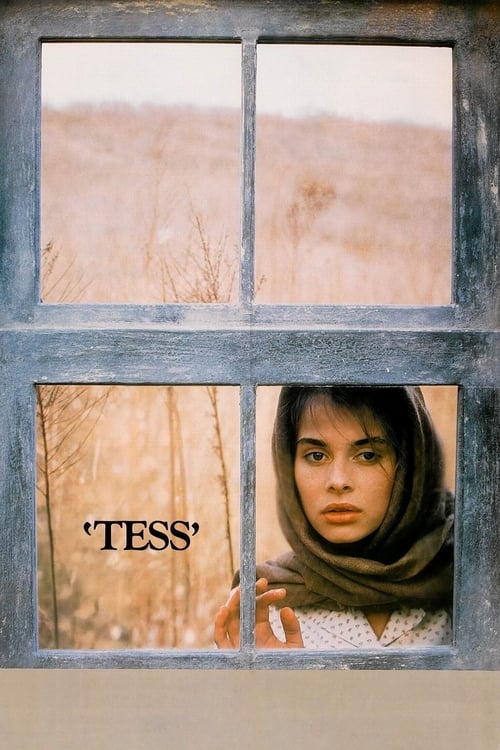
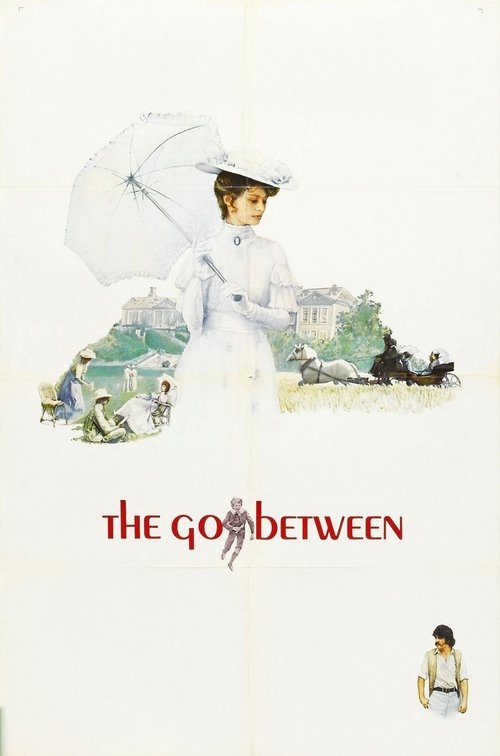
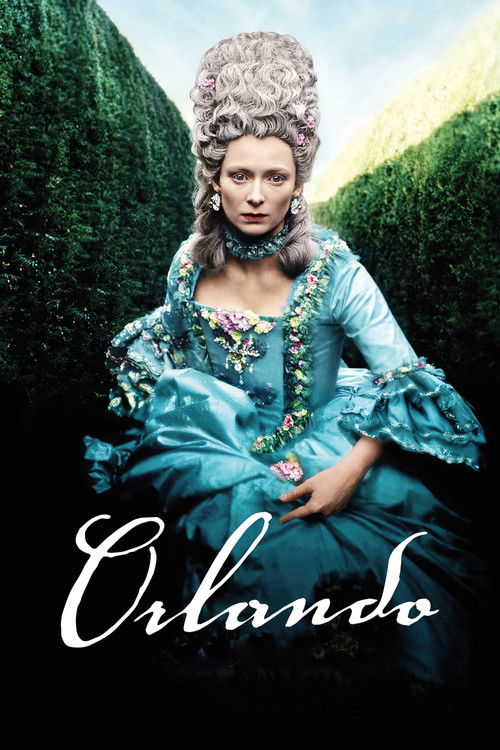
Novels for the Literarily-Minded Listener
Books that share the album's English wit, mythic layering, and sense of a country in ironised self-portrait


The Mellotron is the Sound of Longing
No synthesizer has ever captured collective human yearning quite the way the Mellotron does on Selling England by the Pound and its siblings. It is literally the sound of tape loops of real orchestral players, so there is always something slightly spectral about it, a ghost of a real string section haunting the machine. Banks used it to make enormous gestures feel melancholy rather than triumphant, which is exactly the emotional register progressive rock at its best inhabits. Every time a contemporary artist reaches for the Mellotron patch, they are reaching for that specific quality of longing.
Peter Gabriel Was Always a Theatre Director Who Happened to Have a Band
The elaborate costumes, the character-led narratives, the way songs on The Lamb Lies Down on Broadway function more like scenes than pop tracks: Gabriel was always thinking in theatrical rather than purely musical terms. This makes his eventual solo career as a soundtrack composer and his involvement in projects like OVO for the Millennium Dome feel entirely consistent. His instinct was always to subordinate the song to the story, which made him a strange fit for mainstream pop and an ideal collaborator for cinema.
Prog's Reputation Problem Was Always About Class, Not Complexity
The punk backlash against progressive rock was often framed as a war on technical excess, but a lot of it was a class war: the image of university-educated musicians in capes playing twenty-minute suites was an easy target. What got lost in the reaction was how much genuine emotional substance the best albums carried. Selling England by the Pound is not a cold exercise in technique; it is a record full of grief, longing, and a very specific English melancholy. The rehabilitation of the genre over the last two decades has allowed listeners to hear past the caricature.
Genesis and the Progressive Moment: A Timeline
- 1967Jonathan King signs a group of Charterhouse schoolboys; they record their debut as Genesis.
- 1969From Genesis to Revelation released; minimal commercial impact.
- 1970Trespass, the first record with the core sound beginning to solidify.
- 1971Nursery Cryme introduces Steve Hackett and Phil Collins. Nursery Cryme
- 1972Foxtrot and its side-long suite Supper's Ready establish the band as a major live act. Foxtrot
- 1973Selling England by the Pound released in October; the band's first UK chart success. Selling England by the Pound
- 1974The Lamb Lies Down on Broadway: a double album, Gabriel's final project with the band. The Lamb Lies Down on Broadway
- 1975Peter Gabriel departs after the Lamb tour. Collins steps to lead vocals.
- 1976A Trick of the Tail: the band's commercial breakthrough without Gabriel. A Trick of the Tail
- 1977Steve Hackett leaves; the classic lineup is finished. Wind & Wuthering
- 1980Gabriel releases his third solo album, the most politically engaged of the sequence.
- 1986So becomes Gabriel's mainstream breakthrough; Invisible Touch does the same for Genesis. So
- 2007The original five reunite for the Turn It On Again tour, the last with Gabriel.
We tried to write something that sounded English, not American. We wanted the countryside in it, the old England, the folklore.Steve Hackett on the making of Selling England by the Pound