
Ska began in Kingston, Jamaica in the late 1950s, fusing American R&B and jazz with Caribbean mento and calypso into something nobody had heard before: a choppy, syncopated guitar strum landing hard on beats two and four, a walking bass underneath, and horns riding on top. It gave birth to rocksteady, then reggae, then got picked up by British immigrants in the 1960s who carried it to London's dancehalls. A second wave of UK two-tone bands in the late 1970s (The Specials, Madness, The Selecter) married it to punk urgency and class politics. A third wave crested in American college towns and skate parks in the 1990s (Reel Big Fish, No Doubt, Save Ferris), turning it into one of the decade's most recognizable radio sounds. What a fan chases across every era is the same thing: that irresistible upstroke, the collective energy of a full horn section, and music that insists you move.
Essential Ska
The records that define the genre across three waves
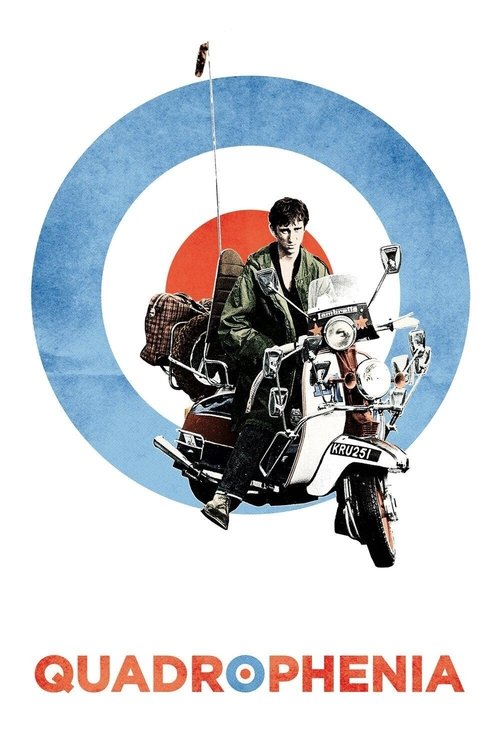
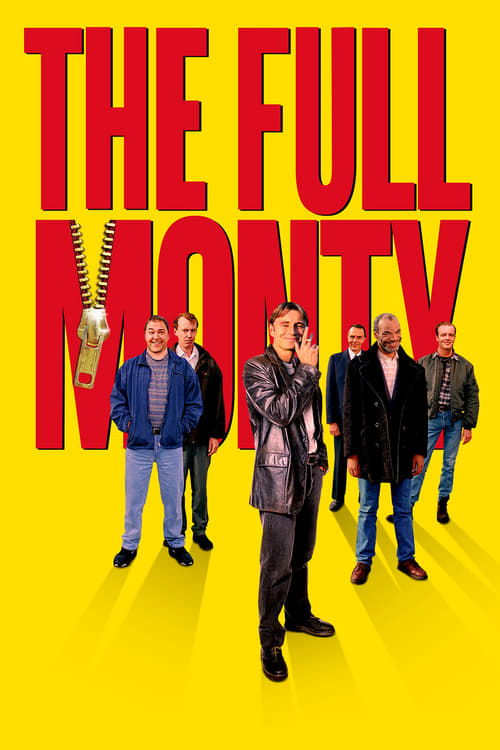
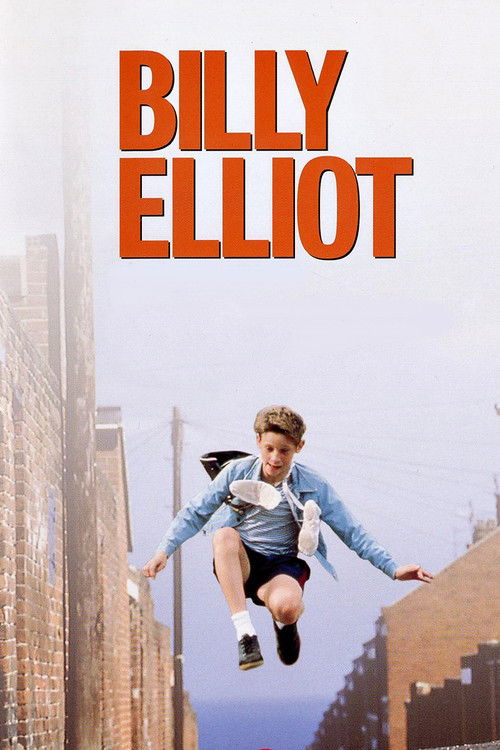
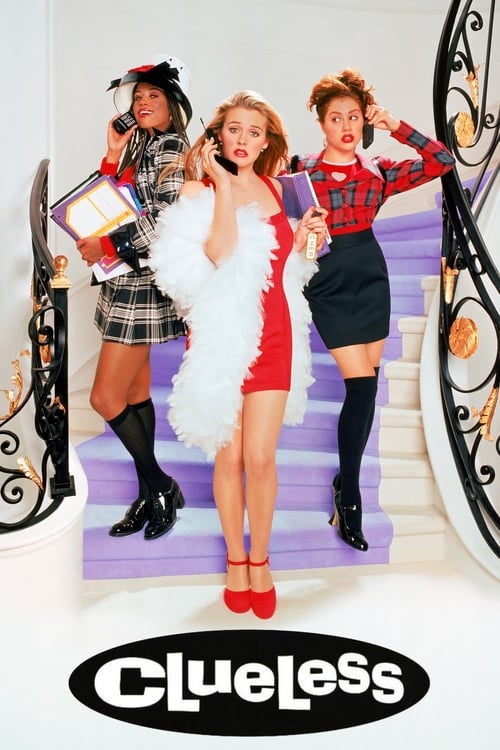
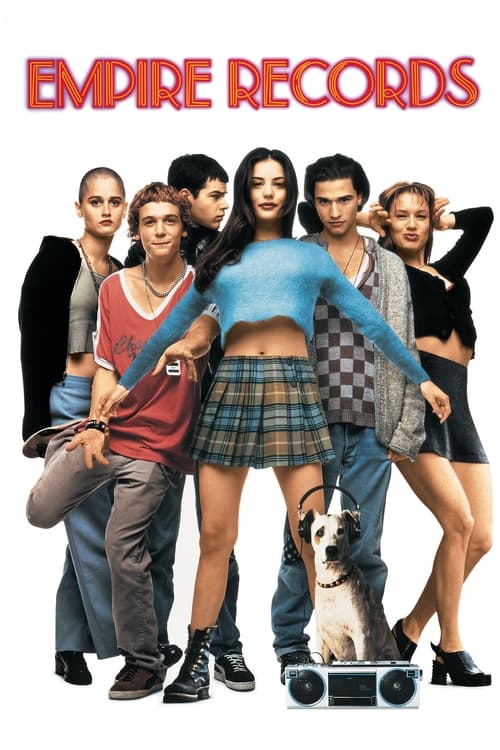
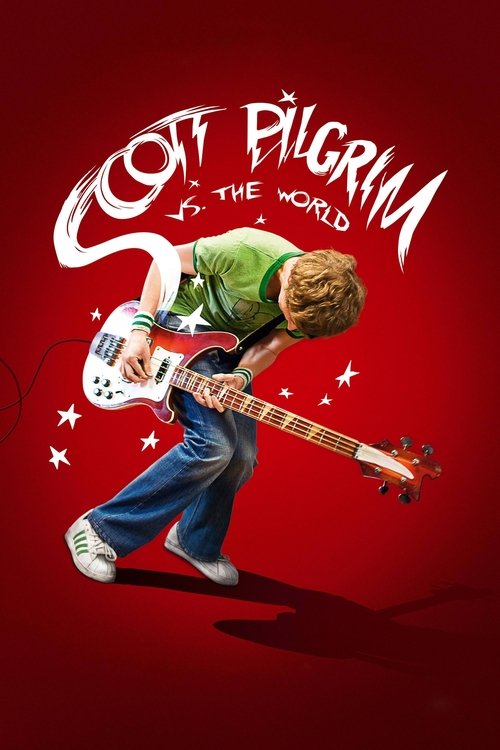
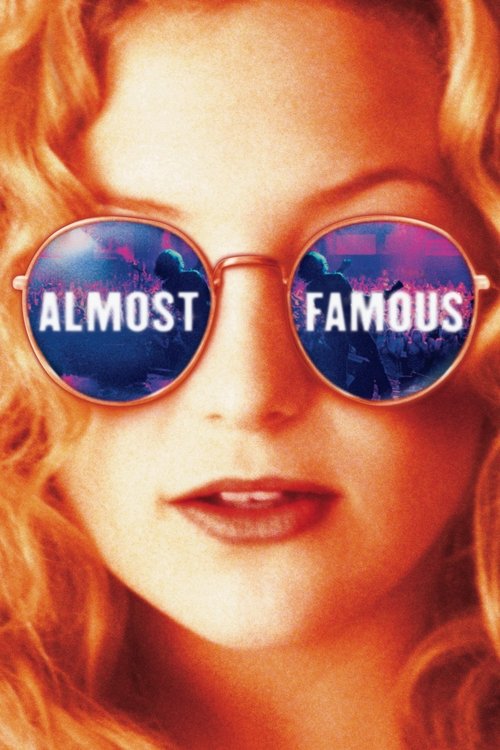
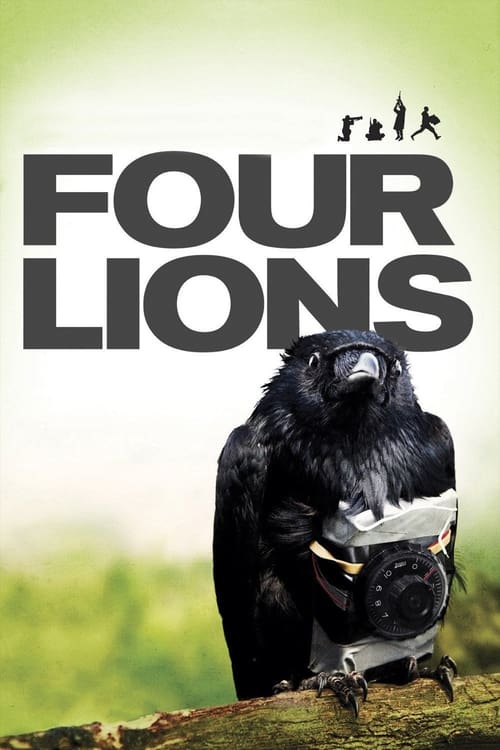
Films and Series with the Same Off-Beat Energy
The same restless, defiant, working-class spirit that runs through ska


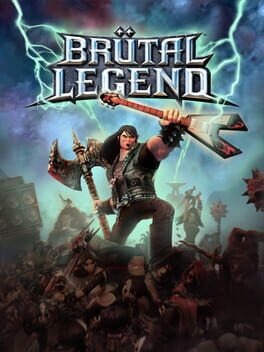
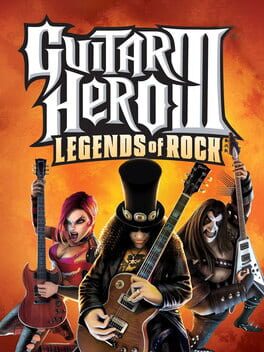
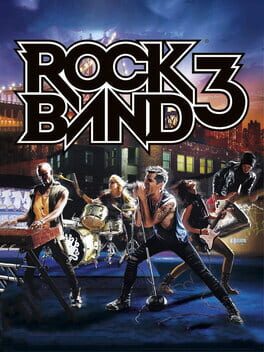
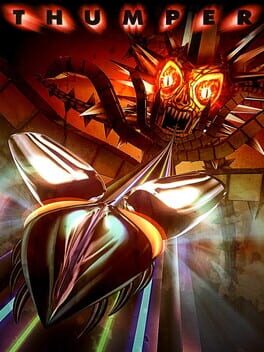
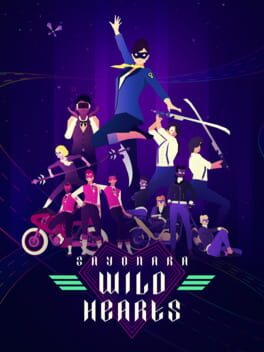
Music-Driven Games for Ska Fans
Rhythm, rebellion, and sonic overload in game form

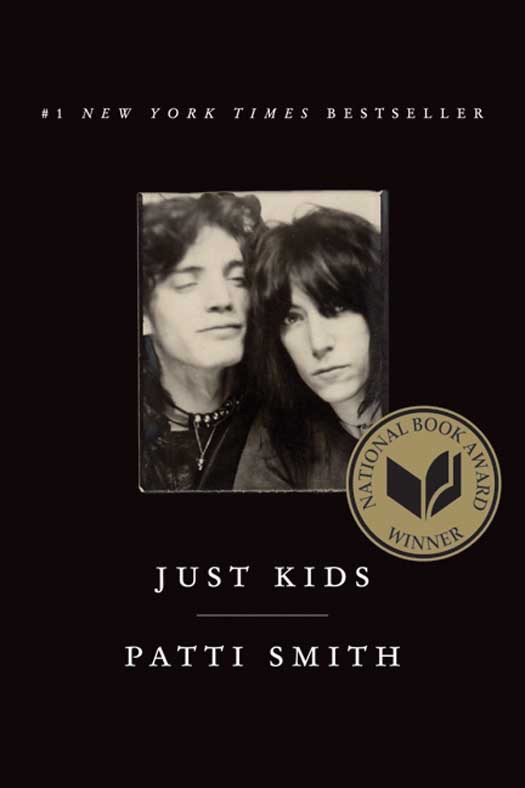
Novels for Fans of the Noise and the Scene
Books that capture youth subculture, music obsession, and collective identity



The Specials Wrote the Soundtrack to Thatcher's Britain
When 'Ghost Town' hit number one in the UK in July 1981, riots were burning in Brixton, Handsworth, and Toxteth. The Specials had been charting working-class frustration for two years, but that song landed at the exact moment the country cracked open. It is one of the most precise collisions of a record and a historical moment in pop history. The two-tone scene was never just about the music. It was a deliberate multiracial response to the National Front's rise, articulated in the black and white of the label's imagery, the mixed lineups of its bands, and the political directness of its lyrics.
Third Wave Ska Was Always Bigger Than Its Reputation
Critics spent the early 2000s burying third-wave ska as a nostalgic joke, but the records hold up. No Doubt's 'Tragic Kingdom' is a masterclass in pop songwriting that happens to use ska as its chassis. Reel Big Fish's 'Turn It Upside Down' is genuinely funny AND genuinely hard-hitting. Catch-22's 'Keasbey Nights' has a cult following for good reason. The wave burned fast, but it pulled hundreds of thousands of suburban teenagers into a genre that led them back to the Skatalites and forward into punk, reggae, and soul.
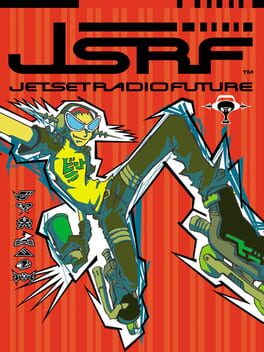
Jet Set Radio Understood Ska's Visual Grammar Before Most Designers Did
Sega's 2000 rollerblading game borrowed from the same visual vocabulary as two-tone and third-wave ska: loud primary colors, thick outlines, irreverence, speed, and a soundtrack that blended J-funk with hip-hop and something close to ska's own propulsive energy. It is the game that feels most like putting on a Reel Big Fish record and skating downhill. The connection is real: both are about youth reclaiming public space through noise and style.
Ska in Three Waves
- 1958First wave begins in Kingston, Jamaica. The Skatalites and Toots and the Maytals define the sound.
- 1964Ska reaches the UK via Jamaican immigrant communities. Prince Buster's records circulate in London dancehalls.
- 1977The Specials form in Coventry. Jerry Dammers founds the Two Tone record label.
- 1979Two Tone explodes: The Specials, Madness, The Beat, and Selecter all chart in the same year. Specials
- 1981'Ghost Town' reaches UK number one during the Brixton and Toxteth riots. Dance Craze is released.
- 1991Operation Ivy break up after one album, directly influencing the American third wave.
- 1995No Doubt release Tragic Kingdom. Reel Big Fish, Goldfinger, and Save Ferris build the US third wave. Tragic Kingdom
- 1998Third wave peaks commercially then fades. Catch-22's Keasbey Nights becomes a cult record.
- 2009The Specials reform for their 30th anniversary tour, selling out arenas across the UK.
- 2019The Specials release Encore, their first album of original material in 37 years. Encore
Off-Beat Brass and Loud Joy
Music & Musicians
Explore the Music & Musicians guide →The off-beat is not a mistake. It is where the whole genre lives.Jerry Dammers, The Specials