
Released in 1967, Songs of Leonard Cohen arrived as a document of almost unbearable emotional precision: a Montreal poet who had abandoned the page for the guitar, singing about Suzanne and Marianne and the sisters of mercy with a voice that sounded like it had been weathering storms for decades. The album introduced a sensibility that would define Cohen for the next fifty years: literary imagery borrowed from religion and eroticism, sparse acoustic arrangements that gave every syllable room to breathe, and a resignation that felt, somehow, like grace. Fans of this record tend to chase a particular quality across all media: the beautiful ruin, the longing that outlasts its object, the conviction that heartbreak and holiness occupy the same room.
Essential Leonard Cohen
The albums that trace his arc from folk poet to septuagenarian oracle
Kindred Voices: Music of Similar Weight
Albums that share Cohen's literate melancholy, sparse beauty, and moral seriousness
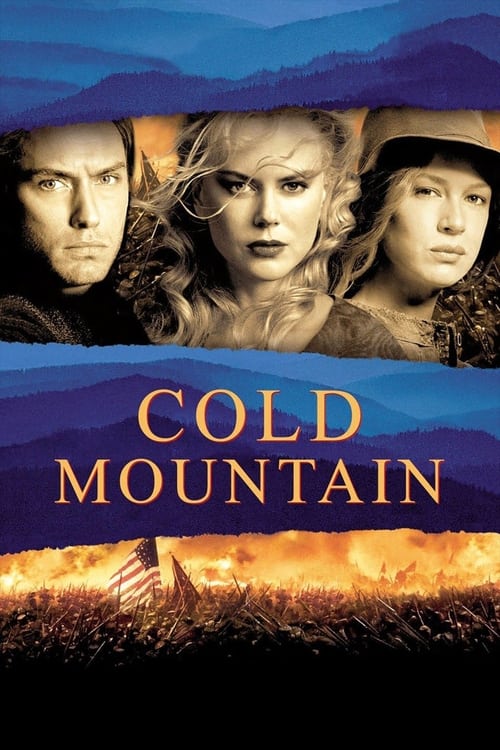
Cinema of Longing: Films That Share the Frequency
Movies carrying the same low light, spiritual restlessness, and aching romanticism
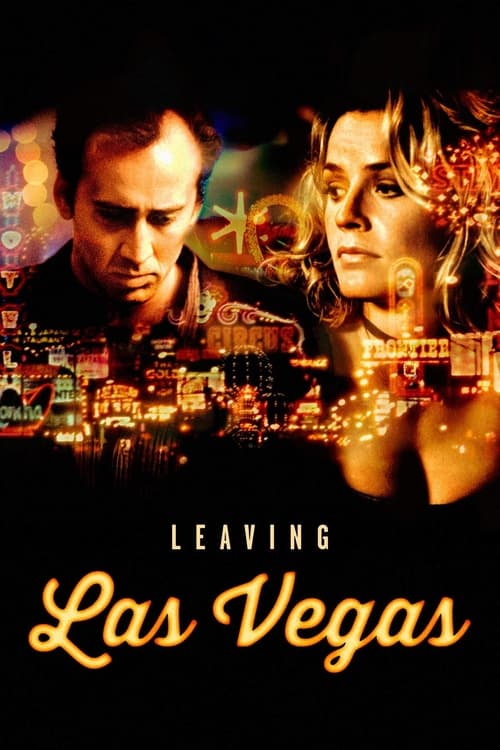
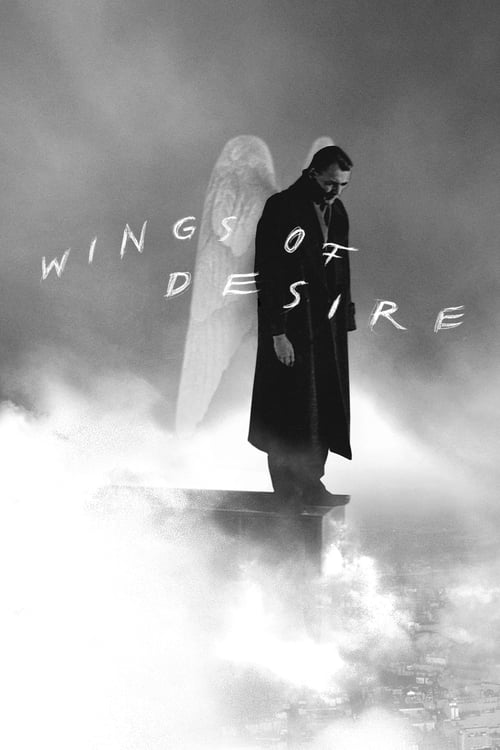
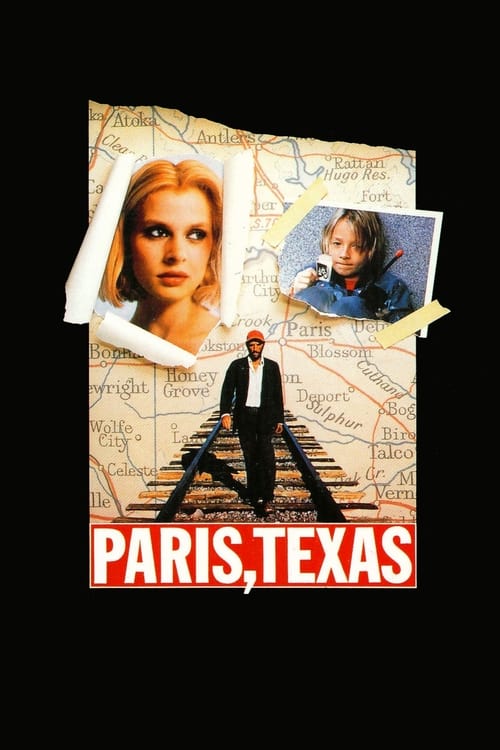
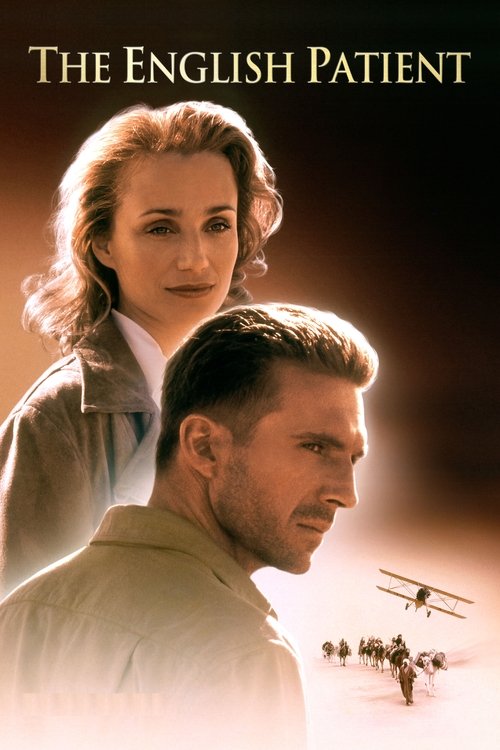

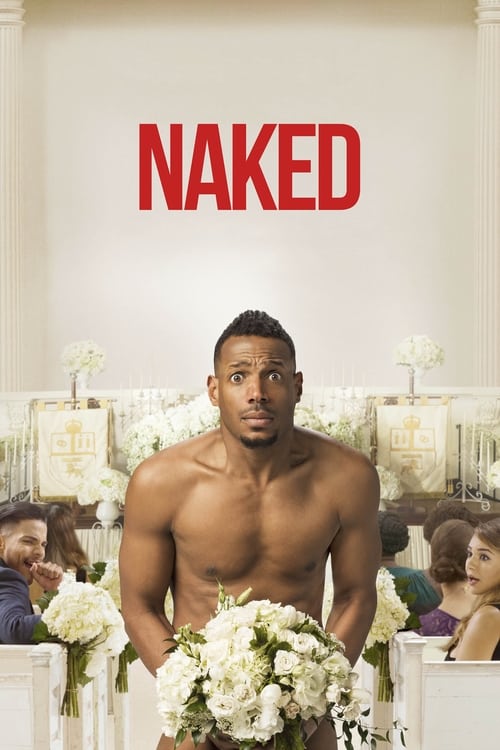
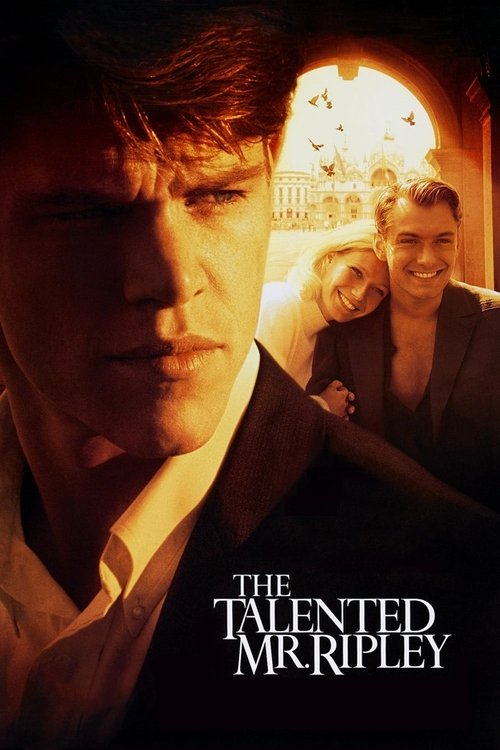
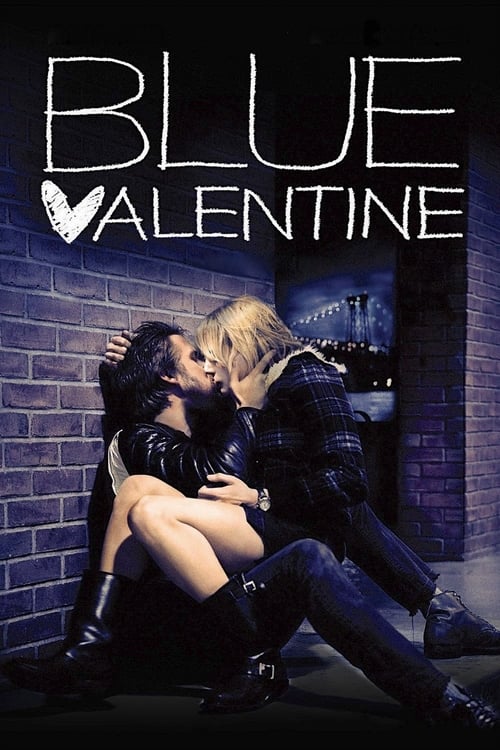
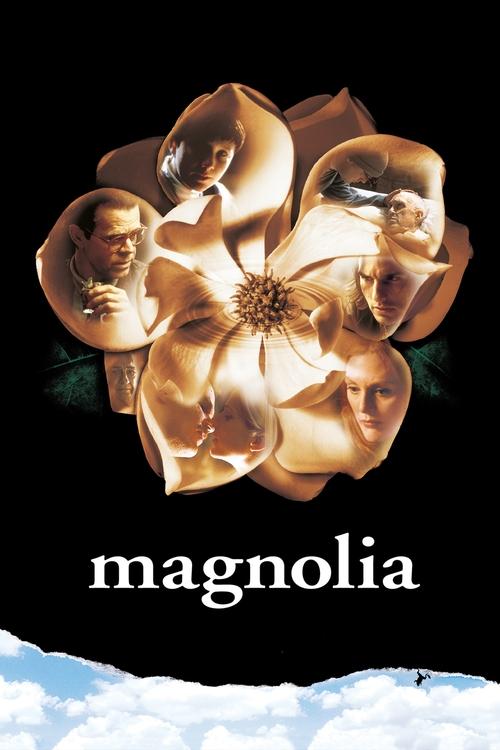
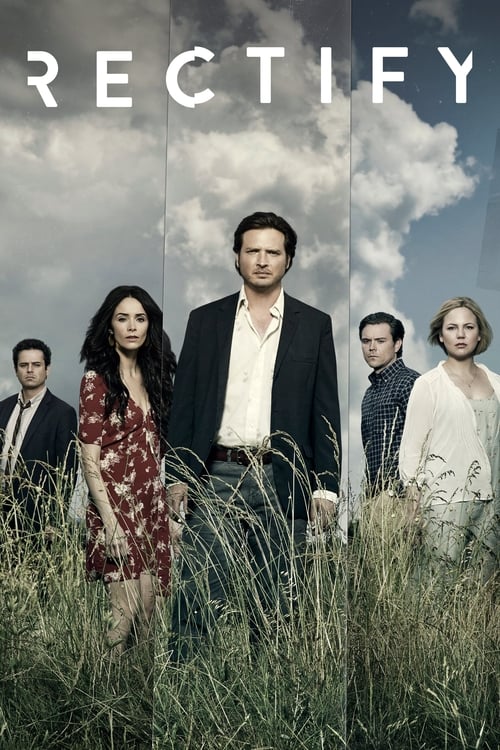
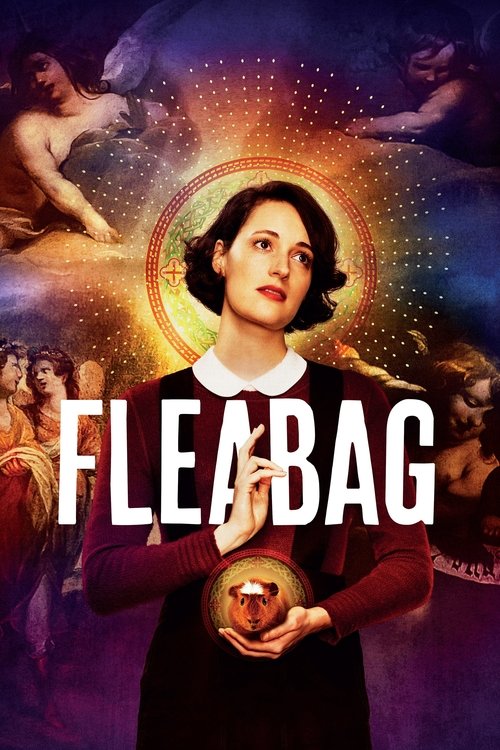
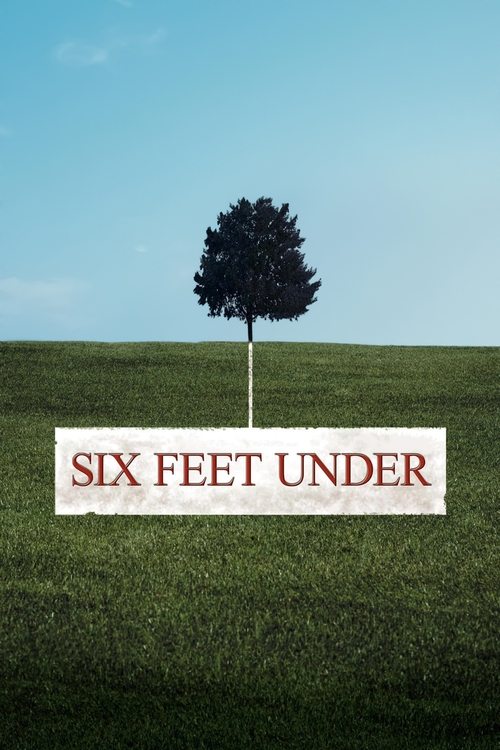
Television at the Same Depth
Series that trust the audience to sit with moral ambiguity and unresolved longing


Books for the Same Restless Soul
Novels and poetry collections that live in the space between devotion and disillusionment


Nick Drake is the closest thing to a British Cohen
Both were unusually educated, unusually serious young men who arrived at folk music from a literary direction and found the form could hold more weight than anyone expected. Drake's three studio albums share Cohen's tonal palette: fingerpicked acoustic guitar, orchestral arrangements that never overpower the lyric, and a mood that sits on the border between serenity and crisis. Drake never lived to develop further, which gives the comparison an asymmetry; Cohen's long career showed what staying power looked like. But for the specific feel of the 1967 debut, Pink Moon and Bryter Layter are the nearest British equivalents.
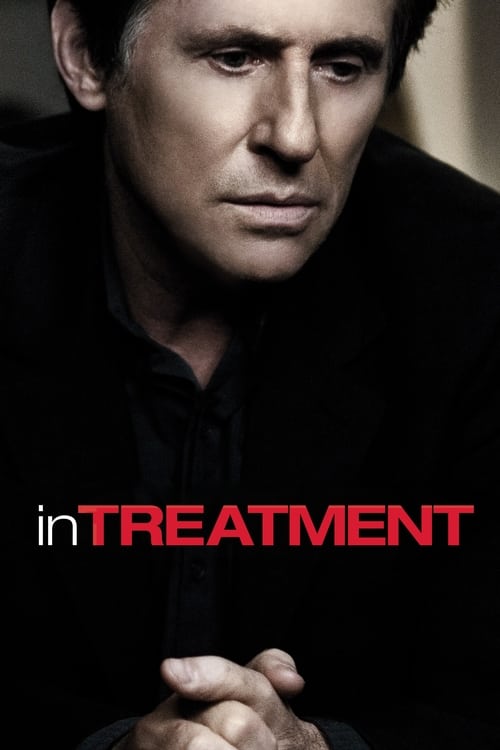
The Leftovers is the best television series about grief as spiritual crisis
Cohen's work is not really about loss in the ordinary sense; it is about what loss reveals, the theological vertigo that opens up when ordinary life no longer holds. The Leftovers operates in exactly this space, staging a world where a percentage of the population has simply vanished and the survivors must find language for what has happened. It uses music with rare intentionality and takes seriously the idea that suffering is not a problem to be solved but a condition to be inhabited. Fans of Cohen's more devotional mode will find the series genuinely kindred.
Leonard Cohen: A Life in Landmarks
- 1956Cohen publishes his first poetry collection in Montreal
- 1963His debut novel arrives, a semi-autobiographical bildungsroman set in Montreal
- 1966He moves to New York and begins performing folk music at Judy Collins's encouragement
- 1967Debut album released, age 32, already older than most first-wave folk artists Songs of Leonard Cohen
- 1971His bleakest and most celebrated record, recorded after a breakdown Songs of Love and Hate
- 1974A literary and erotic leap forward, produced by John Lissauer New Skin for the Old Ceremony
- 1984A career reset: synth pop and the song that would later define his legacy Various Positions
- 1988Full reinvention with drum machines and dark humor
- 1993Apocalyptic politics and his most confrontational set of songs The Future
- 1994Enters a Zen monastery on Mount Baldy, California, for five years
- 2008Returns to touring after discovering his savings had been stolen; the concerts are revelatory Live in London
- 2016Final album, released three weeks before his death at 82 You Want It Darker
I need you, I don't need you. And all of that is true.Leonard Cohen, 'True Love Leaves No Traces'