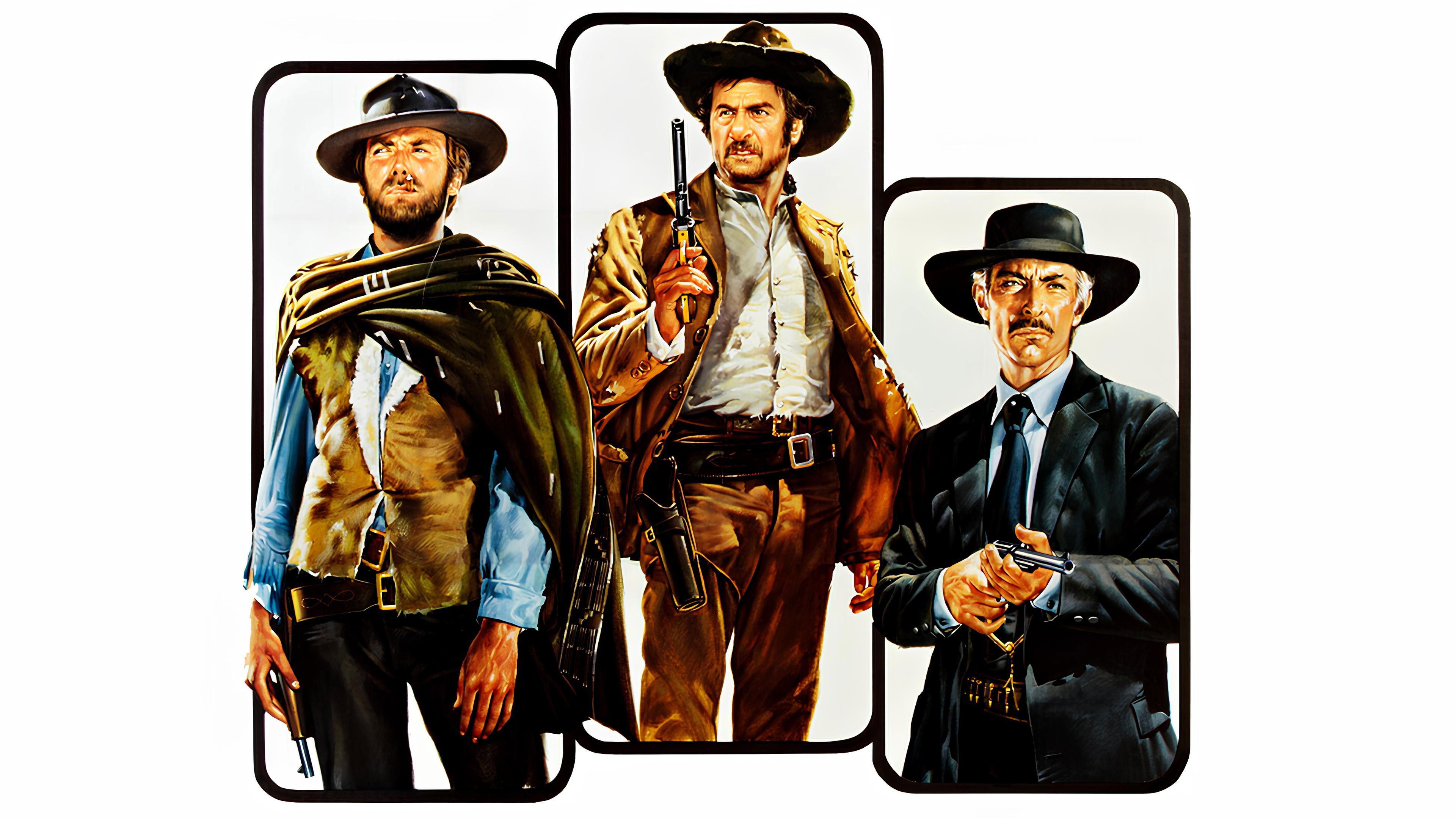

You know the feeling: a man with no name squints across a sun-scorched plaza, the silence stretching until it becomes unbearable, the score rising to fill every inch of it. Spaghetti westerns, the Italian-produced genre that peaked from the mid-1960s through the 1970s, rewired what a western could be. Directors like Sergio Leone and Sergio Corbucci stripped away the moralizing heroism of Hollywood oaters and left something rawer: cynical, operatic, and wickedly stylish. The through-line fans chase is a specific tonal cocktail: extreme visual contrast, antiheroes whose motivations are mercenary rather than noble, violence framed as ritual, and music that comments on the action rather than merely underscoring it. Once that cocktail gets into your blood, you find yourself hunting it across every medium.
Essential Spaghetti Westerns
The films that defined the genre and still set the standard


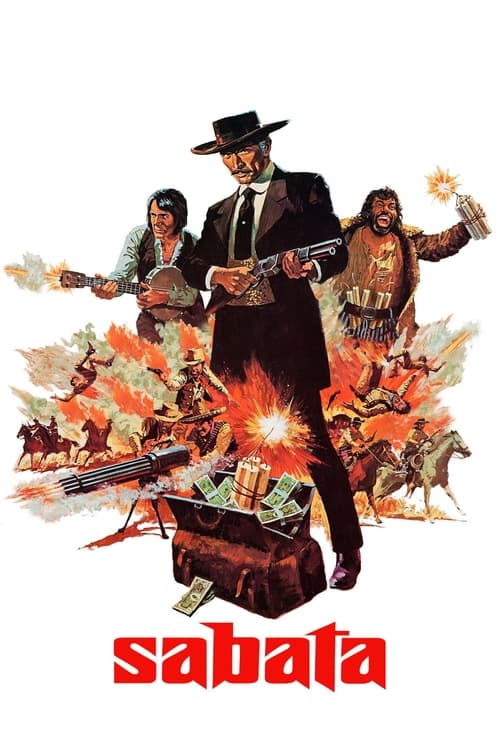
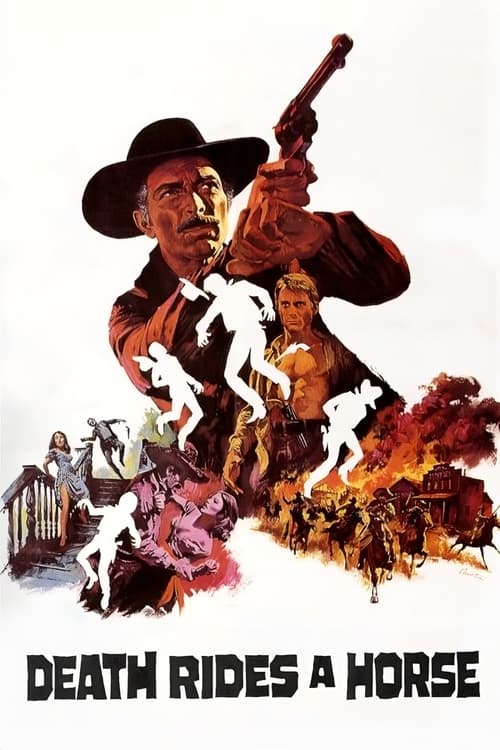

Same Desert, Different Decade
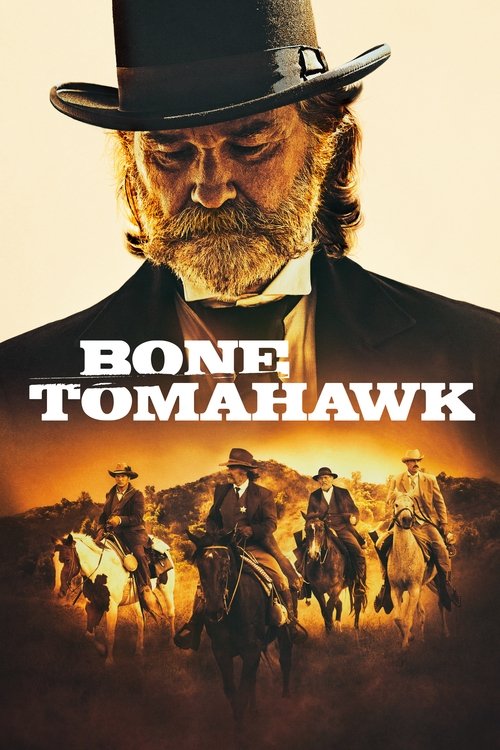
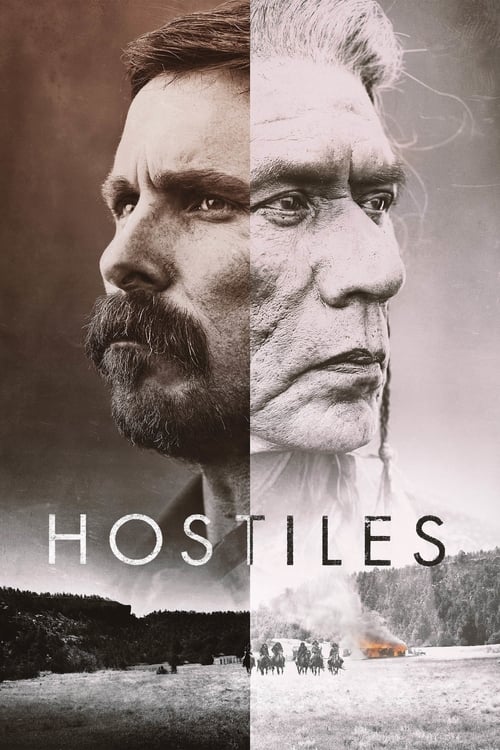
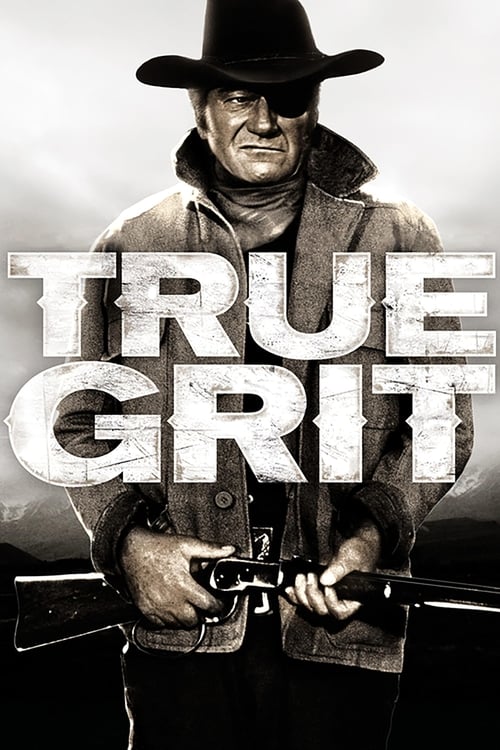
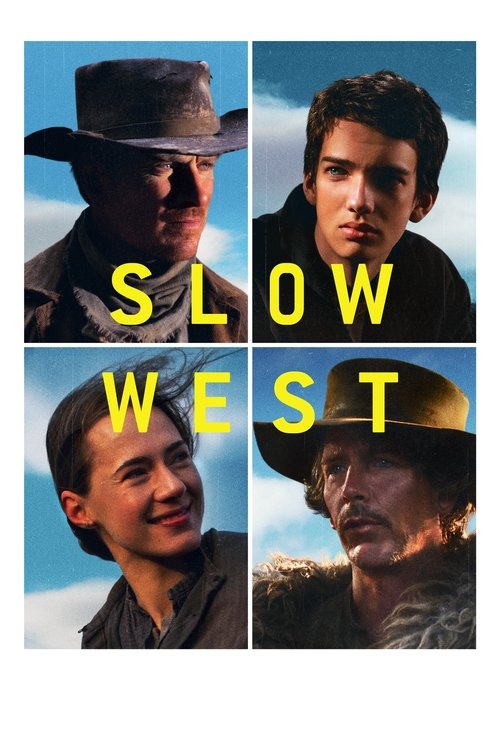
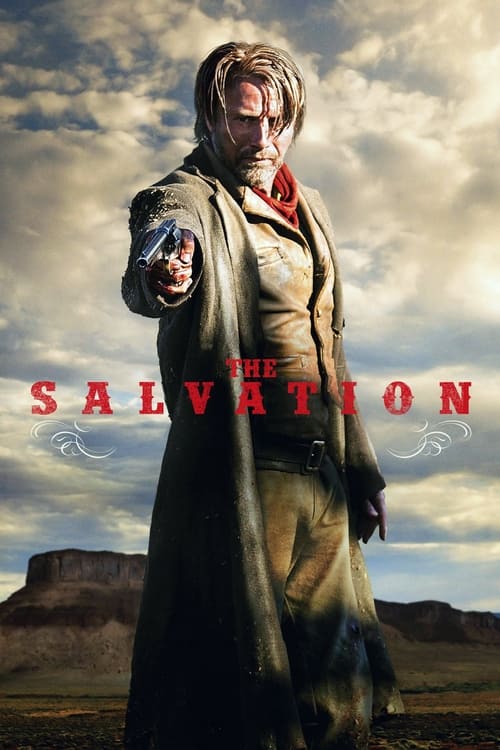
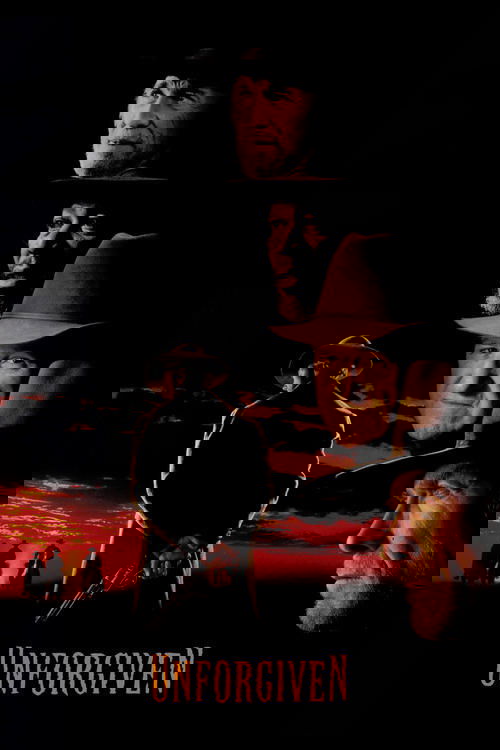
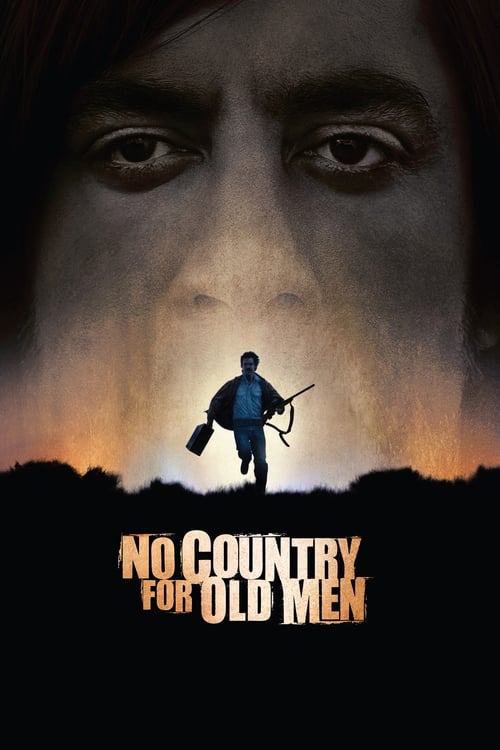
Modern films and revisionist westerns that carry the flame
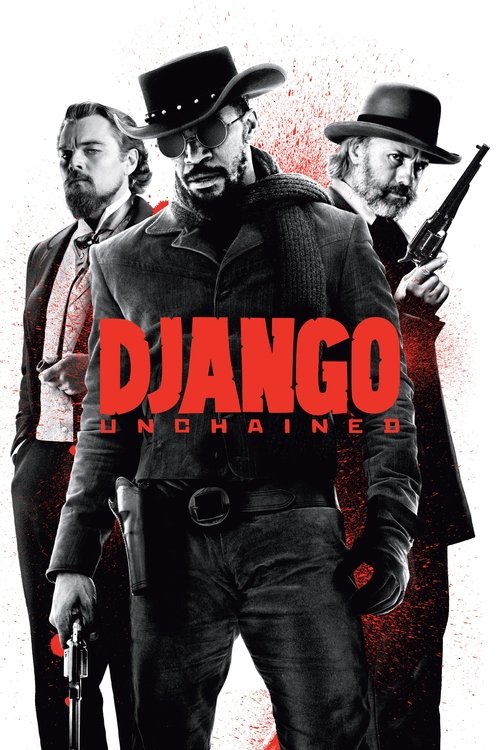
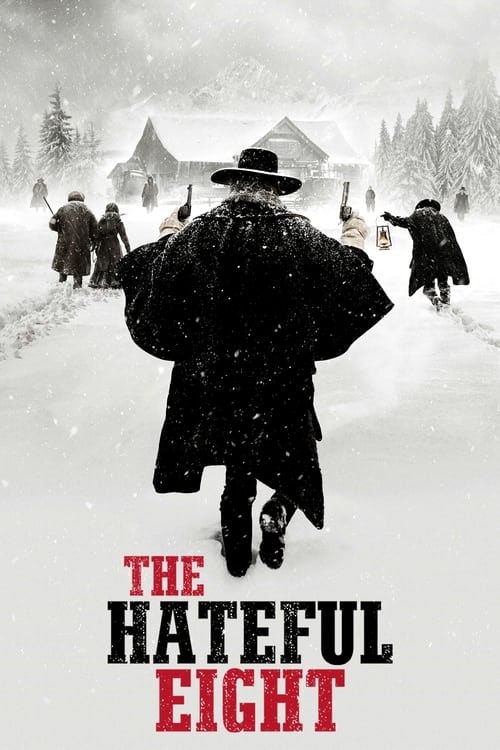

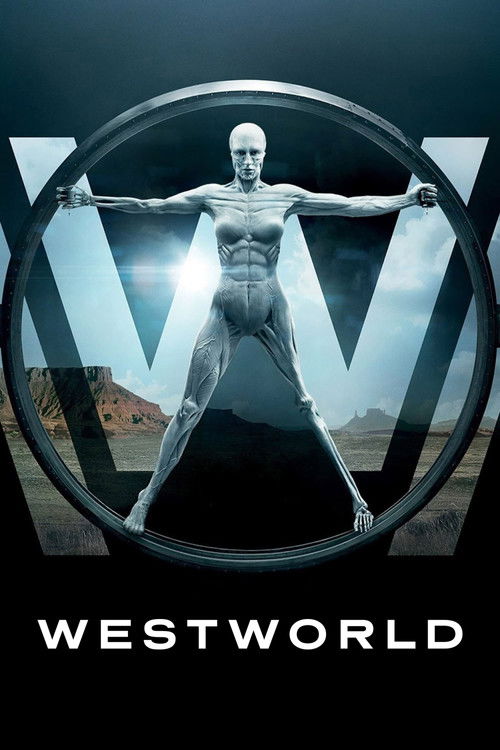
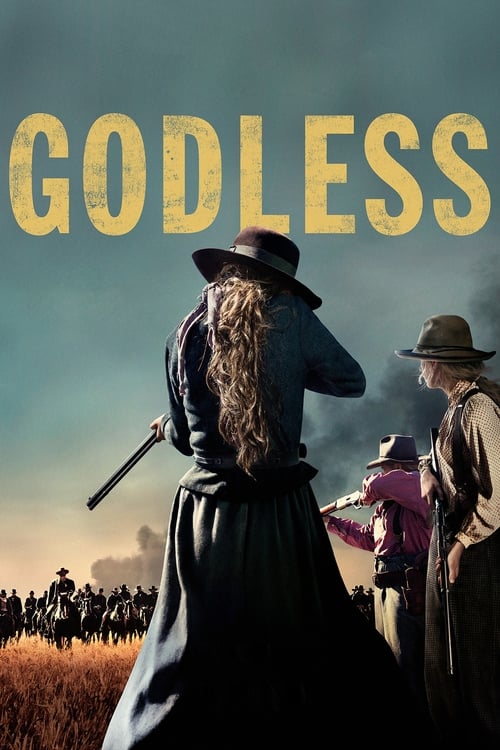
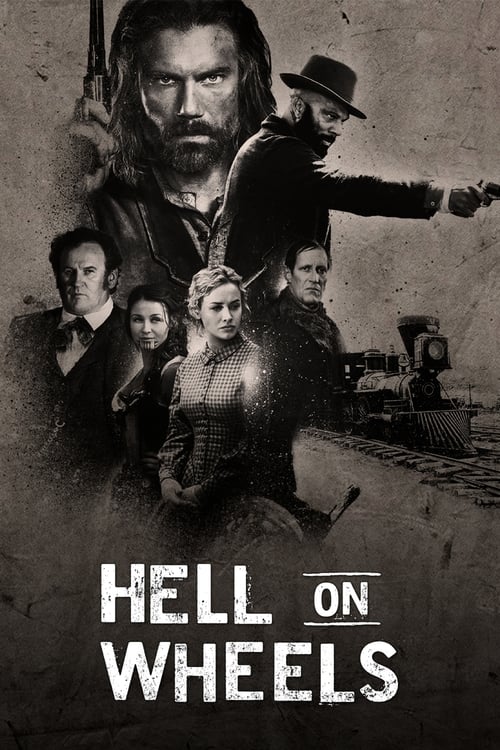
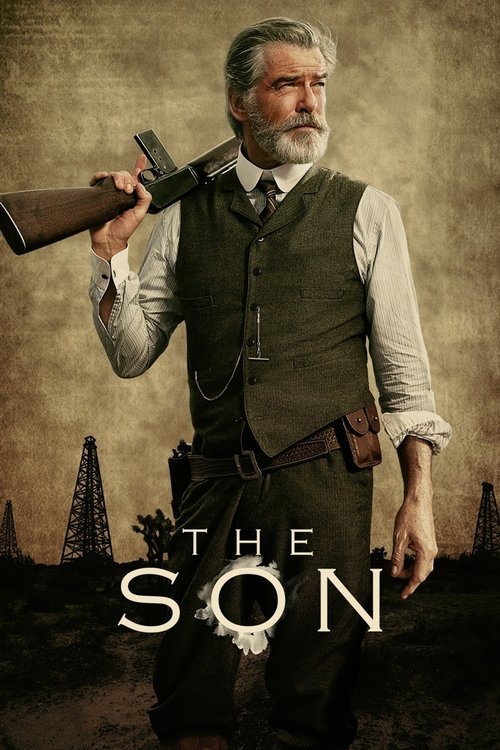
Gunslinger Television
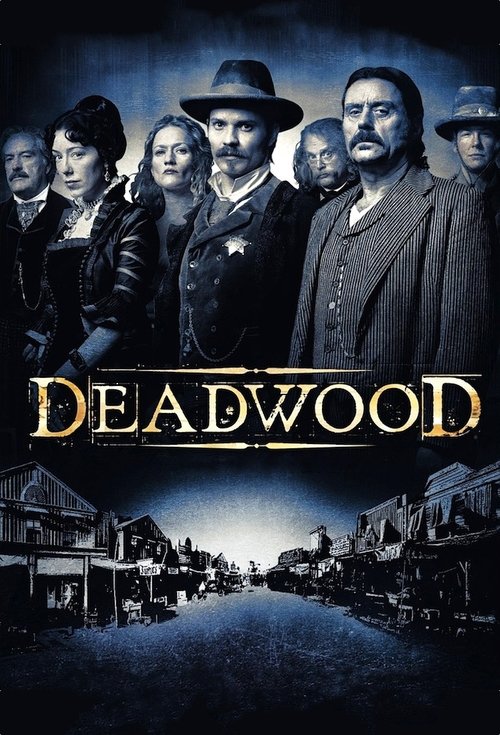
Series that share the moral ambiguity, the landscape, and the slow burn

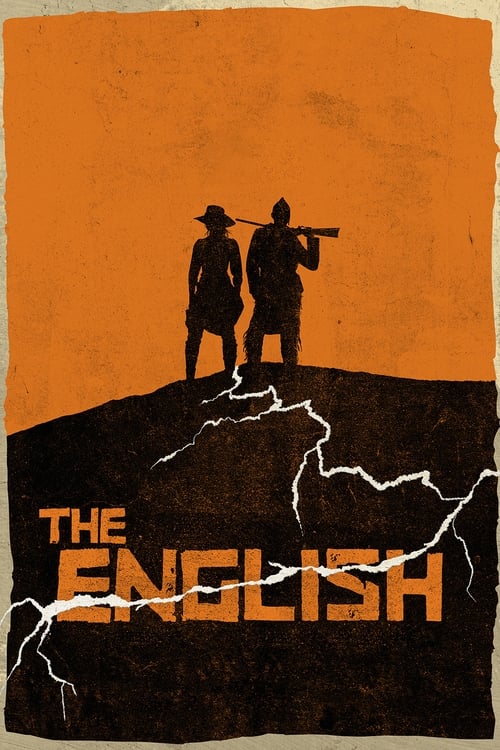
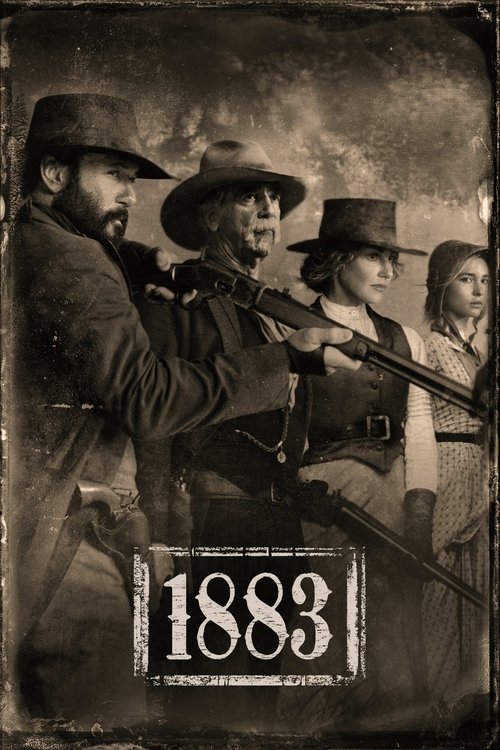
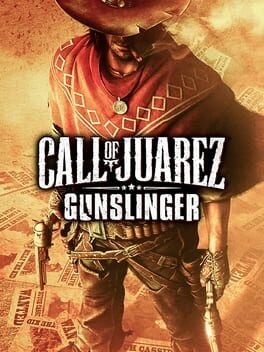
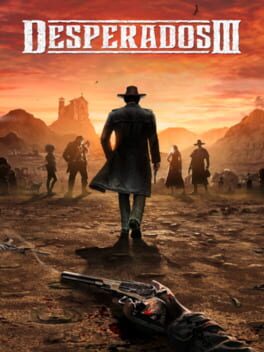
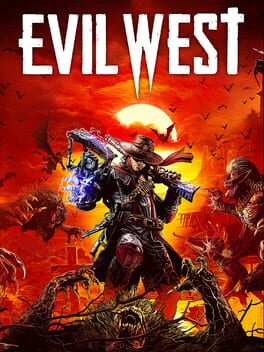
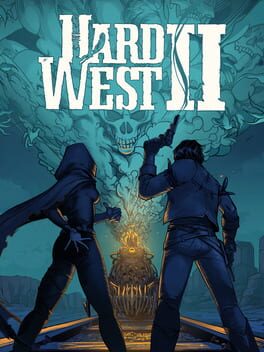
Play the Frontier
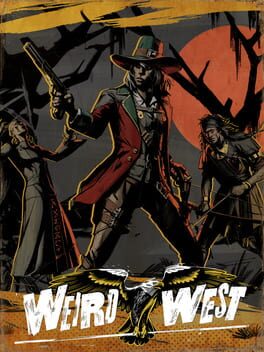
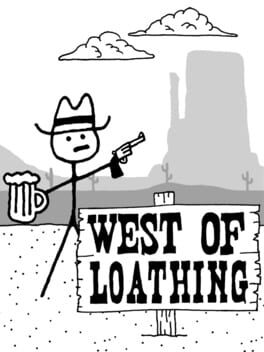
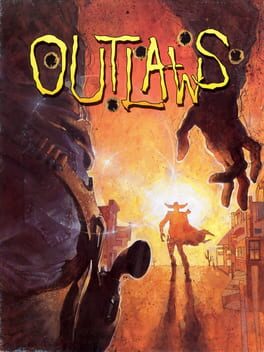
Games that bottle the loneliness, the dust, and the moral weight
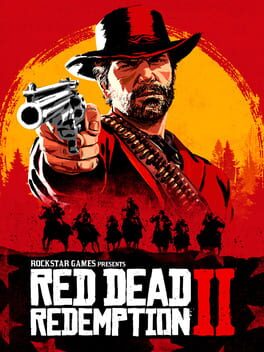
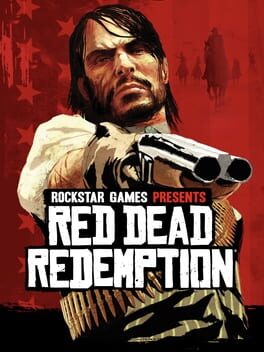
The Books Behind the Myth
Novels that share the genre's spare prose, moral greyness, and frontier violence


Leone Invented a New Grammar of Tension
Before Sergio Leone, screen violence was a punctuation mark. Leone turned it into a sentence structure. His long, almost unbearable buildups to violence, the use of extreme close-ups on eyes and hands, the withholding of action until Morricone's score has made the audience physically tense: these techniques rewrote how cinema could use time. Every slow-burn thriller made since owes him something.
Red Dead Redemption 2 Is the Genre's Novel
Rockstar's 2018 epic does something remarkable: it takes the visual and moral vocabulary of the spaghetti western and gives it the density of a 19th-century novel. Arthur Morgan is not the Man with No Name; he is a fully realized character grappling with loyalty, mortality, and the end of a way of life. The game's pacing is deliberately unhurried in a way that mirrors Leone's willingness to let silence do the work.
Blood Meridian Is the Literary Spaghetti Western
Cormac McCarthy's 1985 novel shares the genre's borderland setting and its complete disinterest in conventional heroism, but pushes further into something mythological and genuinely disturbing. The Judge is one of American literature's great villains precisely because McCarthy refuses to explain him. Readers who love the moral flatness of a Sergio Corbucci film (no redemption, no cavalry) will find Blood Meridian occupies the same psychological space.
The Arc of the Genre
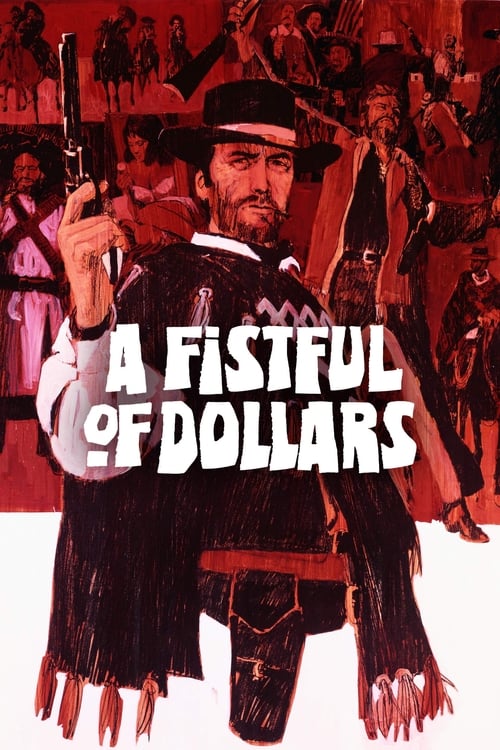
- 1964Leone's debut redefines the western for European cinema A Fistful of Dollars
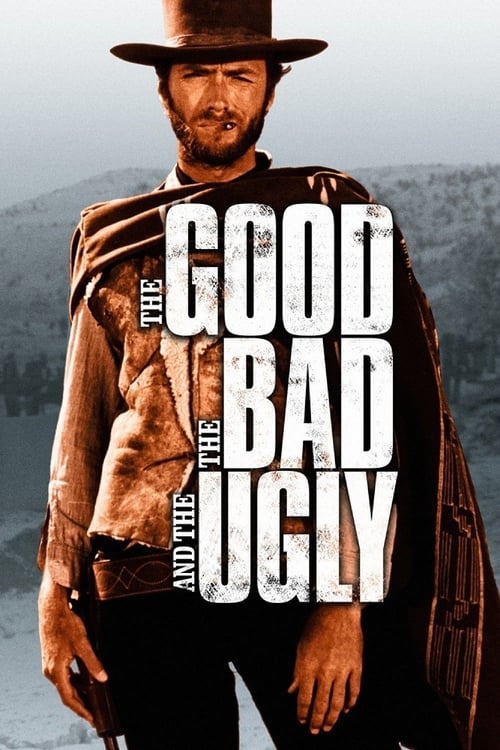
- 1966The trilogy reaches its operatic peak The Good, the Bad and the Ugly
- 1966Corbucci's Django becomes the most-sequeled name in the genre
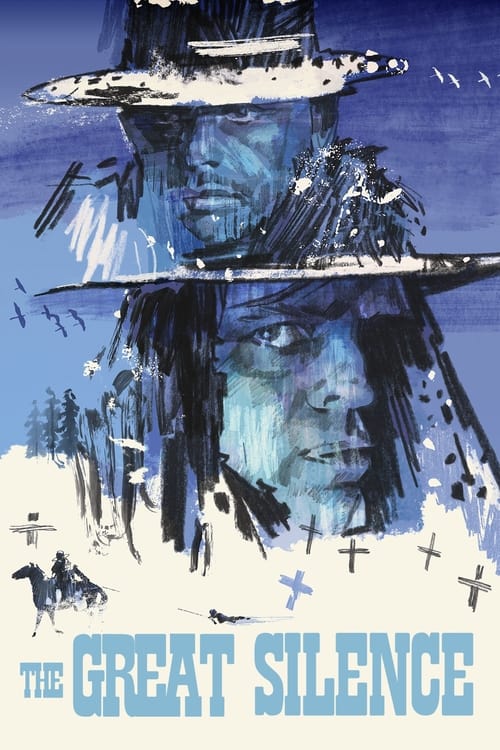
- 1968Corbucci's bleakest film, set in snowbound silence The Great Silence
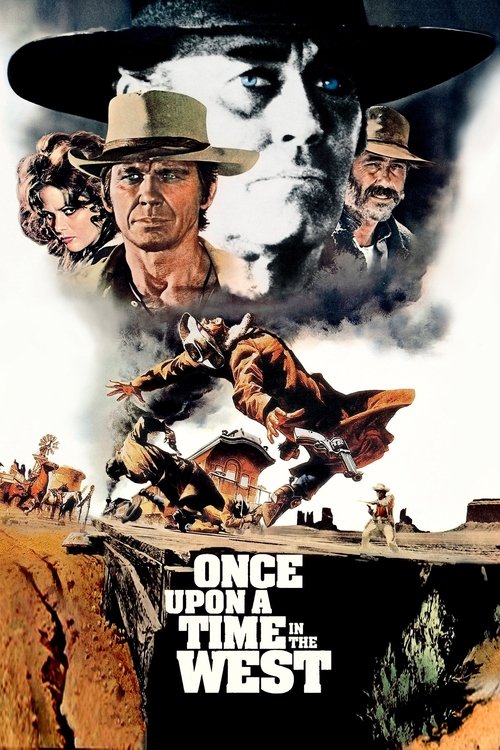
- 1968Leone's masterpiece expands the canvas to American myth Once Upon a Time in the West
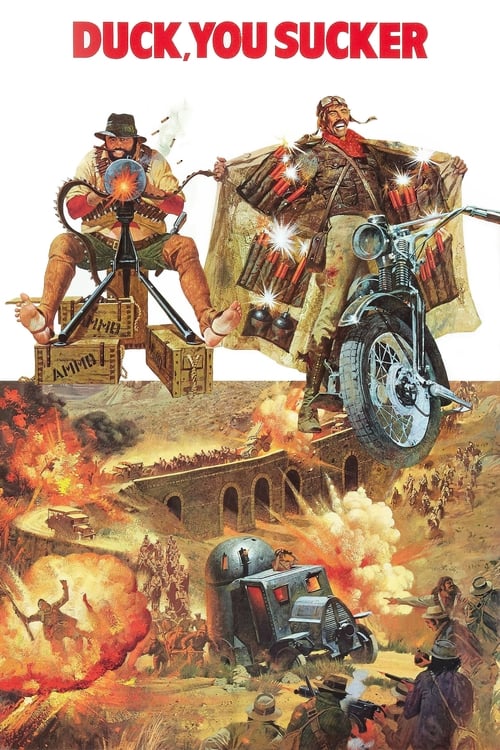
- 1972Leone's final western blurs genre into revolution Duck, You Sucker
- 1985McCarthy brings the same moral universe to American literature Blood Meridian
- 2010Rockstar's first open-world western absorbs the genre's DNA Red Dead Redemption
- 2012Tarantino's homage reroutes the genre through American history Django Unchained
- 2015The Hateful Eight traps the genre's tensions inside a single room The Hateful Eight
- 2018The genre's fullest literary treatment arrives as a game Red Dead Redemption 2
More sun-baked standoffs and frontier
Westerns
Explore the Westerns guide →When the Man with No Name rides in, he does not bring justice. He brings leverage. That distinction is everything.CrossBinge