

Christian Tafdrup's Speak No Evil (2022) does something horror rarely attempts: it makes you the villain of your own story. A Danish couple accepts an invitation to visit a Dutch family they met on holiday, and spends the entire film suppressing every alarm bell out of sheer social courtesy. The genius is not the cruelty that eventually arrives but the cruelty that was already there the whole time, disguised as hospitality. Fans of the film are chasing a specific and uncomfortable feeling: the creeping recognition that the social contract we rely on every day is purely voluntary, upheld only by people who choose to uphold it. When the hosts stop choosing, there is nothing underneath. This is the through-line that runs through every great work in this tradition, whether it plays out in a remote Dutch farmhouse, a Scandinavian noir, a literary novel about a dinner-party gone wrong, or a slow-burn game that makes you complicit in your own undoing.
Polite Until It Kills You
Films that turn social obligation and misplaced trust into slow-motion catastrophe


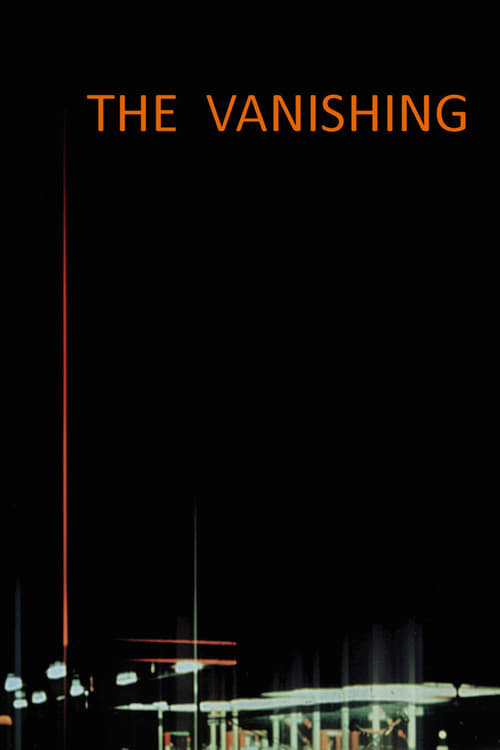

Guests You Cannot Leave
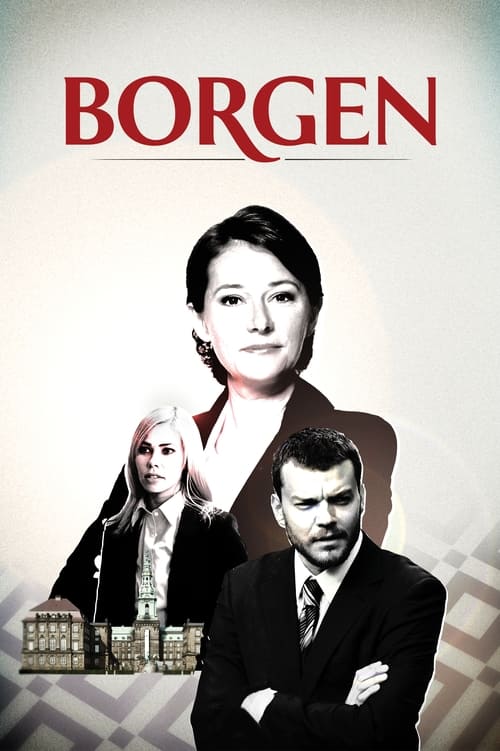
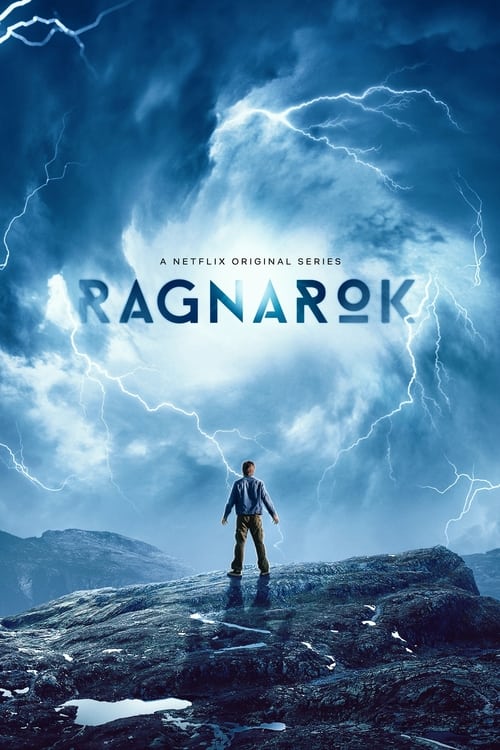
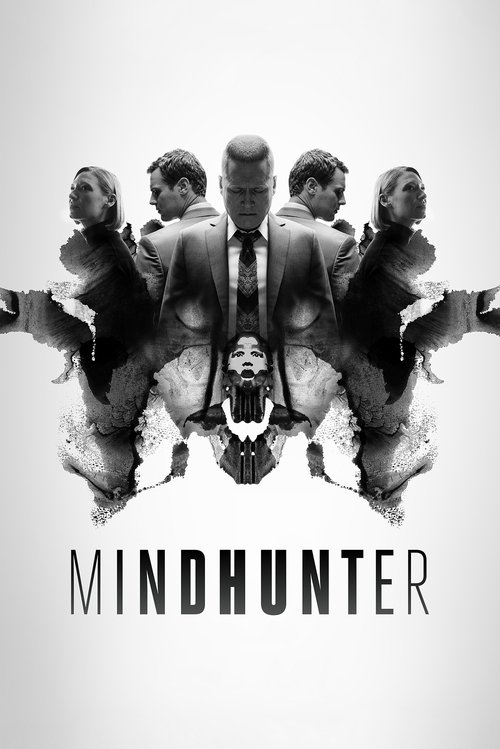
Series that stretch the same slow-burn dread across episodes, where domestic comfort becomes a trap
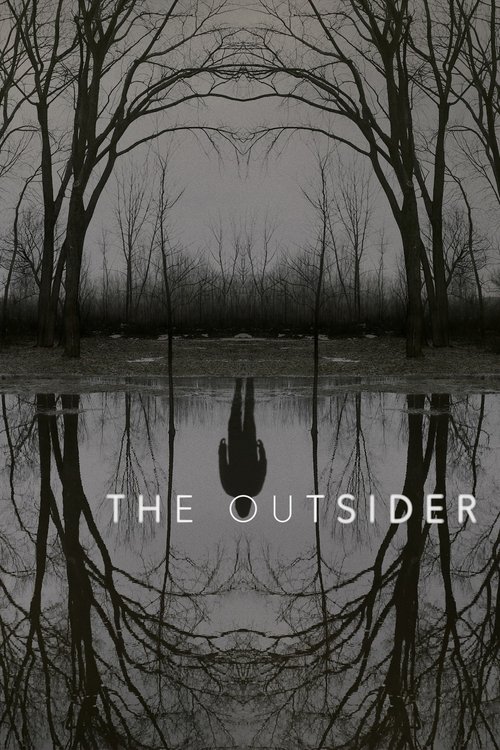


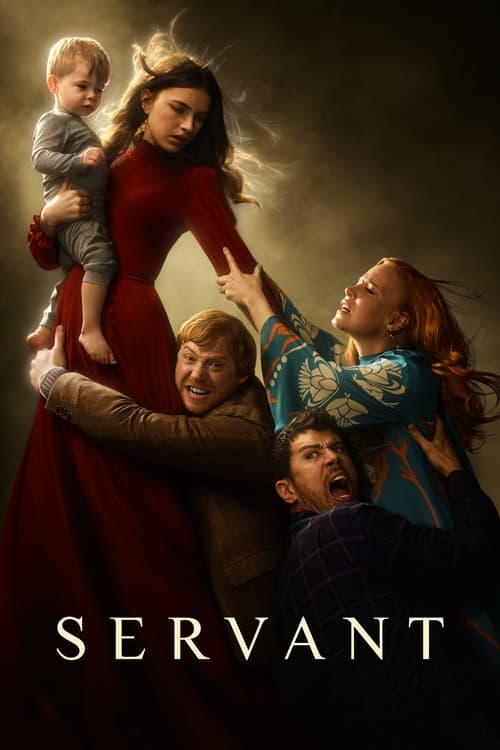

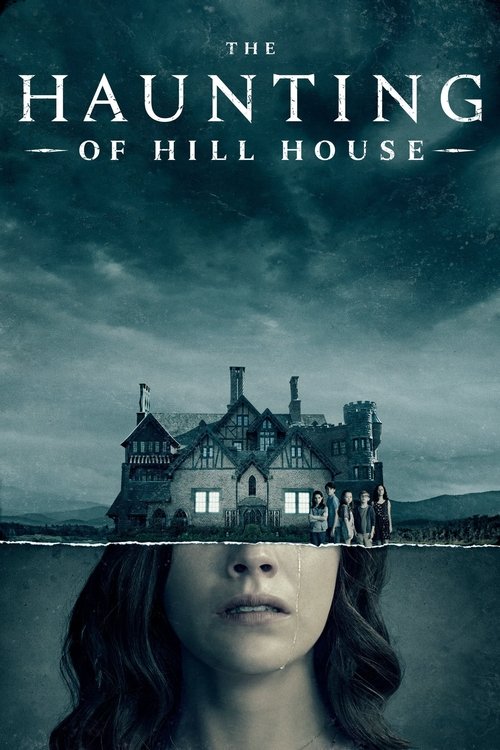

The most frightening thing in the film is not what the hosts do. It is how long the guests stay.Christian Tafdrup, on the psychology behind Speak No Evil
The Literary Dread Beneath Manners
Novels that weaponize propriety, hospitality, and the failure to say no


Games That Make You the Complicit One
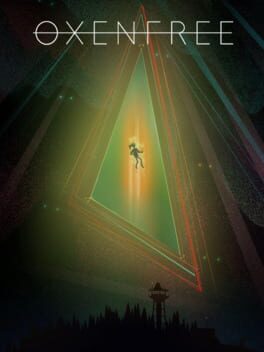
Games that generate dread not through monsters but through social pressure, manipulation, and your own reluctance to act





The remake is not a lesser copy, it is a different argument
James Watkins's 2024 American remake of Speak No Evil shifts the nationality, the genre register, and crucially the ending. Where the Danish original maintains its devastating passivity to the final frame, the remake gives its protagonists a fighting chance. Critics who read this as Hollywood softening a hard truth are missing the point. The remake is asking whether American audiences will accept the same premise, and its answer reveals something about cultural mythology around resistance and agency. Both films are worth watching together. The distance between them is the essay.
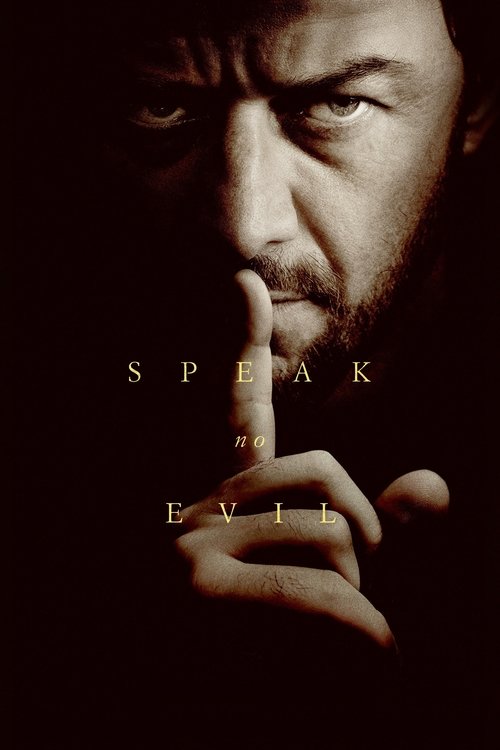
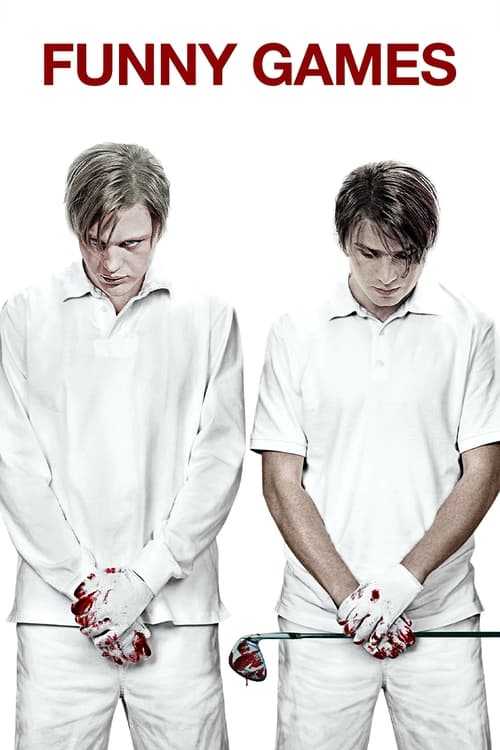
Funny Games said the quiet part loud, and nobody listened
Michael Haneke's 1997 Austrian film broke the fourth wall to tell audiences they were complicit in watching. It was remade shot-for-shot in English in 2007 to reach people who avoided subtitles. Neither version changed much. Speak No Evil arrives 25 years later with the same essential accusation delivered more quietly: the audience stays because the protagonists stay, and the protagonists stay because we would too. Haneke and Tafdrup are describing the same moral failure, but Tafdrup never lets you off the hook by acknowledging the camera.
A Short History of Hospitality Horror
- 1968Roman Polanski establishes the template: a warm, welcoming community of neighbors concealing absolute menace Rosemary's Baby
- 1977The Wicker Man invites a stranger to a festival. The stranger accepts. The Wicker Man
- 1997Haneke's Funny Games formalizes the social-horror contract: the guests arrive politely and never leave Funny Games
- 2009Herman Koch's novel The Dinner makes a restaurant meal the arena for a complete moral collapse among respectable people
- 2011Lars von Trier's Melancholia puts social obligation at the center of apocalypse: the wedding that cannot be escaped Melancholia
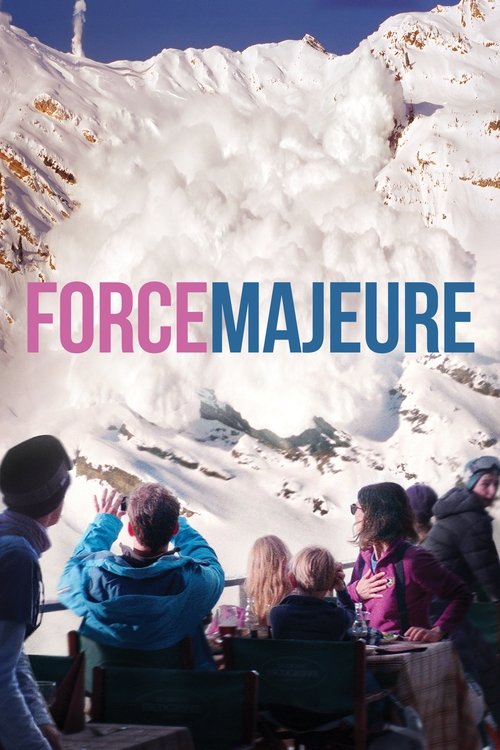
- 2014Ruben Ostlund begins his trilogy of bourgeois discomfort with Force Majeure, where a ski holiday exposes a marriage Force Majeure
- 2019Ari Aster's Midsommar sends a couple to a Swedish festival. Hospitality is not optional. Midsommar
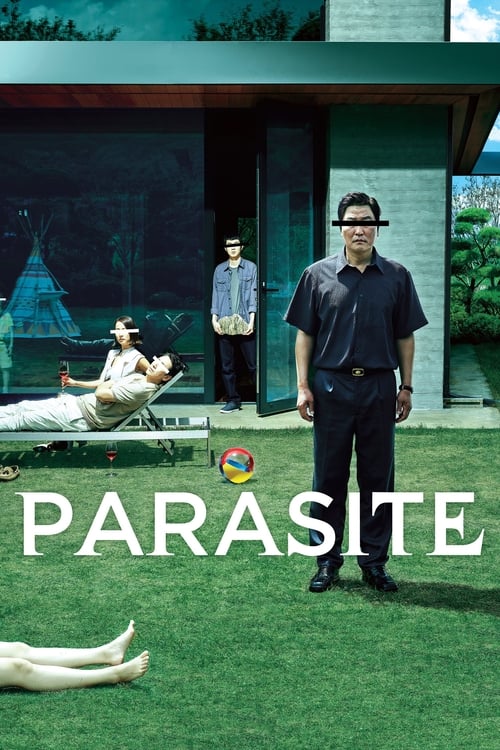
- 2019Parasite arrives and becomes the defining class-anxiety film of its decade, built around an uninvited houseguest Parasite
- 2022Christian Tafdrup's Speak No Evil makes passivity itself the horror mechanism Speak No Evil
- 2024James Watkins remakes the film for a different cultural context and a different ending Speak No Evil
Scandinavian genre cinema earns its reputation the hard way
There is a reason so much of the best social-horror and slow-burn thriller work of the last two decades has come from Denmark, Sweden, and Norway. The welfare-state social contract is strong enough there that its violation registers as genuine rupture. When a character in a Danish film fails to speak up, fails to object, fails to leave, the filmmakers can assume an audience that understands exactly what social norm is being violated, and how much courage it would actually take to break it. Speak No Evil is not just a great film, it is a specifically Scandinavian great film.
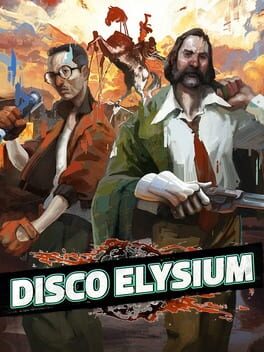
Disco Elysium is the game version of this film's central problem
The connection sounds unlikely until you play it. Disco Elysium is a game about a detective who cannot hold a single coherent identity together, constantly deferring to other voices, other ideologies, other people's expectations of who he should be. Every major choice in the game is an act of social performance under pressure. The horror of Speak No Evil, the inability to simply say no and leave, is a game mechanic in Disco Elysium. Both works understand that identity is largely a product of what we permit other people to impose on us.