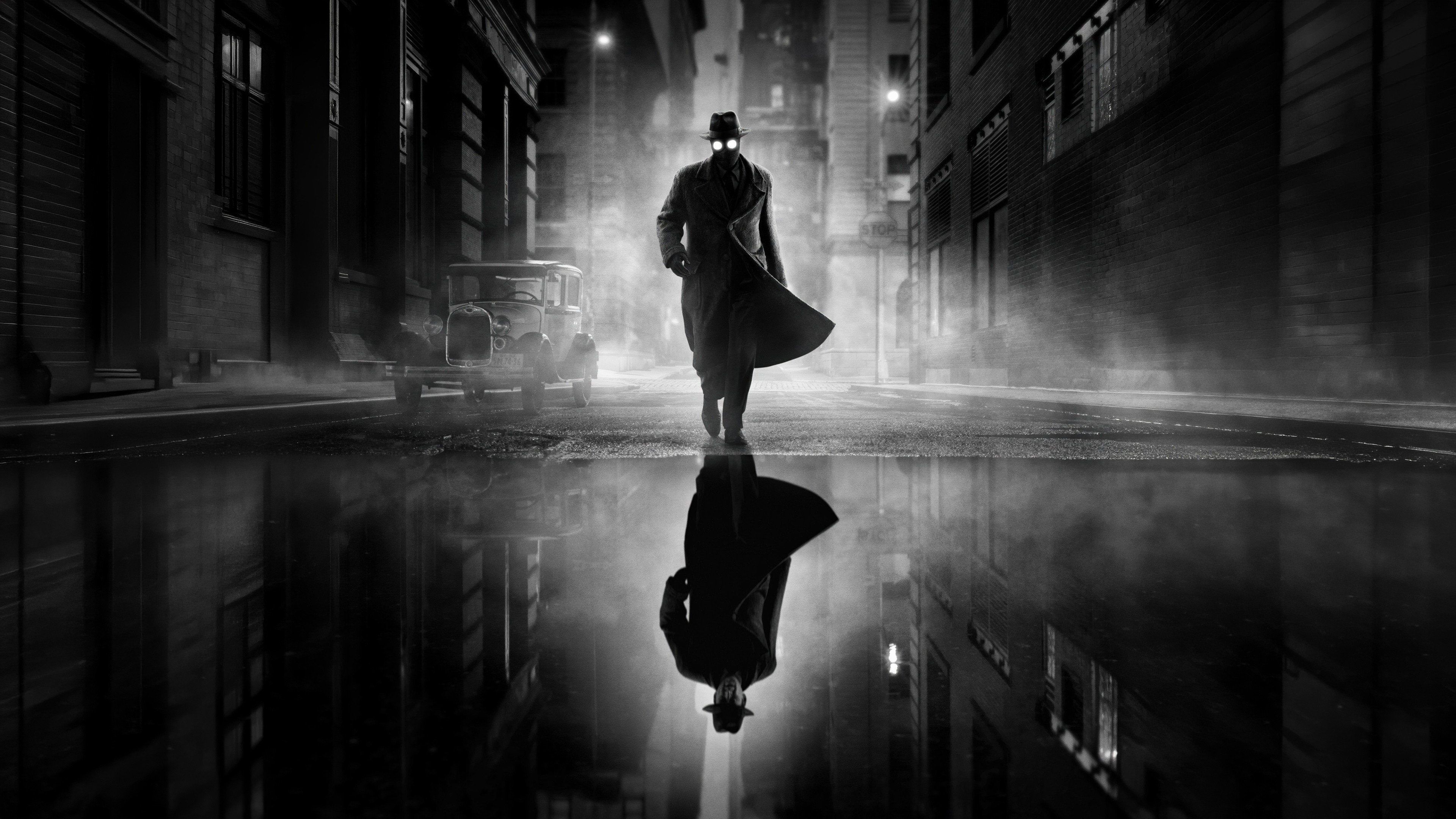

Spider-Noir lives in 1933 Manhattan, where breadlines snake around corners and mob bosses run the city like a private club. Peter Parker here is not a bright-eyed Queens kid; he is a grim investigator who learned hard lessons early, wraps his knuckles in newsprint, and has zero patience for people in power who hurt those without it. What the character unlocks, across comics and animation and the properties that rhyme with him, is a specific fantasy: the vigilante who operates in moral grey, fuelled by working-class rage rather than superhero optimism. The aesthetic is rain-slicked cobblestone, jazz trumpet bleeding through a cracked window, and a trench coat that hides both spider-silk and bruised ribs. If that combination of genre collision and moral weight pulls you in, every work on this list feeds the same hunger.
Essential Spider-Noir
The core texts: where the character was born, where he became iconic, and what expands the mythos.
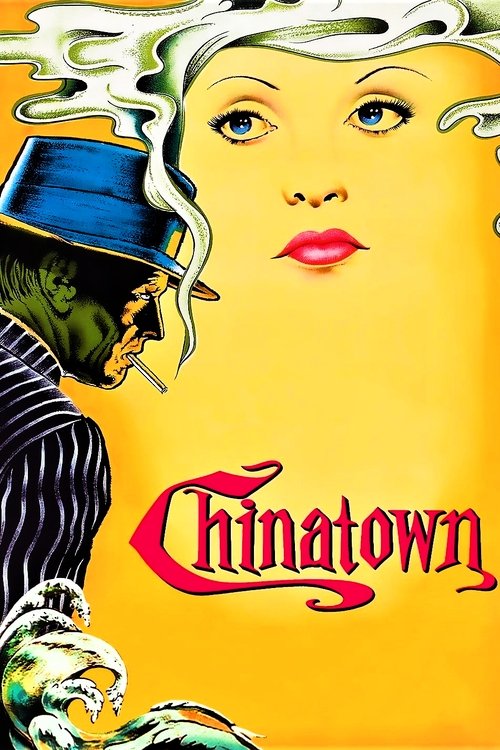
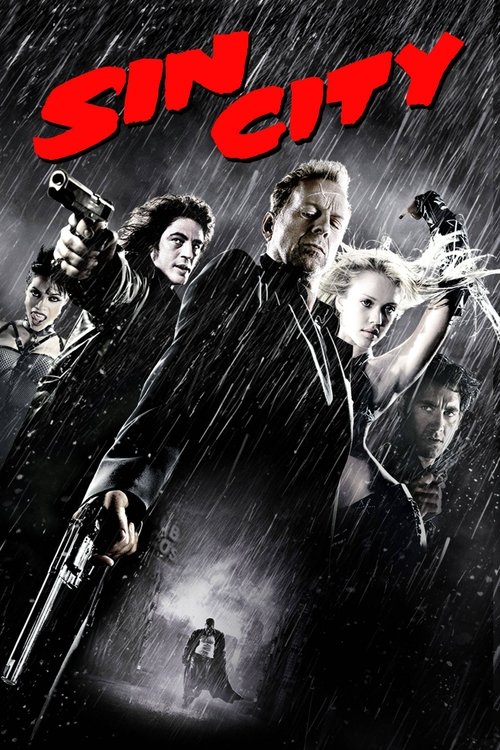
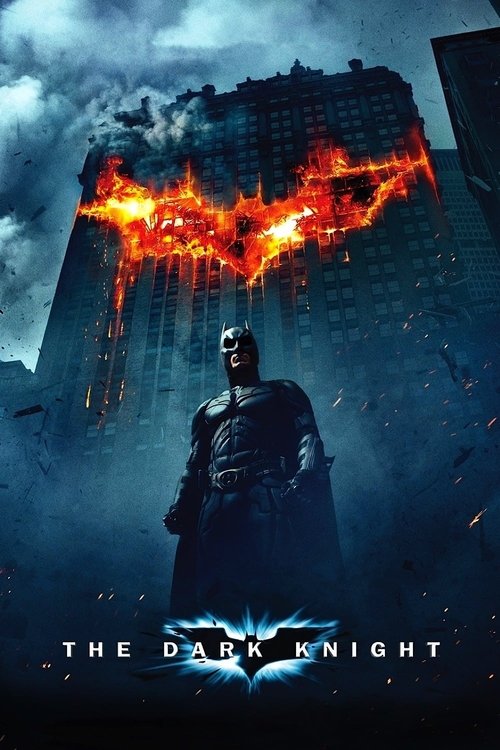
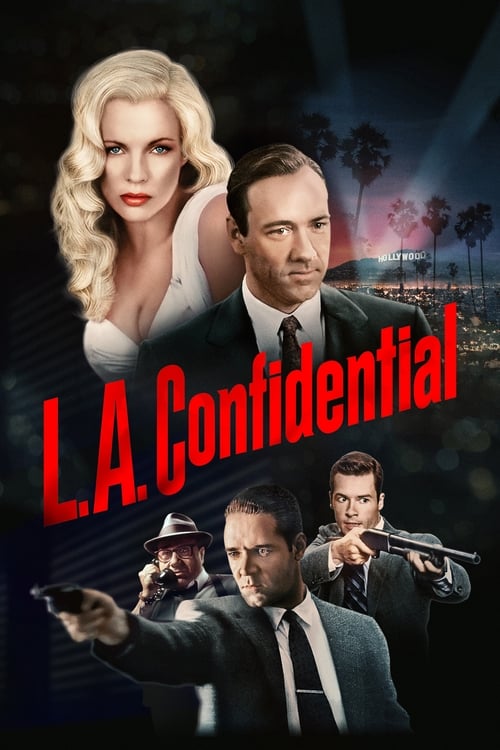
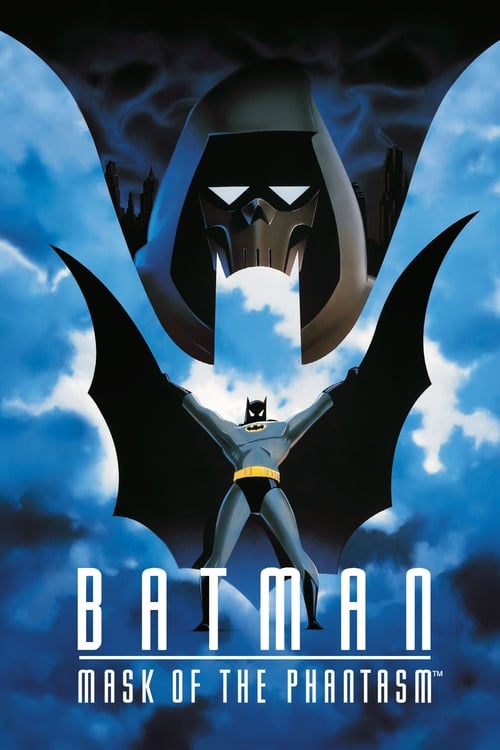
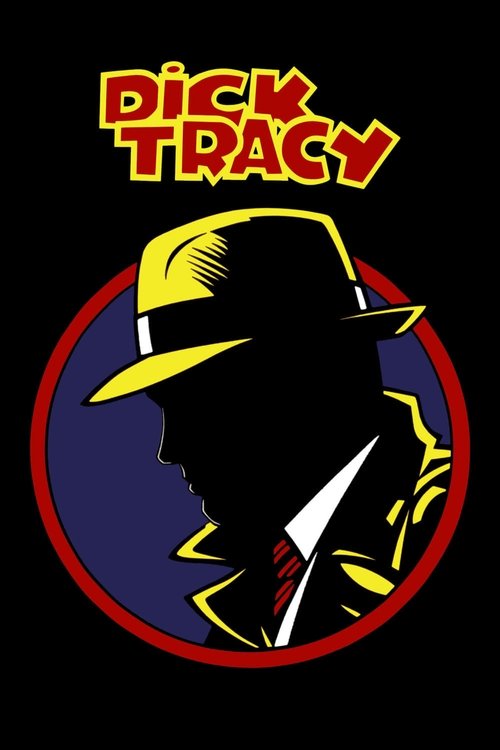
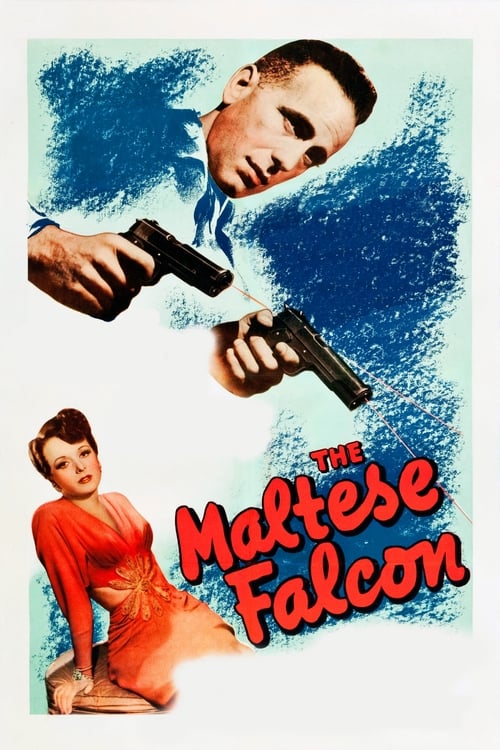
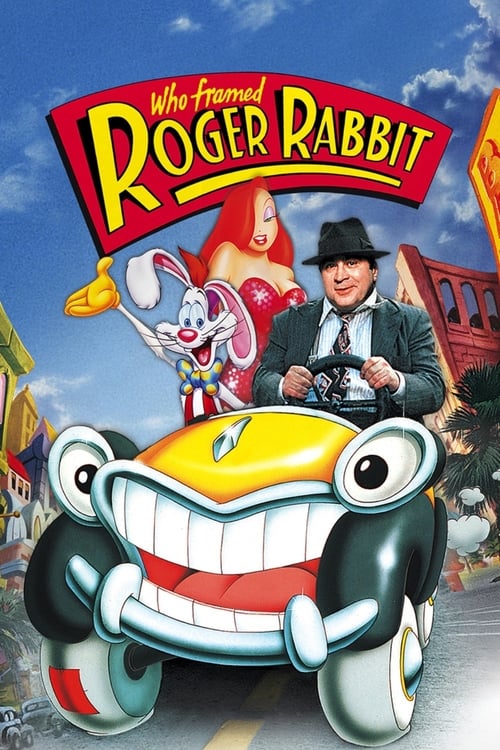
Noir on Screen: The Films That Share the DNA
Hardboiled detectives, corrupt cities, shadows doing half the storytelling. These films live in the same moral weather as Spider-Noir.

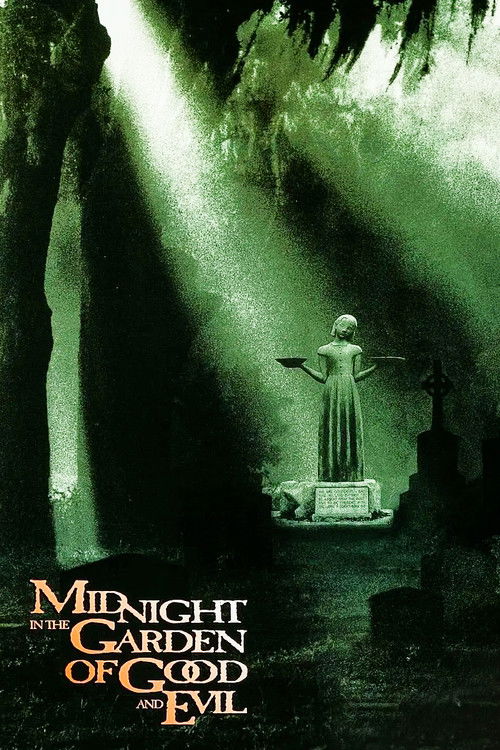
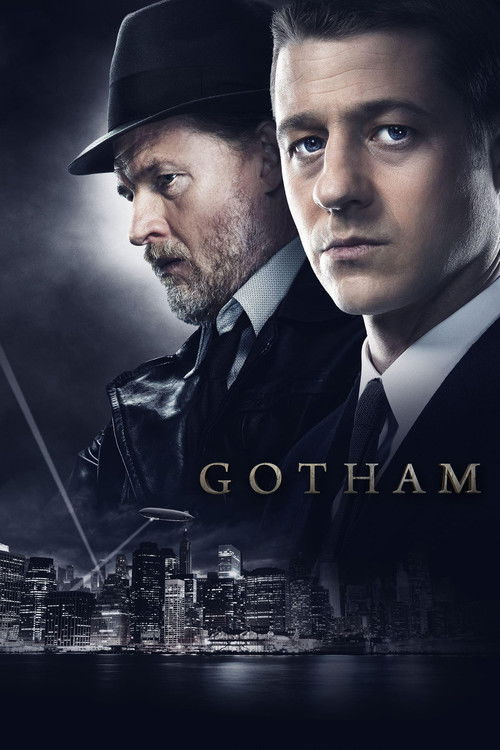
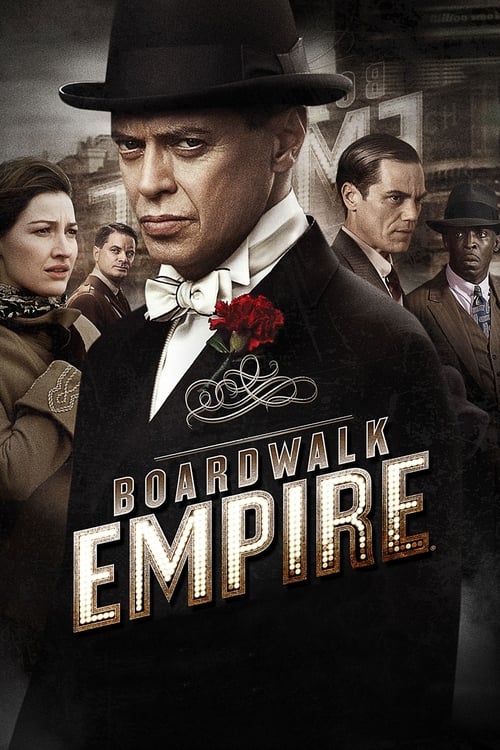
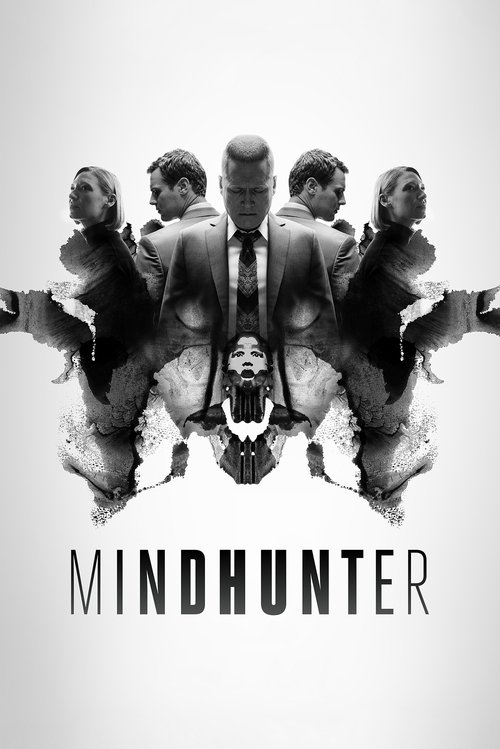
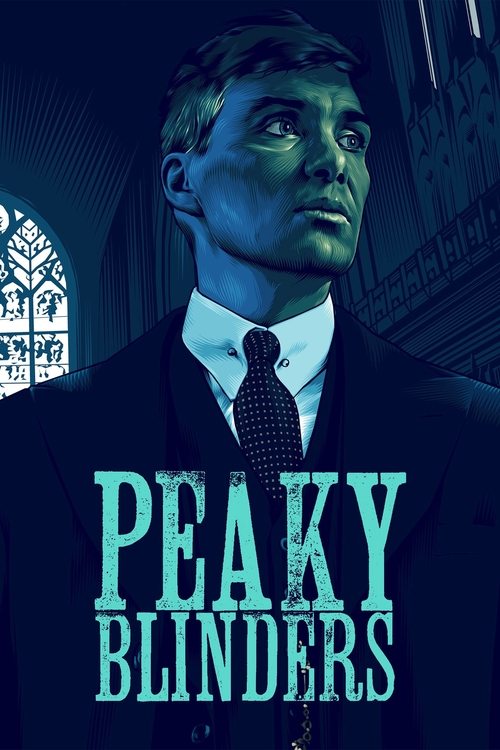
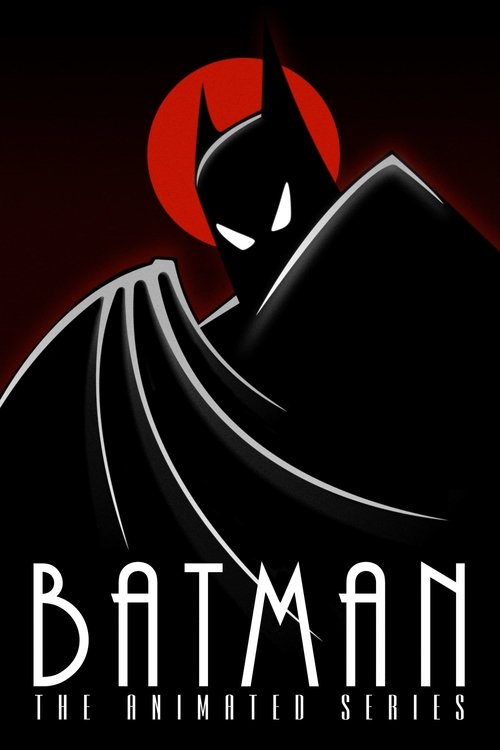
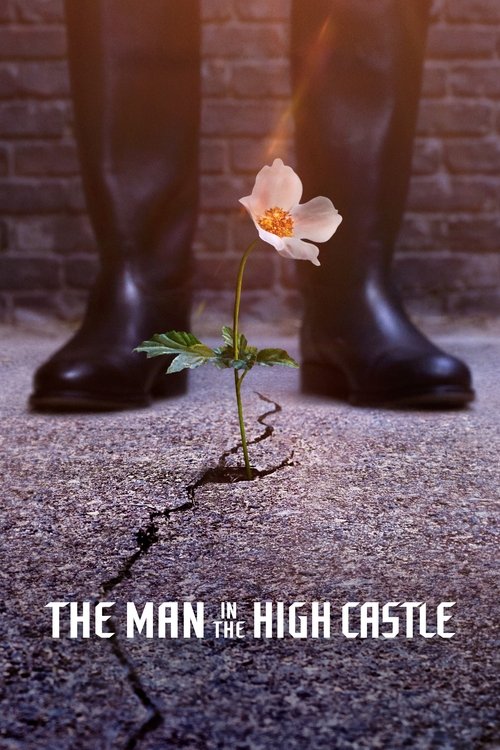
TV: When Heroes Work the Night Shift
Series that marry superhero or pulp-action premises with genuine noir atmosphere and moral complexity.
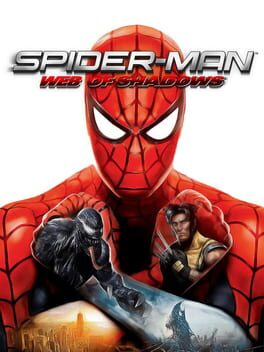
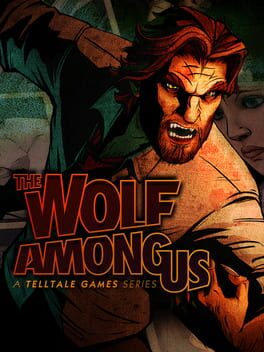
Games: Pulp Cities and Vigilante Justice
Games that put you inside rain-soaked criminal worlds, give you a detective's eye, or let you be the lone operator cleaning up a city nobody else will.
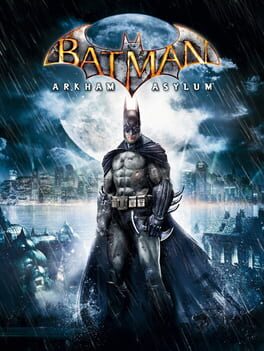
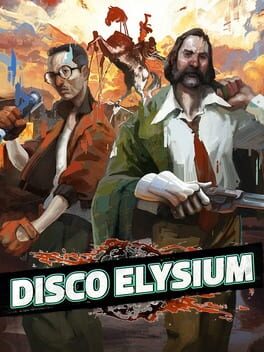
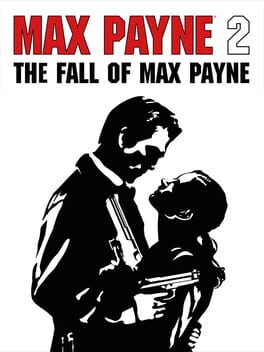
Books: Pulp Roots and Hardboiled Heirs
The literary tradition Spider-Noir was consciously built on, plus comics that explore the same moral register.


Spider-Noir: A Timeline of Key Moments
- 1930Dashiell Hammett and Raymond Chandler establish the hardboiled detective voice that will, seven decades later, define the character's entire aesthetic register.
- 1940Will Eisner's The Spirit debuts, proving masked vigilantes and noir storytelling belong together.
- 1986Watchmen deconstructs the superhero through a noir lens, opening the door for morally compromised versions of iconic characters.
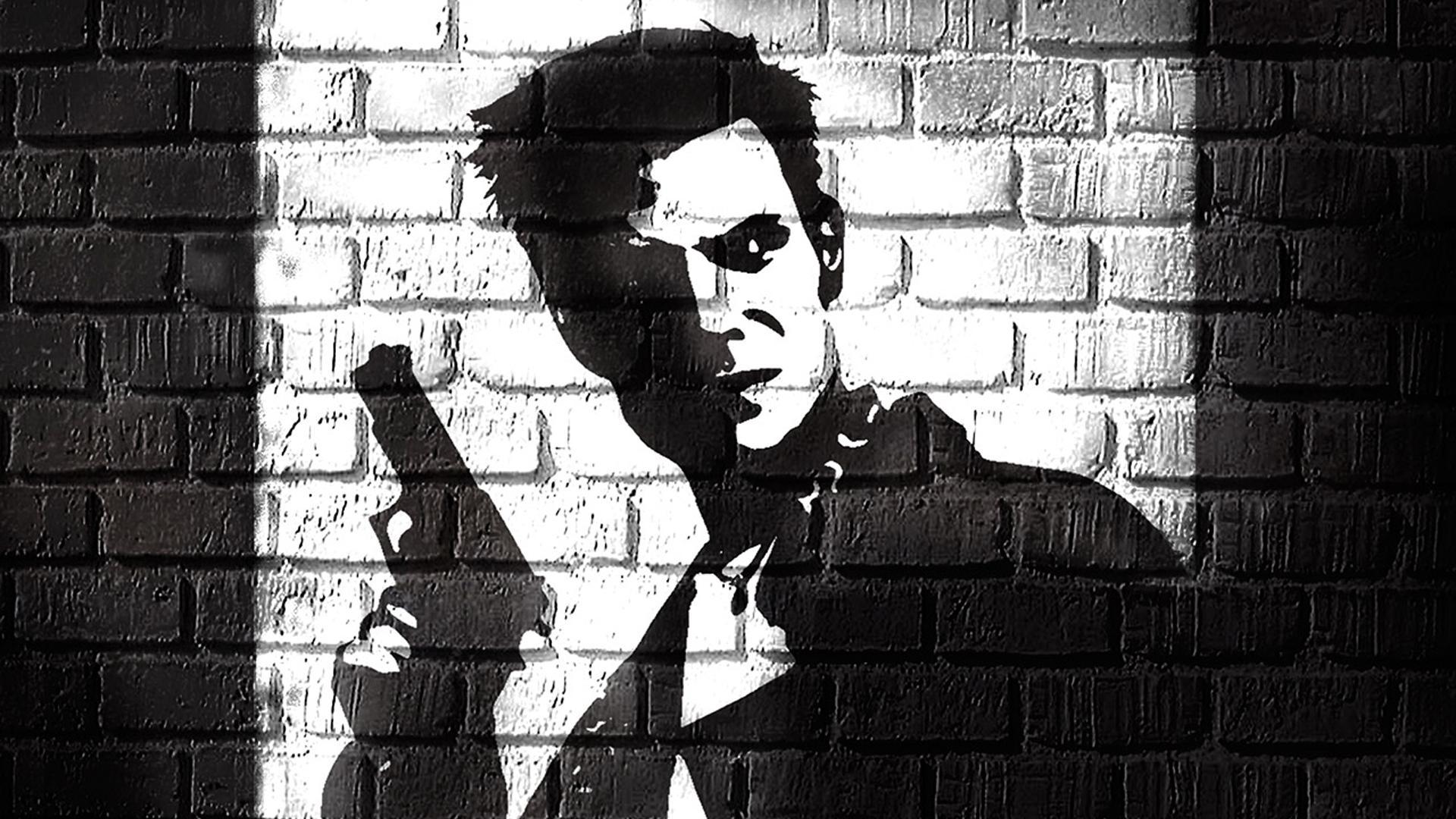
- 2001Max Payne brings bullet-time gunplay inside a genuine noir narrative, bridging comics aesthetics and interactive crime fiction. Max Payne
- 2009The Spider-Man Noir miniseries places Peter Parker in Depression-era New York, reimagining his origin through class conflict and political rage.
- 2010Eyes Without a Face continues the story, adding racial injustice and deeper period atmosphere to the Noir universe.
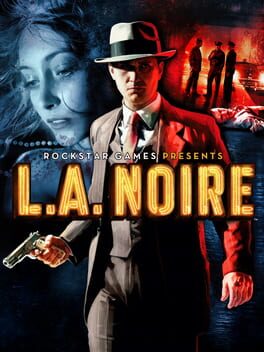
- 2011L.A. Noire arrives as the definitive noir video game, using facial-capture technology to turn interrogation into the core mechanic. L.A. Noire
- 2015Netflix's Daredevil brings street-level Marvel noir to television, making the case that superhero stories set at night hit differently.
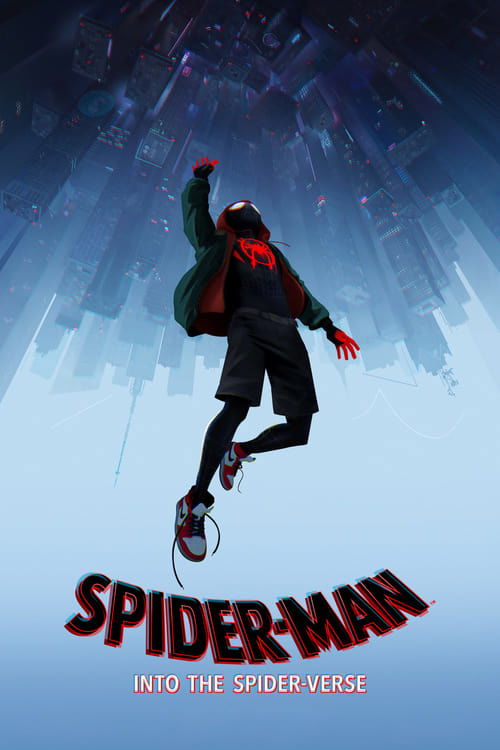
- 2018Spider-Man: Into the Spider-Verse introduces Nicolas Cage's monochrome, wisecracking Spider-Noir to a global audience and the character becomes a phenomenon. Spider-Man: Into the Spider-Verse
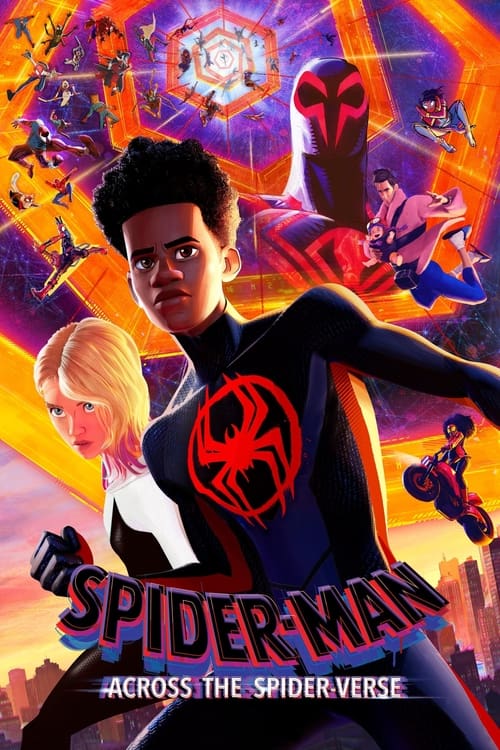
- 2023Across the Spider-Verse expands the multiverse, with Spider-Noir's cameo underscoring how much the character resonates beyond dedicated comics readers. Spider-Man: Across the Spider-Verse
Nicolas Cage Found the Character That Could Not Be Overstated
Every Spider-Man performance competes with decades of expectation. Cage sidestepped the problem entirely by playing someone who is simply tired: tired of the corrupt, tired of the powerful, tired of pretending the Depression is survivable through optimism. The voice work in Into the Spider-Verse is a masterclass in understated menace, and it retroactively makes the 2009 comic feel like it was always written with that weary baritone in mind. The character only works because Cage played him as a man, not a legend.
Disco Elysium Is the Purest Noir Game Ever Made
L.A. Noire is the obvious pick, but Disco Elysium goes deeper. It gives you a detective who has destroyed himself, a city on the edge of collapse, and a political landscape that does not offer clean answers. The RPG mechanics are entirely conversation and investigation. No combat, no power fantasy: just a broken man trying to reassemble a self while solving a murder in a decaying harbour town. Spider-Noir fans who play it will recognise the same DNA: class anger, institutional rot, and a protagonist whose only tool is stubborn refusal to look away.
The 1930s Setting Is Not Decoration
Spider-Noir's creative team placed Peter Parker in the Depression deliberately. The period gives his anger legitimate political grounding: he is not fighting crime in a comfortable era, he is fighting it when the social contract has visibly failed most people. That choice connects the character to a tradition of pulp fiction that was always, at its core, about power and who gets to have it. The best companion texts, from Red Harvest to Watchmen to Peaky Blinders, share that understanding: the genre is a vehicle for class critique wearing genre clothes.
In a city like this, webs are not for catching criminals. They are for keeping the whole rotten structure from falling on the people underneath it.The sensibility of Spider-Man Noir (David Hine and Fabrice Sapolsky, 2009)