

Ted Chiang's 2002 debut collection, Stories of Your Life and Others, does something rare in speculative fiction: it treats rigorous scientific and philosophical ideas not as window dressing but as the emotional engine of the story. The title novella gives us a linguist learning an alien language and, in doing so, learning to experience time non-linearly, grief folded into the future as much as the past. The other seven stories are just as precise, asking what it would feel like to suddenly see mathematical truth directly, to live in a world where ugliness is illegal, to be a golem animated by a rabbinical loophole. Fans of this collection are chasing a specific sensation: the moment a thought-experiment becomes an intimate human experience. They want fiction that respects their intelligence, slows down to let an idea breathe, and lands in the chest rather than the head. Across every medium, the works that deliver that sensation share Chiang's core move: a single extraordinary premise, followed to its honest conclusion, with no rescue from easy answers.
The Chiang Canon
The collection and the works closest to its core, starting where every fan should


Stories That Think Like Chiang
Short fiction and novels that share his method: one idea, followed with precision and feeling




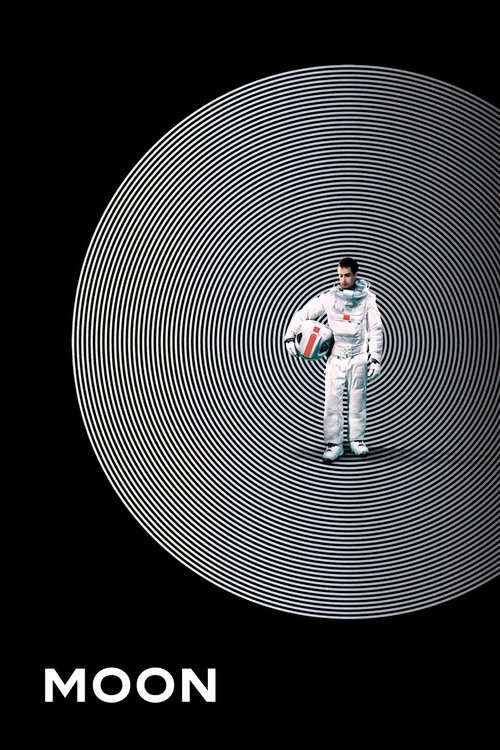
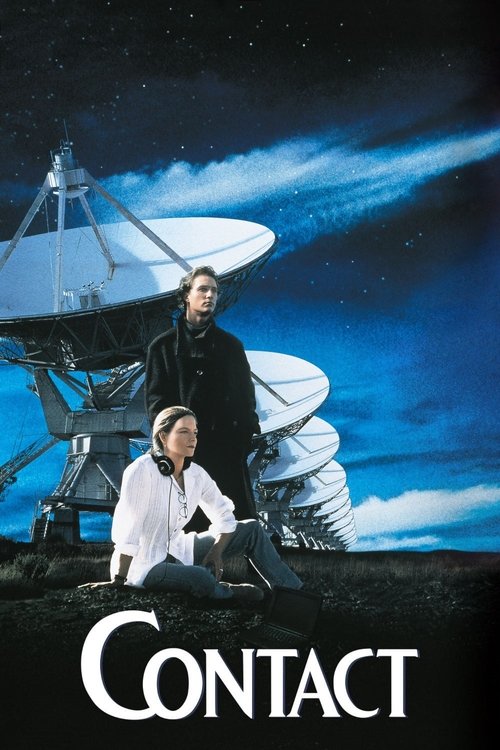
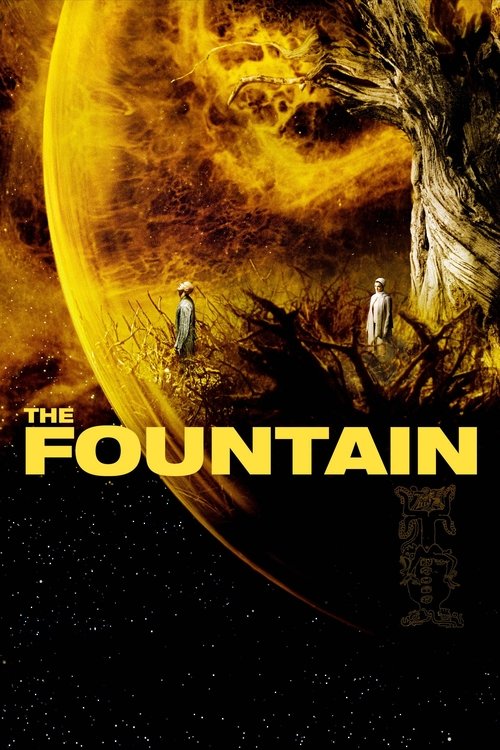
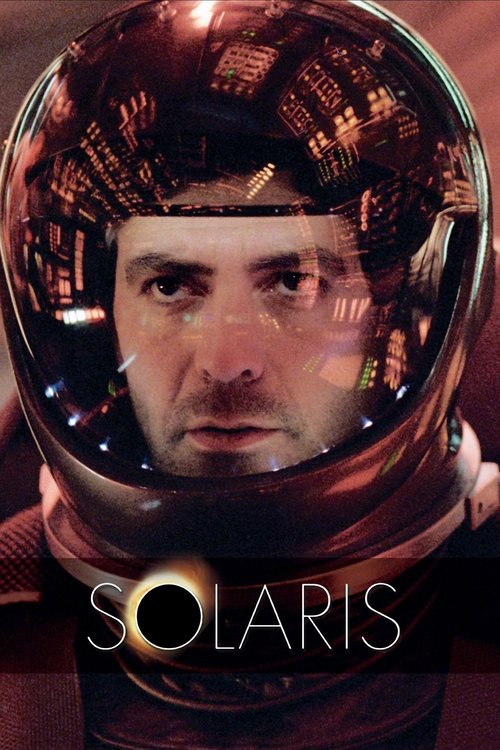
Films That Earn Their Ideas
Science fiction cinema that uses a single premise to unfold something genuinely emotional



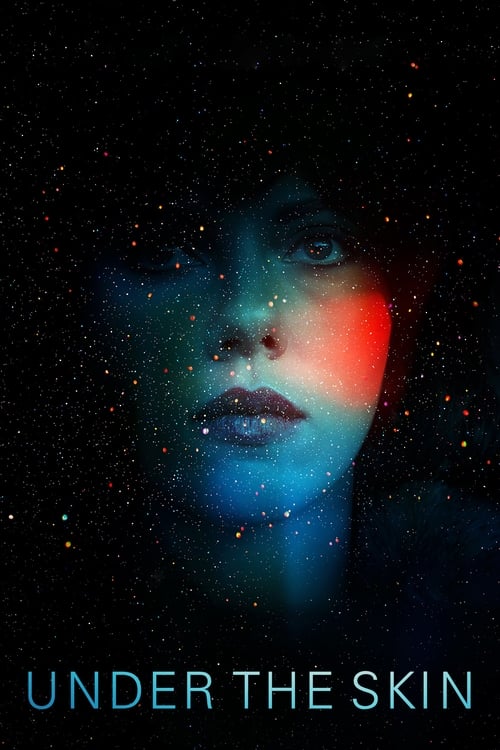

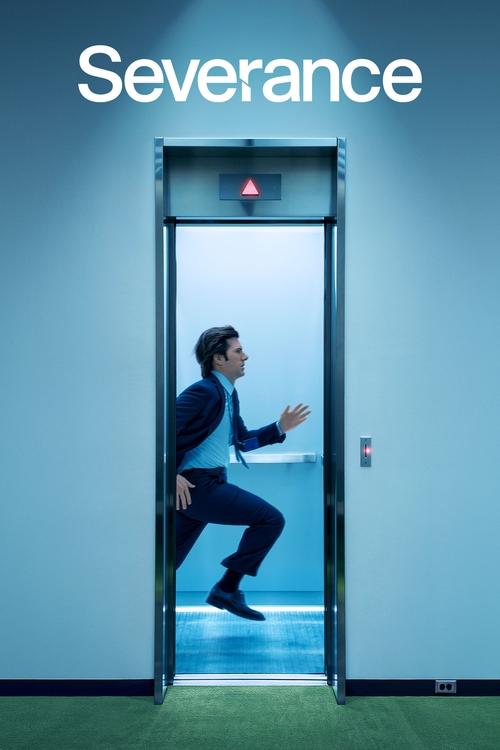
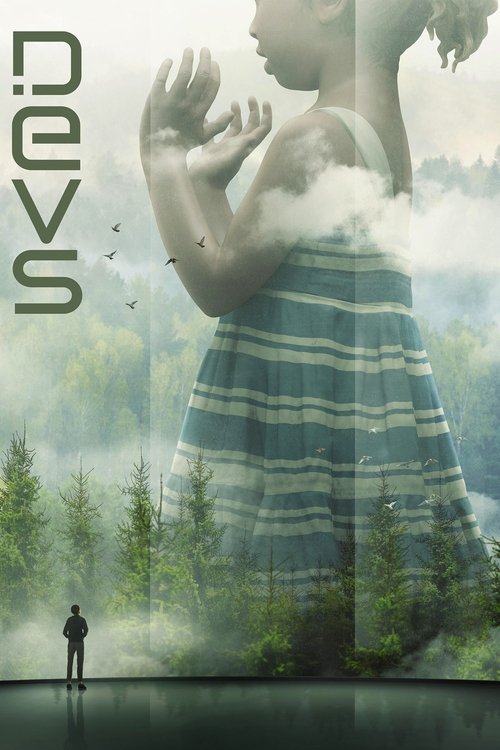
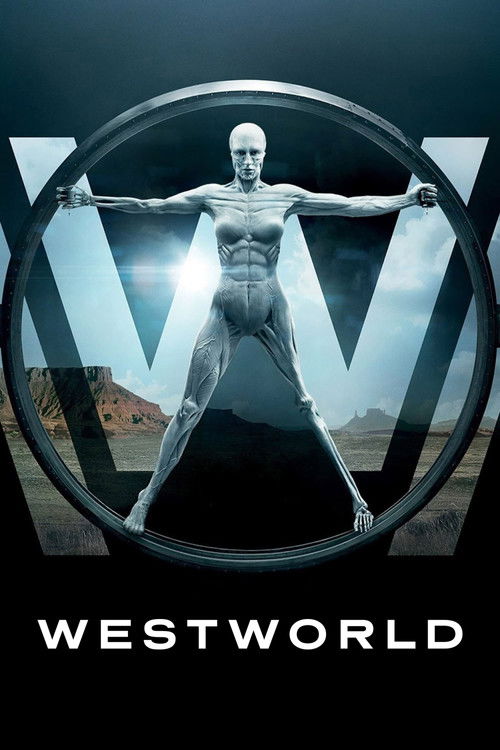
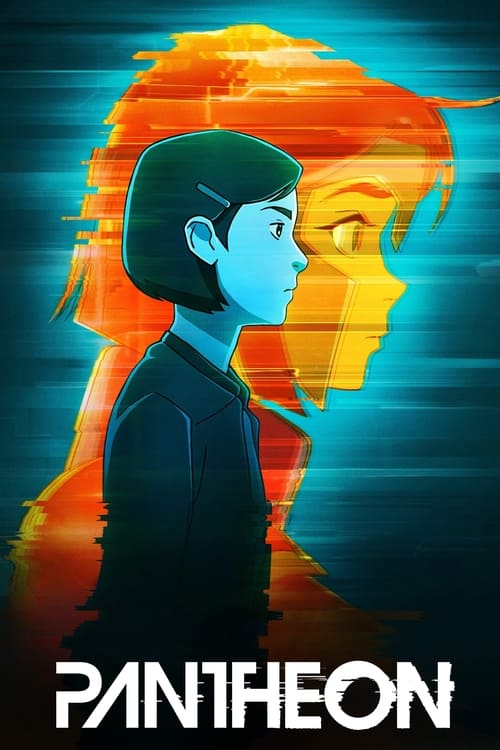
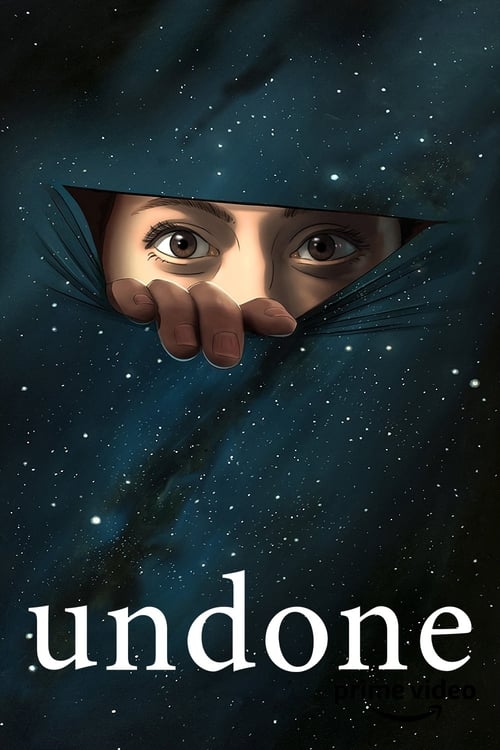
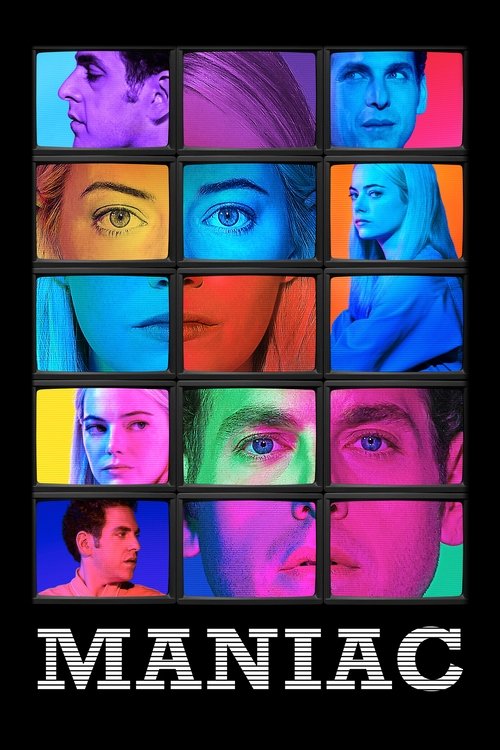
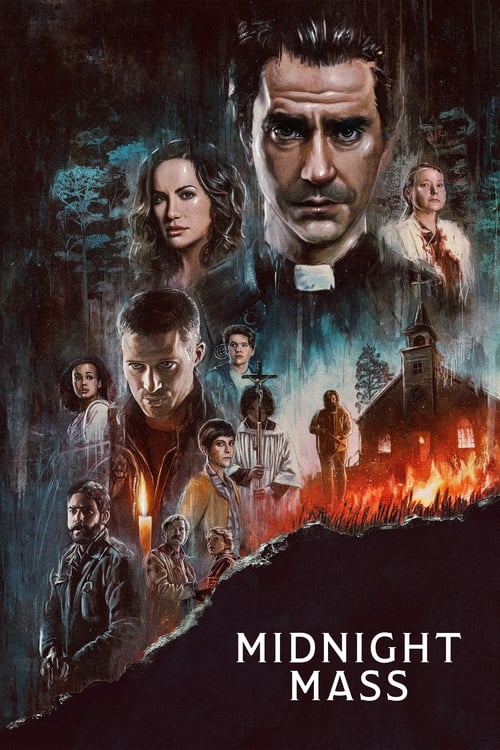
Series That Sustain the Vertigo
Television and streaming series willing to sit with strange premises and let them develop slowly


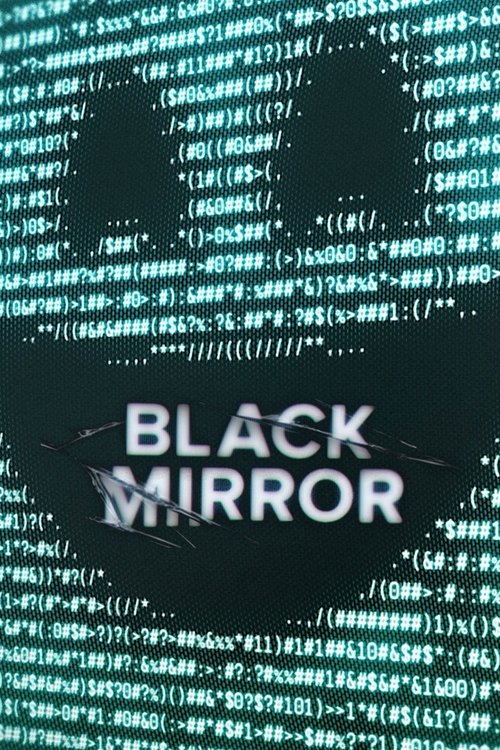
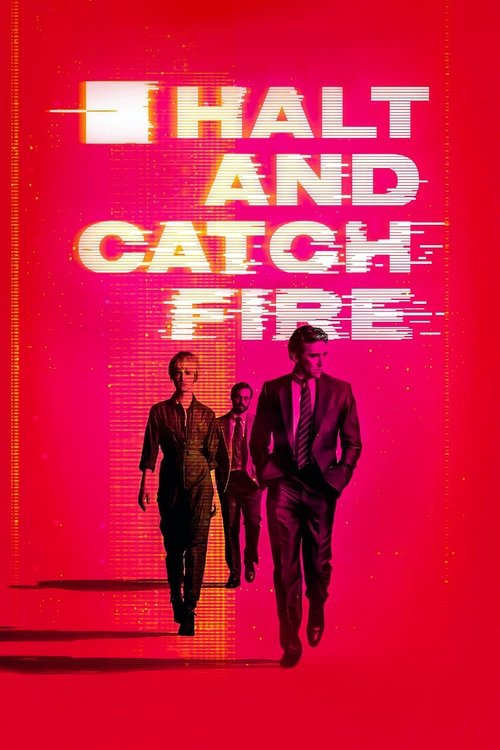
Games That Build a Philosophy
Games that present a single strange rule about the world and explore it honestly, often in silence
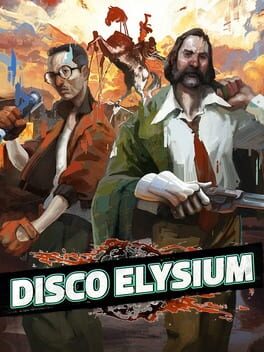
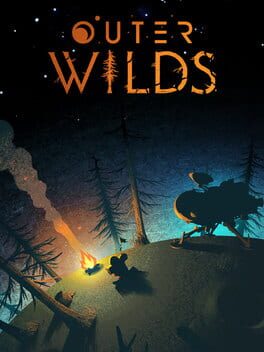


Music That Thinks in Time
Scores and albums that share the collection's quality of suspended, recursive time, where the ending is built into the opening
The Title Story Is the Rarest Thing in Science Fiction: a Grief Novel in Disguise
"Story of Your Life" is nominally about linguistics and the Sapir-Whorf hypothesis. It is actually about a mother who already knows her daughter will die and chooses to love her anyway. The science is not a metaphor for the grief; the grief is not a metaphor for the science. Chiang earns the connection through rigorous logic, which is exactly what makes the emotional payload land so hard. Most science fiction keeps those registers separate. Chiang fuses them.
Outer Wilds Is the Game Version of an Exhalation Story
Chiang's story "Exhalation" describes a universe running down its pressure differential toward heat death, and finds in that fact something clarifying rather than despairing. Outer Wilds does the same thing with a solar system caught in a 22-minute loop ending in supernova. Both works ask: what do you do with the knowledge that this ends? Both answer: you look more carefully at what is here. That is not a coincidence of theme; it is the same philosophical move.
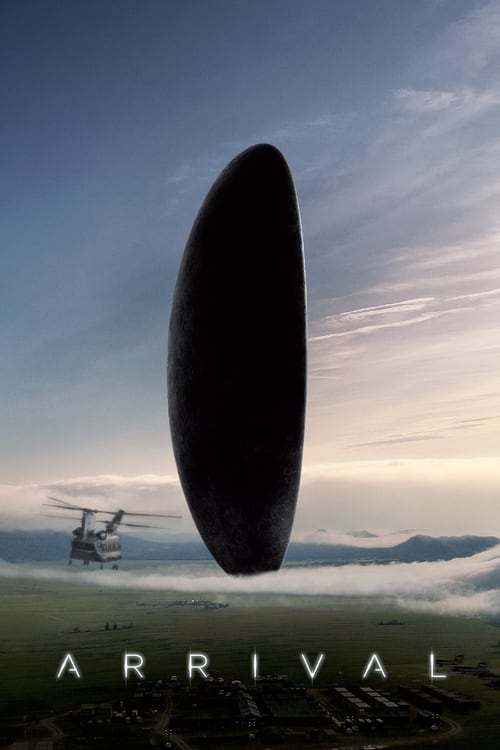
Arrival Is an Unusually Faithful Adaptation, and That Faithfulness Is Why It Works
Denis Villeneuve and screenwriter Eric Heisserer made changes to Chiang's novella, but they kept the structural move that makes the story what it is: the revelation about time is withheld, then revealed, and the scenes you thought you understood become different scenes. Adaptations of formally complex fiction usually flatten the form into a more conventional narrative. Arrival trusted the form. That trust is the film.
The Slow Accumulation of Chiang's Influence
- 1990Ted Chiang publishes his first story, "Tower of Babylon," in Omni magazine; it wins the Nebula Award
- 1998"Story of Your Life" appears in Starlight 2; it wins the Nebula and Sturgeon Awards and establishes the template for everything that follows
- 2002Stories of Your Life and Others published, collecting eight stories across twelve years of painstaking output Stories of Your Life and Others
- 2010The Lifecycle of Software Objects published as a standalone novella, extending Chiang's interest in minds and what it costs to nurture them The Lifecycle of Software Objects
- 2016Arrival released, bringing Chiang's ideas to a mass audience and becoming one of the most discussed science fiction films of the decade Arrival
- 2019Exhalation: Stories published, winning the Hugo Award for Best Collection; proves Chiang's method works across a second decade
- 2022Severance premieres on Apple TV+, demonstrating that serialized television can sustain the kind of philosophical premise Chiang pioneered in short form Severance
In the beginning was the Word. The name of the language God used is not one that humans can speak, but its syntax is the syntax of causality itself.Ted Chiang, "Tower of Babylon" (Stories of Your Life and Others)