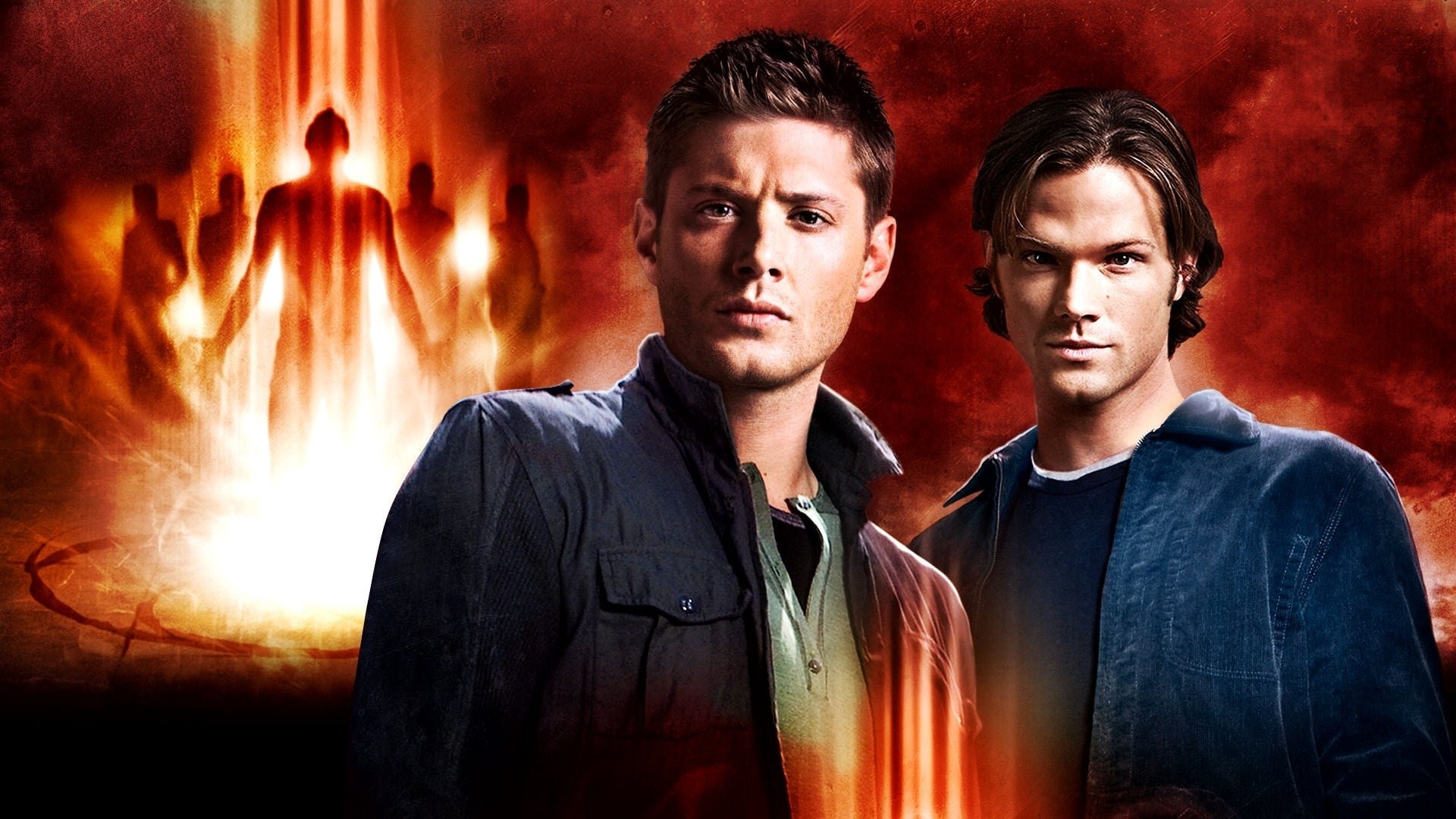

For fifteen seasons, Supernatural held a simple, addictive formula: two brothers in a black Impala, a trunk full of weapons, and a world quietly infested with monsters. What kept millions watching was never the creature-of-the-week gimmick but the emotional core underneath it, a codependent sibling bond tested by apocalypses, corrupted angels, and personal sacrifice. The show mastered tonal whiplash, going from genuinely frightening folk-horror to road-trip comedy to operatic tragedy within a single season. If that cocktail got under your skin, a whole landscape of dark fantasy waits across TV, film, books, and games: family-over-everything stories dressed in mythology, where the horror is a delivery system for grief, loyalty, and the cost of chosen destinies.
Brothers, Hunters, and Things That Go Bump
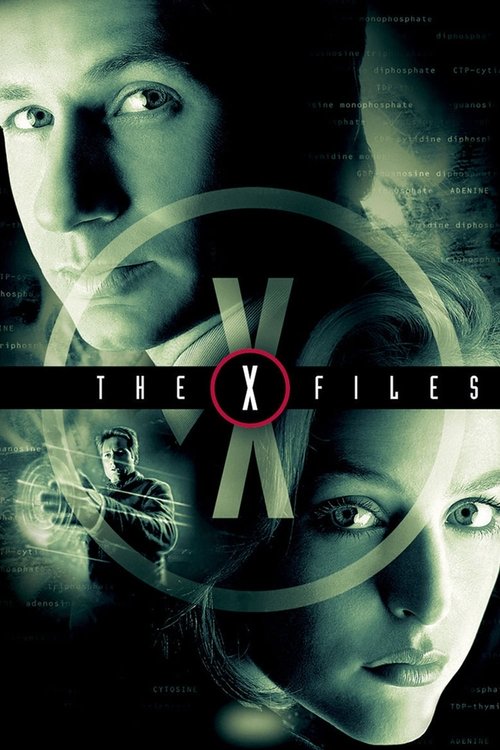
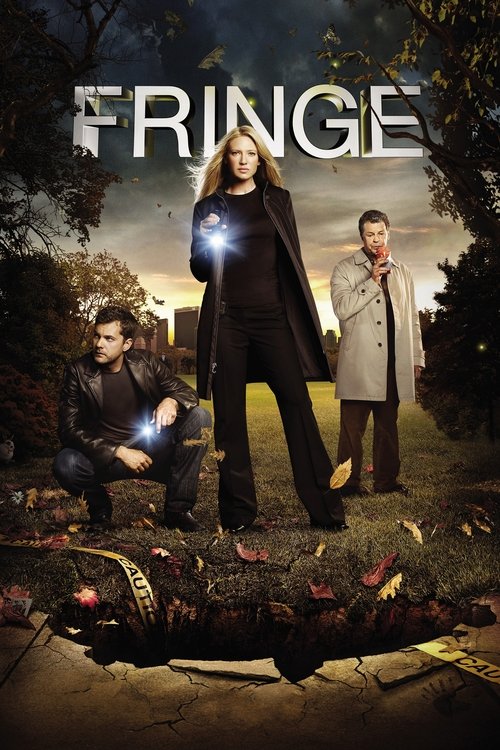
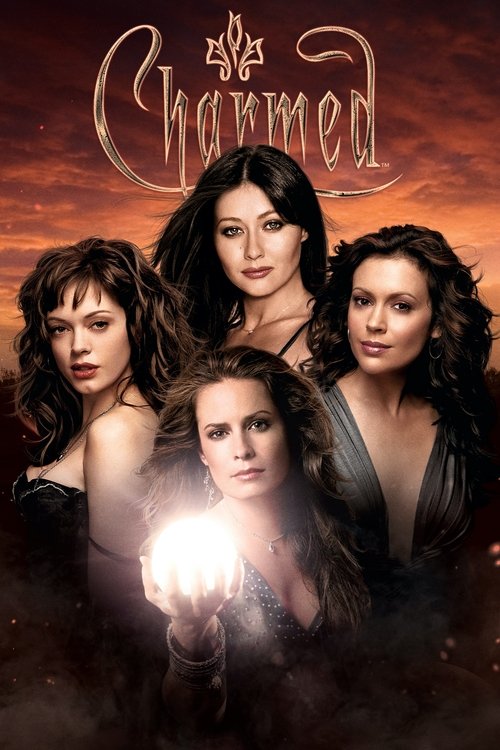
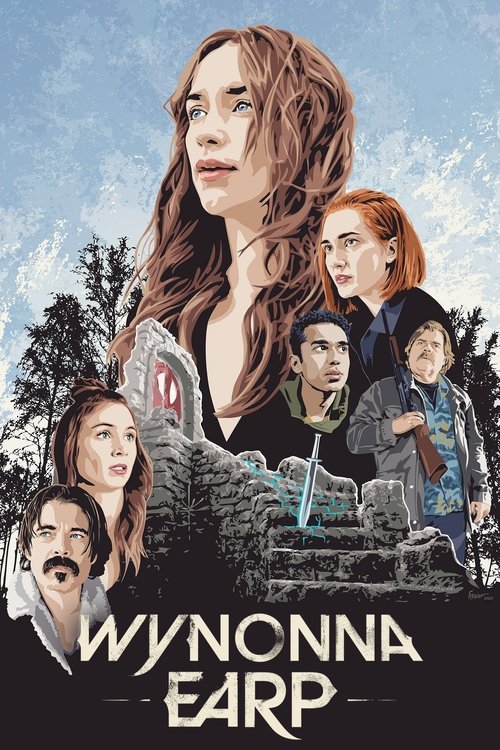
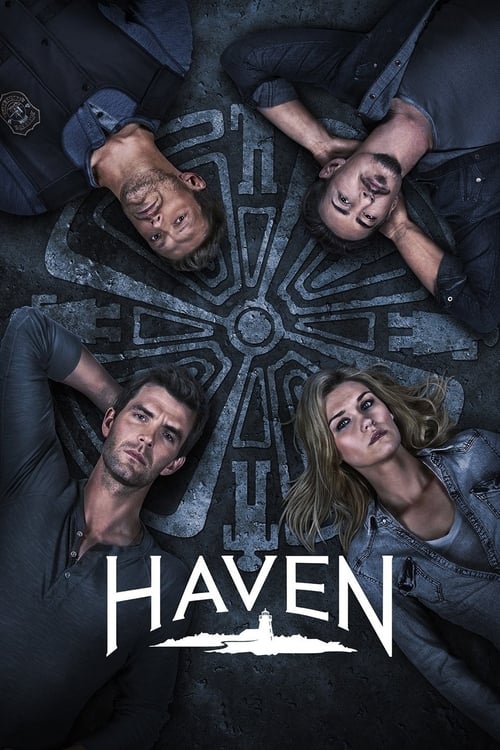
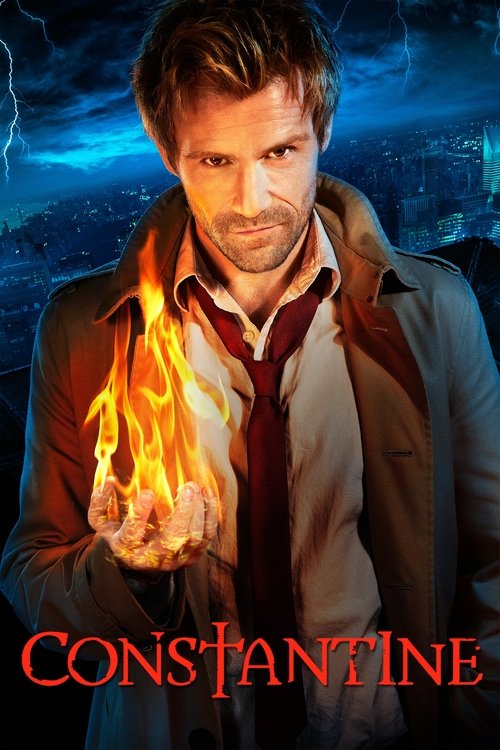
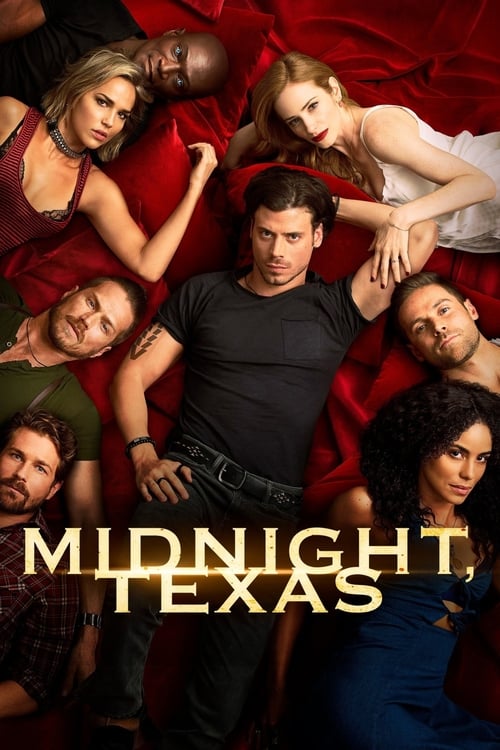
TV series with the same monster-of-the-week pulse and mythology-heavy long game.


Road Horror and the Devil You Know
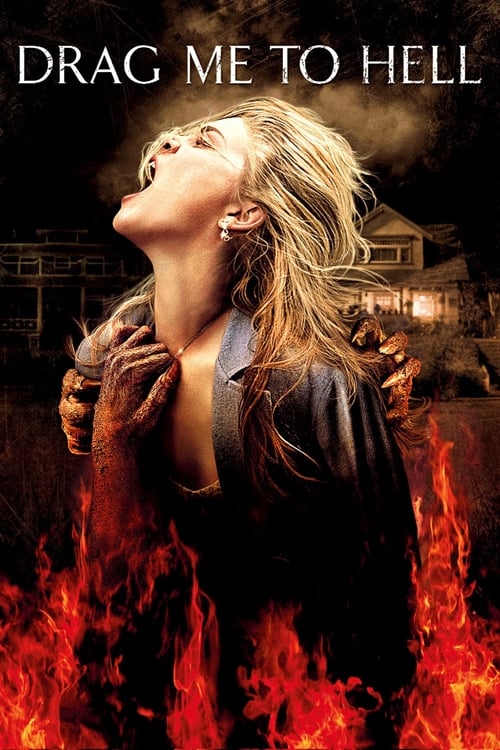
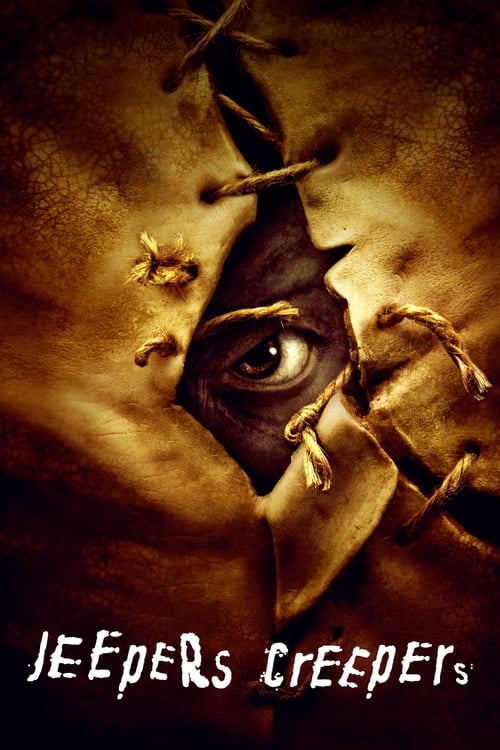
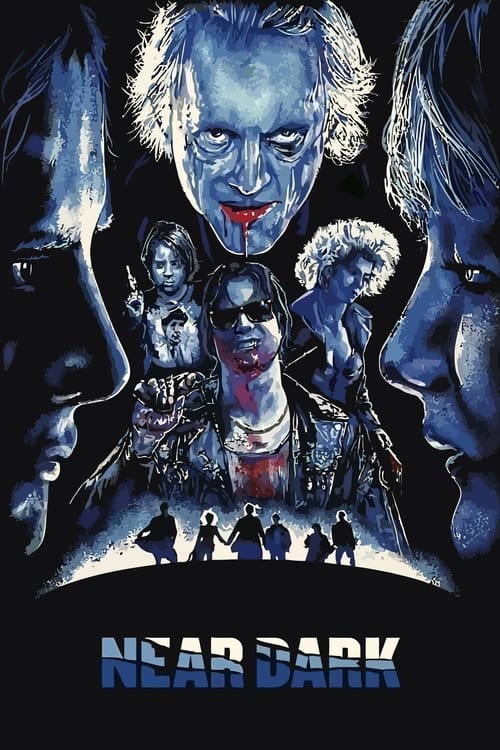
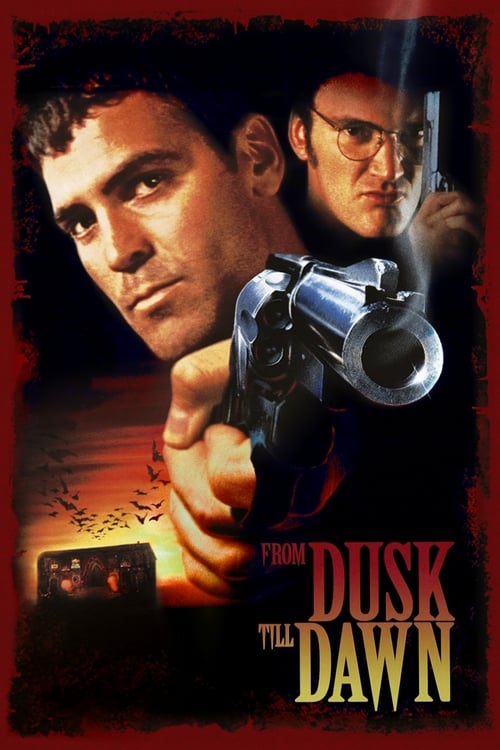
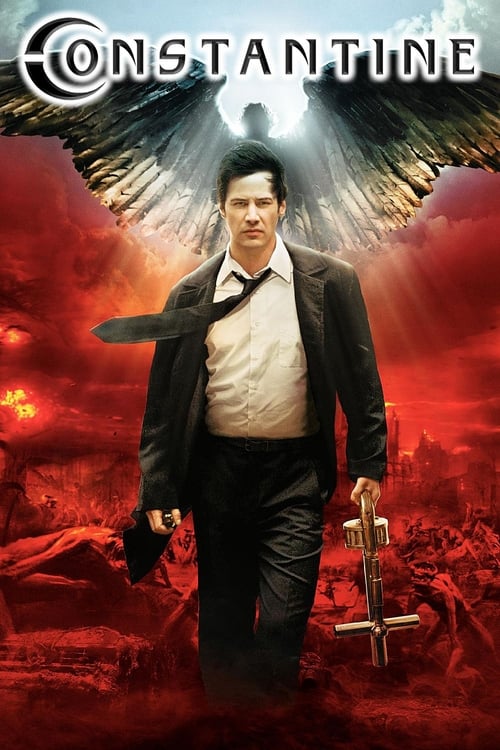
Films that share Supernatural's road-trip dread, demonic stakes, and blue-collar supernatural fighters.

The Books Behind the Monsters
Novels and series that built the folklore Supernatural borrowed from, and the dark fiction that shares its DNA.


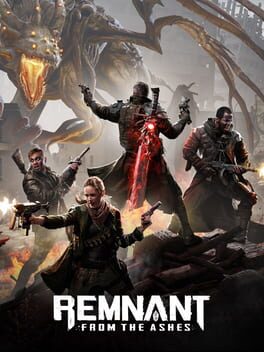
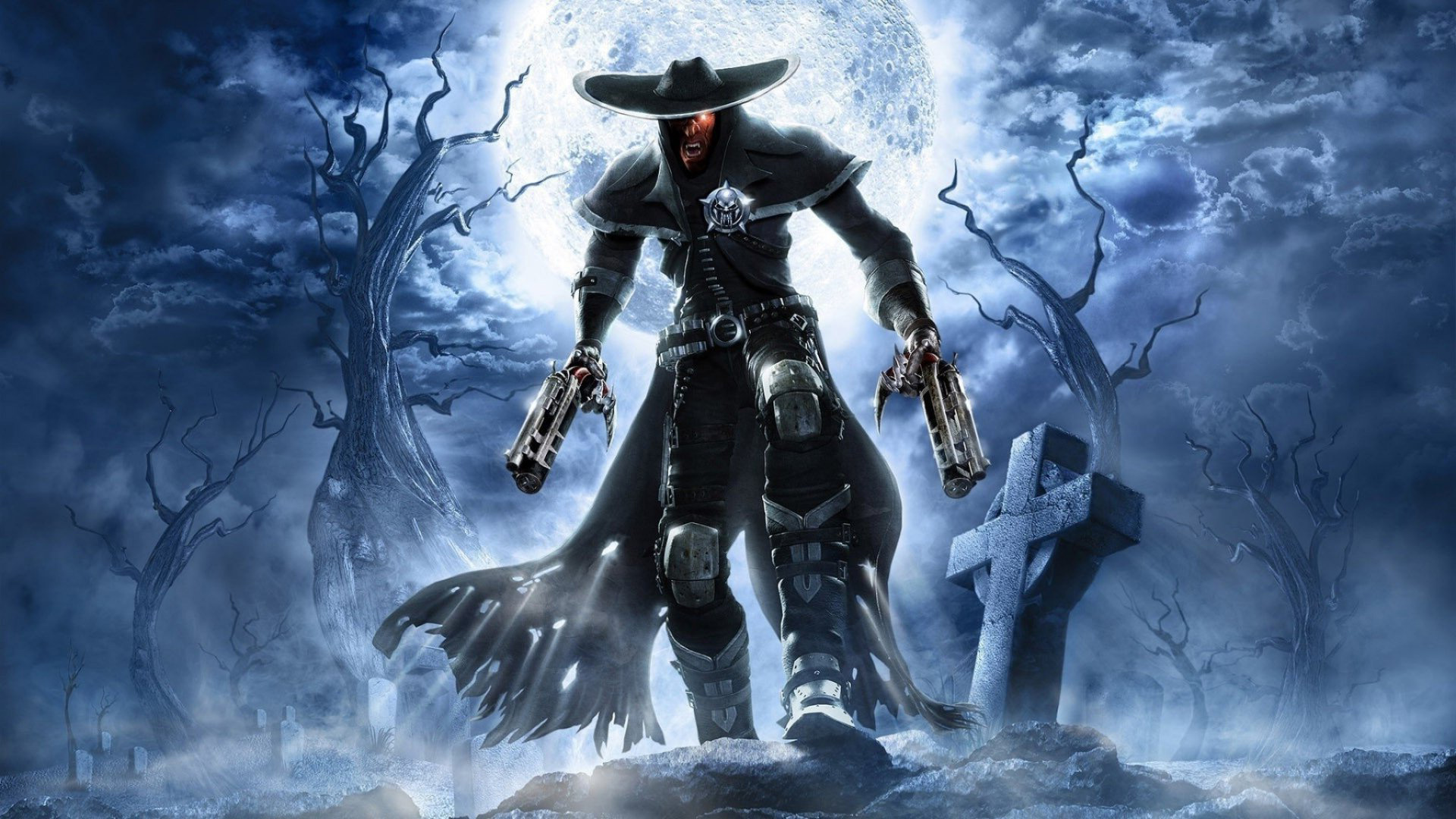
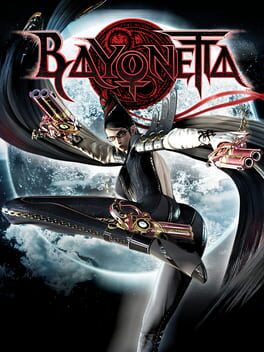
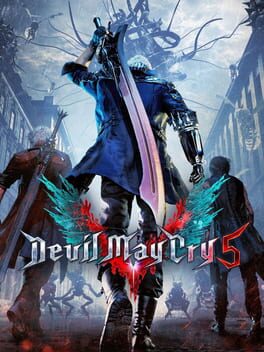
Hunt, Exorcise, Survive
Games built around demon-hunting, occult lore, and the weight of family or partnership under supernatural pressure.
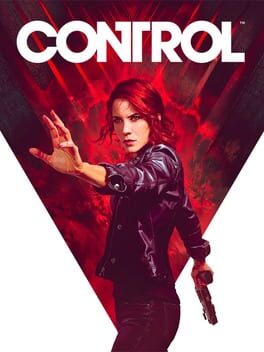
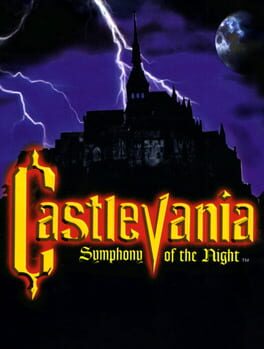
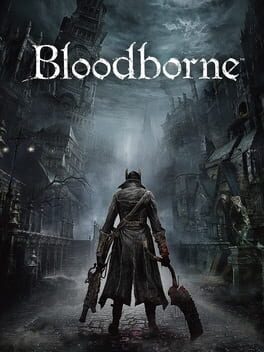
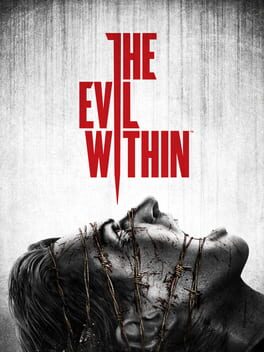
The Road Is the Point
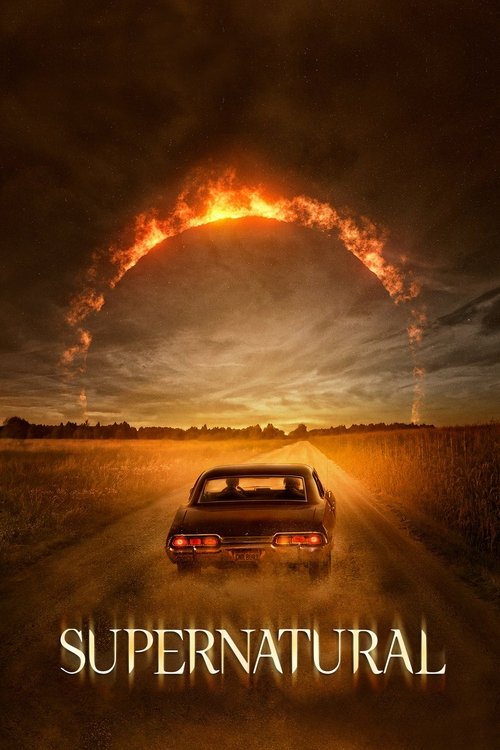
Supernatural never really cared about the destination. Every season finale reset the board precisely because the showrunners understood that the Impala rolling down an empty highway at night, classic rock bleeding from the speakers, was the emotional contract with the audience. The monsters are almost incidental. What fans return to is the texture of perpetual motion, the idea that two people can make a home in movement itself. That is why the show's best episodes often involve detours, bottle episodes, and '70s-soaked flashbacks rather than mythology payoffs.
Good Omens Cracked the Same Code First
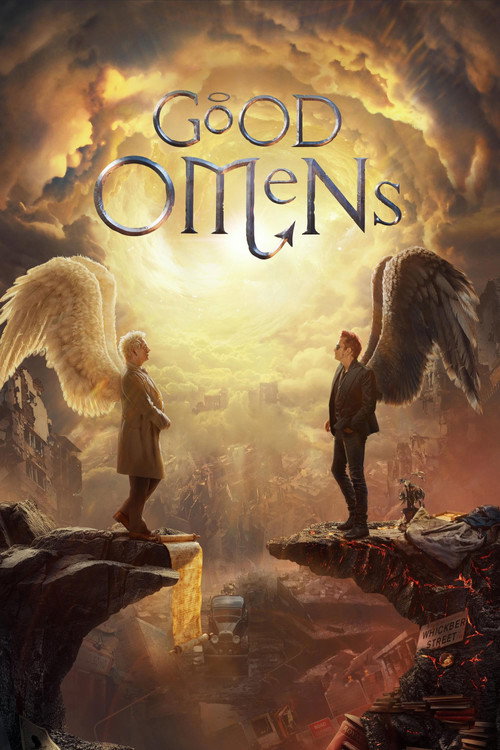
Long before Supernatural reached its angel mythology phase, Neil Gaiman and Terry Pratchett wrote the definitive buddy comedy about a demon and an angel navigating the apocalypse. The affection for its leads, the irreverence toward Heaven and Hell as bureaucracies, and the sense that personal loyalty outranks cosmic duty are all present in Gaiman's novel. The Amazon adaptation with David Tennant and Michael Sheen then demonstrated what Supernatural's later seasons aspired to: genuine warmth between opposite-aligned partners who have, against all reason, chosen each other.
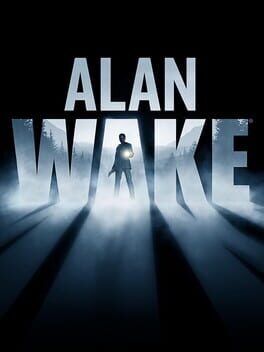
Alan Wake Is What Supernatural Would Look Like as a Game
Remedy's Alan Wake is the nearest gaming analog to Supernatural's feel: a Pacific Northwest setting soaked in fog and malevolence, a mythology drawn from real folklore stitched to pop-culture obsession, and a protagonist running on caffeine, stubbornness, and faint hope. The sequel, Alan Wake 2, deepens the cosmic horror while keeping the same self-aware genre intelligence that made Supernatural's meta episodes ("The French Mistake" included) beloved. Both franchises understand that audiences enjoy watching characters realize the genre they inhabit.
The X-Files Proved the Formula Before Supernatural Existed
Mulder and Scully established the template: two investigators, a monster-of-the-week structure layered over a serialized mythology arc, and a central relationship that the audience cared about more than any individual case. Supernatural watched that show's mistakes (mythology bloat, will-they-won't-they fatigue) and course-corrected by centering its two leads as brothers instead of romantic partners, which gave the show permission to be openly emotional without deflection. The X-Files is the origin point; watching it clarifies exactly what Supernatural chose to preserve and what it quietly fixed.
A Timeline of the Genre
- 1984A Nightmare on Elm Street establishes the horror mythology of a single recurring supernatural antagonist with rules. A Nightmare on Elm Street
- 1993The X-Files airs, inventing the monster-of-the-week plus mythology-arc template that Supernatural inherits directly. The X-Files
- 1996Buffy the Vampire Slayer film seeds the idea of a reluctant teenage chosen hunter; the series follows in 1997. Buffy the Vampire Slayer
- 1990Neil Gaiman and Terry Pratchett publish Good Omens, the definitive literary template for angel-demon buddy dynamics. Good Omens
- 2000Storm Front, the first Dresden Files novel, launches urban fantasy's most durable blue-collar-wizard franchise.
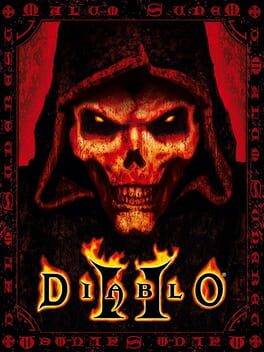
- 2001Diablo II at peak popularity, cementing the template of hunting demons across gothic landscapes with a chosen character class. Diablo II
- 2005Supernatural premieres on the WB. Two brothers, one dead mother, and a trunk full of salt and iron. Supernatural
- 2007American Gods published in expanded form; Neil Gaiman's meditation on old gods surviving in modern America becomes the novel most spiritually aligned with Supernatural's later seasons. American Gods
- 2010Alan Wake releases, bringing Pacific Northwest supernatural dread into games with a writer protagonist and a darkness with its own mythology. Alan Wake
- 2019Good Omens arrives on Amazon Prime, vindicating the angel-demon partnership as mainstream prestige TV. Good Omens
- 2020Supernatural concludes after fifteen seasons, the longest-running genre show in American television history at the time. Supernatural
- 2022Alan Wake 2 enters development; releases 2023 as the most sophisticated expression of meta-supernatural horror gaming.
Saving people, hunting things. The family business.Dean Winchester, Supernatural