
Taika Waititi makes films that laugh at death, colonialism, loneliness, and Marvel budgets with equal irreverence. The New Zealand director built his reputation on small, character-driven comedies (Eagle vs Shark, Boy, Hunt for the Wilderpeople) before bringing that same offbeat warmth to vampire mockumentary What We Do in the Shadows and the Oscar-winning Jojo Rabbit. Even his blockbuster work (Thor: Ragnarok, Thor: Love and Thunder) carries the fingerprints: pop-culture pastiche, genuine emotional gut-punches hidden inside gags, and a recurring fondness for outsiders who find their footing through found family. If you love Waititi, you love a particular kind of filmmaker: one who treats absurdism as a delivery mechanism for sincerity.
Essential Taika Waititi
His own films, ranked by the ratio of laughs to unexpected feelings

Same Energy: Directors Who Play It Absurd to Hit You Hard
Filmmakers who share Waititi's trick of hiding real emotion inside comedy

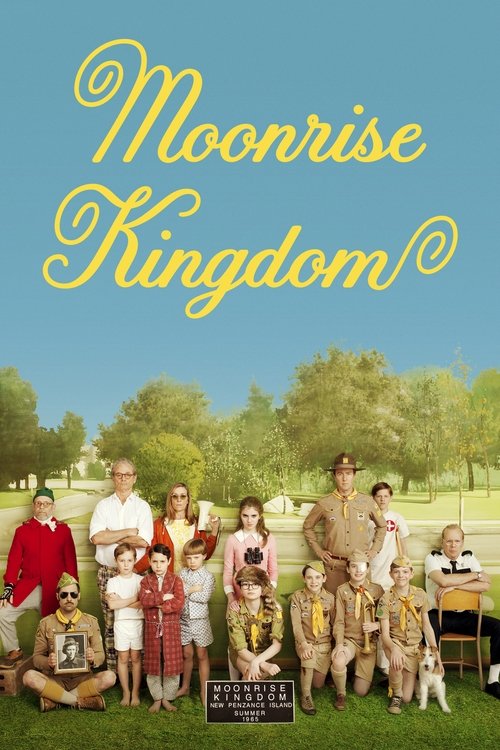
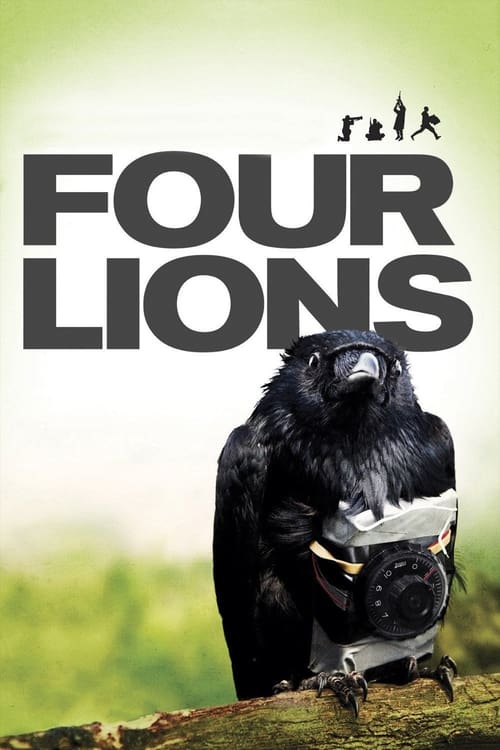
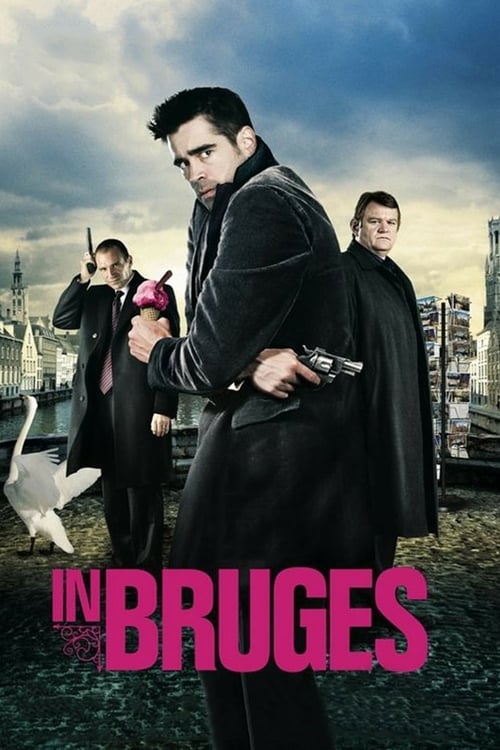


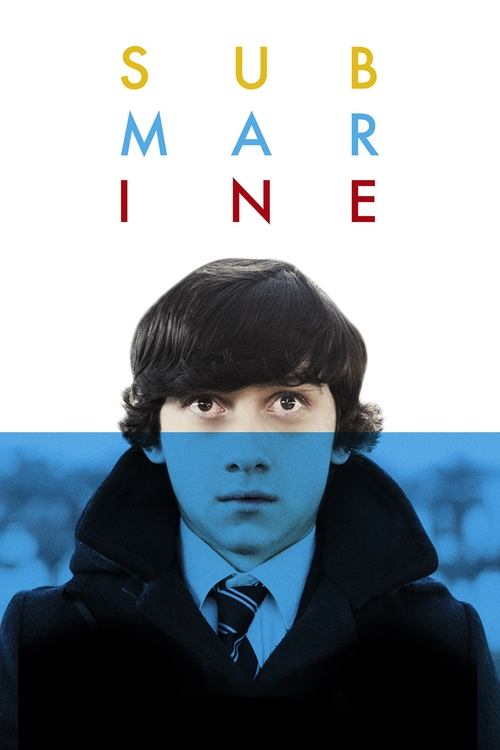

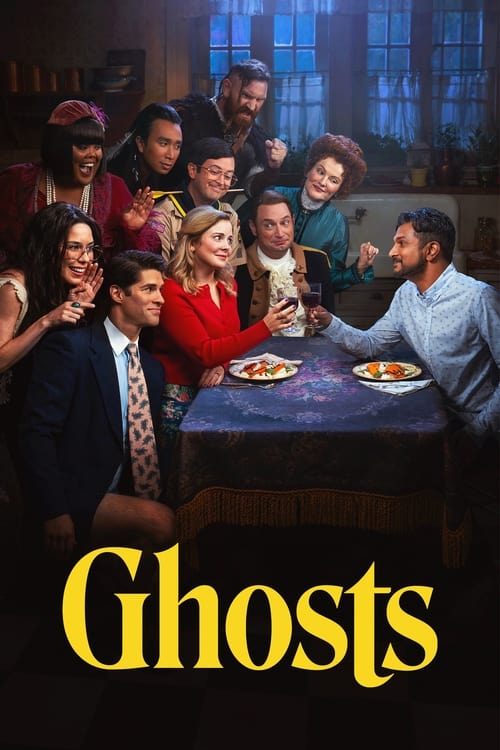
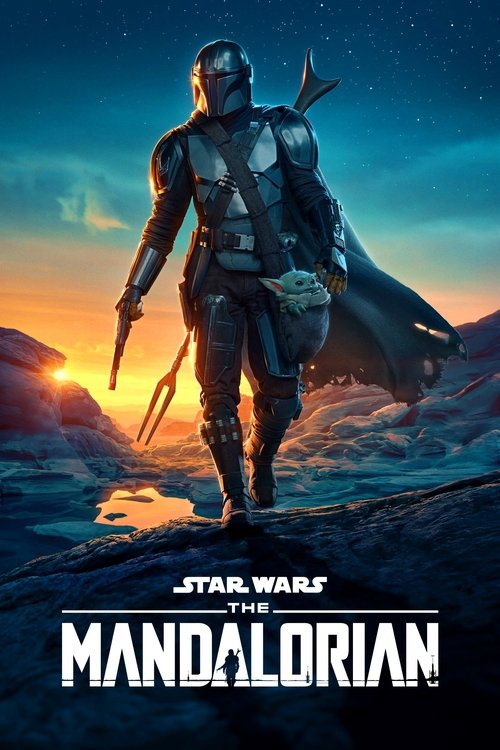
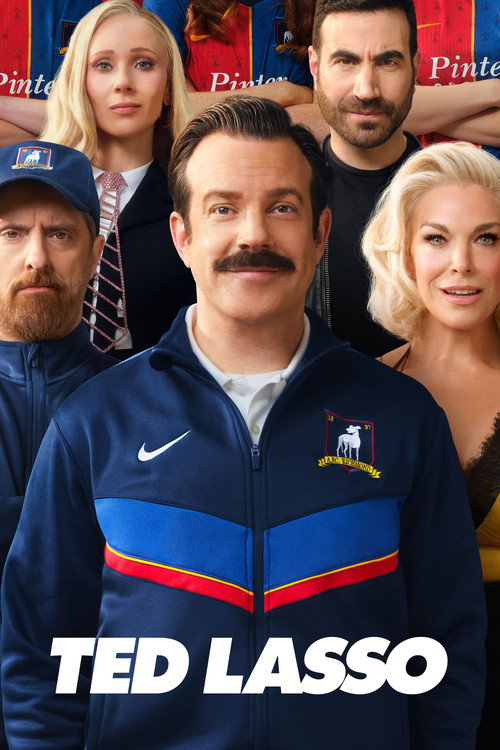
Series That Share the Waititi Wavelength
TV that blends genre pastiche, warm outsider characters, and unexpected sincerity


Books Behind the Films and the Sensibility
Novels and source material that share Waititi's blend of grief, humor, and found family


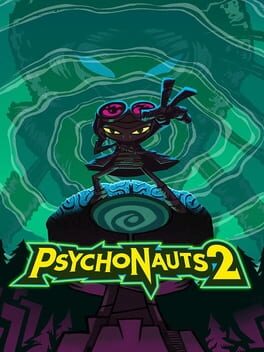
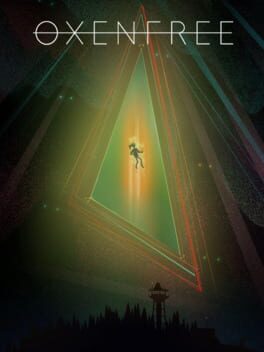
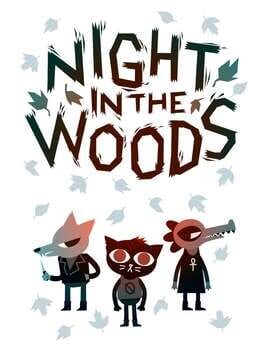
Games With That Irreverent, Heartfelt Edge
Games that use comedy and absurdism to sneak in something genuinely affecting
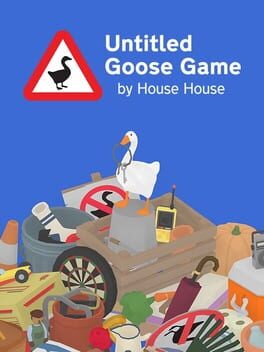
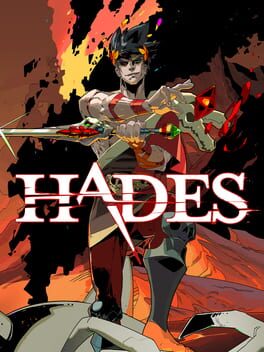
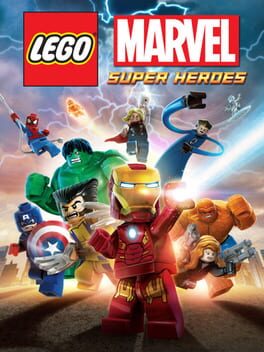
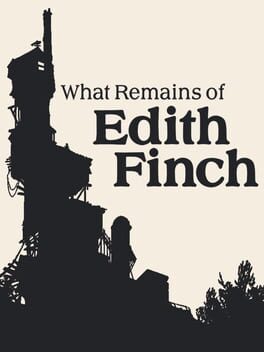
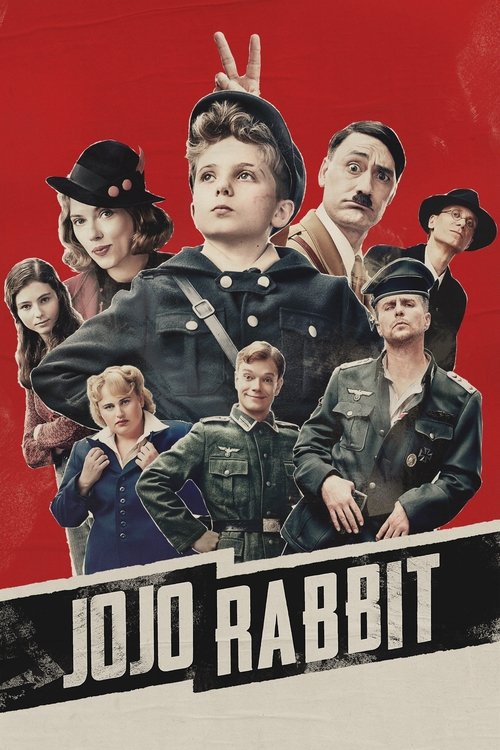
Jojo Rabbit Is the Definitive Waititi Film
Every Waititi hallmark converges in Jojo Rabbit: the self-insert absurdist character (Hitler as an imaginary friend played for maximum ridiculousness), a child protagonist navigating grief through humor, and a gut-punch ending that earns every tear because the comedy set it up honestly. It won the Oscar for Adapted Screenplay and deserved it. The source novel, Caging Skies by Christine Leunens, is worth reading alongside it, not least to see how freely Waititi transforms raw material into something distinctly his own.
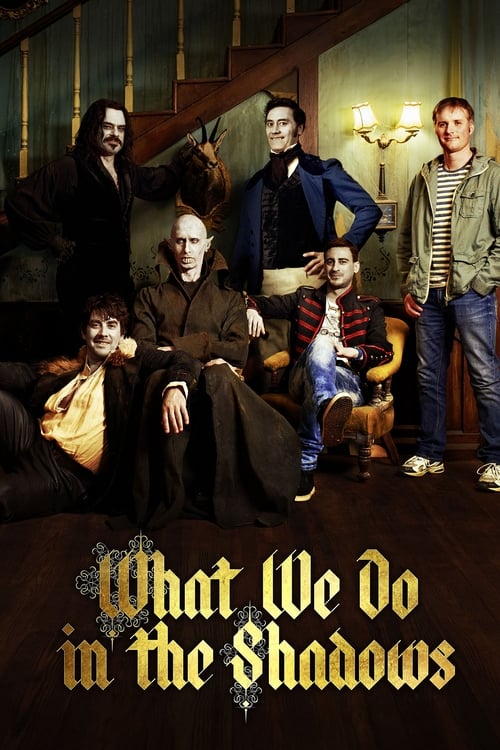
What We Do in the Shadows Changed Mockumentary Forever
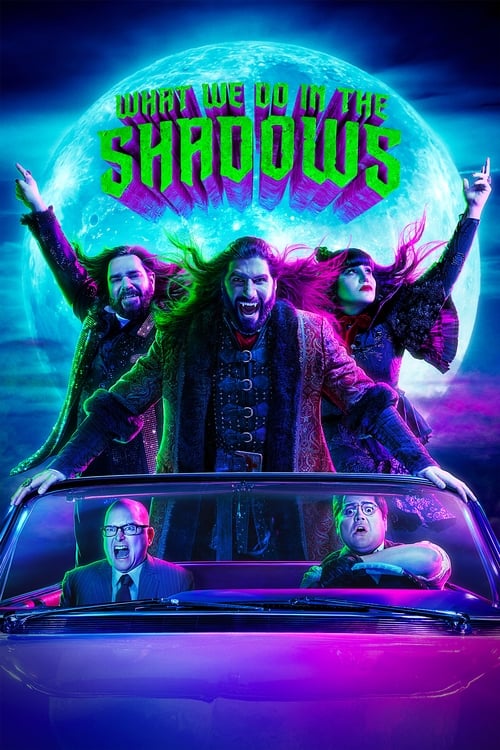
The 2014 film is a perfect object: a mockumentary about flat-sharing vampires in Wellington that uses the format to expose real loneliness and the absurdity of living too long. The FX television spinoff (set in New York) runs on the same engine and has become one of the best comedy series of the decade. What distinguishes both is that Waititi and Clement never mock the characters from outside; the joke is always that these ridiculous beings take themselves completely seriously, which is, of course, the human condition.
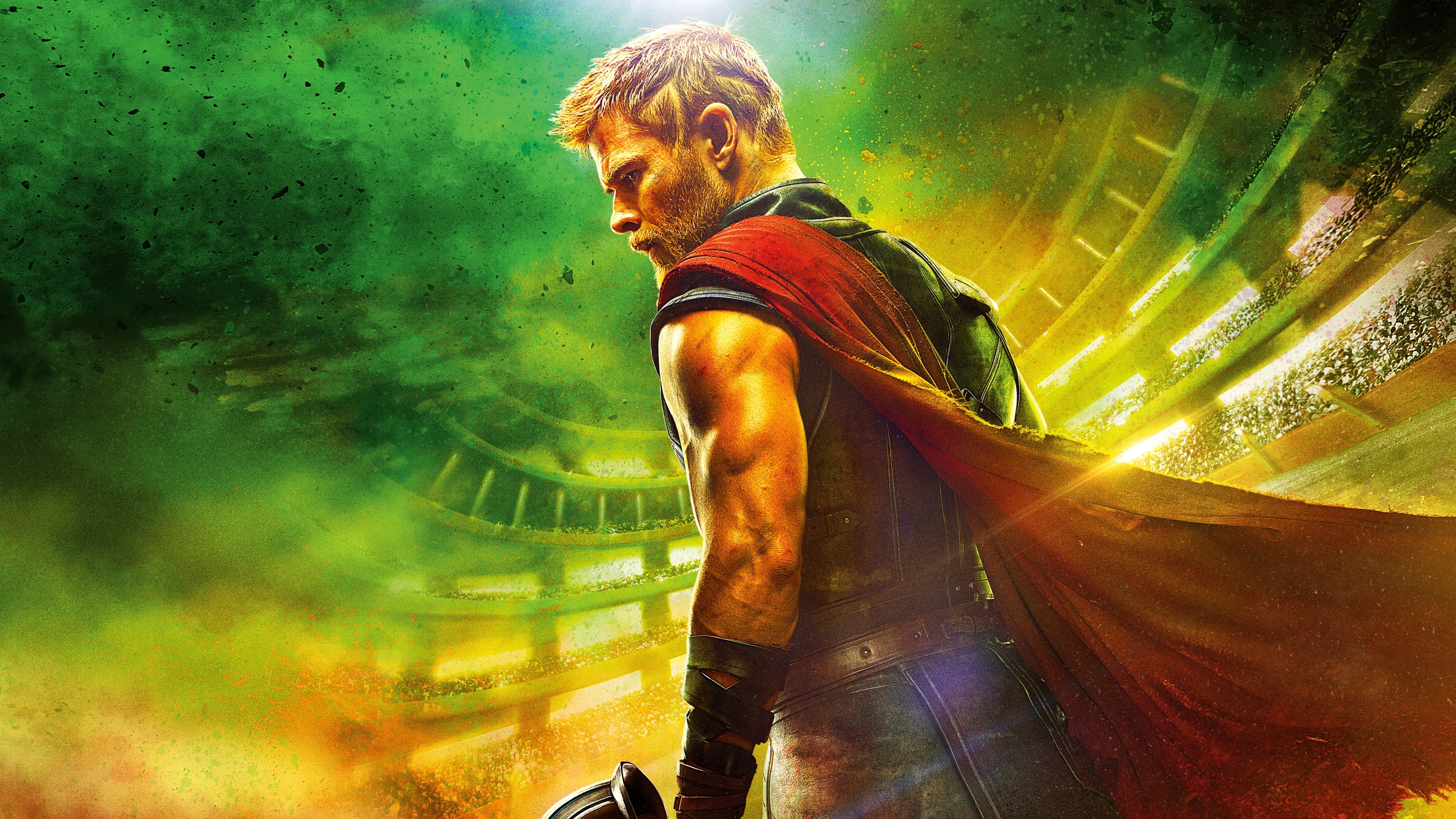
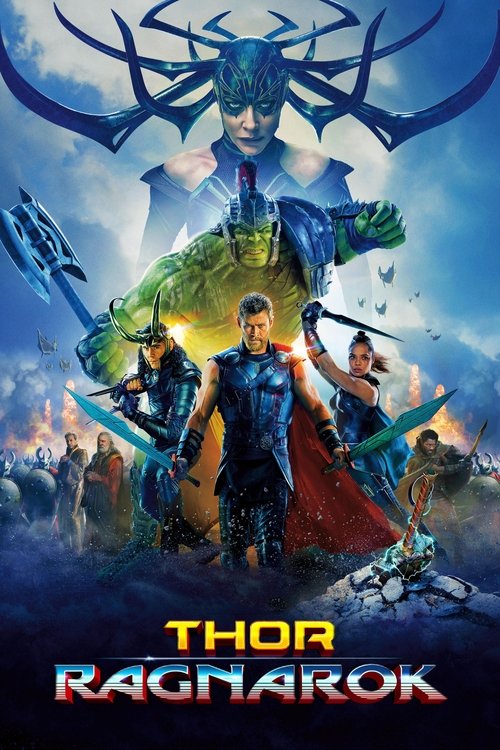
Thor: Ragnarok Proved Studio Films Could Have a Personality
Ragnarok did not invent the self-aware blockbuster, but it applied Waititi's specific sensibility to a Marvel property with enough confidence to change what those films could sound like. The Jeff Goldblum-as-Grandmaster scenes, the Led Zeppelin needle drop, Korg as a gentle stoner revolutionary: these are a director insisting on authorship within a franchise machine. The result is the most purely enjoyable Thor film and one that convinced a generation of filmmakers that you could bring genuine comic voice into industrial production.
Boy Is Where the Heart Lives
Before the international deals and the Oscars, there was Boy (2010), a low-budget New Zealand film about an 11-year-old waiting for his deadbeat father to become the hero he has invented in his head. It remains the purest statement of Waititi's core theme: the collision between the stories children tell themselves about their parents and the reality of adults who are simply not up to the job. The film is funny, the ending is honest, and Waititi plays the father himself with a charisma that makes you understand exactly why the boy was fooled.
A Filmmaker in Full
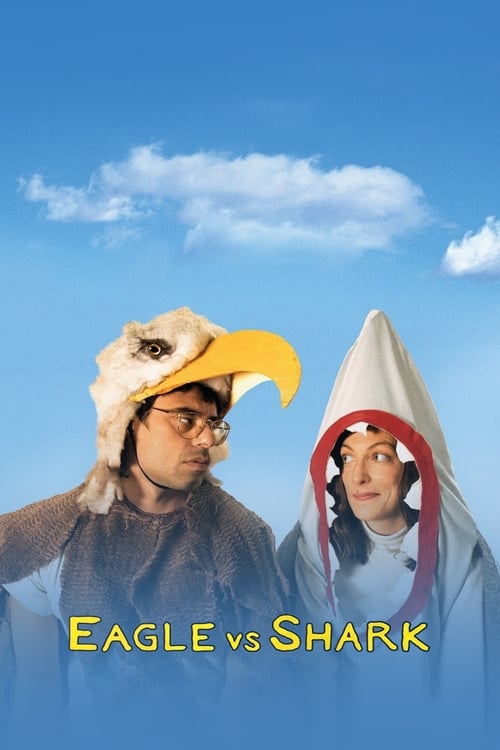
- 2007Feature debut Eagle vs Shark
- 2010Breakthrough at home Boy
- 2014Vampire mockumentary changes the genre What We Do in the Shadows
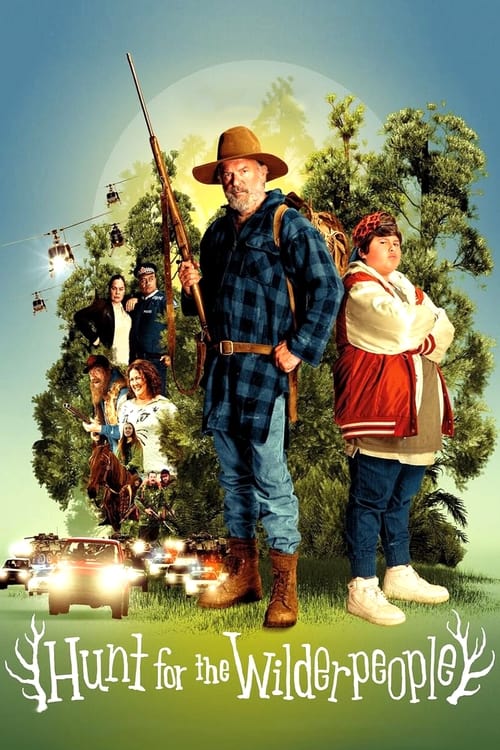
- 2016Hunt for the Wilderpeople breaks NZ box-office records Hunt for the Wilderpeople
- 2017Ragnarok: studio auteurship at scale Thor: Ragnarok
- 2019Oscar win for Adapted Screenplay Jojo Rabbit
- 2019TV spinoff premieres on FX What We Do in the Shadows
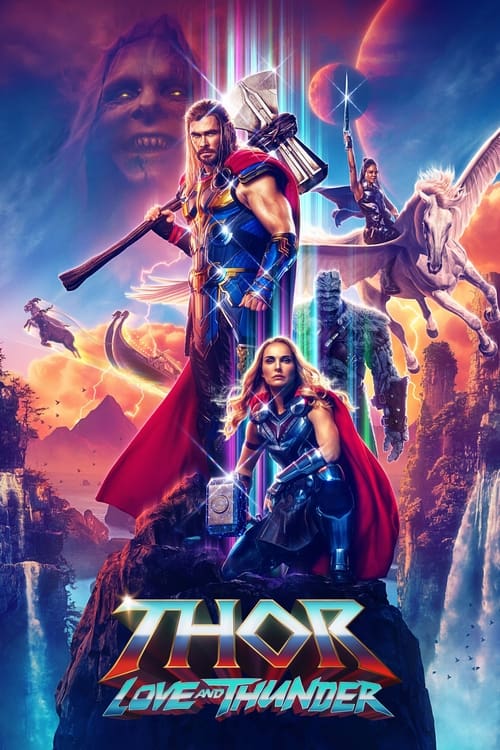
- 2022Returns to the MCU Thor: Love and Thunder
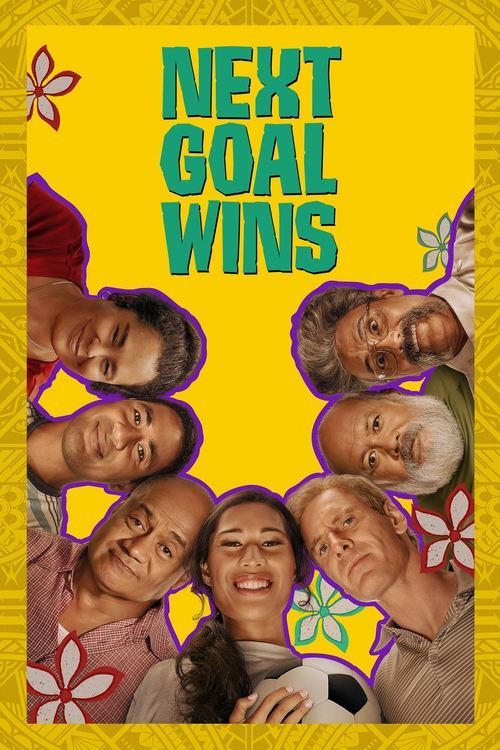
- 2023Football comedy, underdog sincerity Next Goal Wins
Absurdist Heart and Found Family
Every Version of What We Do in the Shadows
Explore the Every Version of What We Do in the Shadows guide →He makes films about people who desperately want to be loved and are not quite sure how to ask for it. The comedy is the asking.CrossBinge