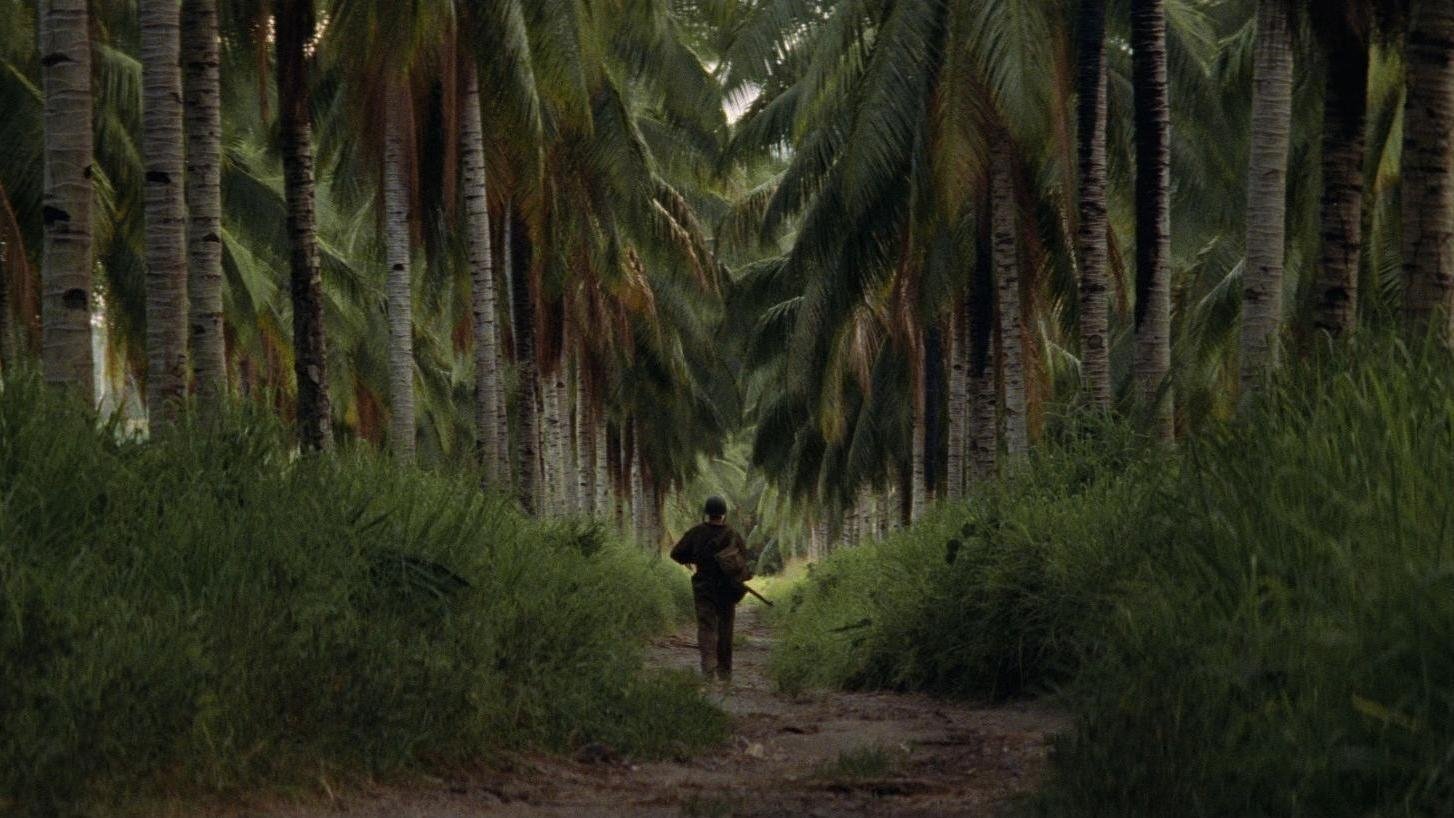

Terrence Malick makes films the way a poet makes a line: by removing everything that does not carry weight. His camera drifts through tall grass and cathedral light; his characters speak to God, or to themselves, or to no one in particular. From the Texas panhandle in Badlands to the Guadalcanal jungle in The Thin Red Line to the cosmic prelude of The Tree of Life, Malick has always been asking the same question: how do we live when beauty and violence share the same moment? His output is small, his influence enormous. Fans of his work tend to be fans for life, drawn back by something they cannot fully articulate. This guide collects the films, books, music, games, and series that orbit the same territory: nature as metaphor, consciousness as subject, form bent to feeling.
Essential Terrence Malick
His films, in the order he made them

Same Wavelength: Directors Who Share His DNA
Films built on image, feeling, and natural light


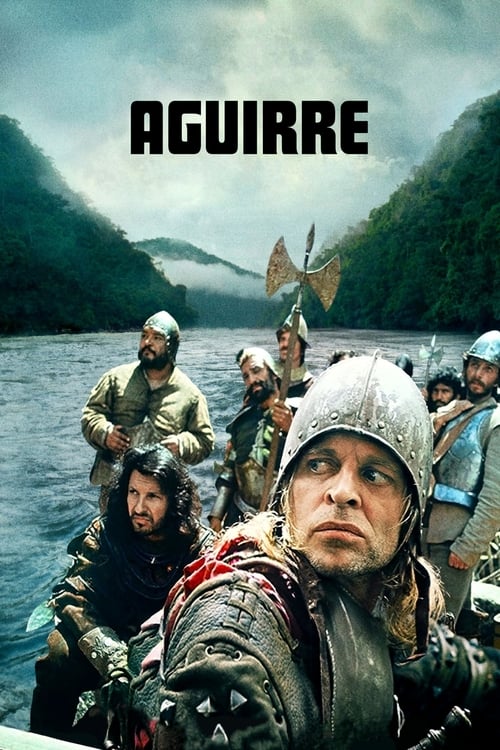
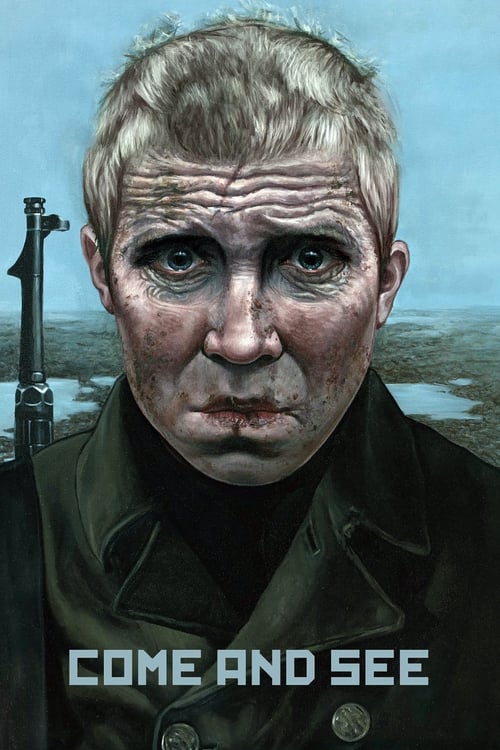
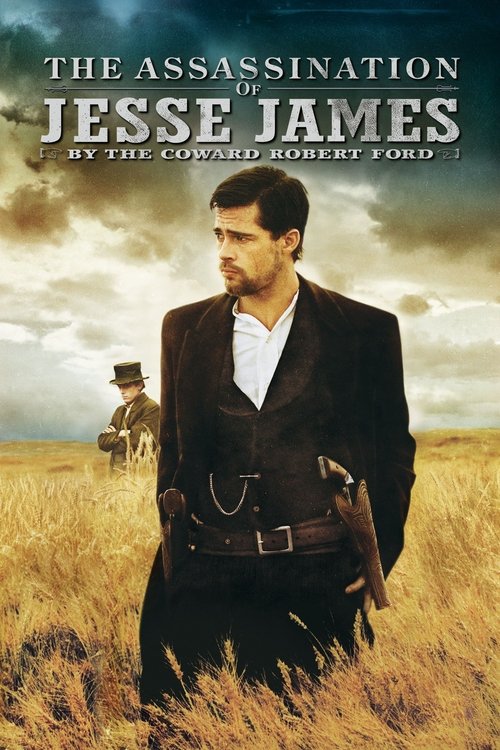
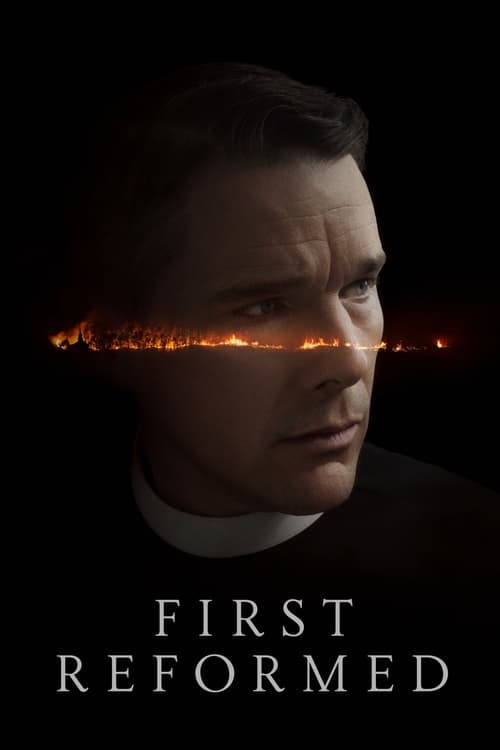
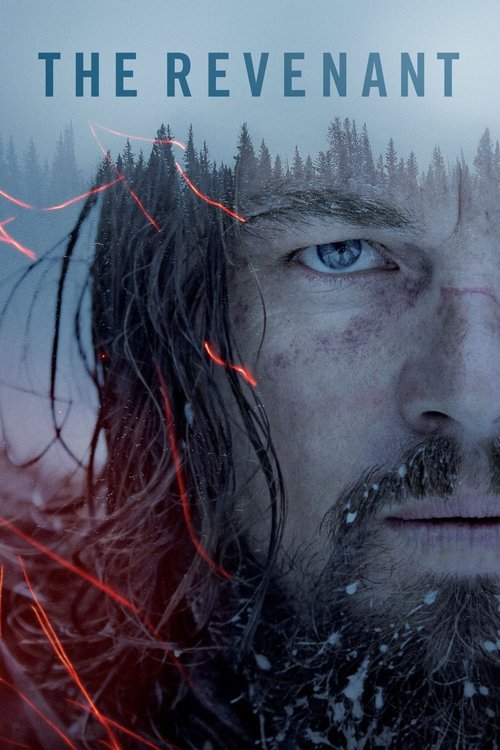
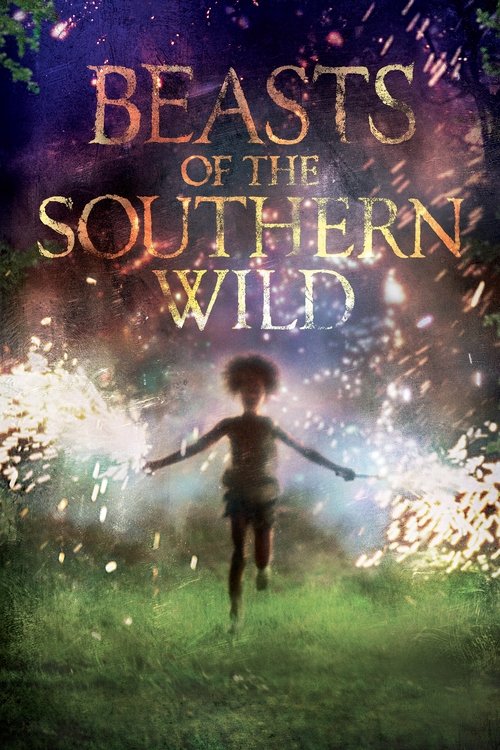

Slow Cinema and Inner Life on Screen
Series and films that trade plot for presence
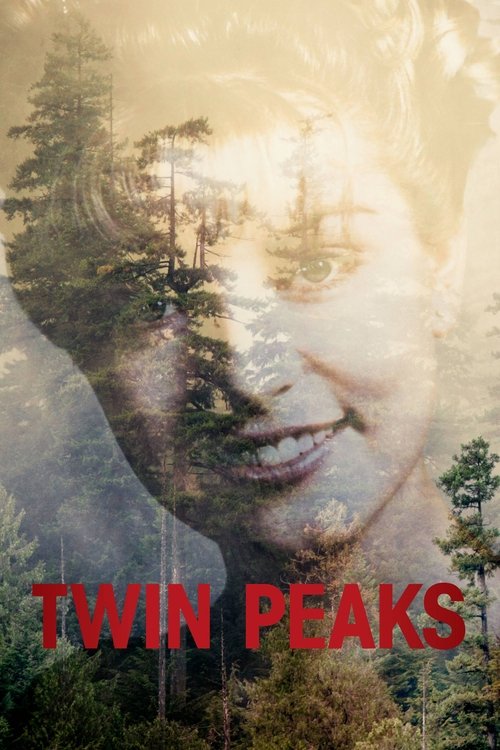
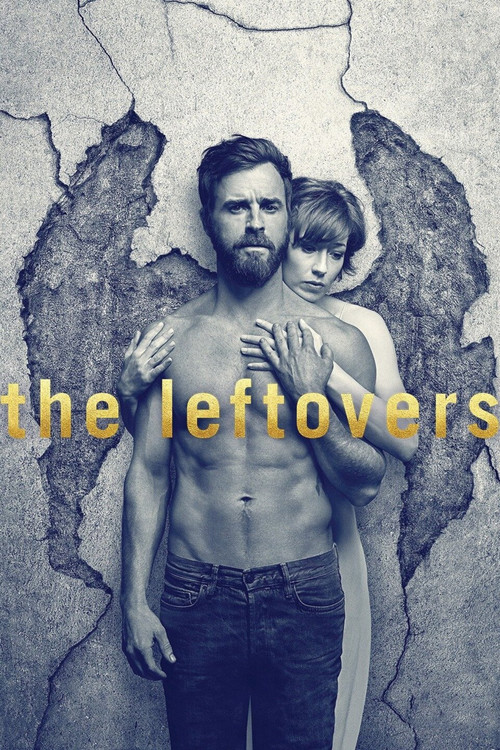


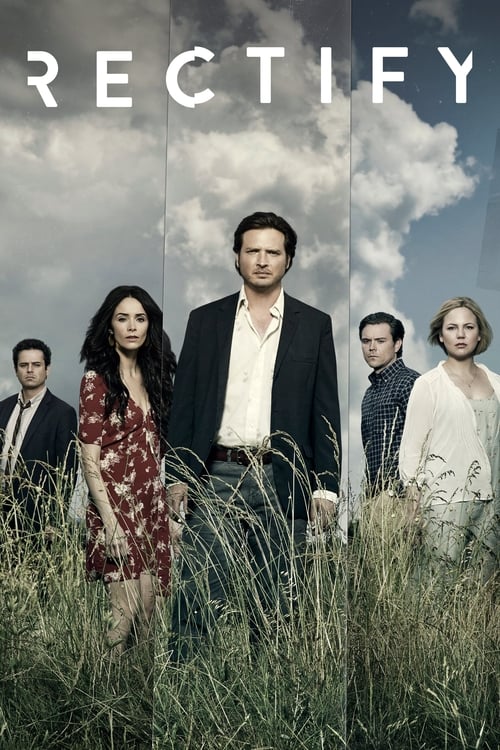
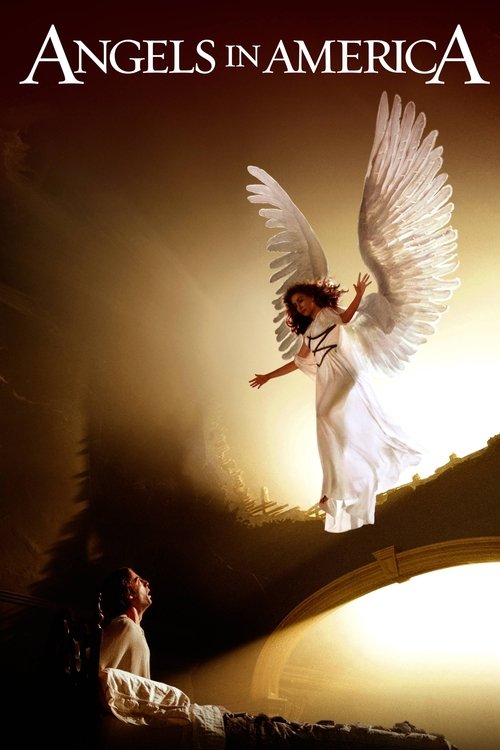
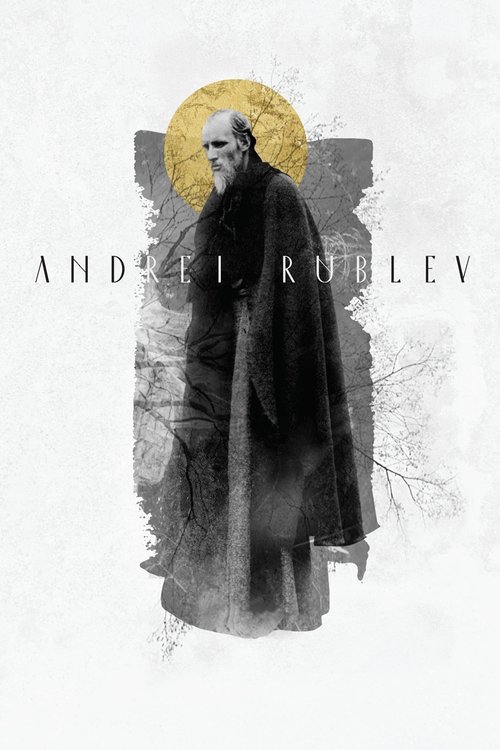
The Books Behind the Light
Novels and philosophy that feed Malick's obsessions


Games of Landscape and Longing
Games that put you inside a world rather than on top of it



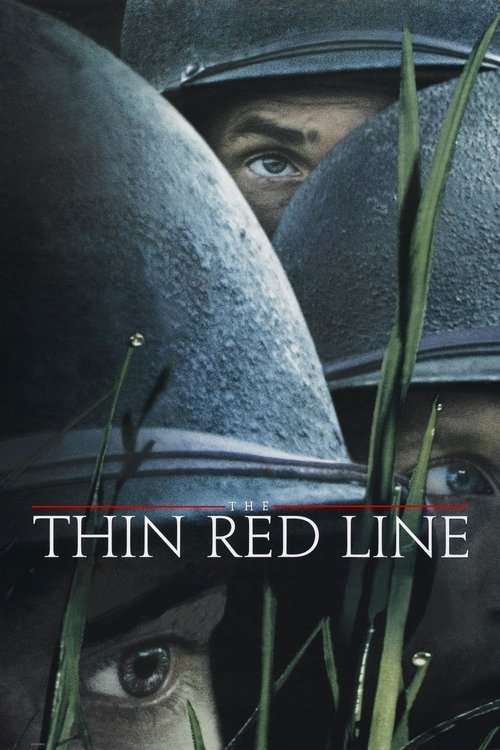
The Thin Red Line Is the Greatest War Film About Peace
Most war films want you to feel the weight of violence. The Thin Red Line wants you to feel the weight of a bird singing while men die nearby. Malick treats Guadalcanal not as a military campaign but as a collision between human savagery and the indifference of nature. The soldiers narrate in fragments of prayer and doubt. The result is a film that has almost no interest in who wins. It is one of the most radical choices ever made with a $50 million budget.
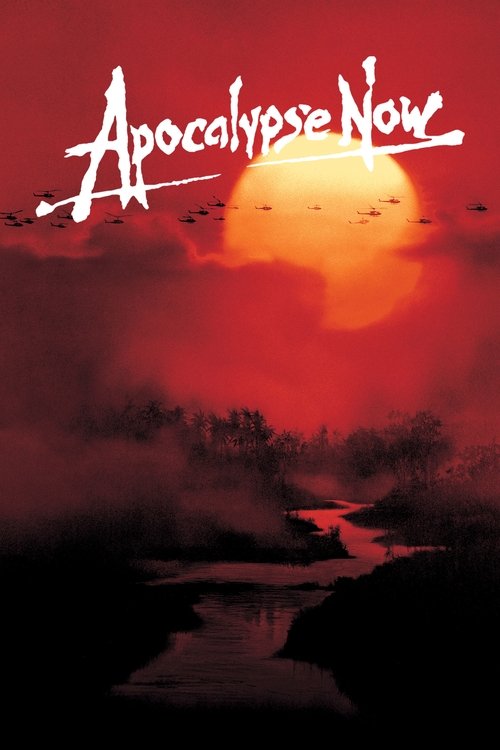
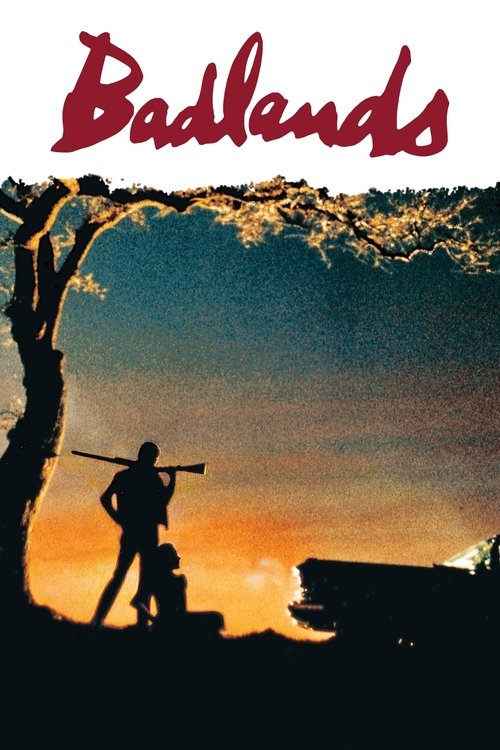
Badlands Invented the Fugitive Romance Before Anyone Knew It Was a Genre
Malick's debut came from a real case (the Starkweather murders of 1958) and produced something that neither exploits its subject nor romanticizes it. Holly's narration, breezy and naive, creates the film's real horror: the gap between what she describes and what we see. Martin Sheen's Kit is not cool, he is hollow, and the film knows it even when the characters do not. Every road-movie killer-couple film since owes something to this one.
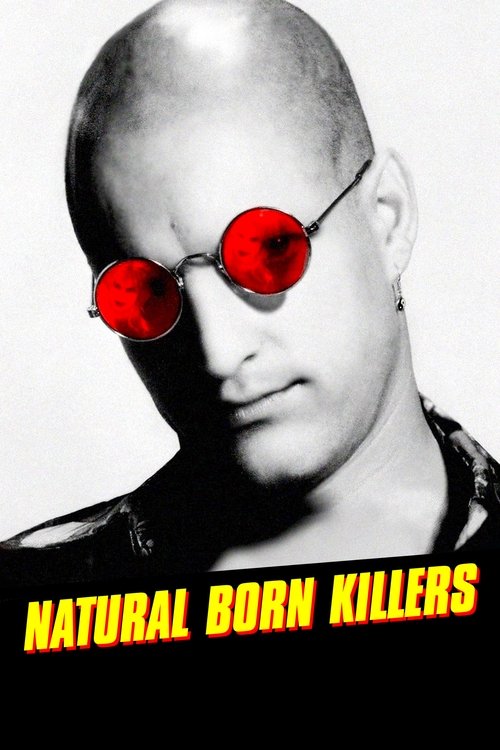
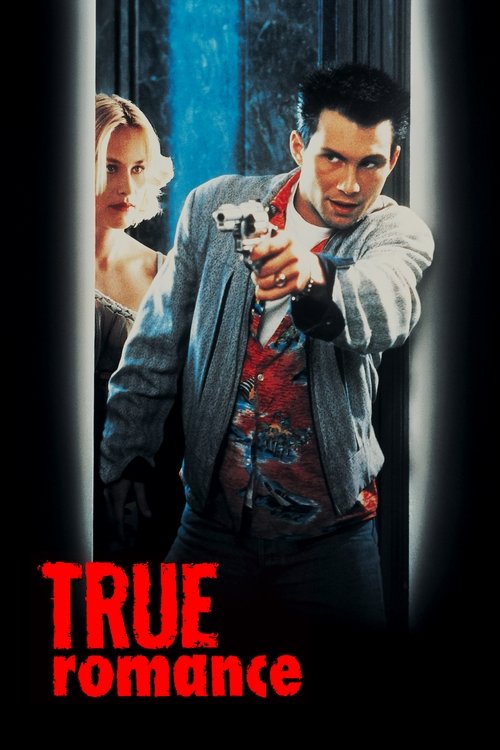
A Hidden Life Asks the Question Most Cinema Avoids
Franz Jagerstatter was an Austrian farmer who refused to swear loyalty to Hitler and was executed in 1943. Almost no one knows his name. Malick spent three hours on that fact. A Hidden Life is not a film about heroism as reward; it is a film about doing the right thing when doing so changes nothing and costs everything. The church officials, the lawyers, the neighbors all counsel compromise. Franz does not argue. He simply cannot. It is Malick's most direct and devastating work.
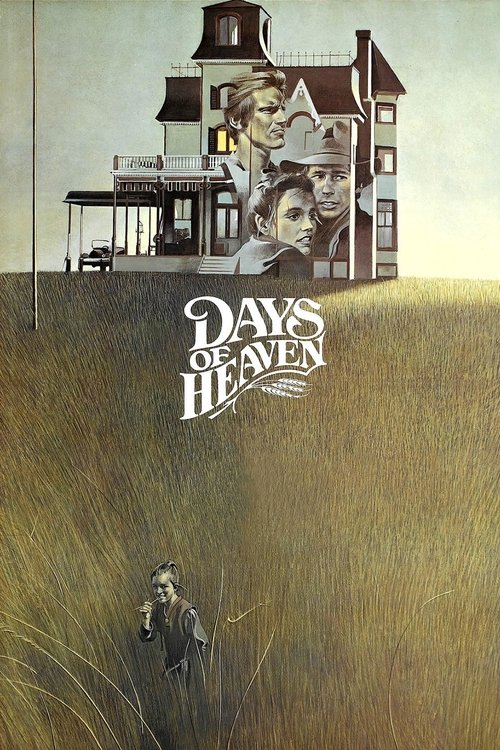
Days of Heaven Is a Painting You Can Hear
Nestor Almendros shot most of Days of Heaven in the twenty minutes of natural light between sunset and full dark. That single decision made the film. The story (a love triangle among migrant workers in 1910s Texas) is simple; the visual world it inhabits is extraordinary. The Ennio Morricone score borrows from Camille Saint-Saens and transforms it. If you have ever stood in a field at golden hour and felt briefly unable to move, this is the film made for that feeling.
Malick's Arc: Five Decades, Nine Films
- 1973Debut feature, based on the Starkweather murders Badlands
- 1978Magic-hour masterwork shot by Nestor Almendros Days of Heaven
- 1998Returns after 20 years with his Pacific War film The Thin Red Line
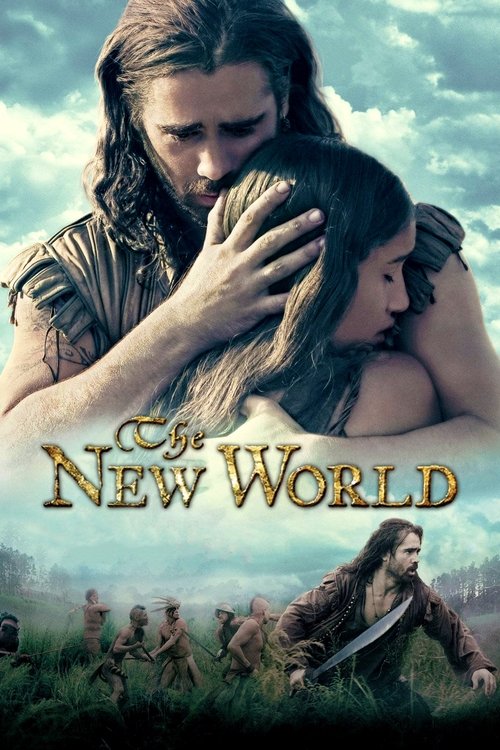
- 2005Pocahontas and the English colony reimagined The New World
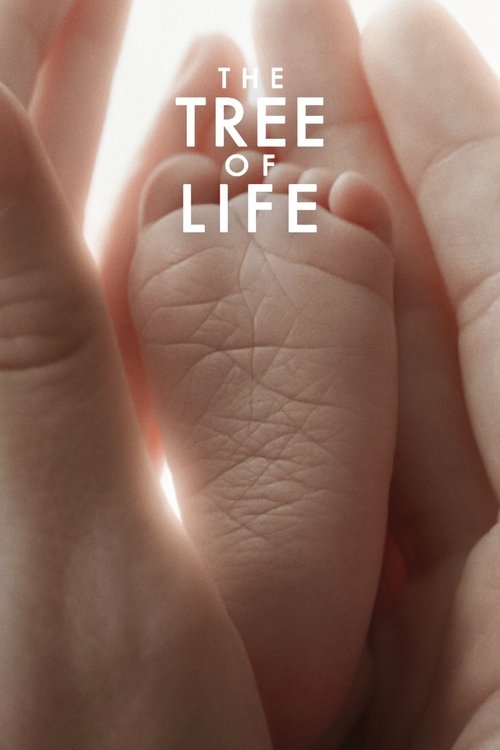
- 2011Palme d'Or: childhood, family, the origin of the universe The Tree of Life
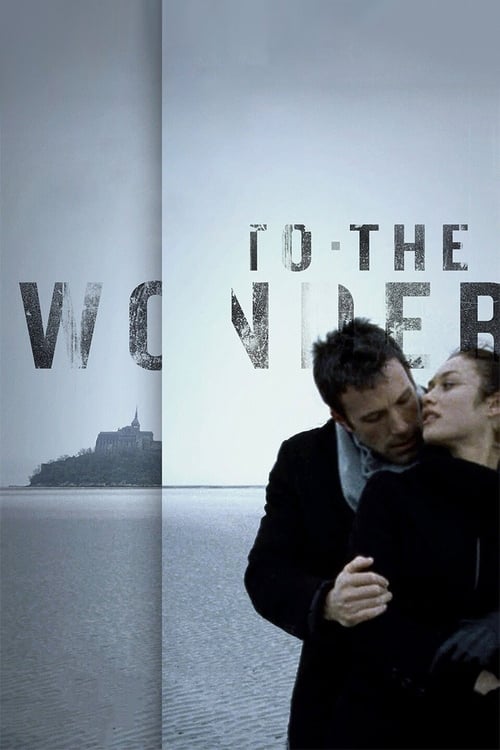
- 2012Love, faith, and the Oklahoma plains To the Wonder
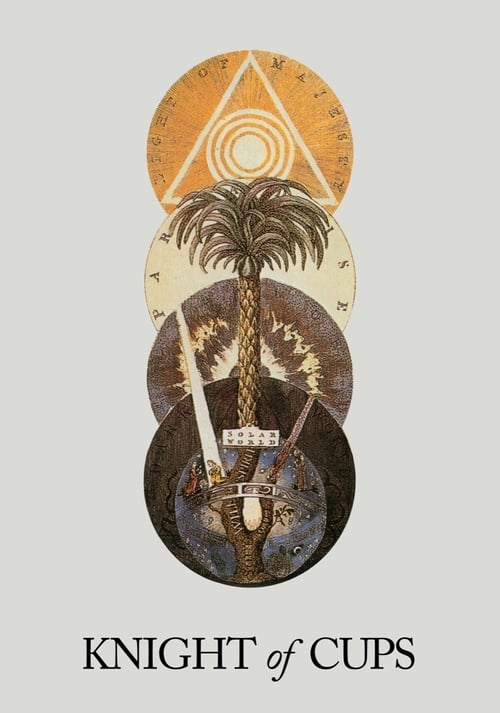
- 2015LA drift: a man lost inside his own desires Knight of Cups
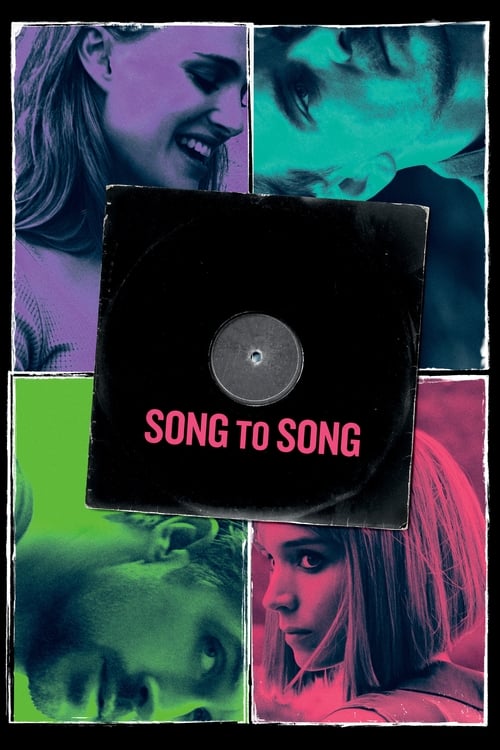
- 2017The Austin music world as a maze of longing Song to Song
- 2019Austrian conscientious objector, WWII, the stakes of conscience A Hidden Life
Golden-Hour Cinema and Ambient Reverie
For Fans of Post-Rock
Explore the For Fans of Post-Rock guide →He does not direct films. He discovers them, frame by frame, in the light that was already there.CrossBinge editorial