

Robert Greene's The 48 Laws of Power (1998) is not a self-help book in any conventional sense. It is a study of how power actually moves through human institutions, relationships, and history, drawn from Machiavelli, Sun Tzu, Talleyrand, and court chronicles most readers never encounter. What fans are chasing is a particular quality of attention: the willingness to look at social and political life without flattering illusions, to name the mechanics beneath the surface of charm, loyalty, and reputation. The book treats history as a laboratory where the same dynamics repeat across centuries and cultures. A reader who loves it wants that same unsentimental gaze applied to courts, corporations, wars, and streets, whether in narrative nonfiction, literary fiction, prestige television, or strategy games that reward deception over brute force.
The Strategy Shelf
Books that share the same cold precision: historical case studies, philosophical frameworks, and ruthless field guides to power, persuasion, and conflict.


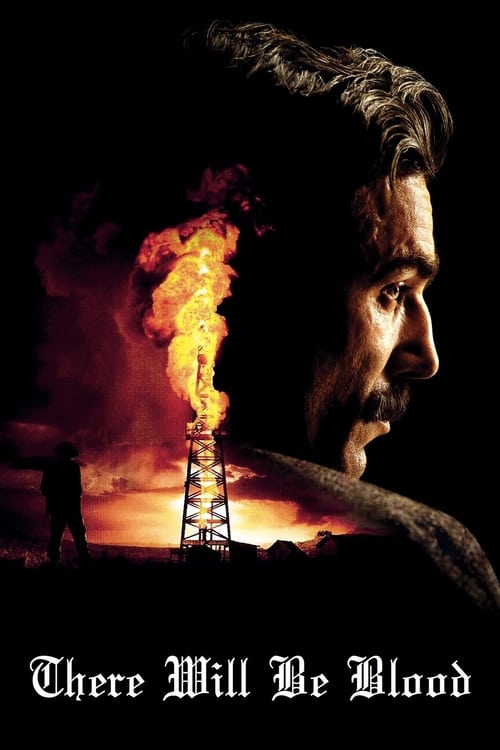
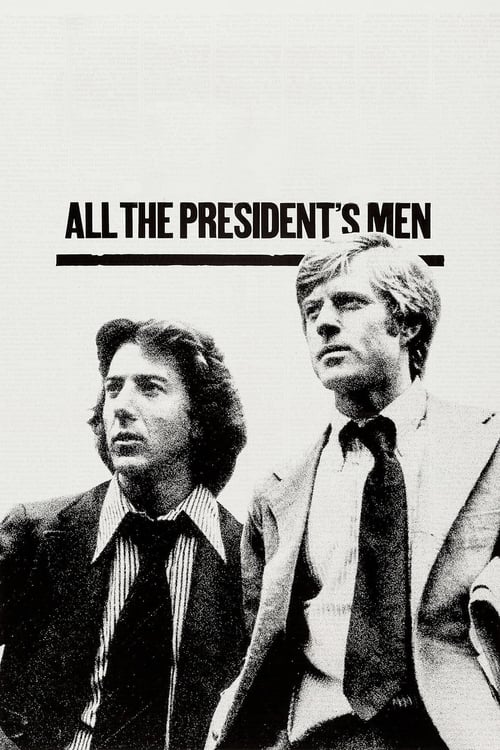
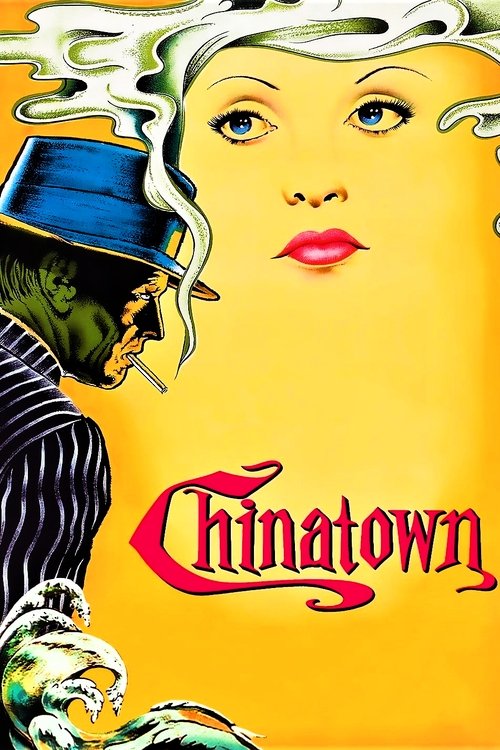
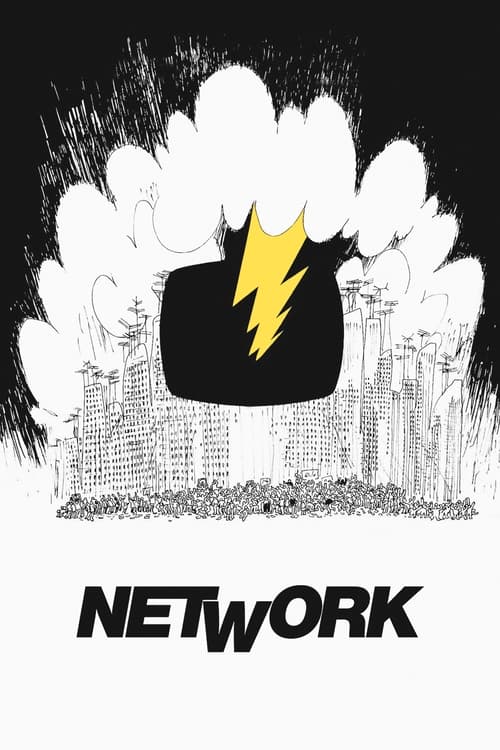
Films About Power Without Mercy
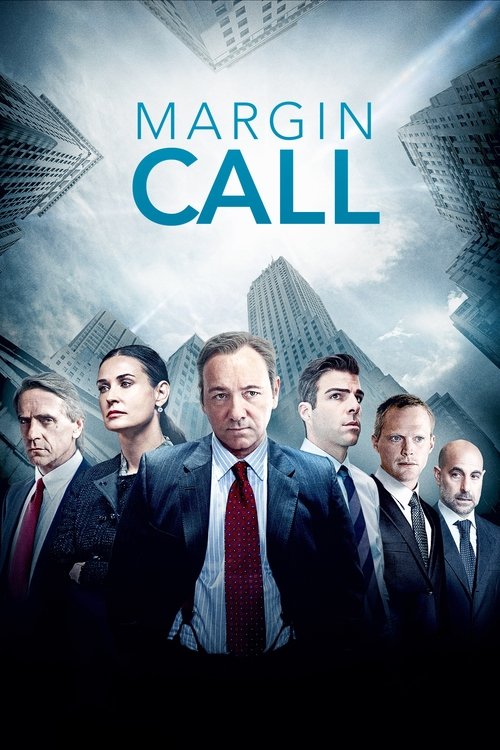
Movies that dissect ambition, manipulation, and institutional ruthlessness with the same unflinching eye Greene applies to history.







Series Where the Game Never Ends
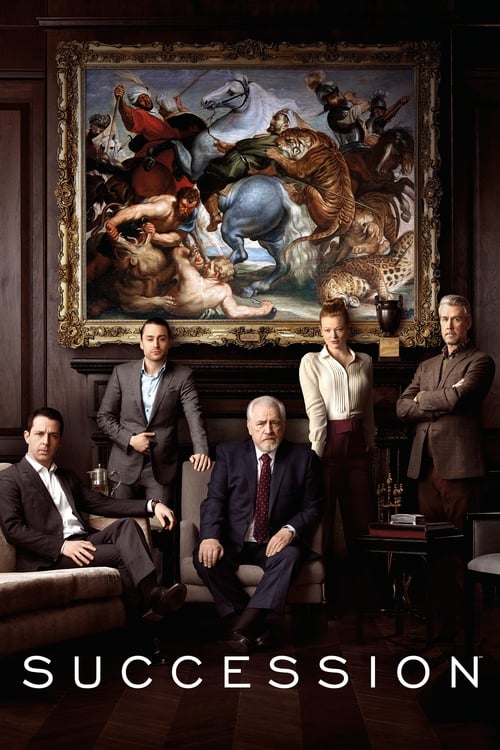
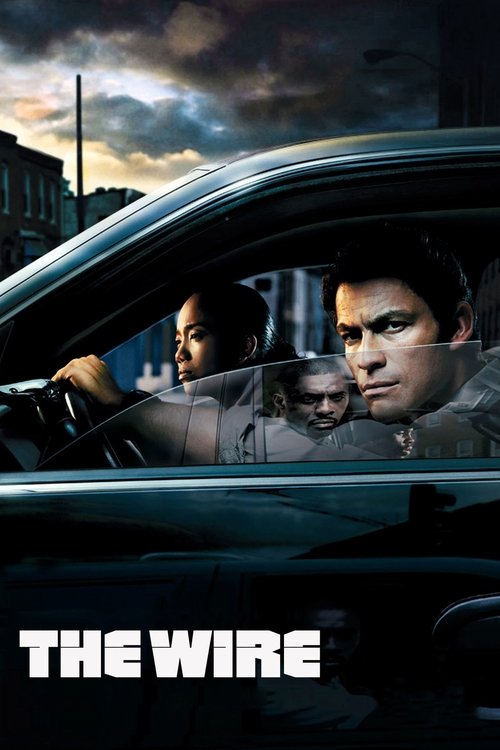
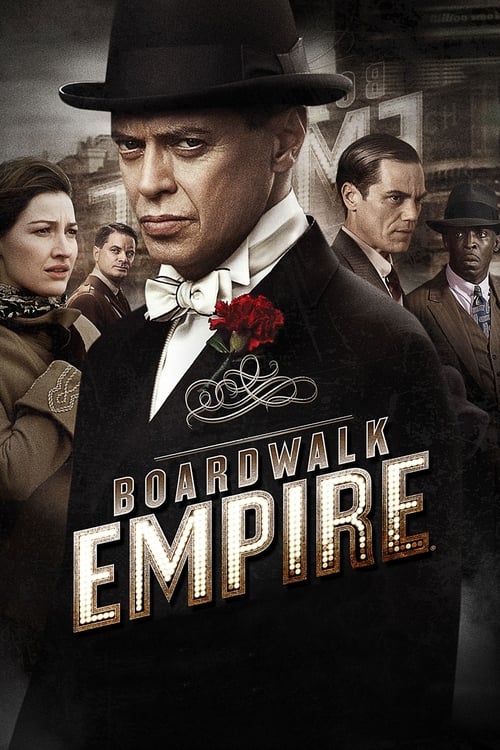
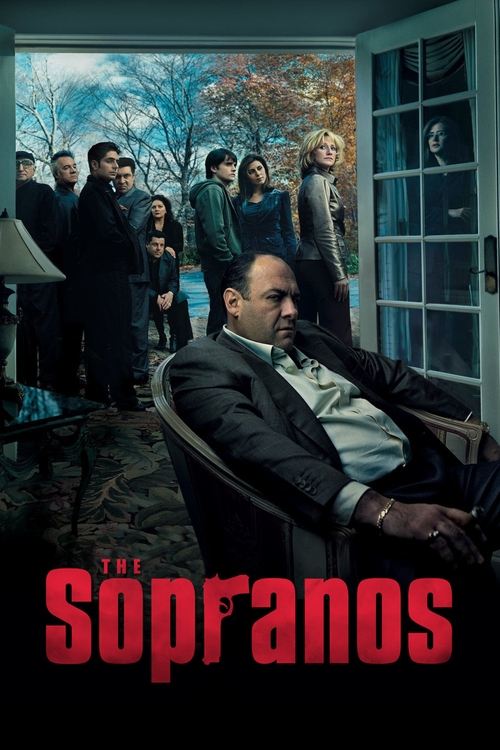
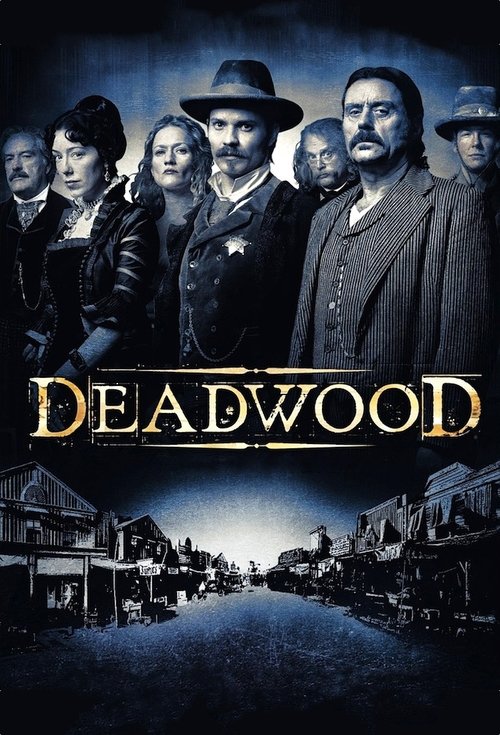
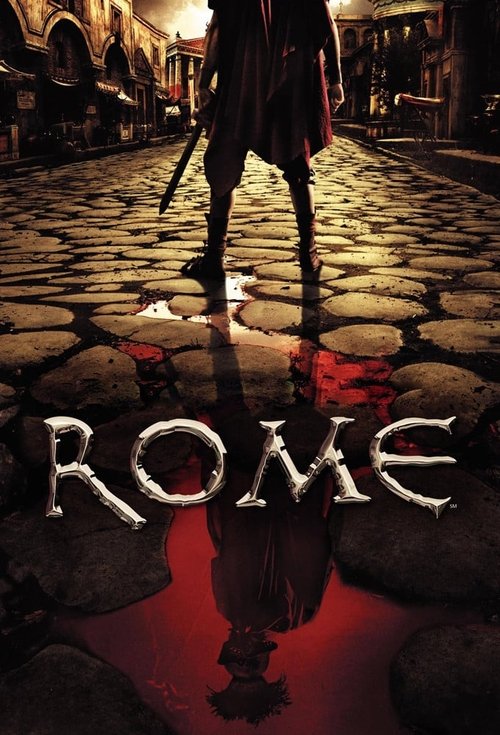
Television that maps power structures, loyalty networks, and strategic maneuvering across multiple seasons, rewarding viewers who read between the lines.





Games That Punish Naivety
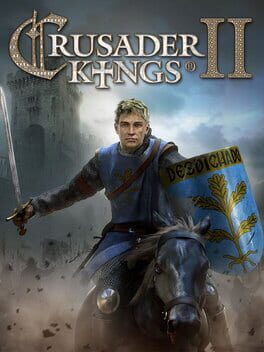
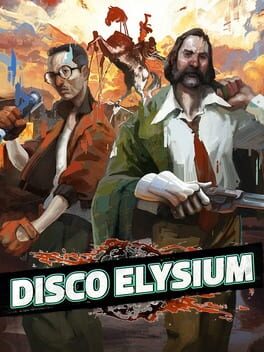
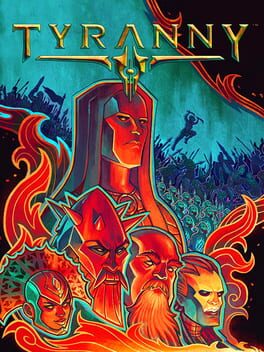
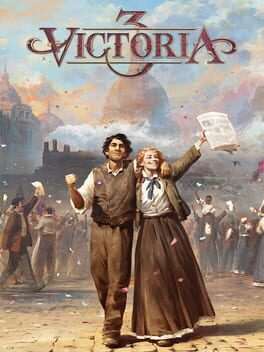
Strategy and narrative games where reputation management, alliance-building, and knowing when to betray an ally are the actual mechanics.




Music of Ambition and Cold Calculation
Albums and scores whose aesthetic mirrors the book's atmosphere: controlled, strategic, operating under the surface.
The Book Is a Mirror, Not a Playbook
Most readers who resist The 48 Laws of Power misread its mode. Greene is not prescribing behavior; he is describing behavior that has always existed in every hierarchy, from the Medici court to a modern startup board. The readers who get the most from it are the ones who use it diagnostically, recognizing patterns in how colleagues, institutions, and rivals actually operate rather than how they claim to. Meditations by Marcus Aurelius works as a companion precisely because Aurelius was a man at the absolute apex of power who spent his private life trying to resist its corrupting pull.
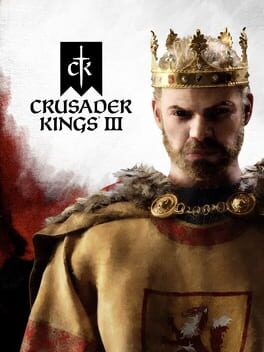
Crusader Kings III Is the Book as Lived Experience
No other medium has translated the Greene worldview into actual player experience as completely as Crusader Kings III. You are not fighting armies; you are managing perception, building a reputation for justice while running a private network of spies, forming alliances you know you will eventually betray, and engineering marriages to consolidate power across generations. The game makes concrete and playable the abstract observation that loyalty is always situational and that the most dangerous enemy is the one who owes you a favor.
Succession Gets the Emotional Cost Right
What makes Succession more than a satire of the ultra-wealthy is that it dramatizes what Greene leaves mostly implicit: the personal wreckage that accumulates when power becomes the organizing principle of a life. The Roy children have been raised inside a system of laws Greene would recognize, and the show's tragedy is that they have internalized those laws so completely they cannot operate outside them. The series is a corrective to purely strategic readings of the book.
A Short History of Strategic Thought
- -500Sun Tzu writes the foundational text on conflict, deception, and the indirect approach. The Art of War
- 1513Machiavelli completes his analysis of political power after being exiled from Florence. The Prince
- 1645Miyamoto Musashi codifies decades of combat and strategic experience.
- 1972Coppola adapts Mario Puzo's novel into the definitive screen study of dynastic power. The Godfather
- 1984David Mamet's Glengarry Glen Ross dramatizes hierarchy, desperation, and zero-sum competition. Glengarry Glen Ross
- 1998Robert Greene publishes The 48 Laws of Power, synthesizing three thousand years of strategic literature. The 48 Laws of Power
- 2002The Wire begins, constructing the most rigorous fictional map of institutional power ever put on television. The Wire
- 2012Crusader Kings II proves that power mechanics make compelling interactive design. Crusader Kings II
- 2018Succession premieres, applying the Greene lens to a media dynasty in real time. Succession
- 2019Disco Elysium uses an RPG framework to interrogate ideology, failure, and the stories power tells about itself. Disco Elysium
Power is the ability to define phenomena, and of course the ability to make these definitions stick.Kwame Ture