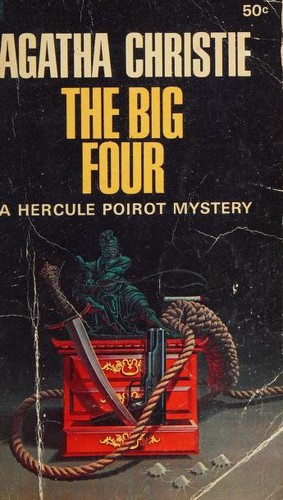

Published in 1927 and stitched together from a run of Poirot short stories, The Big Four is Agatha Christie at her most paranoid and operatic. Where her drawing-room mysteries trap you in a country house, this one opens the window onto a world run by four unnamed titans: a Chinese mastermind, an American billionaire, a French scientist, and a faceless Number Four who may be anyone. The novel asks the question that obsesses every fan who returns to it: what if the real crime is not a single murder but the entire architecture of power? Poirot is not investigating a death here so much as resisting a coup. The pleasure is specific. It belongs to readers and viewers who want a protagonist who reasons rather than fights, a threat that feels systemic rather than personal, and the particular satisfaction of seeing a lone brilliant mind dismantle something far too large for any normal person to touch. If that is what you came for, everything below was made with you in mind.
Essential Agatha Christie
The novels that define what Christie does best, starting with her boldest experiments in scope and conspiracy.


Poirot on Screen
The definitive adaptations and the films that capture the same blend of cerebral detective work and international menace.
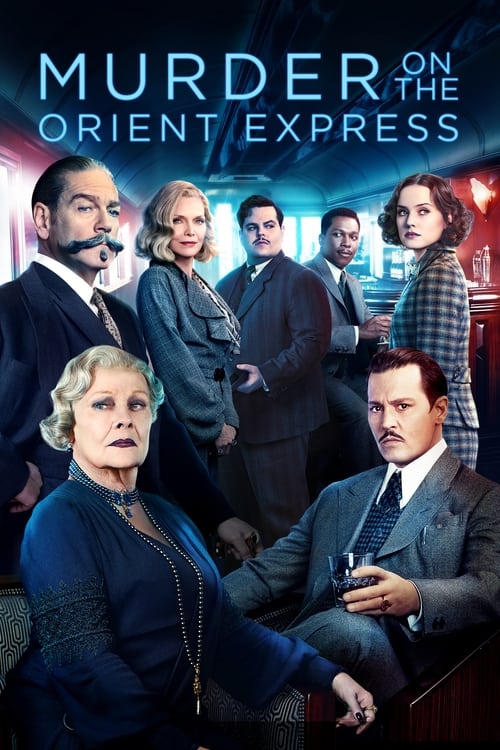
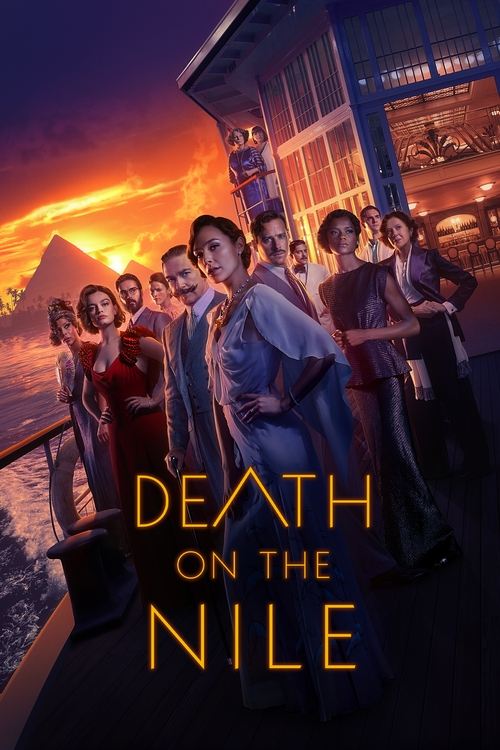

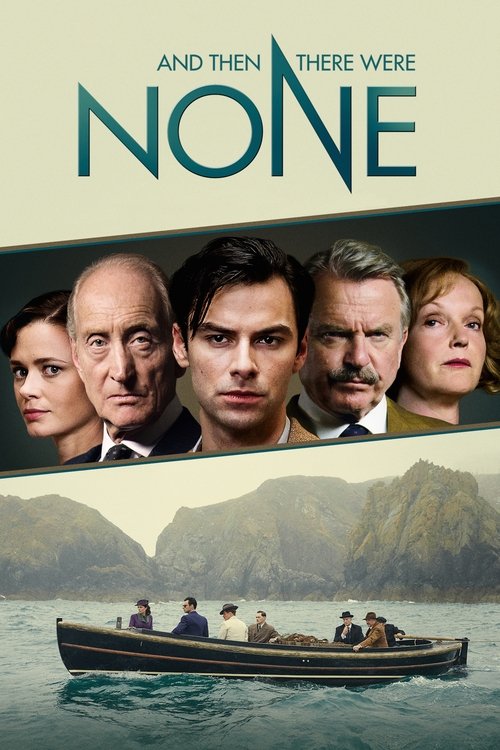
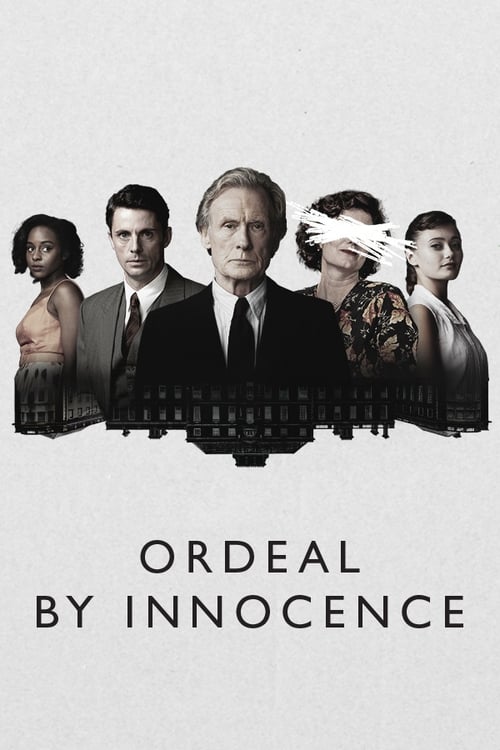
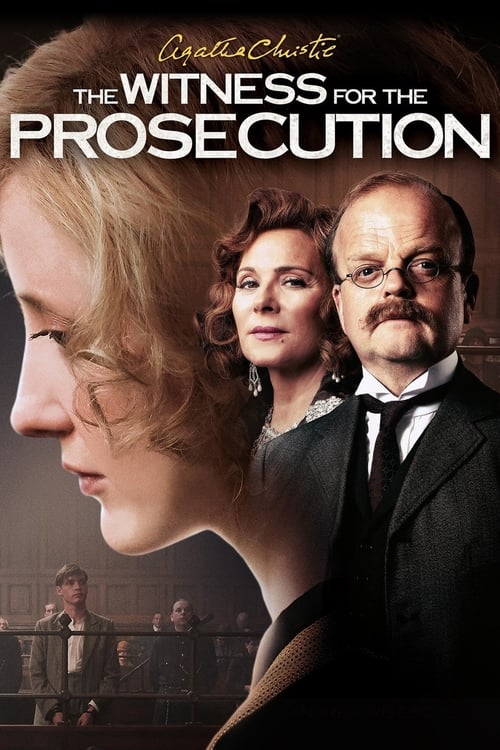
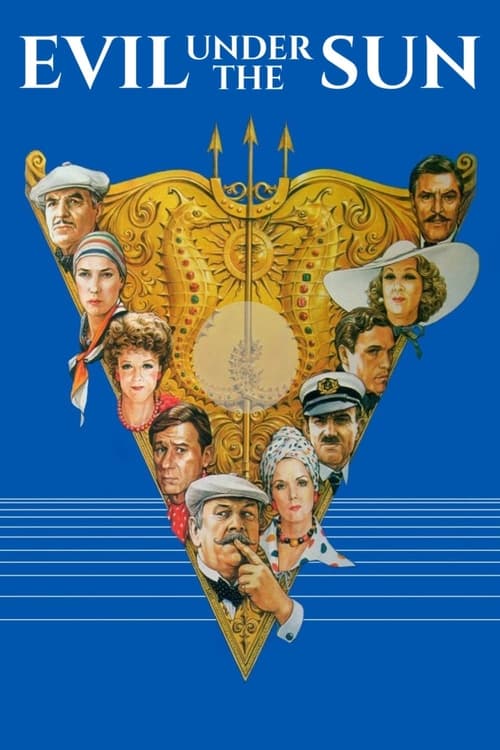
Secret Societies and Shadow Governments
Thrillers, films, and series built on the same premise: a hidden cabal pulling the strings, one brilliant outsider pushing back.
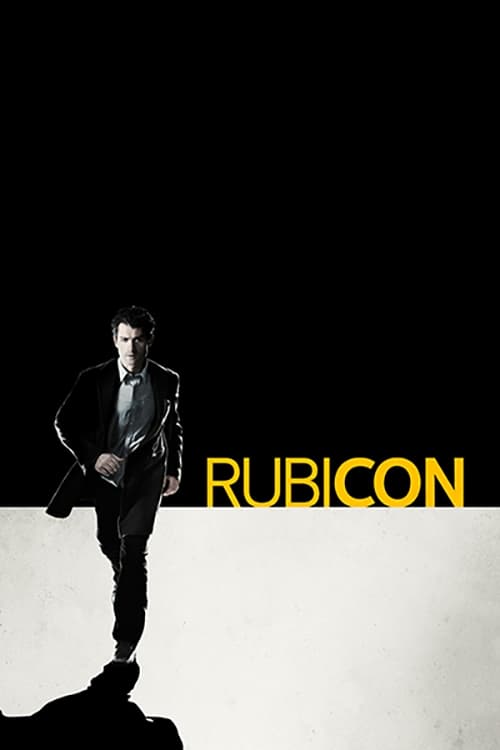
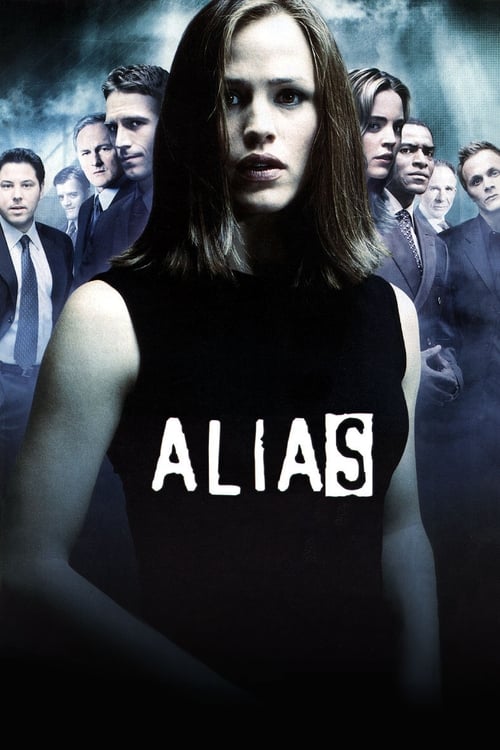
The Lone Mind Against the Machine
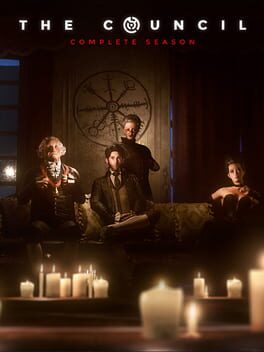
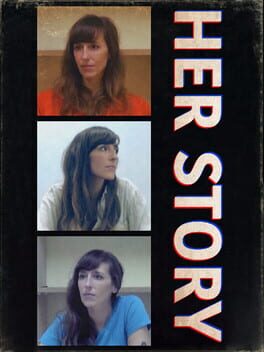
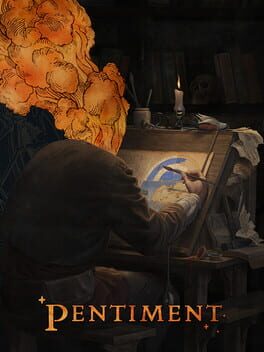
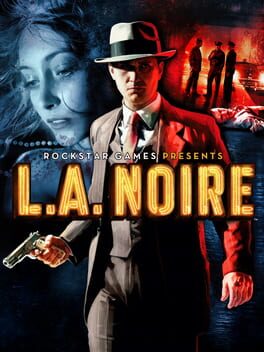
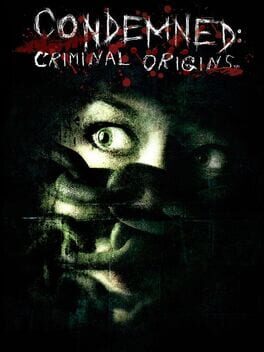
Games where the pleasure is investigation, deduction, and dismantling a conspiracy one clue at a time.

Spy Fiction and the Inter-War World
Novels written in the same era of paranoia Christie inhabited, where foreign agents and collapsing empires made conspiracy feel plausible.


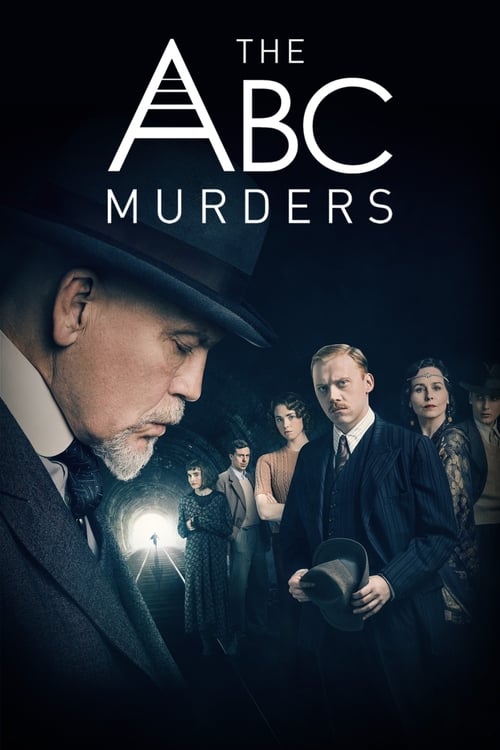
The 2018 ABC Murders adaptation understood the book better than most critics did
The BBC's three-part ABC Murders starring John Malkovich is one of the rare Christie adaptations that takes her darker, more political side seriously. Set against a backdrop of British fascism in the 1930s and reframing Poirot as an aging refugee outsider rather than a beloved national institution, it captures exactly the mood The Big Four reaches for: the sense that respectable society is capable of monstrous things if the right people whisper the right words. It was divisive among fans who wanted a cosy mystery, which is precisely why it deserves a second look.
Number Four is Christie's most daring structural choice
Christie's mystery writing is celebrated for its plotting, but The Big Four takes a risk she rarely repeated: a villain whose identity is the novel's deepest secret, layered inside a conspiracy whose other members are already larger than life. The reader spends the book not just solving who did it but trying to map a structure where the most powerful figure is invisible. This trick of the nested unknown, the unknown that conceals a second unknown, surfaces again in Cat Among the Pigeons and in the best episodes of the Poirot television series. It is what the spy thriller borrowed and made its signature move.
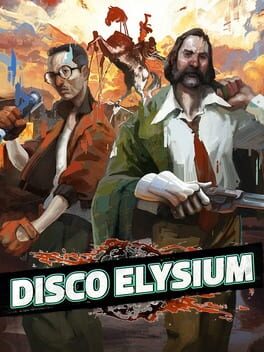
Disco Elysium is the strangest and truest heir to this tradition
It sounds like a long stretch from a 1927 Christie novel to a 2019 open-world RPG built around a amnesiac detective in a decaying port city. But Disco Elysium is doing exactly what The Big Four does: using a lone investigator's attempt to solve a specific crime as a vehicle for mapping an entire failed political order. The conspiracy in both works is not secret in the way a hidden killer is secret, it is hidden in plain sight by the sheer implausibility that power could be so deliberately arranged. Both books are, underneath everything, about how difficult it is to think clearly in a world designed to prevent it.
Christie's Conspiracy: A Century of Paranoid Fiction
- 1903Erskine Childers publishes the template for the modern conspiracy thriller
- 1915John Buchan's Hannay books establish the gentleman-amateur-versus-secret-organisation formula
- 1927Christie serialises and collects the Poirot-versus-a-global-cartel stories that become The Big Four The Big Four
- 1935Hitchcock's adaptation of Buchan brings the genre to cinema The 39 Steps
- 1963Le Carre inverts the formula: the conspiracy is inside the institution doing the investigating The Spy Who Came in from the Cold
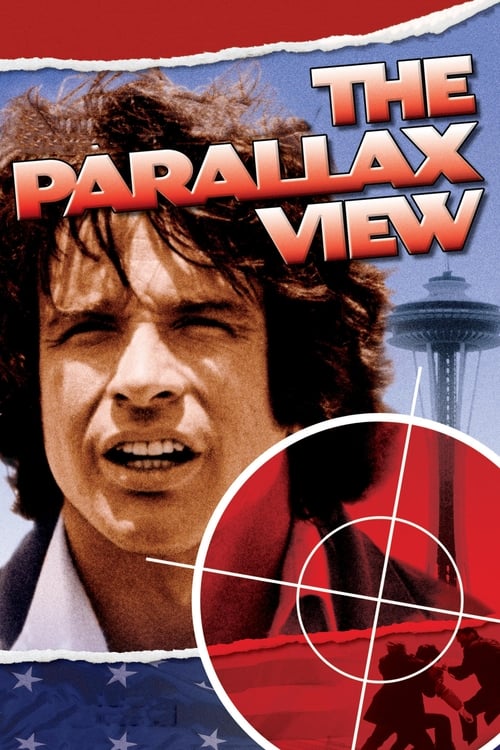
- 1974The political thriller reaches American cinema at full force, post-Watergate The Parallax View
- 2018The BBC brings Christie's darkest Poirot into a fully politicised frame The ABC Murders
- 2019An indie RPG reframes detective fiction as political philosophy Disco Elysium
- 2023Branagh's third Christie adaptation shifts the tone toward gothic horror while keeping the same closed-suspect architecture A Haunting in Venice
One of the most sinister and clever criminals in the world, and one of the most dangerous, because he has no fear.Agatha Christie, The Big Four (1927)