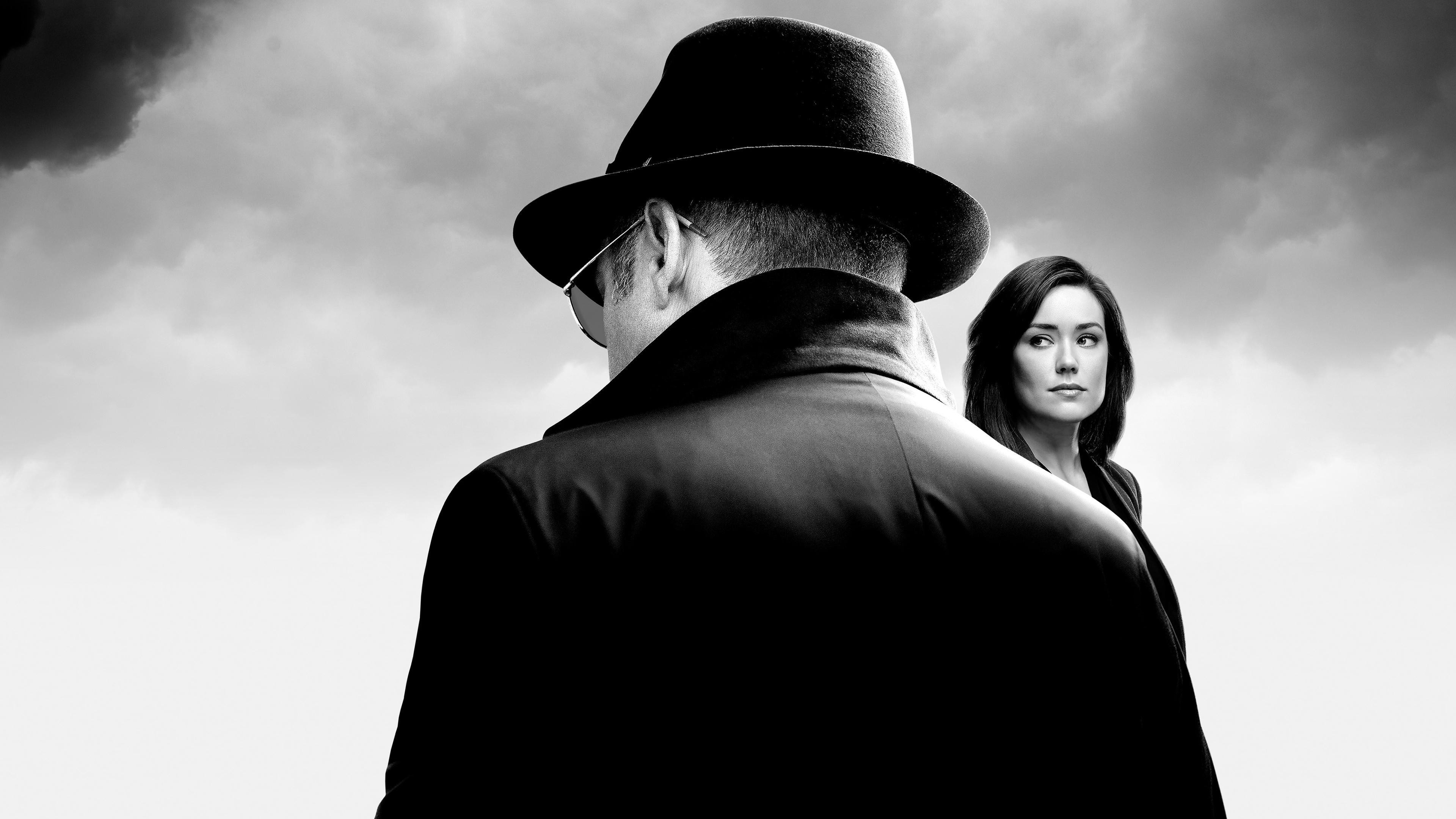

The Blacklist ran for a decade on one premise that refused to get old: the most wanted criminal in the world walks into FBI headquarters and offers to help catch the people nobody else can touch, but only if he gets to choose the cases. What made it work was not the procedural machinery but the texture around it, the pleasure of watching Raymond Reddington narrate his way through every situation, the slow erosion of certainty about who is good and who is dangerous, and the sense that the real conspiracy is always one layer deeper than you think. Fans of the show are drawn to a specific feeling: moral ambiguity that never tips into nihilism, villains who are more interesting than the heroes chasing them, and plot architecture that treats the audience as smart enough to keep secrets from.
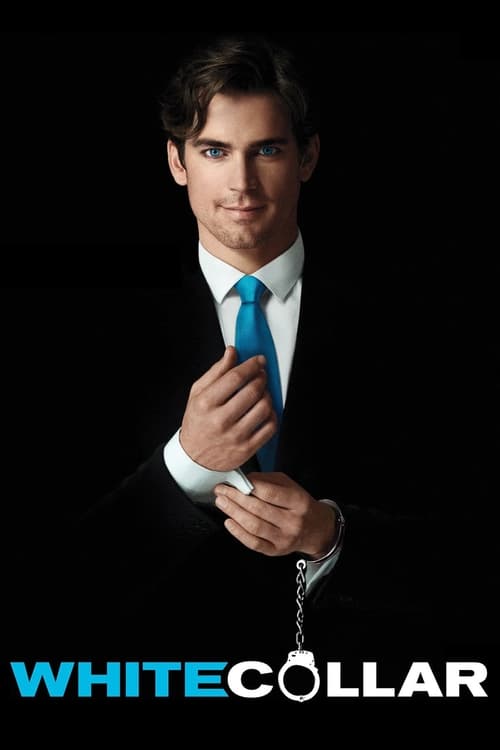
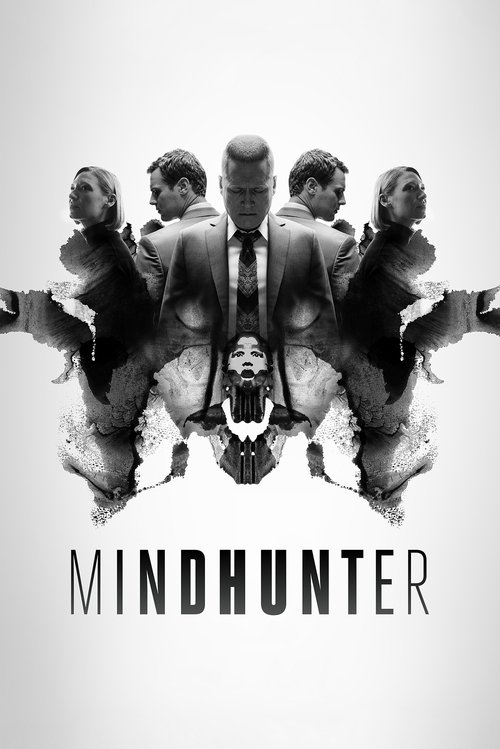
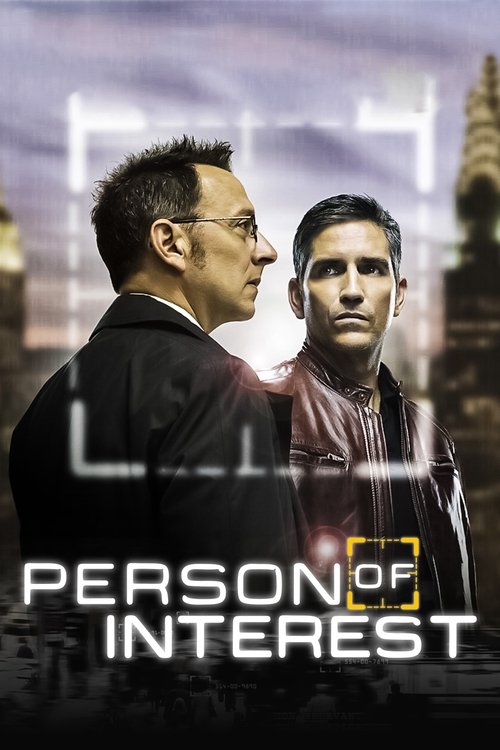
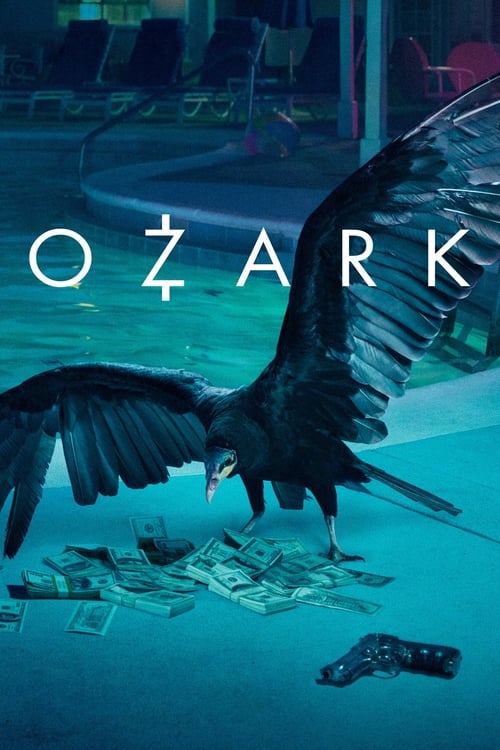
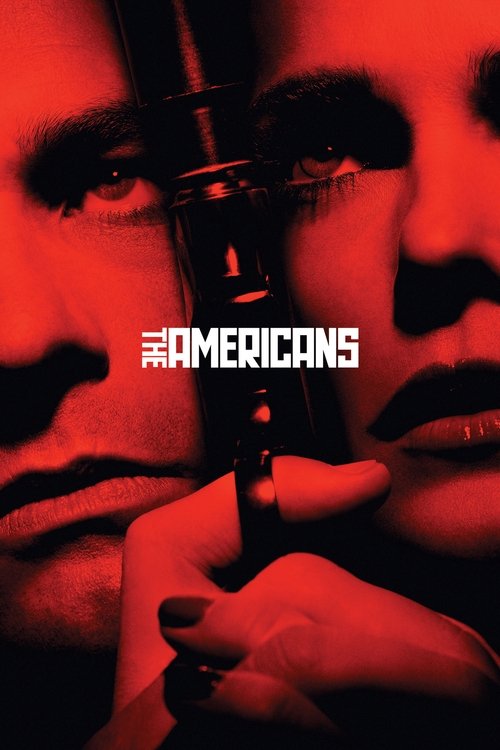
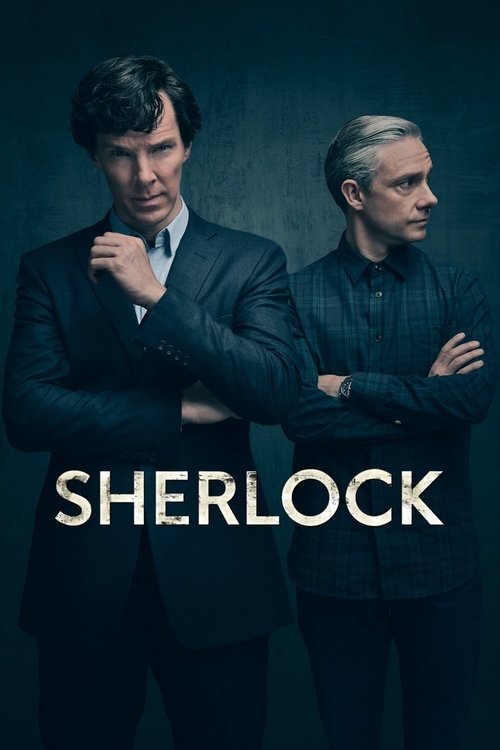
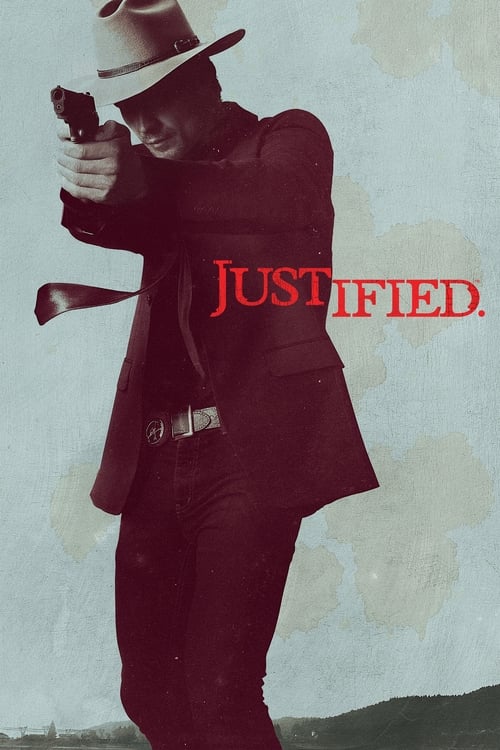
The Brilliant Operator: TV's Best Antiheroes
Series built around a charismatic, dangerous man whose help you cannot afford to refuse.
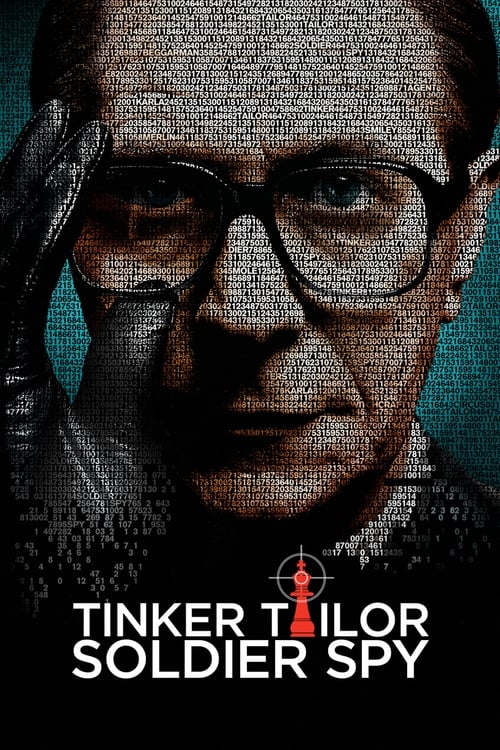
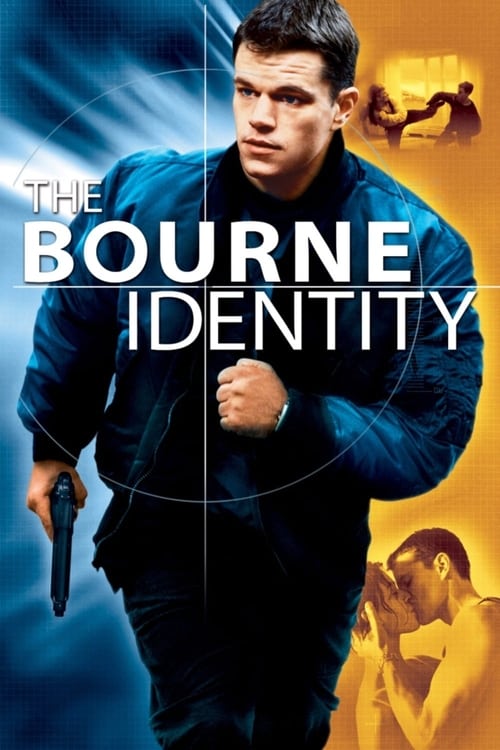
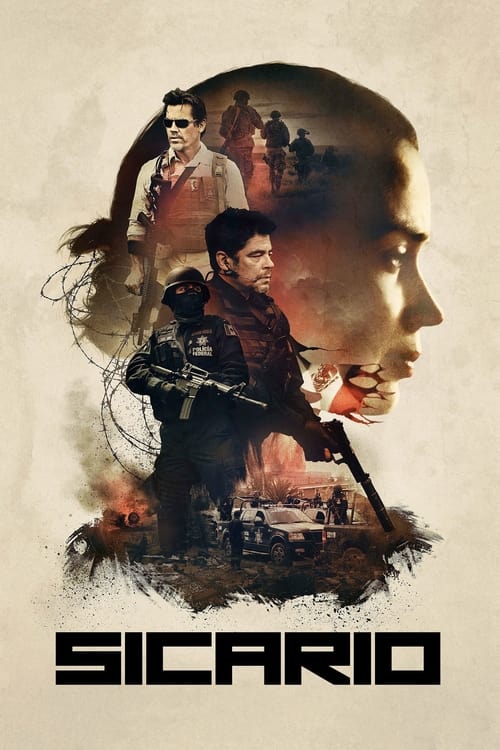
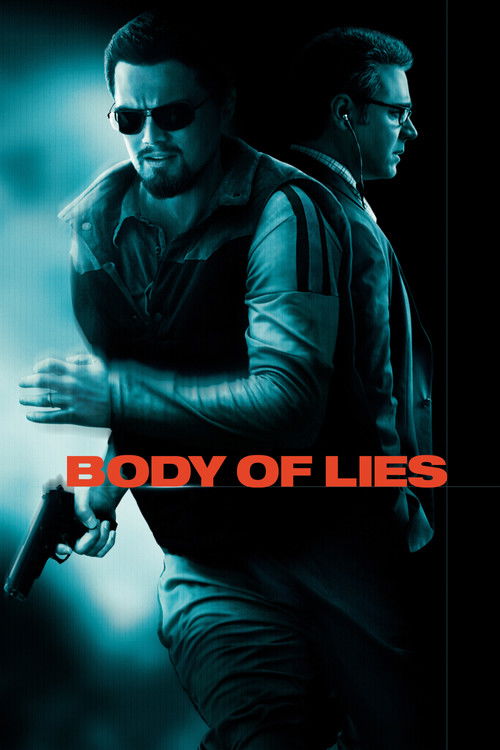
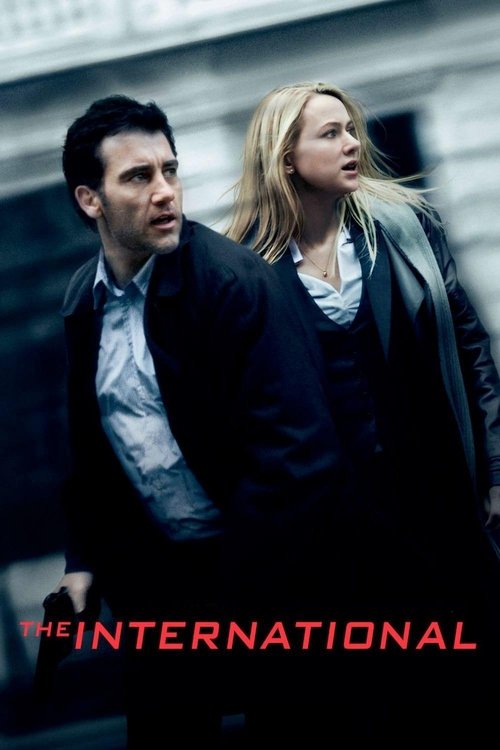
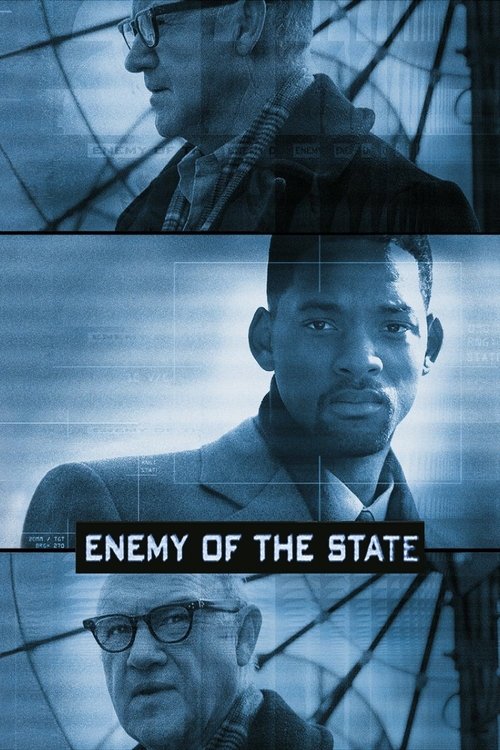
Conspiracies All the Way Down: Spy Thrillers on Film
Films where the chain of command is always compromised and the real enemy has a government ID.

Working Both Sides: Games About Deception and Hidden Agendas
Games where the moral ground shifts under you and the person giving you orders may be the one you should fear most.


The Real Show Is About What Reddington Knows and Won't Say
Strip away the case-of-the-week structure and The Blacklist is a show about privileged information, who holds it, and how it translates to power. Reddington is almost never the strongest person in the room physically, but he is always the best-informed, and that is treated as the more dangerous quality. The series earns its longevity by understanding that audiences will follow a mystery much farther than they will follow an action plot.
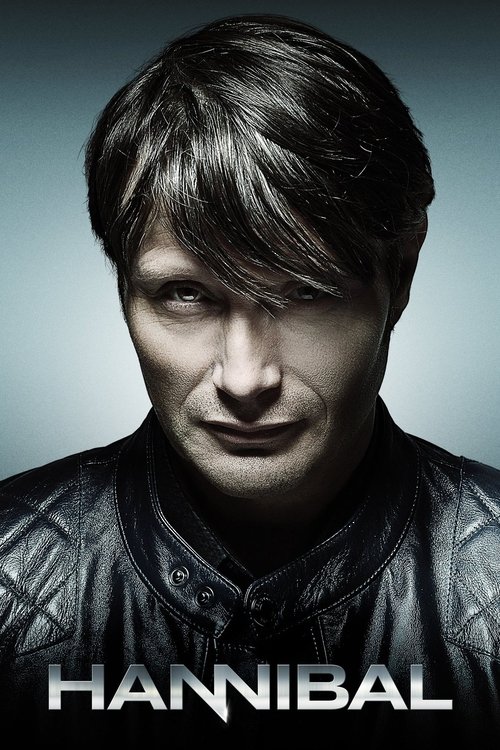
Hannibal Is What The Blacklist Would Be If It Dropped the Network Guardrails
Both shows pair a federal agent with an impossibly intelligent, deeply dangerous advisor who is simultaneously their greatest asset and their greatest threat. Hannibal simply commits harder to the psychological vertigo: the aesthetic is more extreme, the ambiguity is more corrosive, and the partnership crosses lines that The Blacklist is content to gesture toward. Watching them back to back reveals how much the broadcast format shapes the story being told.
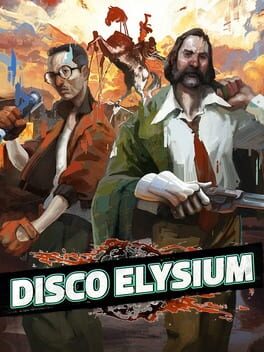
Disco Elysium Belongs on This List
It sounds like a stretch until you are two hours into it: a detective who cannot remember who he is, operating inside a city whose power structures are opaque and possibly rigged, helped and misled by people with hidden agendas. Disco Elysium shares The Blacklist's core fascination with institutions that have rotted from inside, and it packages that in dialogue writing that is, sentence for sentence, among the sharpest in the medium. The tonal register is completely different but the underlying question is the same: who actually runs things, and why would they let you find out?
The Antihero Consultant: A Genre History
- 1963Le Carre publishes The Spy Who Came in from the Cold, establishing the morally compromised intelligence operative as a literary archetype. The Spy Who Came in from the Cold
- 1979Robert Ludlum's The Bourne Identity reframes the genre around a man whose identity itself is the conspiracy. The Bourne Identity
- 1991The Silence of the Lambs puts the brilliant, caged monster who helps catch killers on the cultural map permanently. The Silence of the Lambs
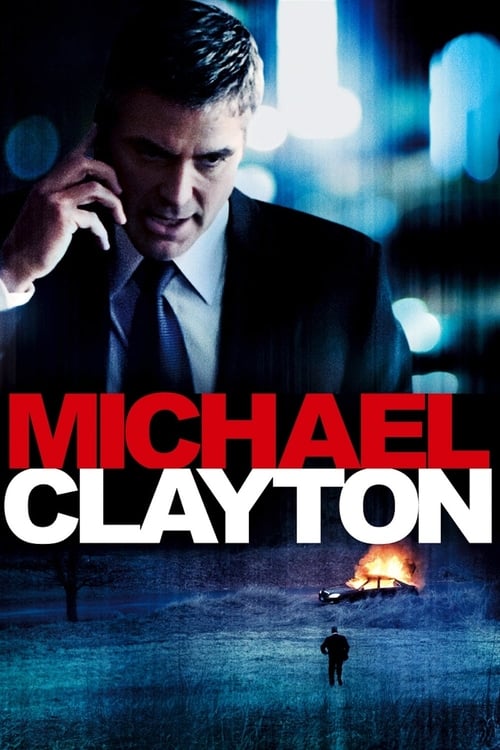
- 2007Michael Clayton shows a fixer for hire navigating institutional corruption, a dry run for the kind of moral landscape The Blacklist inhabits. Michael Clayton
- 2011Tinker Tailor Soldier Spy (film) brings le Carre's layered conspiracy to a new generation. Tinker Tailor Soldier Spy
- 2013The Blacklist premieres. Raymond Reddington becomes the definitive TV version of the all-knowing criminal consultant. The Blacklist
- 2013Hannibal premieres the same season, pushing the same premise into darker, more surrealist territory. Hannibal
- 2019Disco Elysium arrives and proves that the genre's obsessions translate into games with full force. Disco Elysium
The most dangerous people in the room are never the ones with the most weapons. They are the ones with the most information, and they are always the ones you invited in.The Blacklist, Season 1