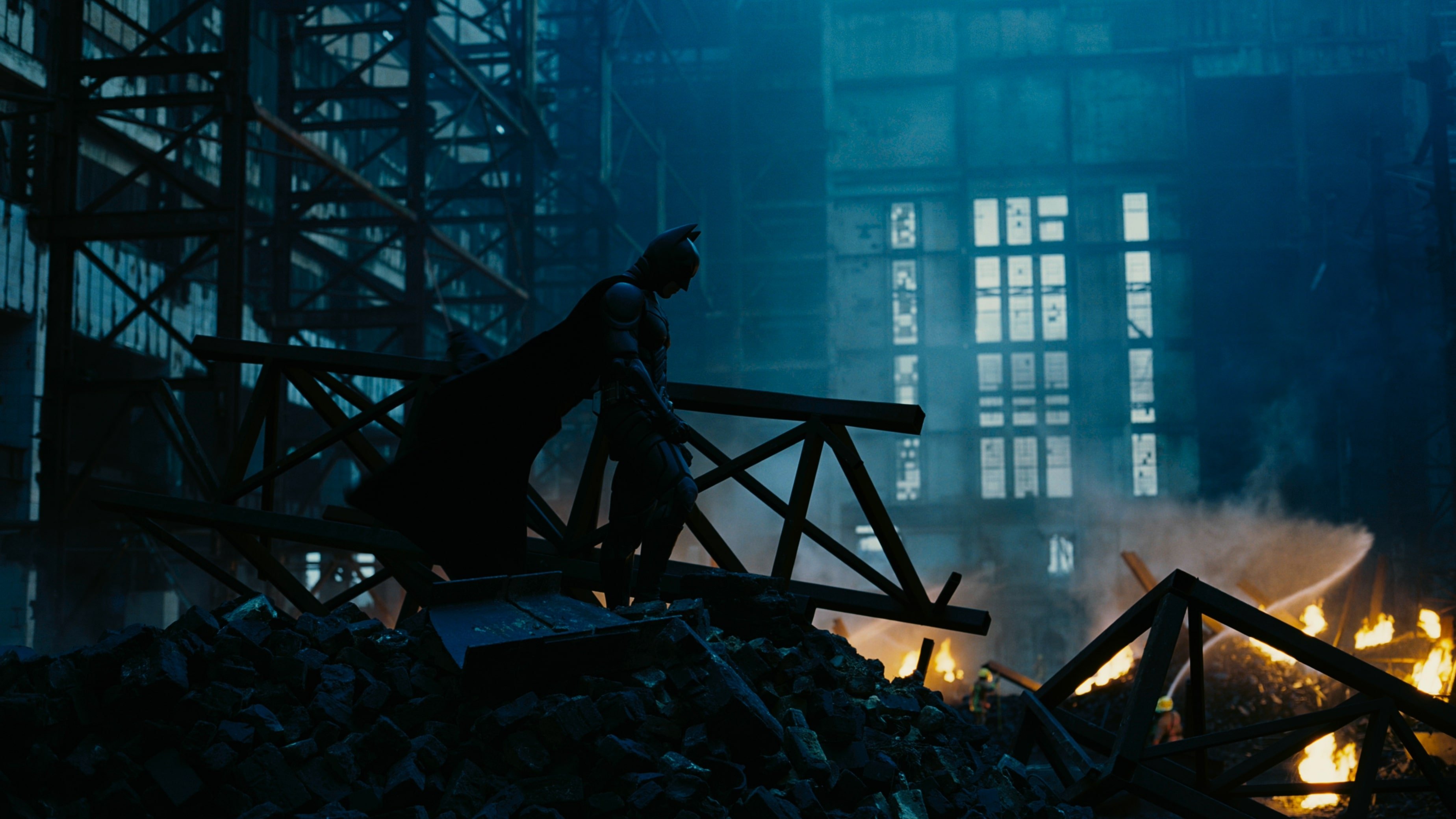

The Dark Knight is not really a superhero film. It is a crime thriller about institutional collapse, a city eaten alive by a force it cannot negotiate with, and a hero who wins by losing. Christopher Nolan and his co-writer Jonathan Nolan built Gotham on the bones of Michael Mann's Heat and the moral philosophy of Alan Moore's comics, then handed the film to Heath Ledger, whose Joker is pure kinetic dread. What fans chase here is a specific feeling: the sensation that the stakes are real, that the wrong people will die, that order is more fragile than anyone admits. That feeling lives in other films, in prestige crime TV, in the graphic novels that shaped the script, in games that put agency inside moral pressure, and in Hans Zimmer and James Newton Howard's score, which sounds less like music than like a city holding its breath.
Essential The Dark Knight
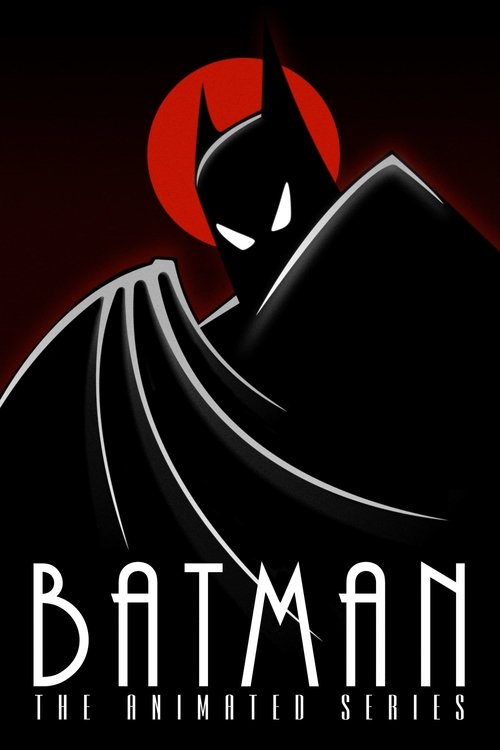
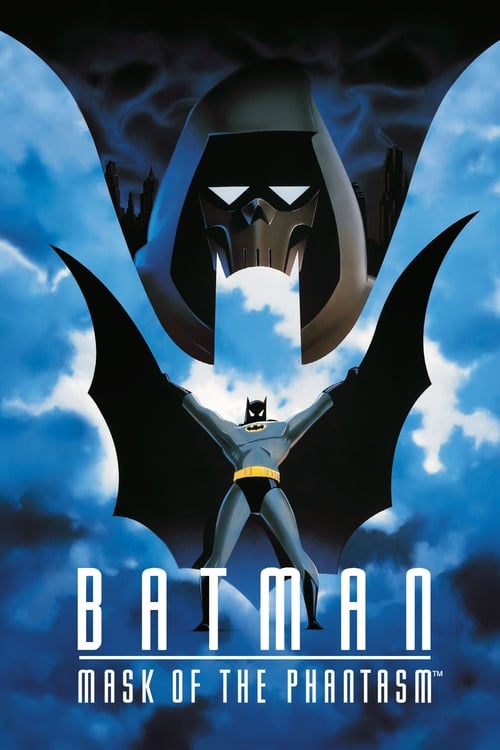
The film and its immediate world: the trilogy that raised the bar for blockbuster filmmaking.
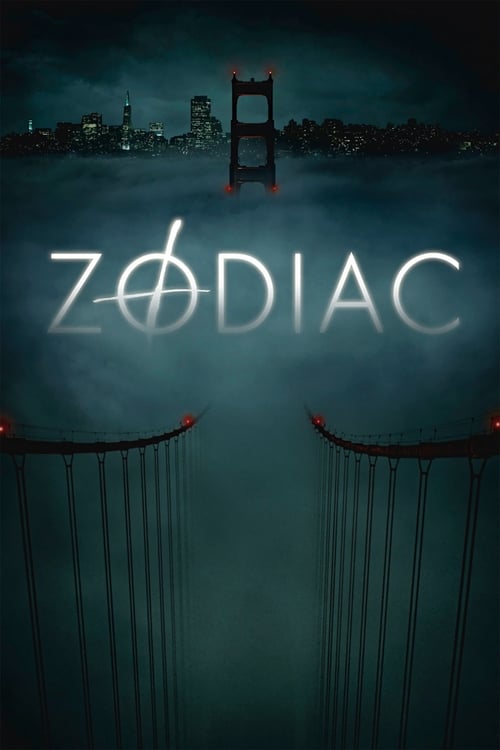
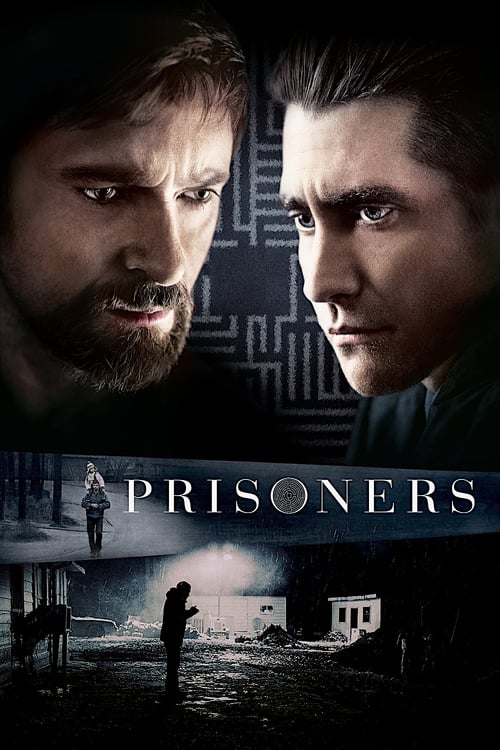
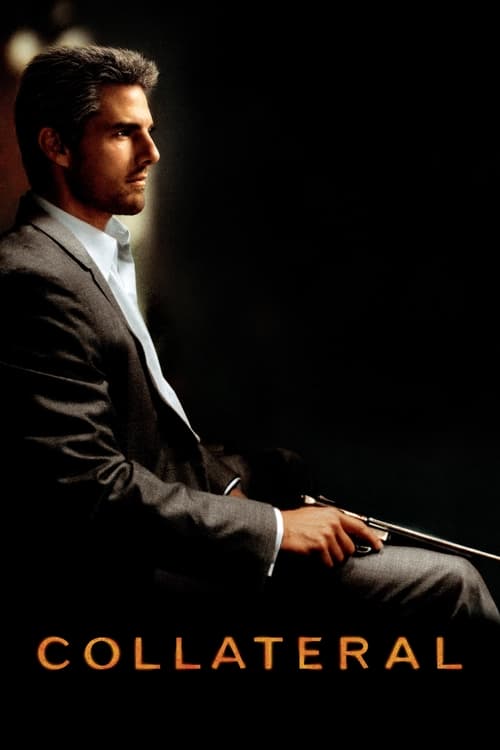
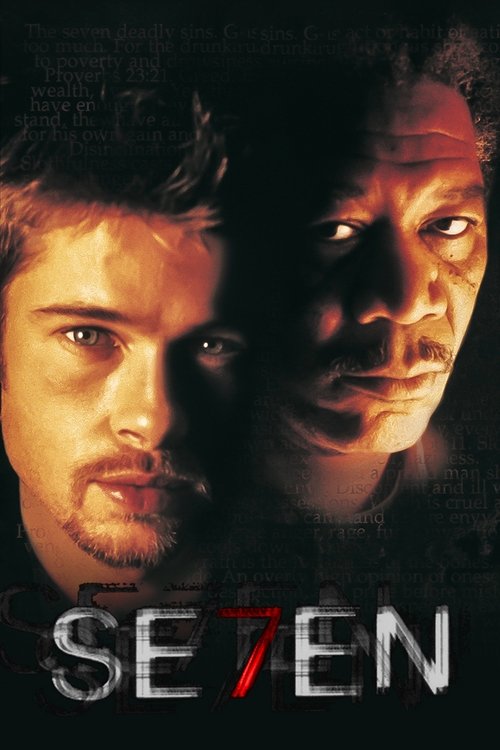
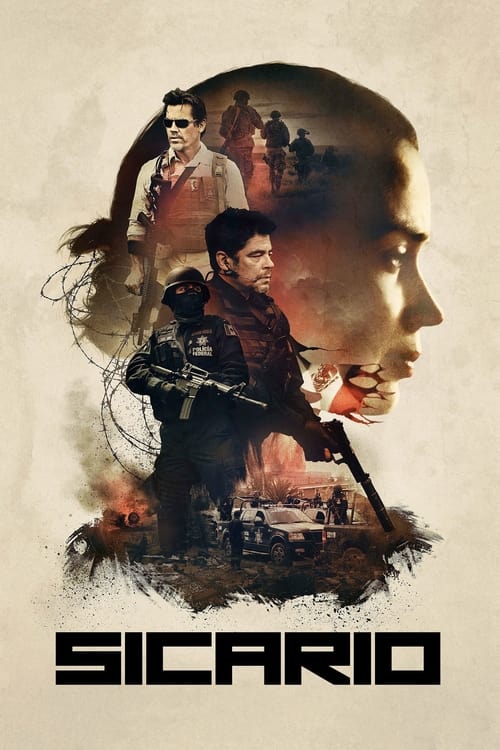
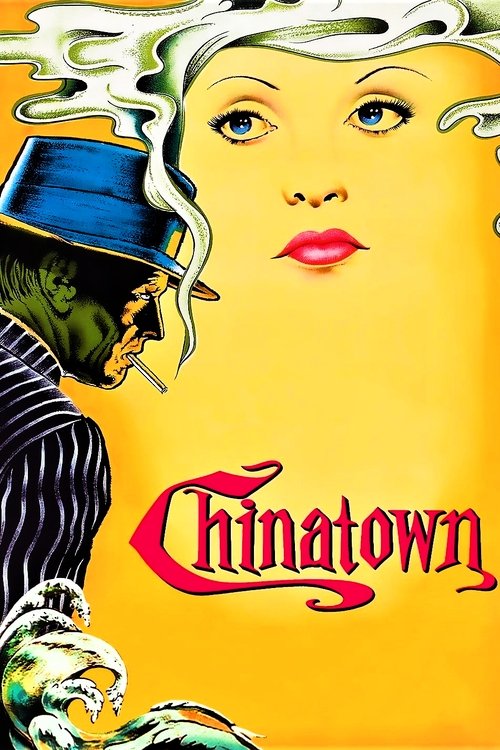
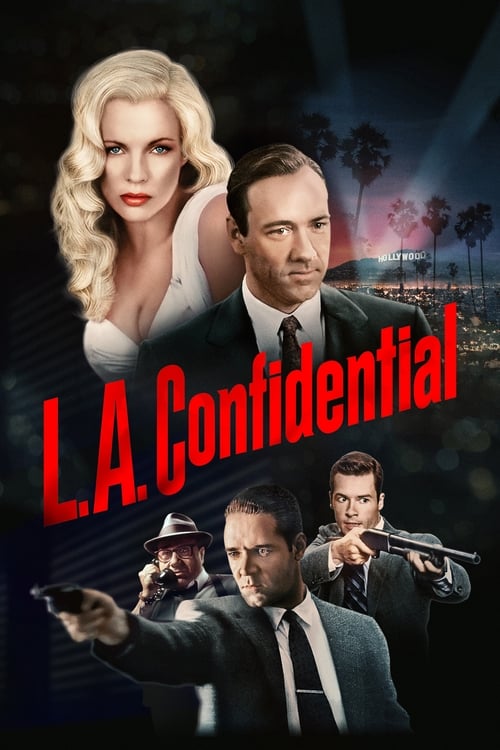
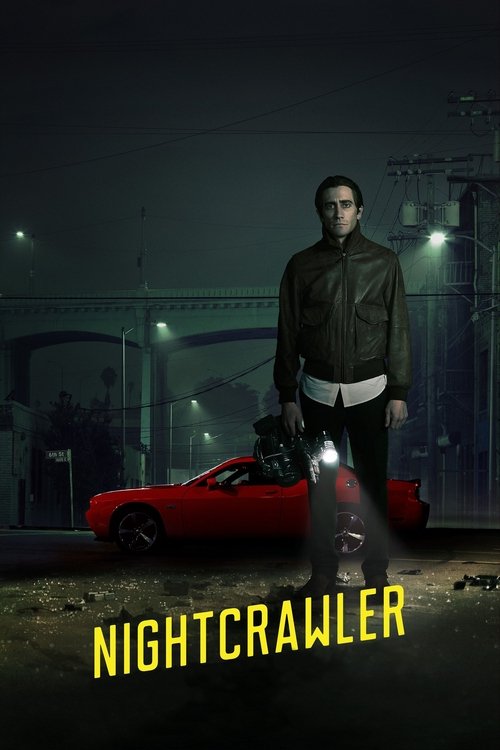
Crime Films That Play for Real Stakes
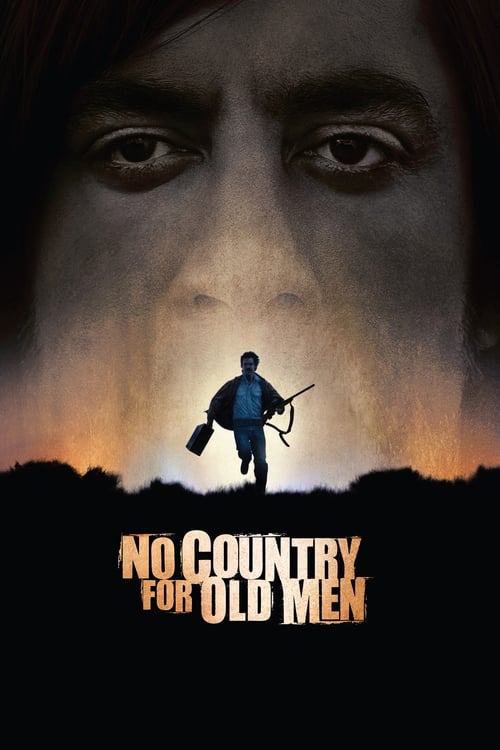
Character-driven thrillers where order is temporary and moral compromise is the price of survival.

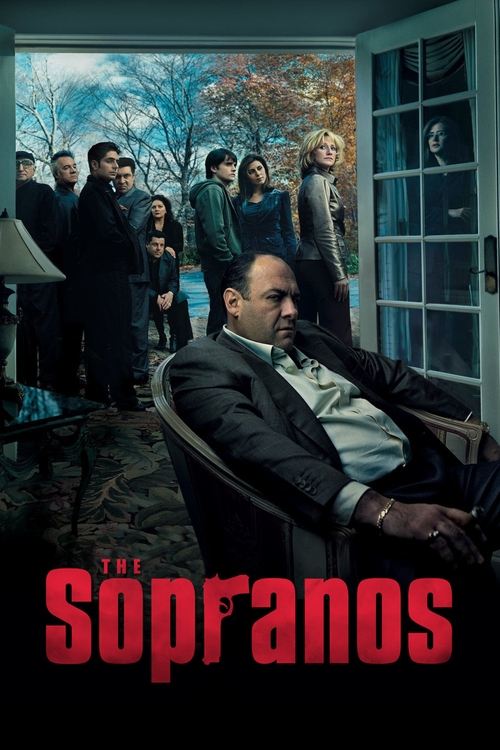
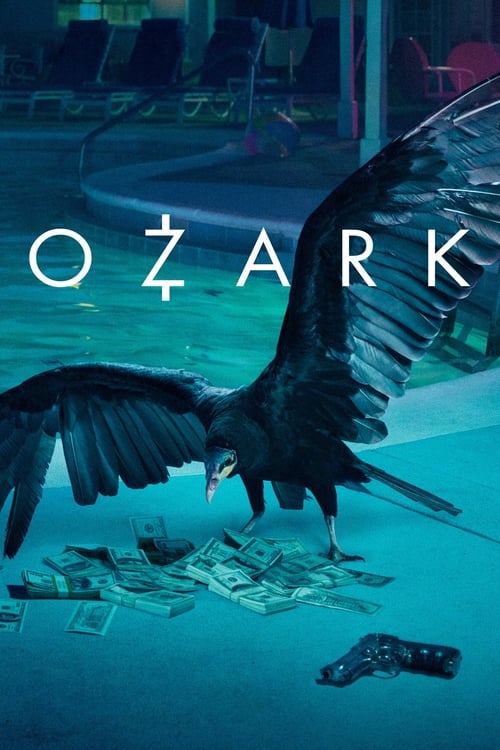
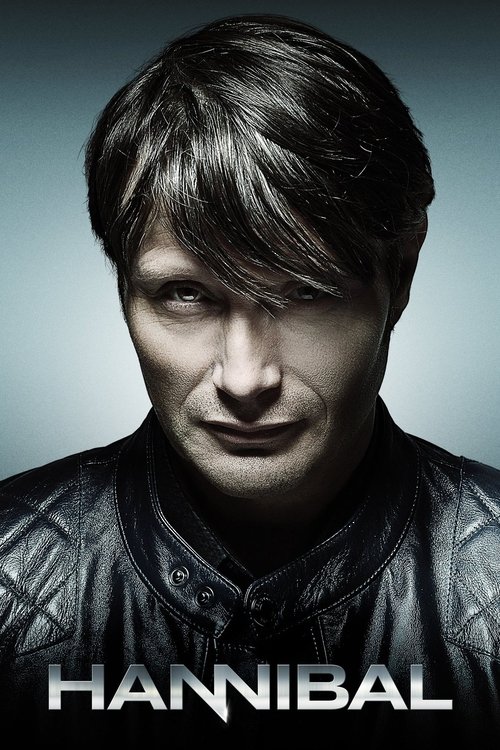
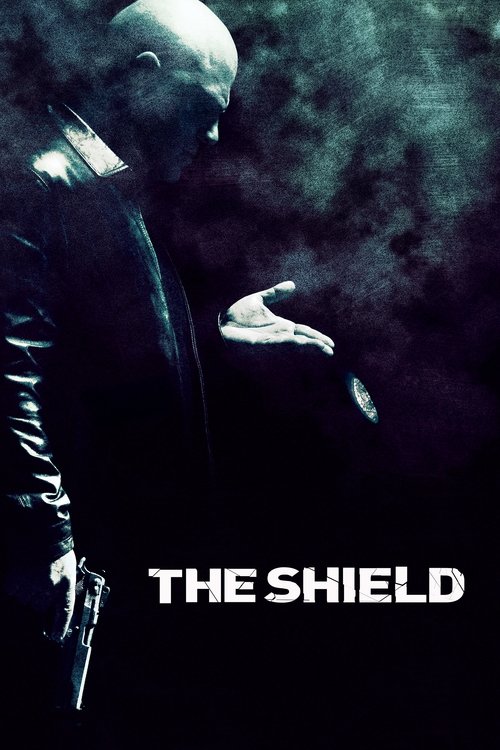
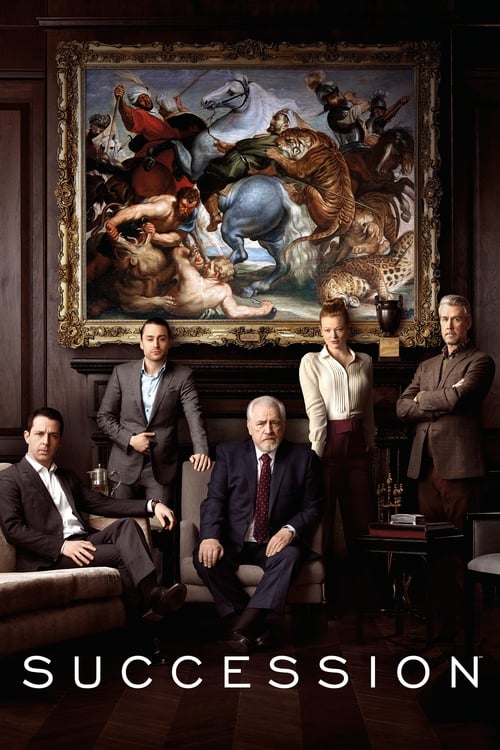
TV Series With the Same Moral Pressure
Long-form crime and power dramas that refuse easy heroes and ask the same hard questions Nolan asks.

Games That Put You Inside the Moral Weight
Games where combat has consequence, systems feel corrupt, and the player is never fully the good guy.
Heath Ledger's Joker Works Because He Has No Backstory
The Joker offers multiple origin stories for himself across the film, each contradicting the last. Nolan understood that evil which can be explained away is evil that can be contained. The genius of the performance is that it gives the audience nothing to hang a diagnosis on. He is not traumatized, not insane in any clinical sense the film commits to. He is a principle. That is what makes the film's third act, where Batman must decide whether to break his own rule, feel genuinely unresolvable.
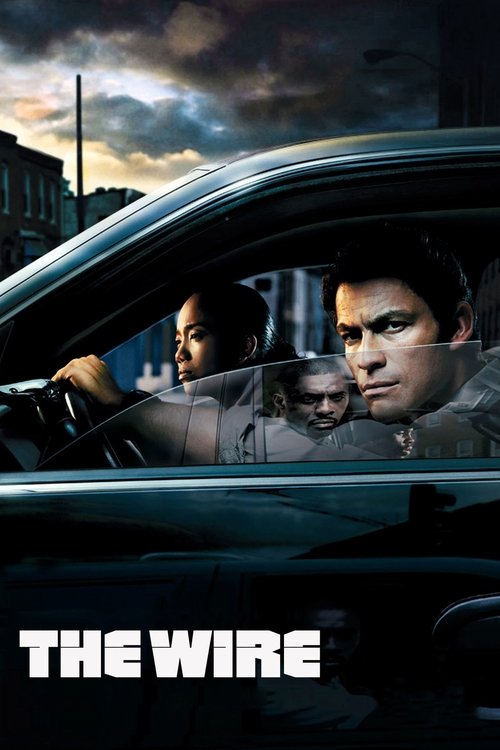
The Wire Is the Television Equivalent
David Simon's Baltimore operates on the same logic as Nolan's Gotham: institutions are corrupt not because of individual villains but because the incentive structures reward the wrong behavior. The Wire's fifth season, like The Dark Knight, asks whether a city's governing myth, maintained by a compliant press and a compromised police force, is worth the lie. Both works conclude that the hero who tells the truth pays the higher price.
Batman: The Long Halloween Is Required Reading
Jeph Loeb and Tim Sale's 13-issue mystery is the direct literary ancestor of Nolan's Gotham. It follows Batman, Gordon, and Harvey Dent across a year of organized crime murders, watching Dent's idealism corrode in real time. The Long Halloween invented the procedural Gotham that Nolan filmed, including the alliance of three good men trying to hold a city that does not want to be saved.
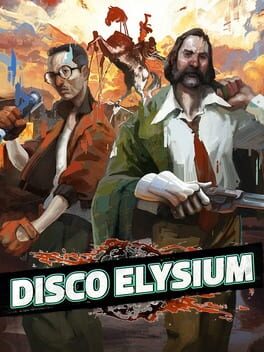
Disco Elysium Is the Closest a Game Has Come to This Film's Interior
Both The Dark Knight and Disco Elysium center a man trying to construct a moral identity in a city that has given up on having one. Where Nolan externalizes the conflict into chase sequences and explosions, Disco Elysium internalizes it: your character's conflicting ideologies argue inside his own skull. The city of Revachol is Gotham without the cape, and the game's willingness to let the player fail morally, to choose cowardice or cruelty and live with it, matches the film's most uncomfortable thesis.
From Comic Page to Cultural Reckoning: The Dark Knight's Lineage
- 1986Frank Miller redefines Batman as a noir antihero in The Dark Knight Returns, establishing the grim-realist template Nolan would inherit.
- 1988Alan Moore's The Killing Joke proposes that sanity and madness are separated only by one bad day, the moral premise Nolan's Joker embodies.
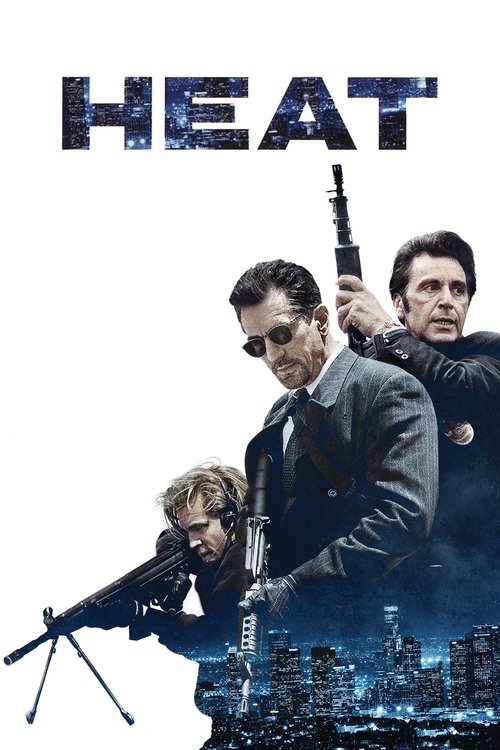
- 1996Michael Mann's Heat gives cinema the definitive cops-and-criminals moral mirror: two professionals defined entirely by the work, with nothing left when the work is gone. Heat
- 1996Jeph Loeb and Tim Sale begin Batman: The Long Halloween, constructing the procedural Gotham that would become Nolan's blueprint.
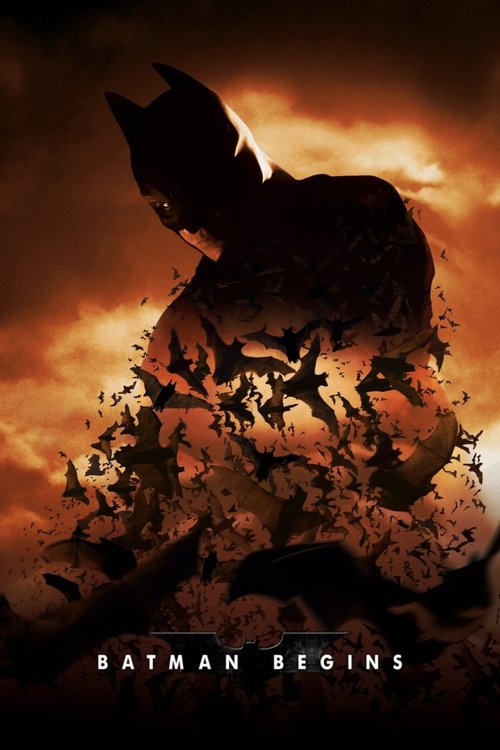
- 2005Batman Begins establishes Nolan's Gotham as a real city with real institutions and a real crime problem, setting up everything The Dark Knight will stress-test. Batman Begins
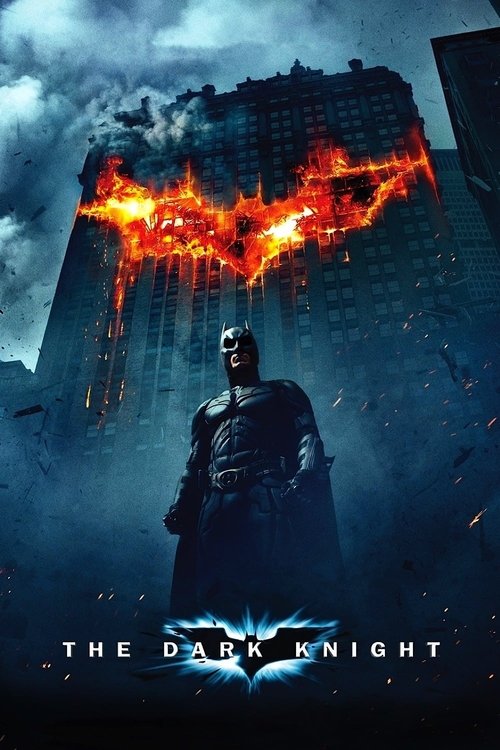
- 2008The Dark Knight releases to a cultural moment that was ready for a superhero film about surveillance, terrorism, and the cost of order. Heath Ledger's performance makes it unrepeatable. The Dark Knight
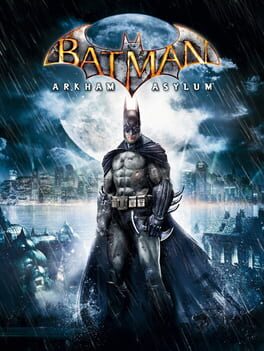
- 2009Rocksteady's Batman: Arkham Asylum proves that the Nolan-era tone can translate directly into game design, capturing the claustrophobic dread without the blockbuster budget. Batman: Arkham Asylum
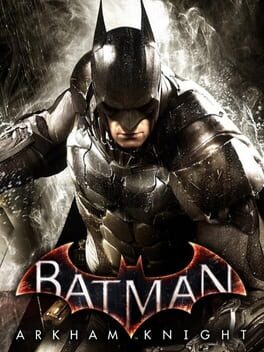
- 2011Arkham City expands the scope, drops Batman into an open-air prison the size of Gotham, and delivers the fullest interactive version of the moral world Nolan built.
Some men aren't looking for anything logical. Some men just want to watch the world burn.Alfred Pennyworth, The Dark Knight (2008)