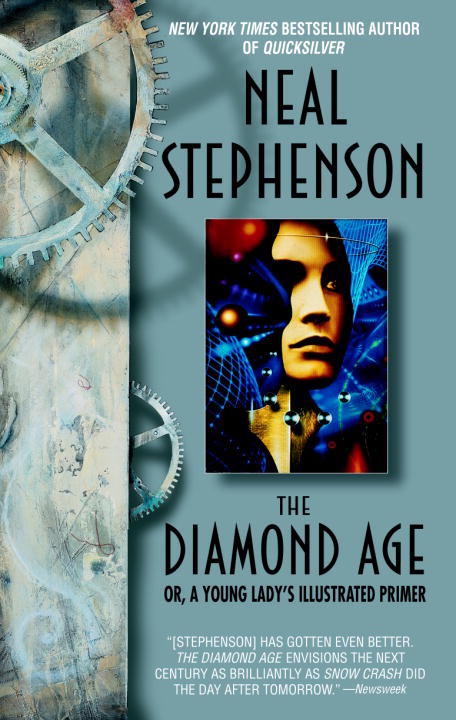

The Diamond Age: or, A Young Lady's Illustrated Primer (1995) does something almost no science fiction novel manages: it builds an intricately realized far-future civilization, full of nanotechnology, neo-tribal phyles, and Victorian affectation, then places a neglected girl named Nell at its center and asks whether a book can raise a child. The technology is astonishing and the world-building is meticulous, but what fans actually chase is the feeling of a mind being formed in secret, against all odds, by a story told just for her. It is about education, class, and the question of whether culture transmits anything real when it travels across social distance. The through-line that readers return for: the idea that the most subversive object in a rigidly ordered world is an attentive narrative that takes one marginalized person seriously.
The Primer Itself: Stephenson's Core Works
The novels that share The Diamond Age's appetite for vast systems, intimate protagonists, and prose that never condescends


The Nano-Victorian Library: Kindred Novels
Fiction that shares The Diamond Age's blend of transformative technology, class consciousness, and world-building you could live inside


Screens That Think Like the Primer
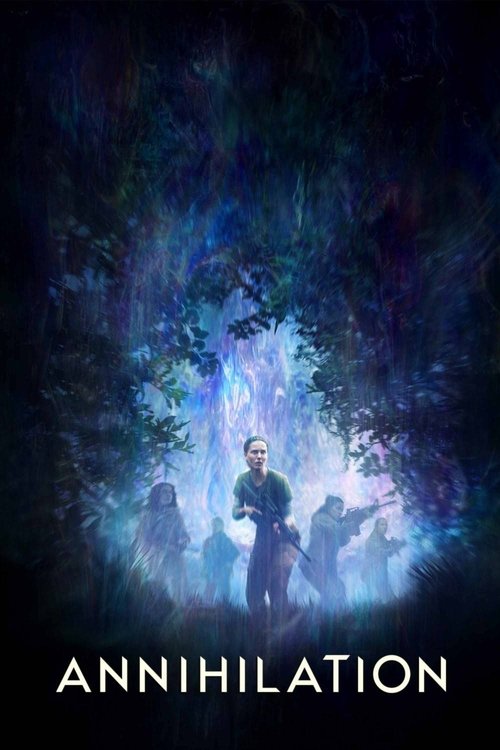
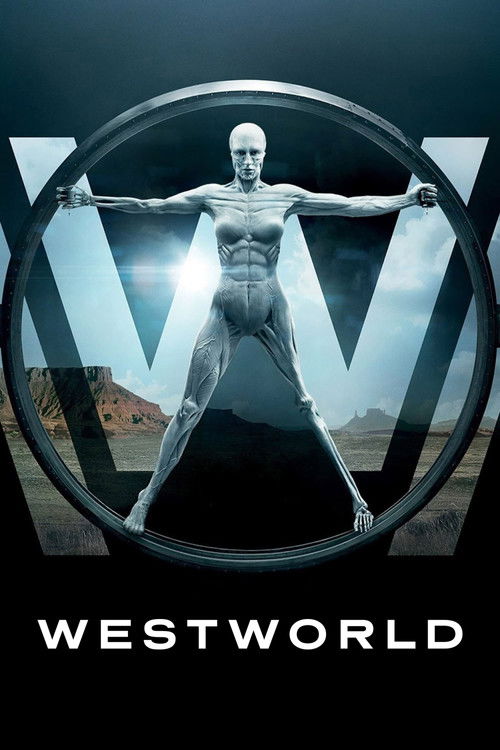
Films and series where designed futures interrogate class, identity, and what gets passed down to children who were never supposed to inherit anything






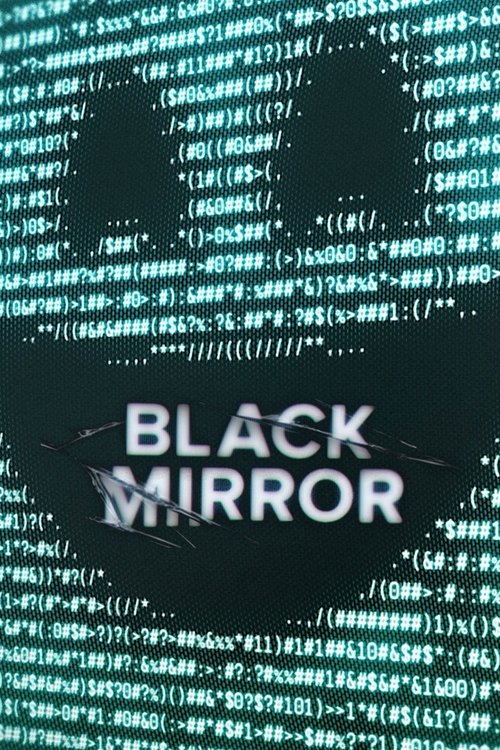



Games That Build the World You Walk Through
Games sharing The Diamond Age's interest in layered societies, hidden knowledge, and systems that reward curiosity over aggression
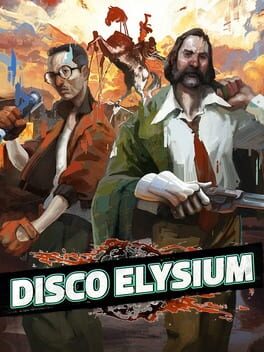
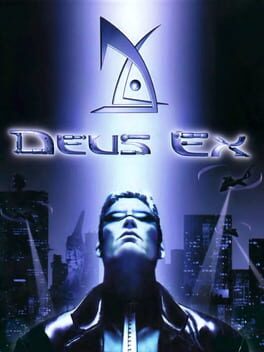


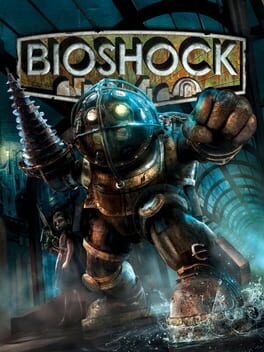



Scores for a Neo-Victorian Nanotopia
Music that holds the same tension between ornate formalism and the hum of something vast running underneath
Stephenson's Victorians are not nostalgic, they are reactionary, and that is the point
The neo-Victorian phyle in The Diamond Age has chosen ornate manners, formal dress, and elaborate ritual not out of sentimentality but as a deliberate identity technology: a way of producing a particular kind of person. Stephenson treats this with genuine respect and genuine critique at the same time. The book never resolves whether the Neo-Victorians are admirable or horrifying, because the honest answer is both. That unresolved tension is what separates it from most near-future fiction, which tends to pick a side.
Cyberpunk grew up and this is what it looks like
Snow Crash is cyberpunk at full volume. The Diamond Age is what cyberpunk becomes when it stops performing cool and starts asking what the technology actually does to children, to women, to people without a phyle to belong to. The neon has been replaced by gaslight. The hacker has been replaced by a girl who cannot yet read. The question has changed from 'what can I do with this power' to 'who does not have access to it, and why.' That shift is what makes The Diamond Age feel more contemporary now than it did in 1995.
Disco Elysium is the closest a game has come to the Primer's method
The Primer teaches by meeting Nell where she is, adapting its register to her development, and never lying to her about how hard the world is. Disco Elysium does something structurally similar: its skill system is a set of voices that argue inside your head, each with its own ideology and blind spots, and the game refuses to tell you which one is right. Both works trust the audience to form their own conclusions from a genuinely complex system. That trust is rarer than it should be in either medium.
A Timeline of the Ideas The Diamond Age Runs On
- 1984Gibson publishes the novel that defines cyberpunk's visual grammar and its preoccupations Neuromancer
- 1992Stephenson's own Snow Crash arrives as cyberpunk at maximum velocity, coining 'metaverse' Snow Crash
- 1995The Diamond Age asks what cyberpunk's gleaming future costs the people left out of it The Diamond Age
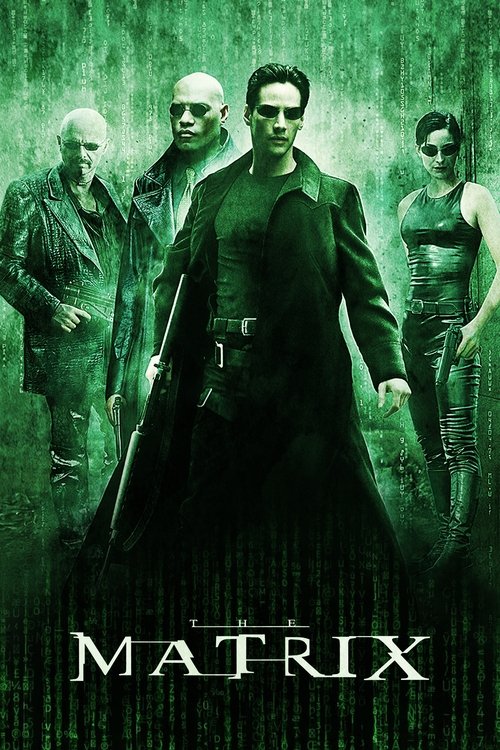
- 1999The Matrix translates similar concerns about constructed reality into blockbuster cinema The Matrix
- 2000Planescape: Torment demonstrates that games can foreground ideas over combat Planescape: Torment
- 2007BioShock embeds a full political argument inside a first-person shooter's architecture BioShock
- 2013Spike Jonze's Her makes the question of AI intimacy feel genuinely heartbreaking Her
- 2018Altered Carbon adapts Richard Morgan's neo-noir body-horror into prestige streaming Altered Carbon
- 2019Disco Elysium reimagines the RPG as a novel about political failure and self-deception Disco Elysium
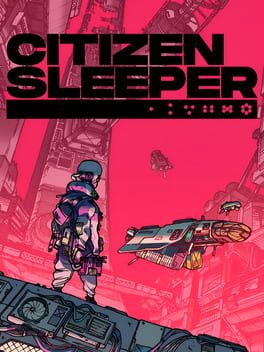
- 2021Citizen Sleeper strips the cyberspace aesthetic down to its ethical skeleton Citizen Sleeper
The Primer was a book that had been written for Nell alone. There had never been another copy of it, and there never would be. It had grown with her.Neal Stephenson, The Diamond Age (1995)