
The Final Cut (Pink Floyd, 1983) is one of rock's most uncomfortable records: not a stadium anthem but a spoken wound. Roger Waters wrote it as a direct sequel to The Wall, dedicating it to his father Eric Fletcher Waters, killed at Anzio in 1944, and to every soldier promised a better world that never arrived. Michael Kamen's string arrangements give the record a cinematic weight, but nothing is decorative here. The guitars are sparse. The rage is quiet and specific. Waters impersonates politicians, grieving wives, and ordinary men crushed by ordinary disappointments, all against the backdrop of the Falklands War and Thatcher's Britain. Fans who love The Final Cut are chasing something particular: orchestrated introspection, the weight of history felt personally, music that refuses to make violence glamorous. This guide follows that thread across half a century of albums, films, novels, and television.
Essential Roger Waters
The albums that define the worldview: from Pink Floyd's conceptual peak through Waters' solo reckoning.
The Same Controlled Fury
Albums that share The Final Cut's orchestral weight, political grief, and refusal to entertain when there is something to mourn.
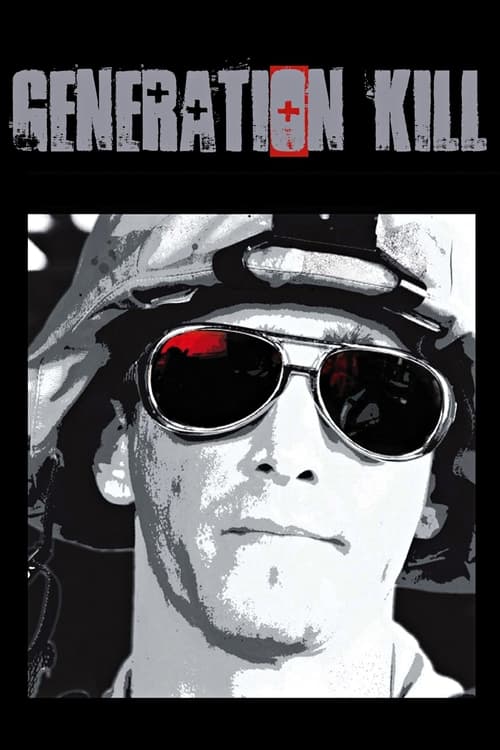
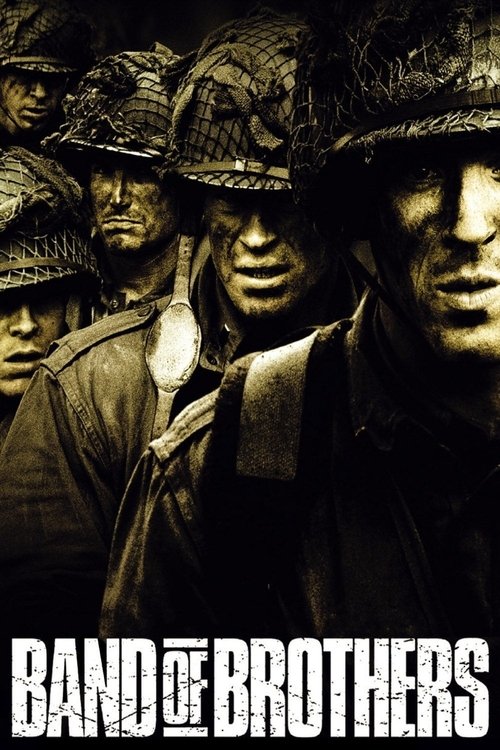
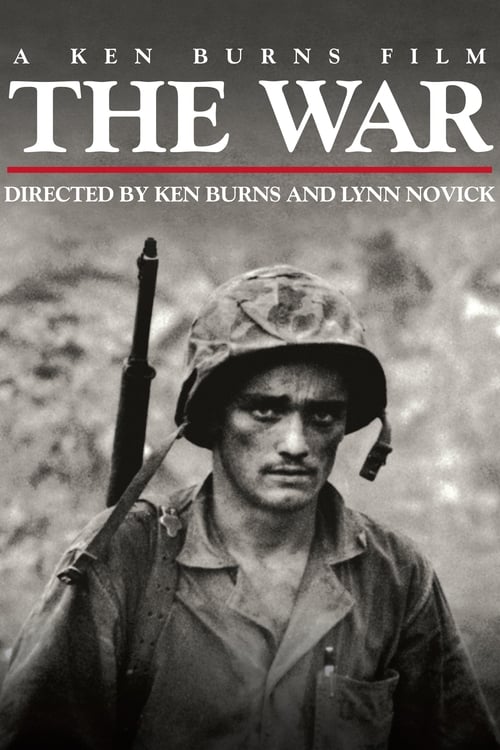
War Seen From the Inside
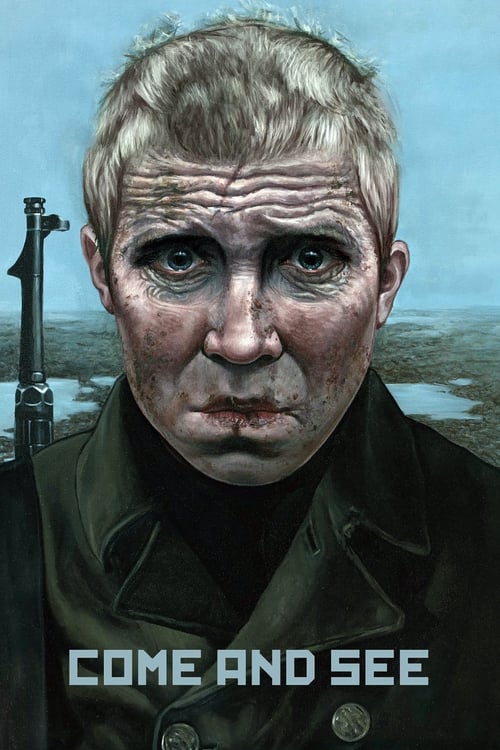
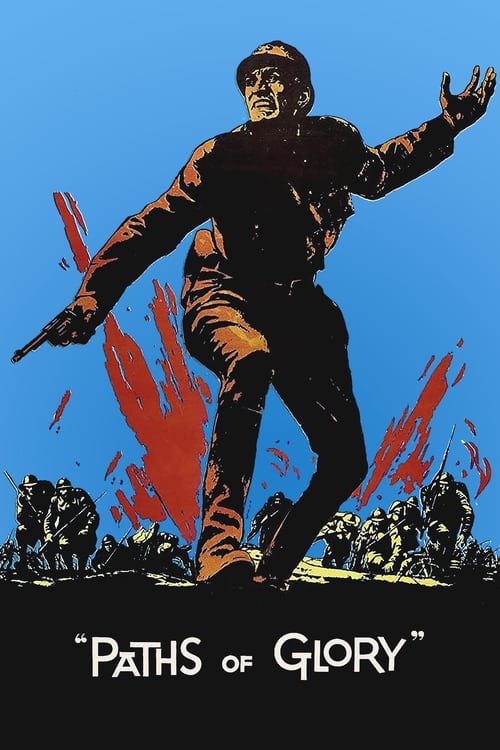
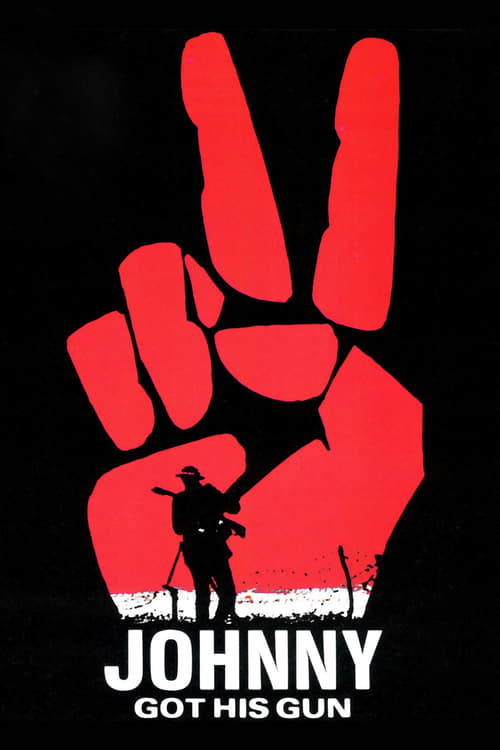
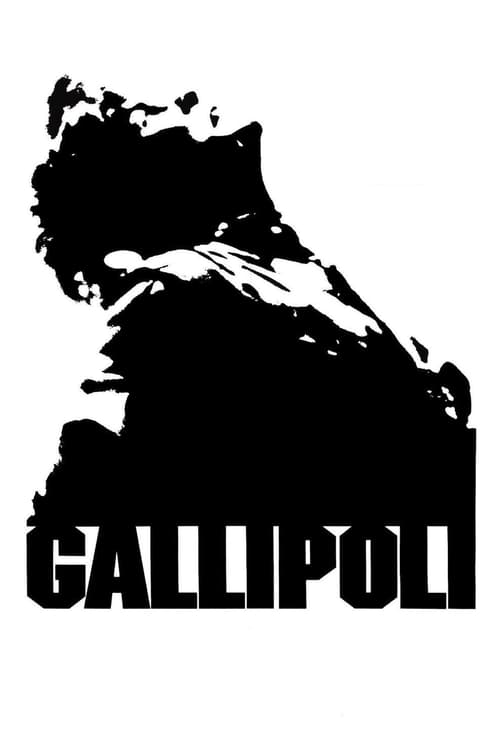
Films and series that treat war as Waters did: not heroic spectacle but intimate damage, generational cost, and the lies told afterward.
Pink Floyd on Screen
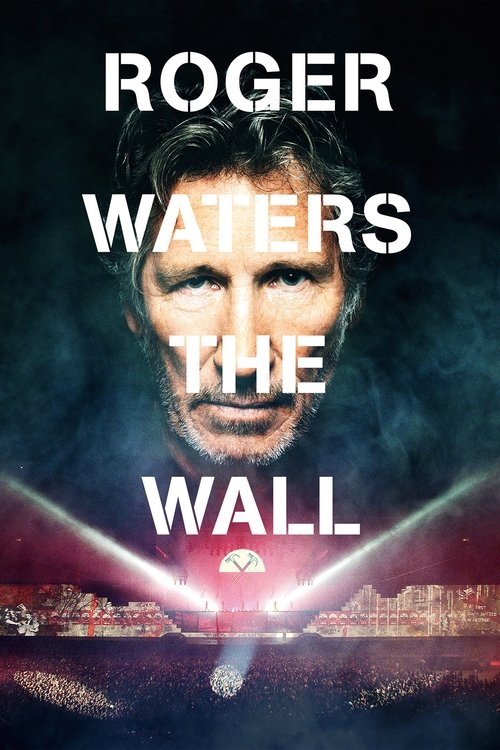
Concert films and documentaries that capture the scale, ambition, and darkness of the band at full power.

Rock Lives and Broken Bands
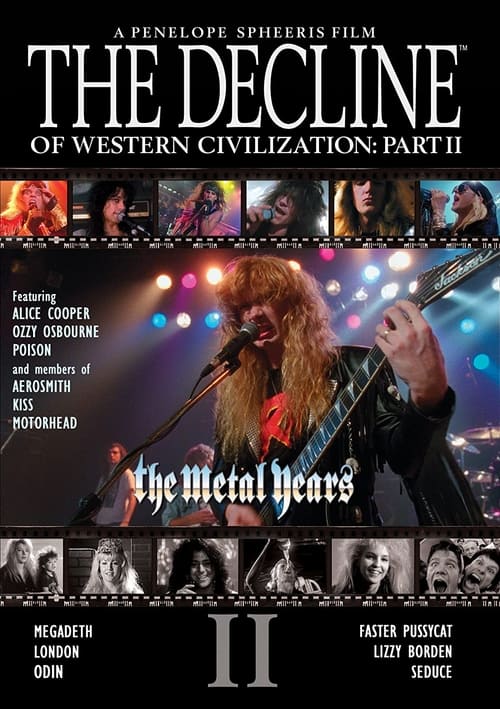
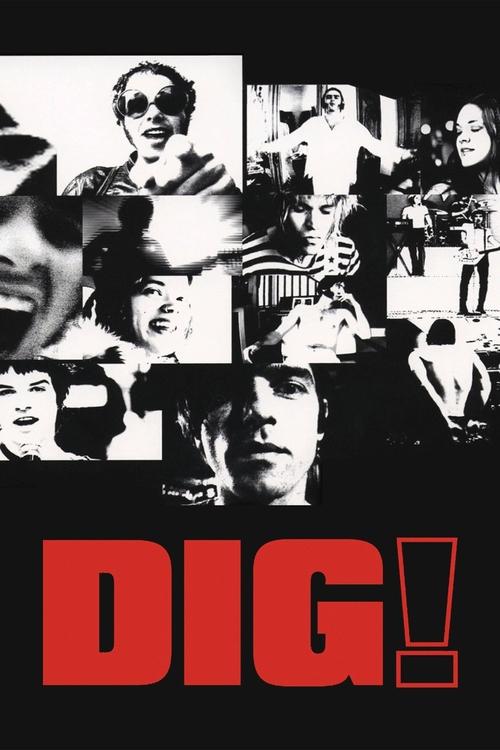
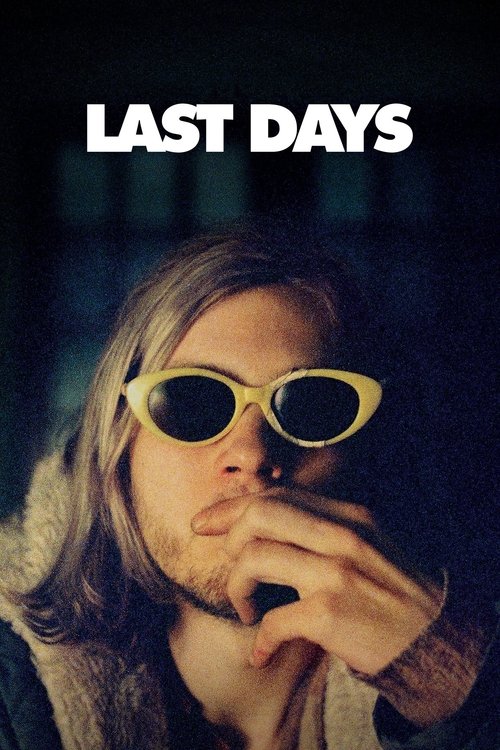
Biopics and music documentaries where ego, art, and history collide, much as they did between Waters and the rest of Pink Floyd.
Novels for the Reckoning
Fiction that carries the same moral weight as Waters' lyrics: fathers and sons, the cost of war, systems that grind individuals down.


The Final Cut Is a Solo Album in Everything But Name
David Gilmour has said as much in interviews, and the record proves it on every track. Waters wrote everything, produced with Ezra Rachman and Michael Kamen, and limited Gilmour and Nick Mason to supporting roles. That is not a criticism. It makes The Final Cut the most coherent Pink Floyd record after Meddle, because one person's grief has one consistent temperature. The album's weakness, its emotional claustrophobia, is inseparable from its power.
Thatcher's Britain Needed Witness Music, Not Protest Songs
The 1980s produced plenty of explicit anti-Thatcher pop, but most of it aged poorly because it hectored. Waters did something harder: he wrote from inside the grief rather than above it. 'Southampton Dock' watches the troops ship out for the Falklands alongside old men who remember doing the same thing in 1944. The horror is the repetition, not the politics. Kate Bush's The Dreaming, released the same year, performed a similar trick: Britain as a place of accumulated private catastrophe rather than public argument.
Michael Kamen Made the Record Possible
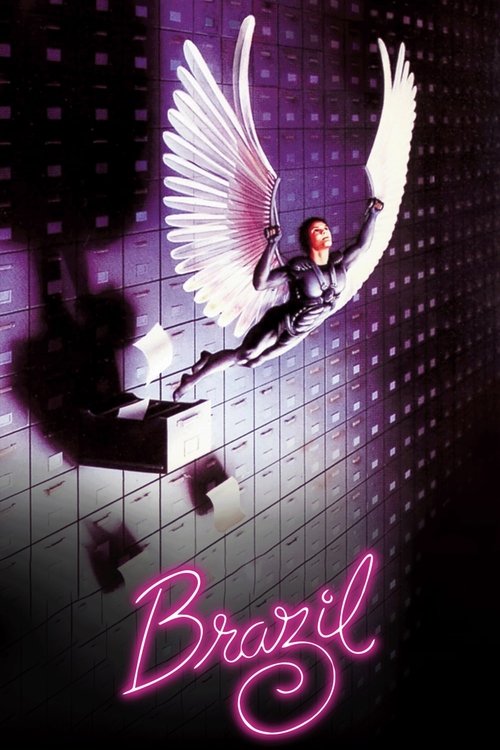
The orchestration on The Final Cut is doing more than half the work. Kamen had scored films and would go on to Brazil, Lethal Weapon, and The Fisher King, and his strings here have the same quality: theatrical without being manipulative, classical without being decorative. He takes Waters' small melodic ideas and gives them the weight of history. Without Kamen, the album would have been a long guitar monologue. With him, it sounds like a film score for a war that has not been made yet.
Amused to Death Is the Album The Final Cut Was Trying to Be
Released nine years later, Amused to Death (1992) returned to every theme Waters had been circling: media complicity in war, the failure of the post-war promise, the emotional numbness induced by television. Jeff Beck's guitar replaced Gilmour's absence, and the production (Dolby surround, Q Sound) gave the concept room to breathe that the compressed, almost claustrophobic Final Cut never had. If The Final Cut is the wound, Amused to Death is the scar examined in better light.
Roger Waters: The Long Reckoning
- 1944Eric Fletcher Waters killed at Anzio. Roger is five months old. The absence shapes everything.
- 1973Pink Floyd release The Dark Side of the Moon, beginning the run of albums that ends with The Final Cut. The Dark Side of the Moon
- 1975Wish You Were Here, dedicated partly to Syd Barrett, deepens the theme of absence. Wish You Were Here
- 1977Animals, a Swiftian attack on class and power, reaches peak vitriol. Animals
- 1979The Wall, Waters' father appears explicitly for the first time; the double album becomes the band's biggest commercial success. The Wall
- 1982The Wall film released; the Falklands War begins; Waters starts writing the follow-up. The Wall
- 1983The Final Cut released. Waters leaves Pink Floyd the following year. The Final Cut
- 1984The Pros and Cons of Hitch Hiking, Waters' first solo album proper. The Pros and Cons of Hitch Hiking
- 1992Amused to Death closes the conceptual trilogy that The Final Cut opened. Amused to Death
- 2010Roger Waters revives The Wall as a global live production, the highest-grossing solo concert tour of its era. Roger Waters: The Wall
- 2017Is This the Life We Really Want? Waters' first studio album in 25 years returns to the same grief. Is This the Life We Really Want?
If I were to release this album now, I'd put it out as a Roger Waters album. I think it was, in a way, an intrusion on what should have been a solo career.Roger Waters on The Final Cut